
🌱 Nanum Winter Jasmine
What it looks like
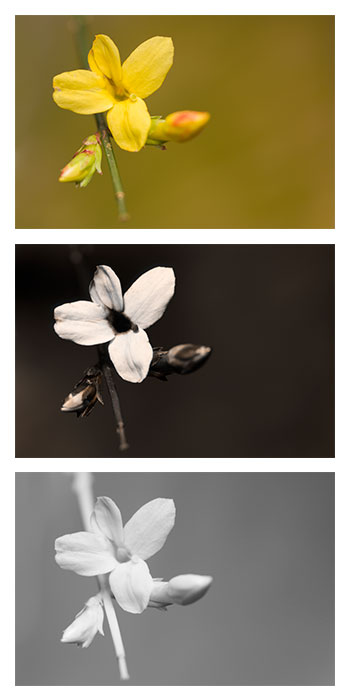
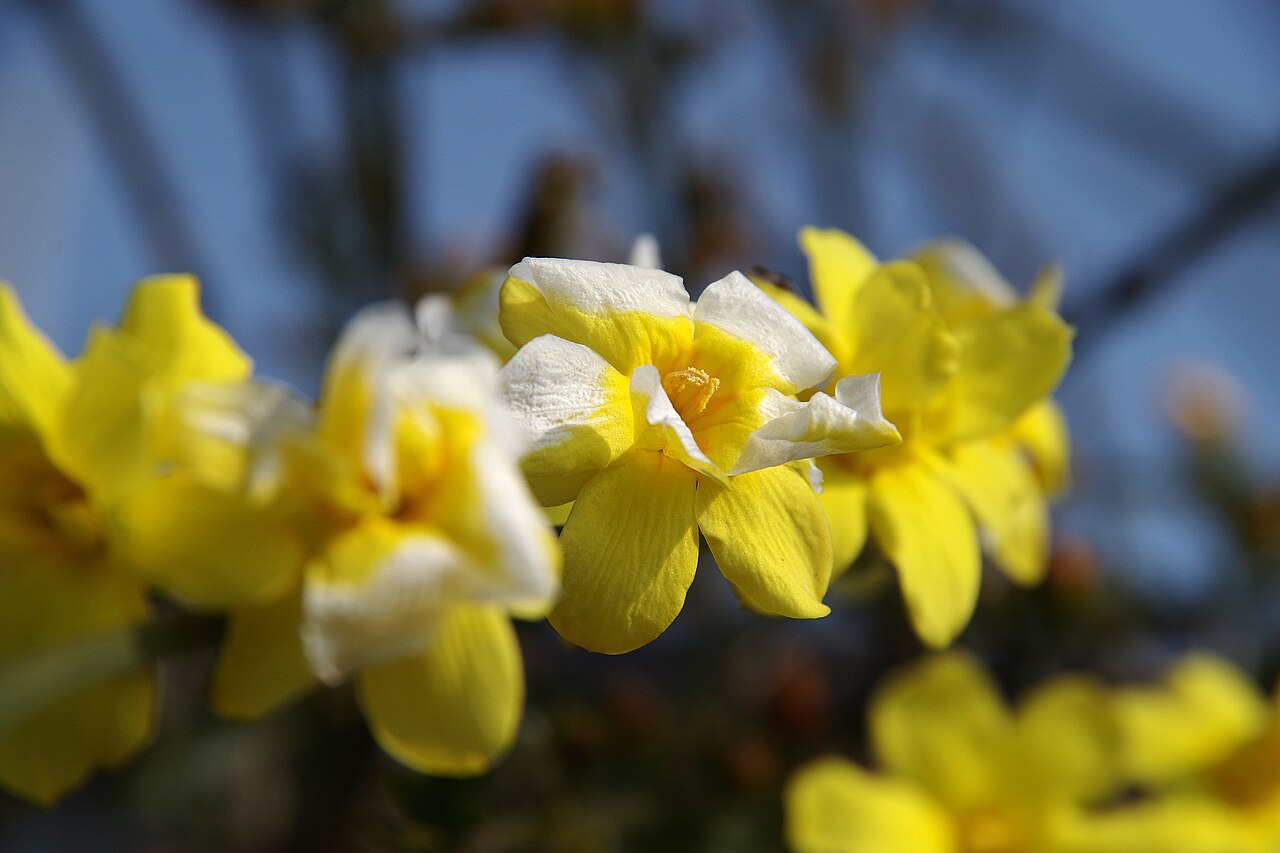
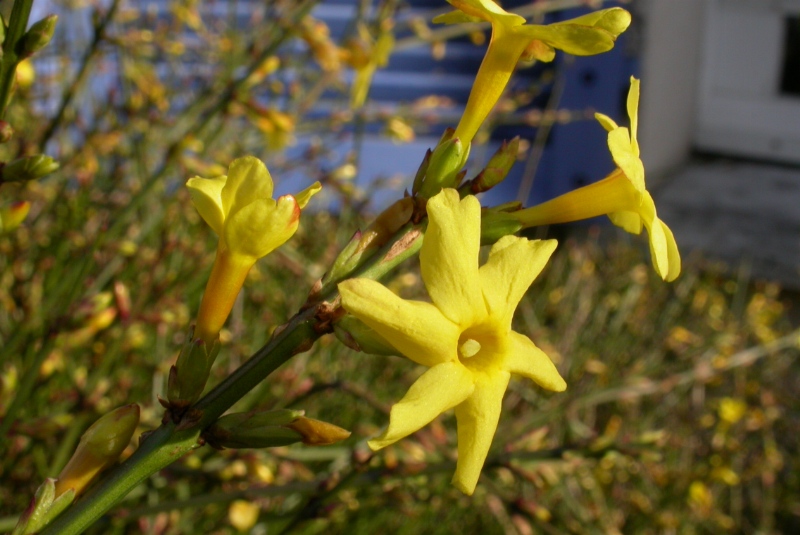
Photos show the species, Winter Jasmine, since no cultivar-specific photo has been verified for this variety — the species photos above are already hosted on this site and attributed as on the species guide.
Why this variety
Nanum solves winter jasmine’s one real problem: size. The species is a sprawler, arching 4-7 feet as a shrub and 10-15 feet trained on a support, which is more plant than many small gardens want. Nanum is the dwarf form, rarely growing more than about three feet tall, with the same bright yellow winter flowers on bare stems, in a package that fits a pot, a low bank, or the front of a border.
Small does not mean shy. A dwarf winter jasmine in a container by a door still delivers the species’ signature moment — yellow stars in late winter when the garden is at its dullest — and it does it without swallowing the path. For a Florida gardener, Nanum is also the easiest winter jasmine to move: a pot can be shifted to shelter on a cold night and back into the sun the next morning.
How to grow
Plant in spring or fall in well-drained soil, in sun to part shade, in the ground or in a large pot with drainage holes. It is an arching, deciduous shrub, not a twiner, so it needs no trellis — though it can be tied to a low support if you want a slightly taller shape. It tolerates poor soil and neglect better than most shrubs, which is why the species is used for banks and erosion control.
Prune lightly after flowering, removing dead or crossing stems and keeping the shape compact; Nanum needs far less of the annual thinning the big species demands. Mulch well, and in a pot, refresh the top few inches of compost each spring and water more often than an in-ground plant, because pots dry faster and dwarf roots have less soil to draw on.
For the general picture, start with the Winter Jasmine growing guide, then use this guide for the details that make Nanum different. And a plain-language note on the hero stats above, because vines and shrubs are not vegetables: “Spacing” here means mature planting distance, and “Days to harvest” means time to first bloom — the moment the plant starts paying you back in flowers, not a picking date.
And a plain-language note on the hero stats above, because vines and shrubs are not vegetables: “Spacing” here means mature planting distance, and “Days to harvest” means time to first bloom — the moment the plant starts paying you back in flowers, not a picking date.
Water & feeding
Water to establish, then during dry spells; in a pot, water when the top inch of compost is dry. Winter jasmine is drought-tolerant once established in the ground and hates waterlogging, so drainage matters more than feeding. A light spring feed is plenty; overfeeding a dwarf defeats the point by pushing it leggy.
Common problems
- Almost nothing, honestly — winter jasmine is famous for shrugging off pests and poor soil. Its main fault is enthusiasm: unpruned stems wander.
- Powdery mildew in still, humid air — thin the oldest stems after flowering to let air through.
- Flowers with no fragrance — that is not a defect, it is the species. Winter jasmine trades perfume for timing, blooming when almost nothing else will.
- Stems rooting wherever they touch soil — useful for groundcover, a nuisance near paths. Lift and redirect stray stems in spring.
Harvest
The harvest is a small, perfect winter moment: cut a few flowering stems in late winter for a vase, and let the plant’s low mound of yellow stars do the rest outdoors. Prune after flowering, not before, and enjoy the fact that a three-foot plant can be deadheaded and tidied in about ten minutes with a single pair of secateurs.
Browse all plant & pest guides
Saving seeds
Nanum solves winter jasmine’s one real problem: size. The species is a sprawler, arching 4 to 7 feet as a shrub and 10 to 15 feet trained on a support, which is more plant than many small gardens want. Nanum is the dwarf form, rarely growing more than about three feet tall, with the same bright yellow winter flowers on bare stems, in a package that fits a pot, a low bank, or the front of a border. As a named dwarf cultivar it is kept true by cuttings, not by seed — seedlings would not hold the dwarf habit. Plant in spring or fall in well-drained soil, in sun to part shade, in the ground or in a large pot with drainage holes, and prune lightly after flowering. The full method is in the Propagation section of the Winter Jasmine guide.