
🤍 White Orach
What it looks like

Why this variety
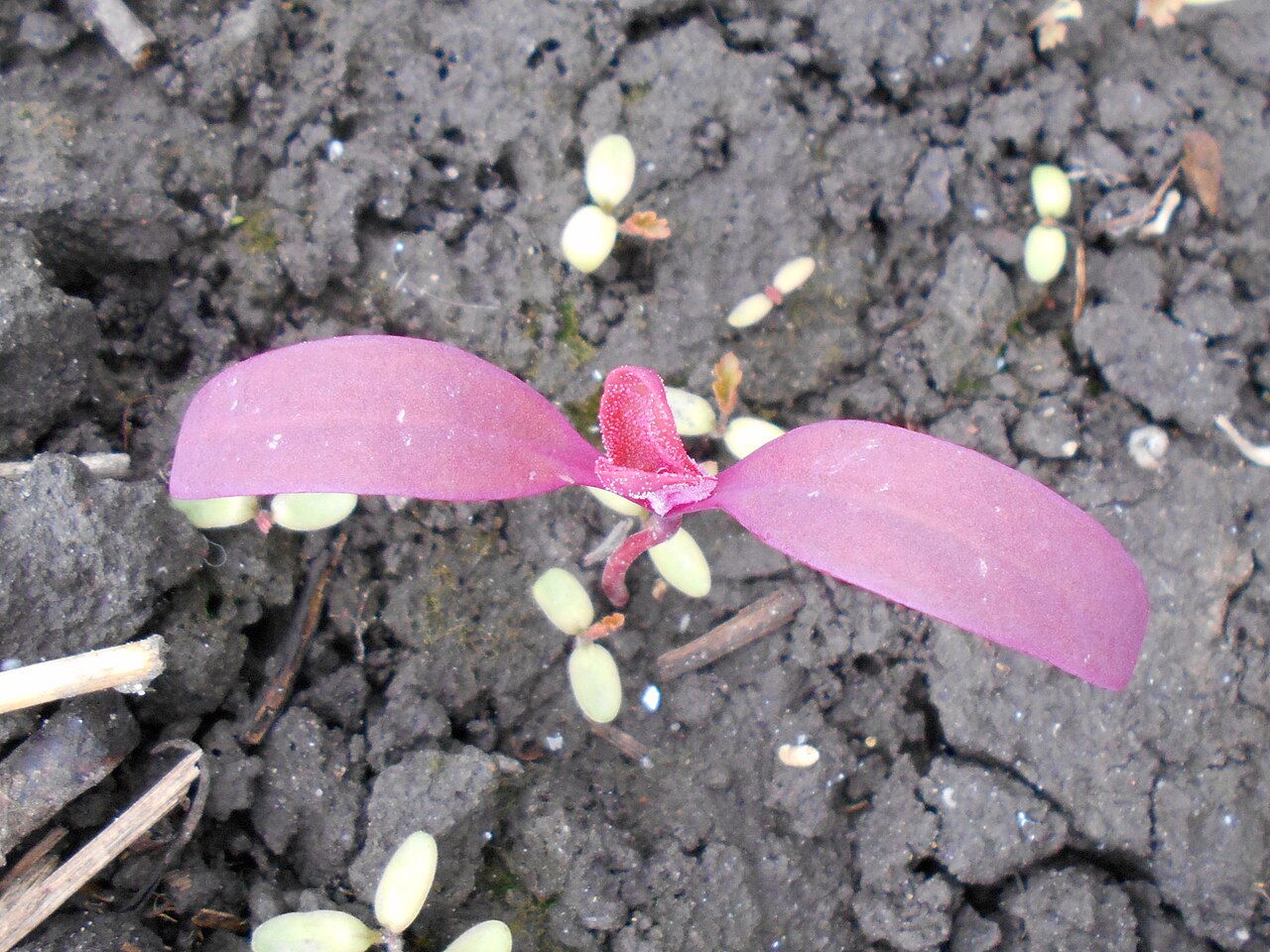
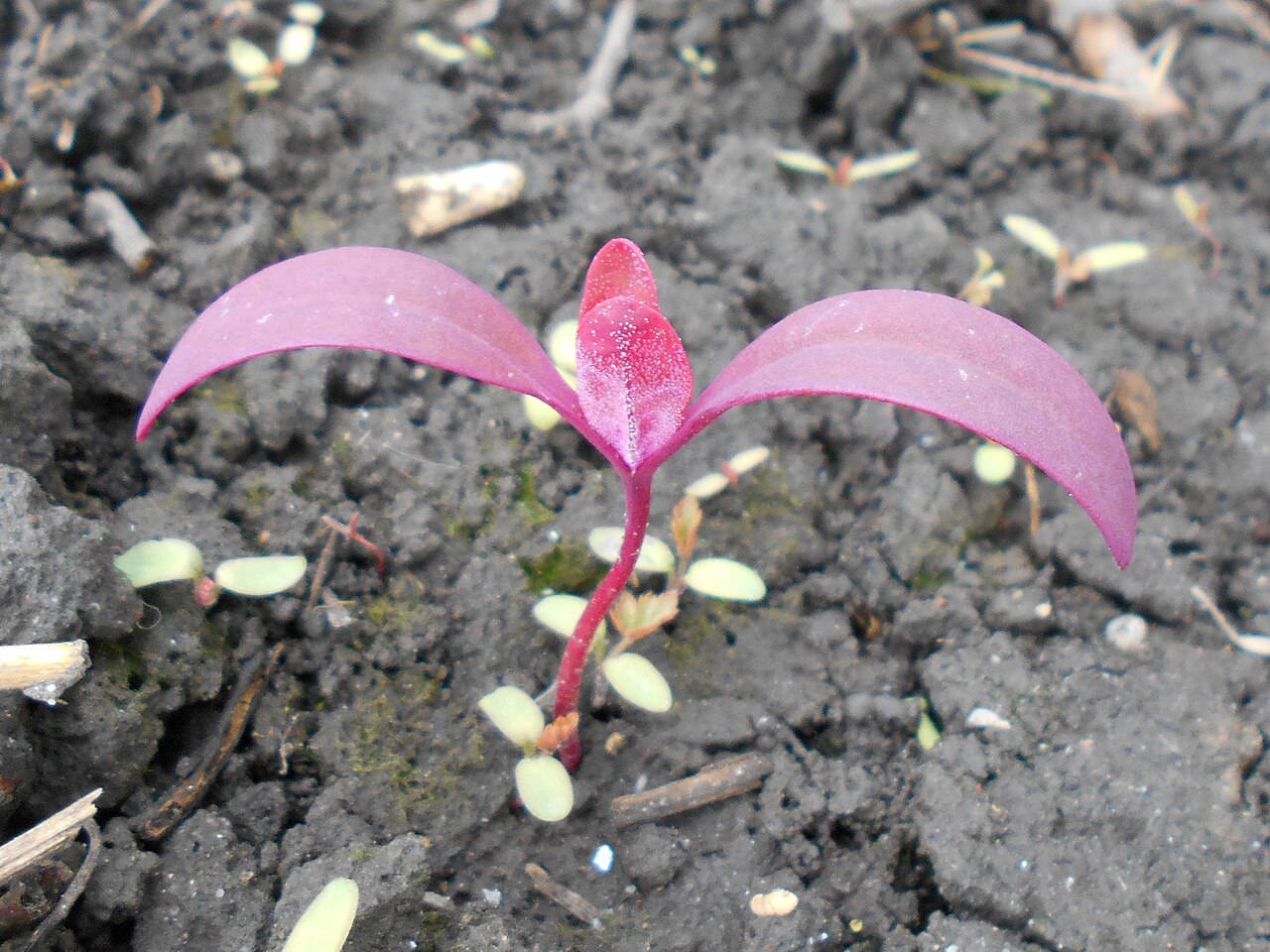
White orach is the original, and still the most commonly grown, form of garden orach: leaves so pale green they read almost yellow, soft, mild, and a little less assertive than the red types. If red orach is the showpiece and green orach the workhorse, white orach is the one you reach for when you want the green to disappear into a dish and just taste good.
It shares the family traits that make orach worth growing: heat tolerance beyond spinach, tolerance of alkaline and salty soil, and leaves that cook like spinach without the mildew problems. The pale leaves also make it easy to spot aphids and leaf miners early, which is a small practical virtue.
How to grow
Direct-sow 1/4 inch deep, thinning to 12 inches apart, in rows 12–18 inches apart. Germination takes 7–14 days in cool soil.
UF/IFAS Extension gives orach a Florida window that looks like spinach season, not summer: in South and Central Florida, plant October through January; from the middle of the state northward, sow from mid-September. It is quick to bolt in summer heat, so treat it as a cool-season green in Florida and let the heat-tolerant amaranths and purslanes take summer.
Water & feeding
Orach is drought-tolerant once established and salt-tolerant too, but the best leaves come from steady, deep watering rather than daily sprinkles: water deeply, let the top of the soil dry, and mulch to hold moisture. In sandy soil, water more often in smaller doses. Feed lightly with compost or worm castings at planting; orach needs little fertilizer, and excess nitrogen makes soft, floppy leaves.
Common problems
- Aphids — clusters on undersides, worst in warm spells. Blast with a strong jet of water, encourage ladybugs, or use insecticidal soap. Check leaf axils before harvest — aphids love to hide in there.
- Slugs and snails — ragged holes and slime trails, worst after rain. Beer traps, boards to flip in the morning, and keeping mulch pulled back from stems all help.
- Bolting and bitterness — once a flower stalk rises, leaf flavor goes downhill fast. Plant at the right season, keep water steady, and harvest before a heat wave rather than after it.
- Leaf miners — pale winding trails inside leaves. Remove affected leaves promptly; healthy plants outgrow light damage. Row cover at sowing keeps the adult flies off.
- Root-knot nematodes — stunted, struggling plants in sandy soil, the Florida special. Rotate beds, add plenty of organic matter, and solarize beds in summer if pressure is high.
Harvest
Pick young leaves as needed from about 40 days after sowing, taking the youngest first. Plants grow tall — up to 4–6 feet if left alone — so harvest regularly to keep them leafy and manageable, and cut back or deadhead before seed sets unless you want self-sown plants next year.
Browse all plant & pest guides
Saving seeds
White orach is the original, and still the most commonly grown, form of garden orach: leaves so pale green they read almost yellow, soft, mild, and a little less assertive than the red types. If red orach is the showpiece and green orach the workhorse, white orach is the one you reach for when you want the green to disappear into a dish and just taste good. It shares the family traits that make orach worth growing: heat tolerance beyond spinach, tolerance of alkaline and salty soil, and leaves that cook like spinach without the mildew problems. It is a type name, not a single hybrid cultivar, and orach is sold only as open-pollinated seed — no F1 orach exists in the trade — so seed saved from it comes true as white orach. Orach self-seeds readily, so let a few plants go to seed in place, and isolate from other orach types if you want to keep the pale color pure. The full method is in the Saving seeds section of the Orach guide.