
💗 Delectum Bleeding Heart Vine
What it looks like
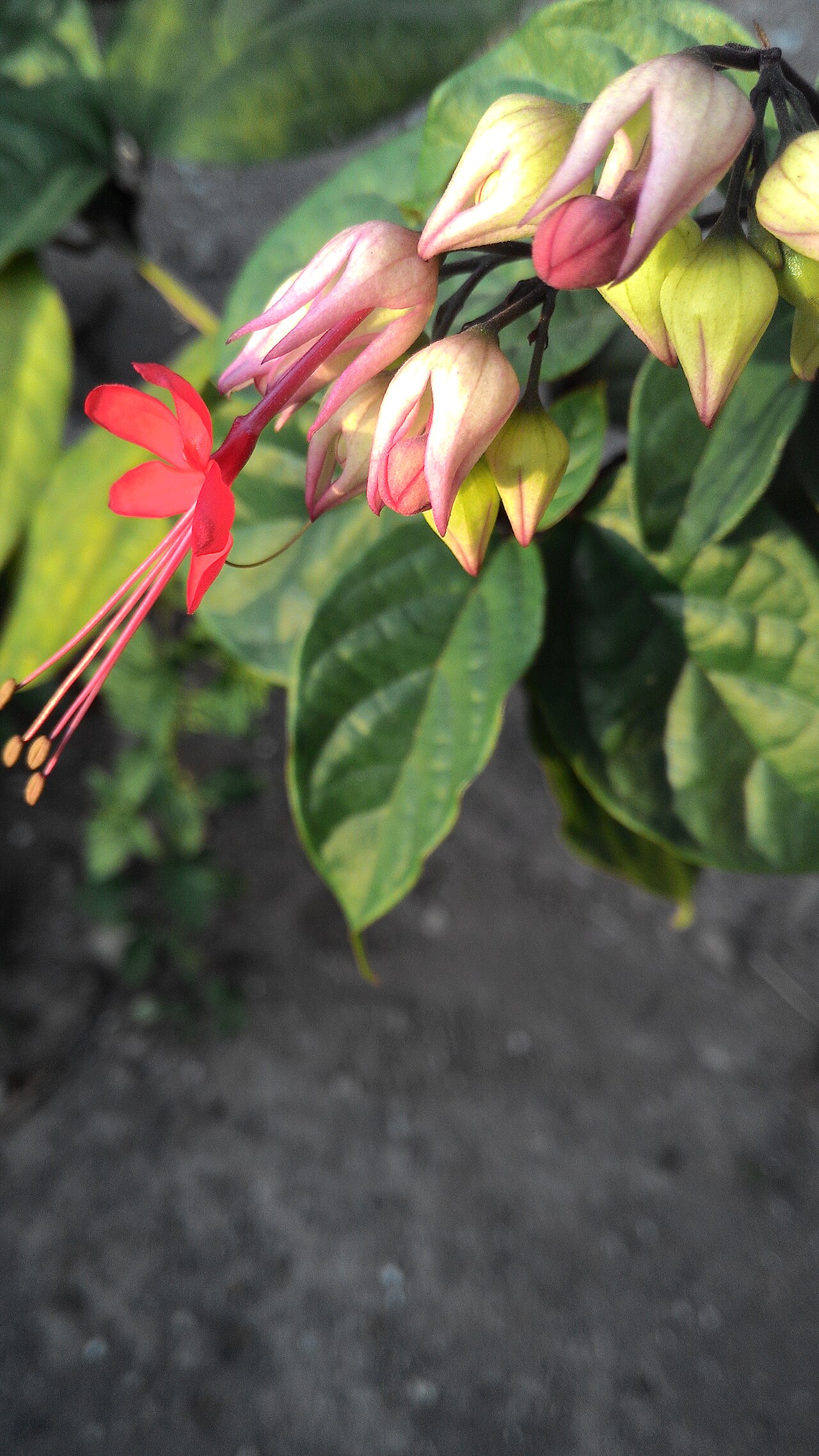
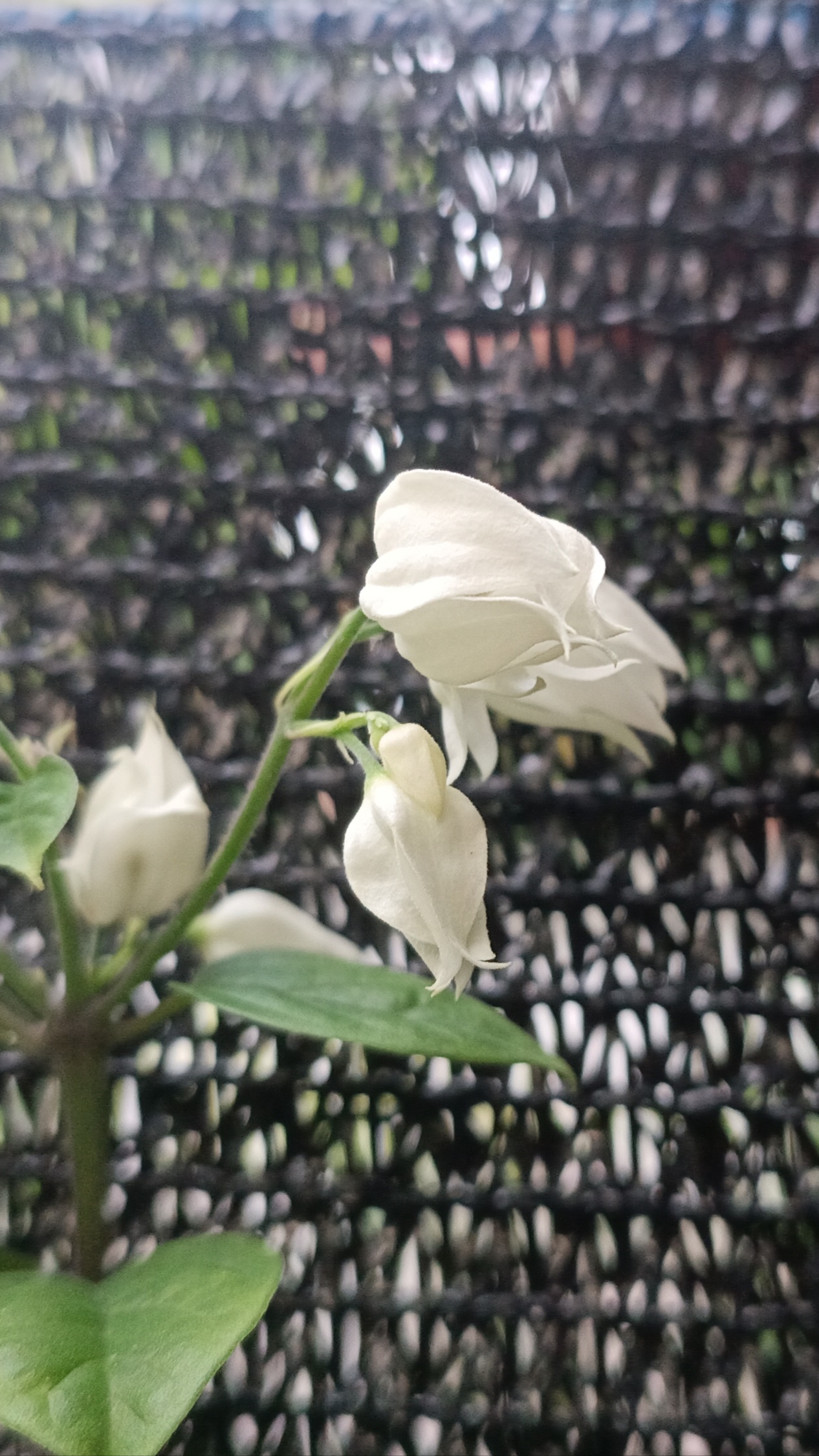
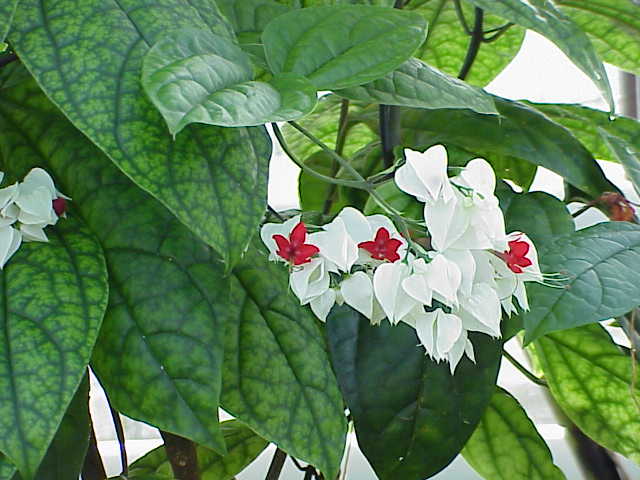
Photos show the species, Bleeding Heart Vine, since no cultivar-specific photo has been verified for this variety — the species photos above are already hosted on this site and attributed as on the species guide.
Why this variety
Delectum is the bleeding heart vine turned up to eleven: a documented cultivar of Clerodendrum thomsoniae with very large clusters of light-red flowers held in violet-purple calyxes, instead of the species’ crimson corollas in white balloon calyxes. The effect is softer, pinker, and — because the clusters are so large — more dramatic from a distance than the classic form.
It is sometimes called Java red glorybower, and it is sometimes listed as a variety rather than a cultivar — the trade is loose with rank here, but the plant is consistent: large, light-red flower clusters, violet-purple calyxes, the same twining evergreen habit, and the same tropical warmth requirements. If the classic white-and-red bleeding heart feels a little stark to you, Delectum is the softer, showier alternative.
How to grow
Plant outdoors in zones 9-11 in rich, well-drained soil at the base of a trellis or pergola, or grow it in a large pot and bring it indoors before cold nights — Delectum is tropical and has no patience for frost. Give it bright indirect light outdoors with morning sun and afternoon shade; harsh midday sun scorches the calyxes, and deep shade stops the flowering.
Prune after the main flush to keep it to its support and encourage branching, and tie new growth while flexible — this is a twiner, and it will happily twine around its neighbours if you let it. Work worm castings into the planting hole or potting mix, and mulch well; in Florida’s sandy soils, organic matter holds the moisture this tropical vine expects.
For the general picture, start with the Bleeding Heart Vine growing guide, then use this guide for the details that make Delectum different. And a plain-language note on the hero stats above, because vines and shrubs are not vegetables: “Spacing” here means mature planting distance, and “Days to harvest” means time to first bloom — the moment the plant starts paying you back in flowers, not a picking date.
And a plain-language note on the hero stats above, because vines and shrubs are not vegetables: “Spacing” here means mature planting distance, and “Days to harvest” means time to first bloom — the moment the plant starts paying you back in flowers, not a picking date.
Water & feeding
Water regularly to keep soil evenly moist, letting the top inch dry between waterings — never leave a container sitting in a saucer of water, and never let the root ball dry out completely either. Feed every few weeks in the growing season with a balanced liquid fertilizer, and reduce water in winter while growth slows indoors.
Common problems
- Spider mites and whiteflies indoors and in dry heat — check leaf undersides; a soapy-water wash and better humidity usually settle it.
- Bud drop from cold drafts or sudden moves — this is a tropical plant with opinions about draughts. Keep it warm, bright, and undisturbed while budding.
- Leaf yellowing from overwatering or cold soil — let the top inch dry between waterings and never leave a container sitting in a saucer of water.
- Vigorous growth outgrowing its support — prune after the main flush to keep it to its trellis, and use the cuttings: they root readily in warm, humid conditions.
Harvest
The harvest is large, dangling flower clusters for cutting and for the trellis show. Cut stems in the morning when clusters are fully open — they hold well in water for a few days — and deadhead spent clusters to encourage new ones. Prune after the main flush, and take cuttings from pruned stems: they root readily in warm, humid conditions, which is the cheapest way to get a second Delectum.
Browse all plant & pest guides
Saving seeds
Delectum is a documented bleeding heart vine cultivar, so seedlings won’t hold its large light-red clusters — propagate it by cuttings from a named plant. The Propagation section of the Bleeding Heart Vine guide covers the route.