
❤️ Red Bleeding Heart Vine
What it looks like
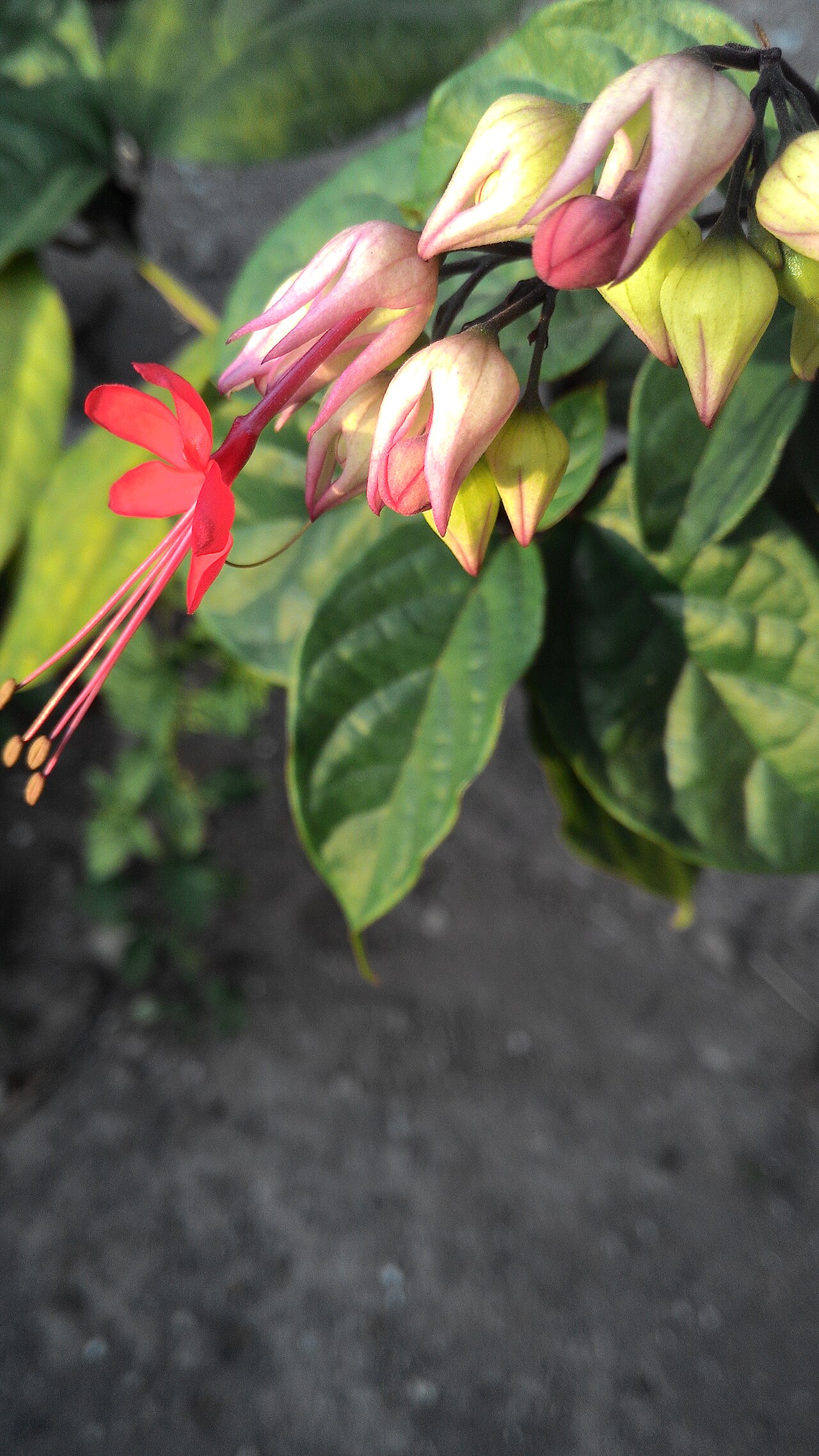
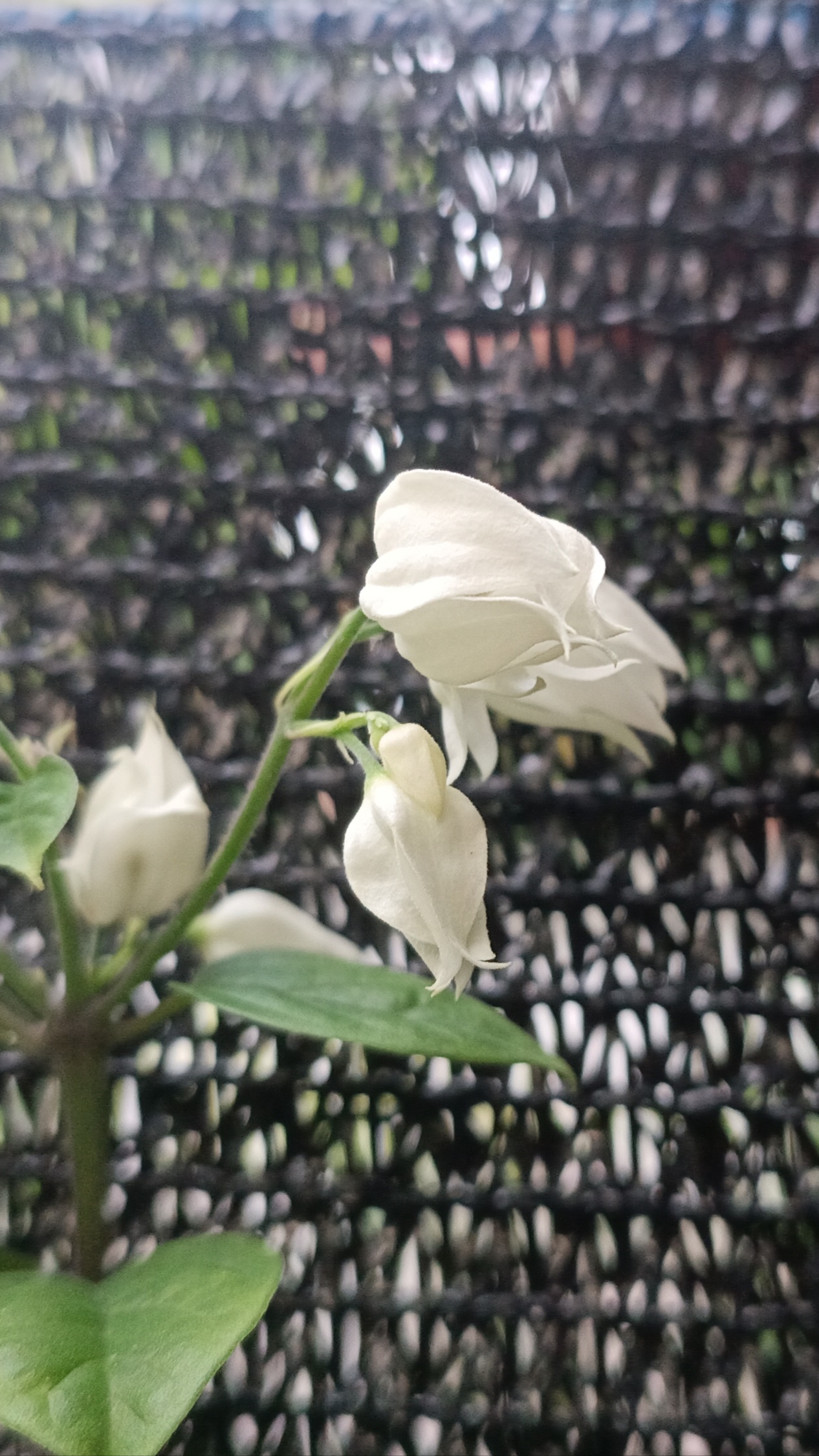
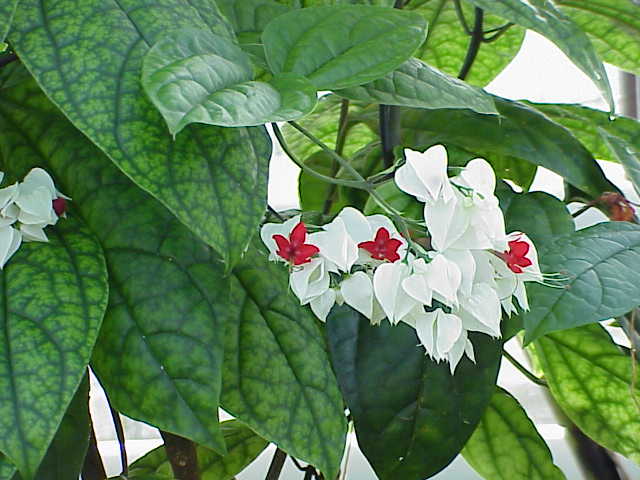
Photos show the species, Bleeding Heart Vine, since no cultivar-specific photo has been verified for this variety — the species photos above are already hosted on this site and attributed as on the species guide.
Why this variety
Red Bleeding Heart is the red twist on the classic glorybower: a hybrid, Clerodendrum x speciosum, with pink bracts and vibrant red, heart-shaped flowers, instead of the species’ white calyxes and crimson drops. It is a vigorous, fast-growing vine, perfect for a privacy screen or a cascading display over a fence, and it flowers with the same tropical enthusiasm as its parent.
It is not Clerodendrum thomsoniae itself, and this guide says so plainly: it is the hybrid cousin, sometimes sold simply as red bleeding heart, and it belongs in this index because gardeners shop for it as a bleeding heart vine and grow it the same way. If you want the classic white-and-red form, grow the species; if you want the whole flower in red and pink, grow this one — and if you want both, they pair beautifully on the same trellis, which is not a sentence you can say about many vines.
How to grow
Plant outdoors in zones 9-11 in rich, well-drained soil at the base of a trellis, fence, or pergola, or in a large container brought indoors before cold nights. Give it bright indirect light with morning sun and afternoon shade; it is tropical, vigorous, and fast-growing, so give it a strong support from day one and room to run — a flimsy trellis will be overwhelmed by midsummer.
Prune after the main flush to keep it to its support and encourage branching, and be ready to prune again: vigorous means vigorous, and an unpruned red bleeding heart will happily cover a fence, a shrub, and the washing line. Work worm castings into the planting hole or potting mix, mulch well, and feed through the growing season to fuel the flower production.
For the general picture, start with the Bleeding Heart Vine growing guide, then use this guide for the details that make Red Bleeding Heart different. And a plain-language note on the hero stats above, because vines and shrubs are not vegetables: “Spacing” here means mature planting distance, and “Days to harvest” means time to first bloom — the moment the plant starts paying you back in flowers, not a picking date.
And a plain-language note on the hero stats above, because vines and shrubs are not vegetables: “Spacing” here means mature planting distance, and “Days to harvest” means time to first bloom — the moment the plant starts paying you back in flowers, not a picking date.
Water & feeding
Water regularly to keep soil evenly moist, letting the top inch dry between waterings, and never leave a container in standing water. Feed every few weeks in the growing season with a balanced liquid fertilizer, and reduce water in winter while growth slows indoors. In Florida’s heat, a container plant may need water daily in summer — check the soil, not the calendar.
Common problems
- Spider mites and whiteflies indoors and in dry heat — check leaf undersides; a soapy-water wash and better humidity usually settle it.
- Bud drop from cold drafts or sudden moves — this is a tropical plant with opinions about draughts. Keep it warm, bright, and undisturbed while budding.
- Leaf yellowing from overwatering or cold soil — let the top inch dry between waterings and never leave a container sitting in a saucer of water.
- Vigorous growth outgrowing its support — prune after the main flush to keep it to its trellis, and use the cuttings: they root readily in warm, humid conditions.
Harvest
The harvest is red flower clusters for cutting and for the screen show. Cut stems in the morning when flowers are fully open, deadhead to keep new clusters coming, and prune after the main flush — taking cuttings from the prunings, which root readily in warm, humid conditions. A vigorous vine pruned hard is a vine that gives you both flowers and free plants.
Browse all plant & pest guides
Saving seeds
Red Bleeding Heart is the red twist on the classic glorybower: a hybrid, Clerodendrum x speciosum, with pink bracts and vibrant red, heart-shaped flowers, instead of the species’ white calyxes and crimson drops. It is a vigorous, fast-growing vine, perfect for a privacy screen or a cascading display over a fence, and it flowers with the same tropical enthusiasm as its parent. As an interspecific hybrid it is kept true by cuttings, not by seed — seedlings would not hold the pink bracts and red heart-shaped flowers. Plant outdoors in zones 9-11 in rich, well-drained soil at the base of a trellis, fence, or pergola, or in a large container brought indoors before cold nights. Prune after the main flush to keep it to its support and encourage branching. The full method is in the Propagation section of the Bleeding Heart Vine guide.