
🌼 Clio Dandelion
What it looks like
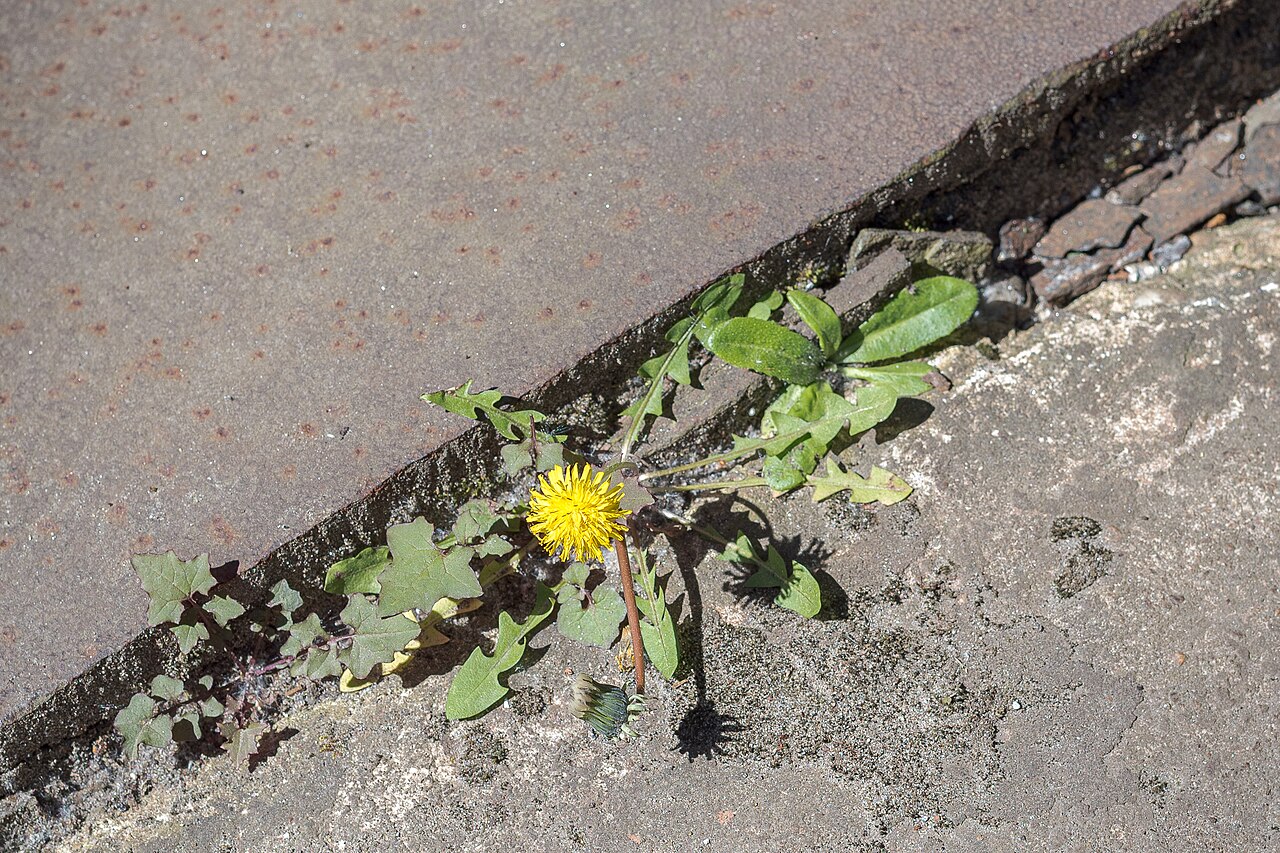
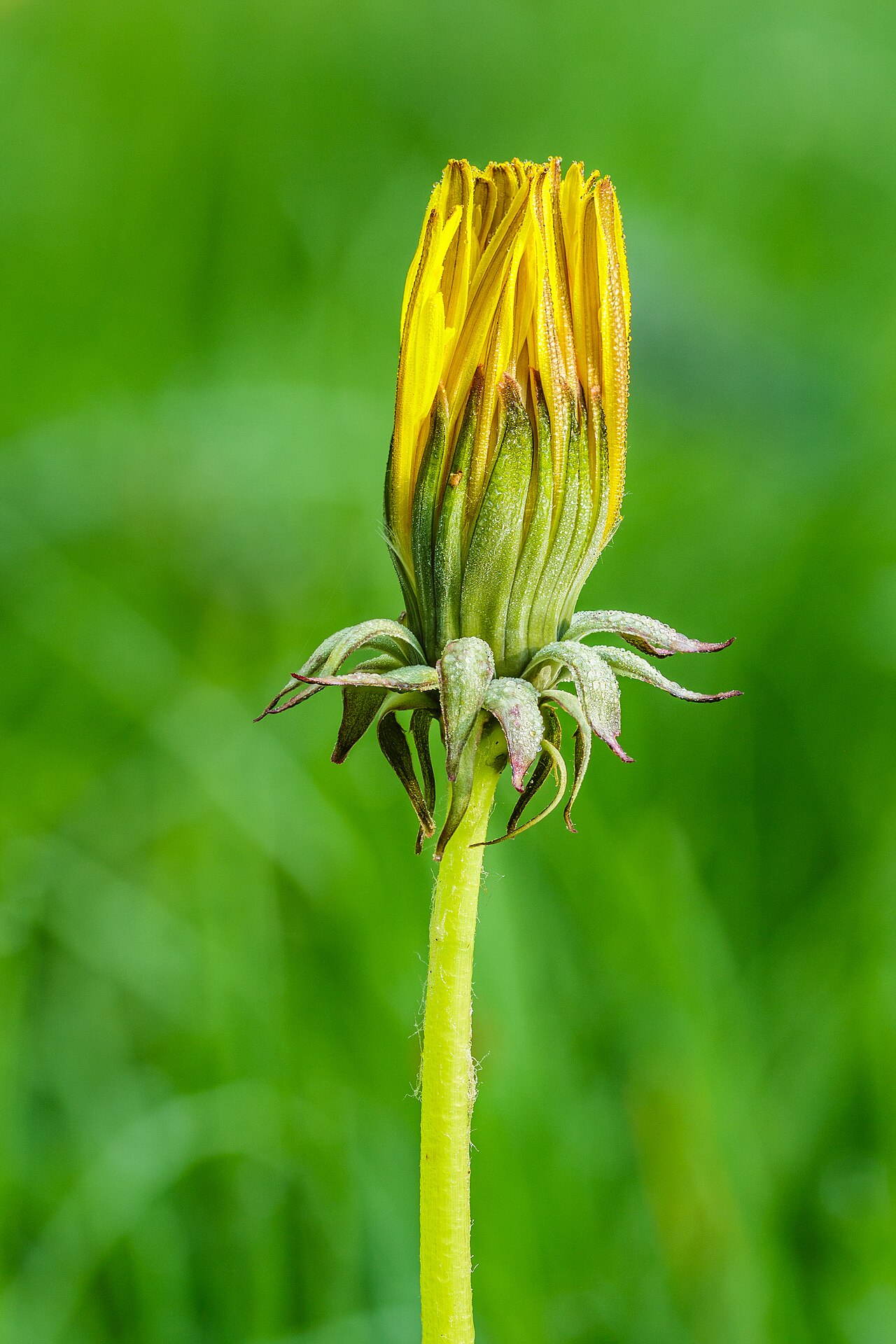
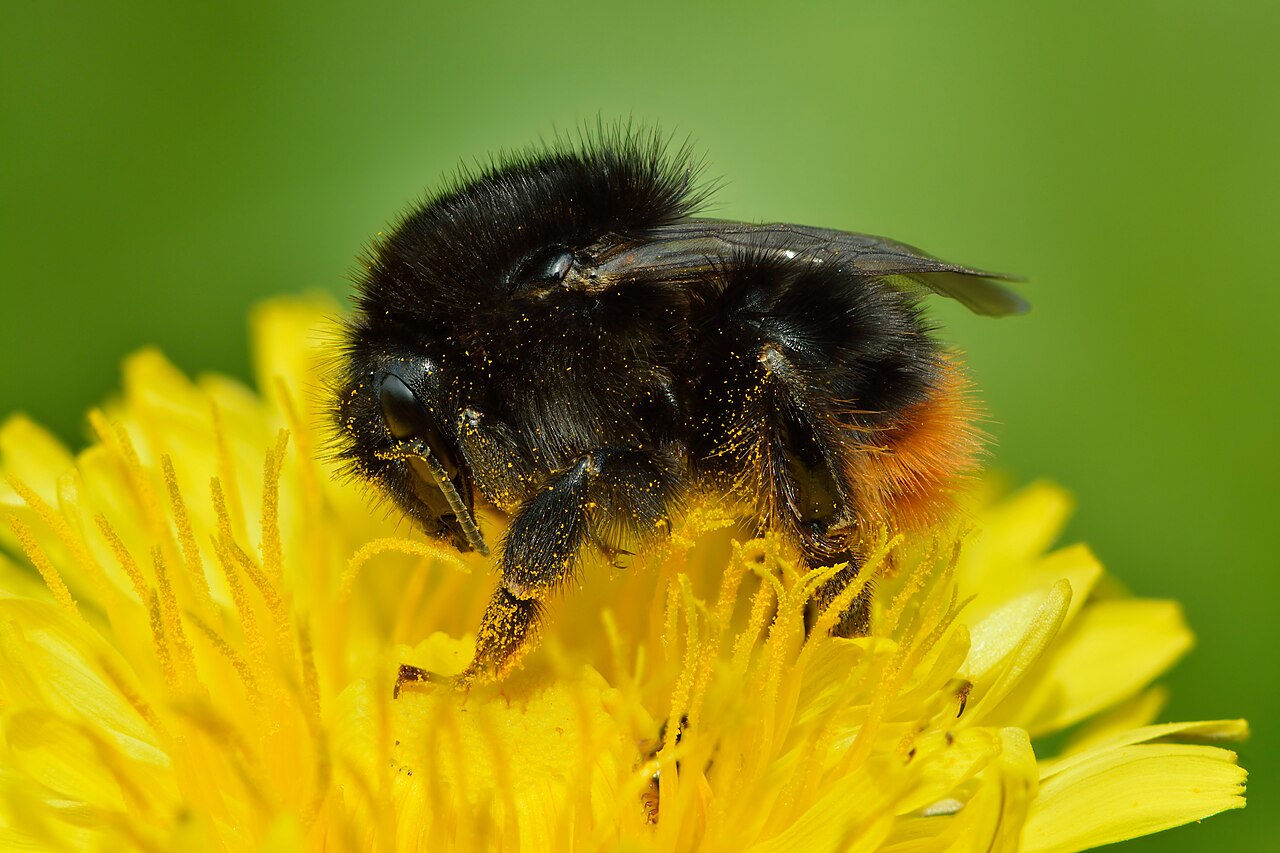
Why this variety
Clio is the Italian dandelion sold for serious greens production: an upright type that yields heavily and stands up where wild dandelion sprawls, so you can cut armfuls without crawling around the bed picking individual leaves. It is the dandelion to grow if you actually want to cook with dandelion regularly, not just nibble a leaf to say you did.
Like all cultivated dandelions it is Taraxacum officinale, bred for larger, less bitter leaves than the lawn weed — but it is still dandelion, with the same deep taproot and the same enthusiasm for seeding. Grow it in a bed you control, harvest before it flowers, and it is a crop; let it flower everywhere and it is a lawn again.
How to grow
Sow seed directly outdoors 1/4 inch deep in spring or fall, thinning to 6–12 inches apart. Dandelion germinates in 7–14 days and tolerates most soils, but rich, deep soil grows the biggest leaves — the taproot wants room.
In Florida, cultivated dandelion is a fall-through-spring green: sow in fall as nights cool for winter and spring leaves, or in early spring for a spring harvest before heat arrives. Summer heat makes leaves tough and bitter fast, so treat it as a cool-season crop and let it rest — or go to seed, if you dare — through summer.
Water & feeding
Dandelion is famously unfussy about water, but cultivated greens taste best with steady moisture: about an inch a week, mulch to hold it, and water at the base. Drought-stressed leaves turn bitter and tough, which is the opposite of what you planted a garden dandelion for. Feed lightly with compost; dandelion grows in poor soil, but rich soil grows bigger, milder leaves — the whole point of the cultivated types.
Common problems
- Self-seeding takeover — the honest warning, first: a dandelion allowed to flower will seed the whole garden, and the seeds stay viable for years. Harvest leaves before flower stalks rise, deadhead any flowers that sneak through, and grow in a contained bed.
- Bitterness — older leaves and heat-stressed plants turn bitter. Pick young leaves, blanch by covering plants for a week or two if you want milder greens, and cook older leaves rather than eating them raw.
- Aphids — clusters on undersides and flower stalks. Blast with water or use insecticidal soap.
- Slugs and snails — ragged holes after rain. Beer traps and morning patrols help.
- Look-alike weeds — never eat dandelion from a lawn that has been sprayed, and never harvest where you are not sure of the plant. Garden-grown Clio removes both problems.
Harvest
Pick young leaves when 3–4 inches long for salads, or larger leaves for cooking — larger greens are tougher and more bitter, so cook those. Cut leaves in the morning when crisp, and leave the crown growing so plants keep producing. Roots can be harvested in fall of the first year, cleaned, roasted, and ground as a coffee substitute.
Browse all plant & pest guides
Saving seeds
Clio is a cultivated dandelion bred for larger, less bitter leaves, and it is grown from seed like the species — sow it directly and save seed from your best plants before they scatter. The full method is in the Saving seeds section of the Dandelion guide.