
🌿 Sissoo Spinach
What it looks like
Why this variety
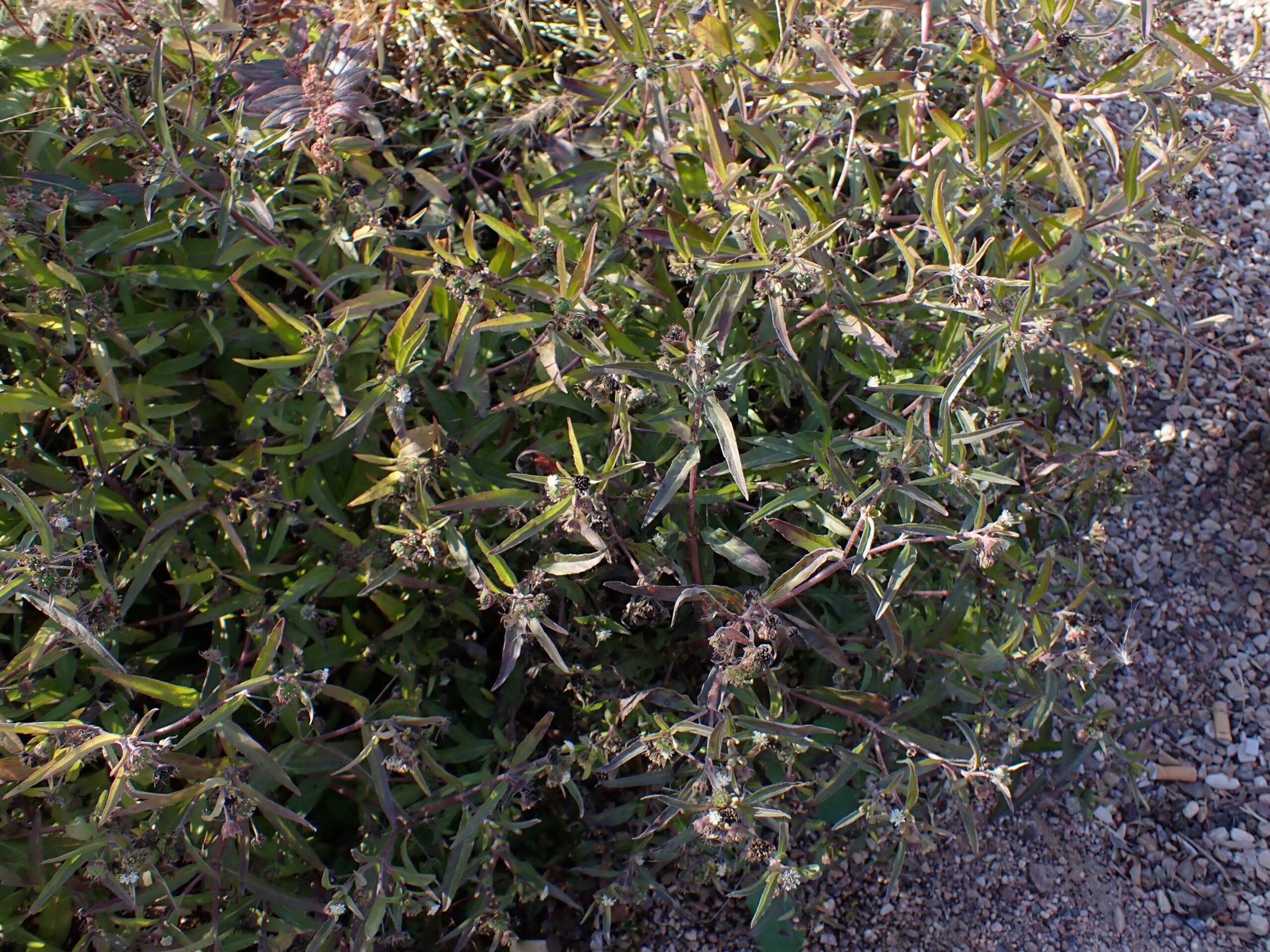
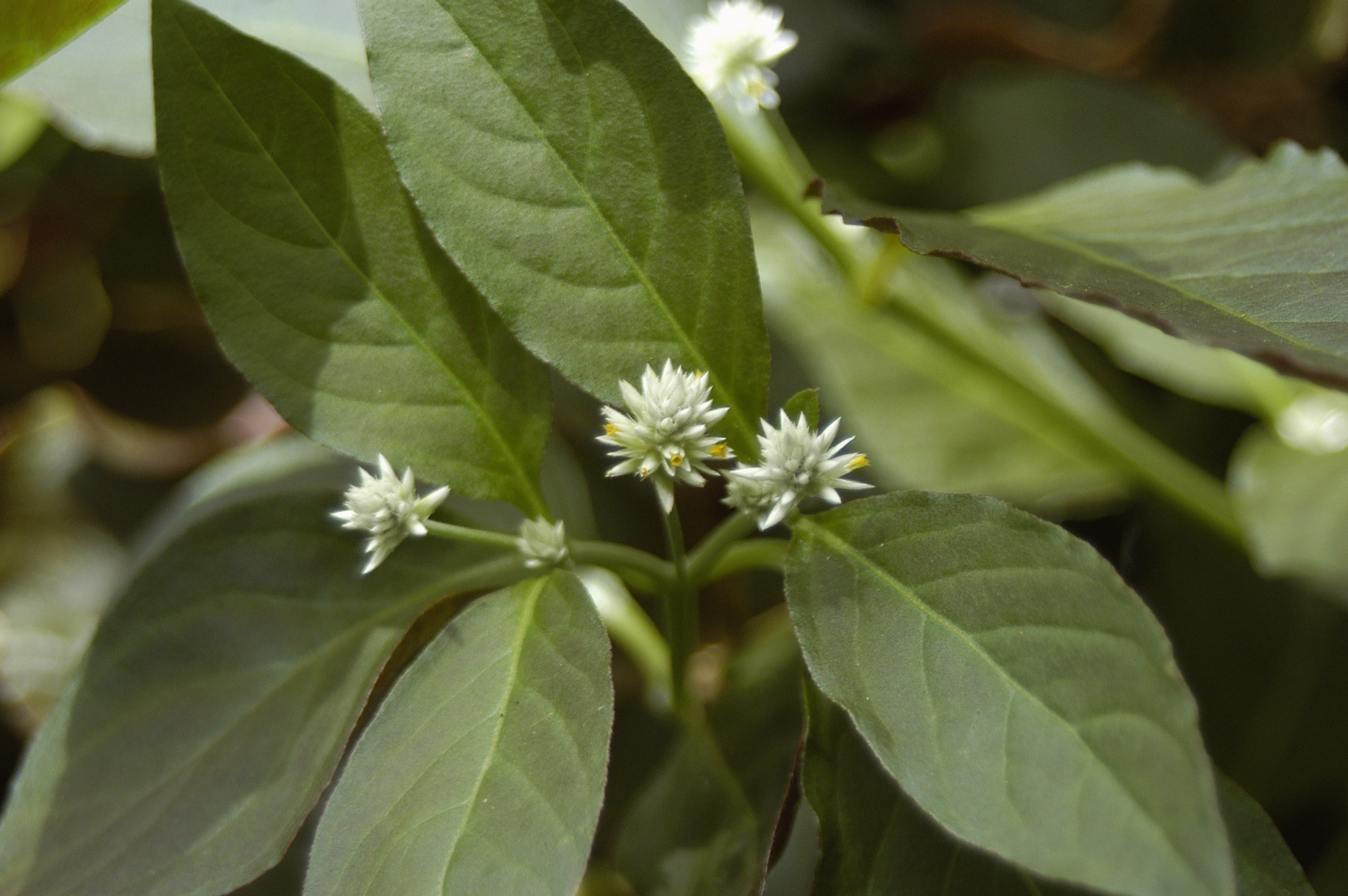
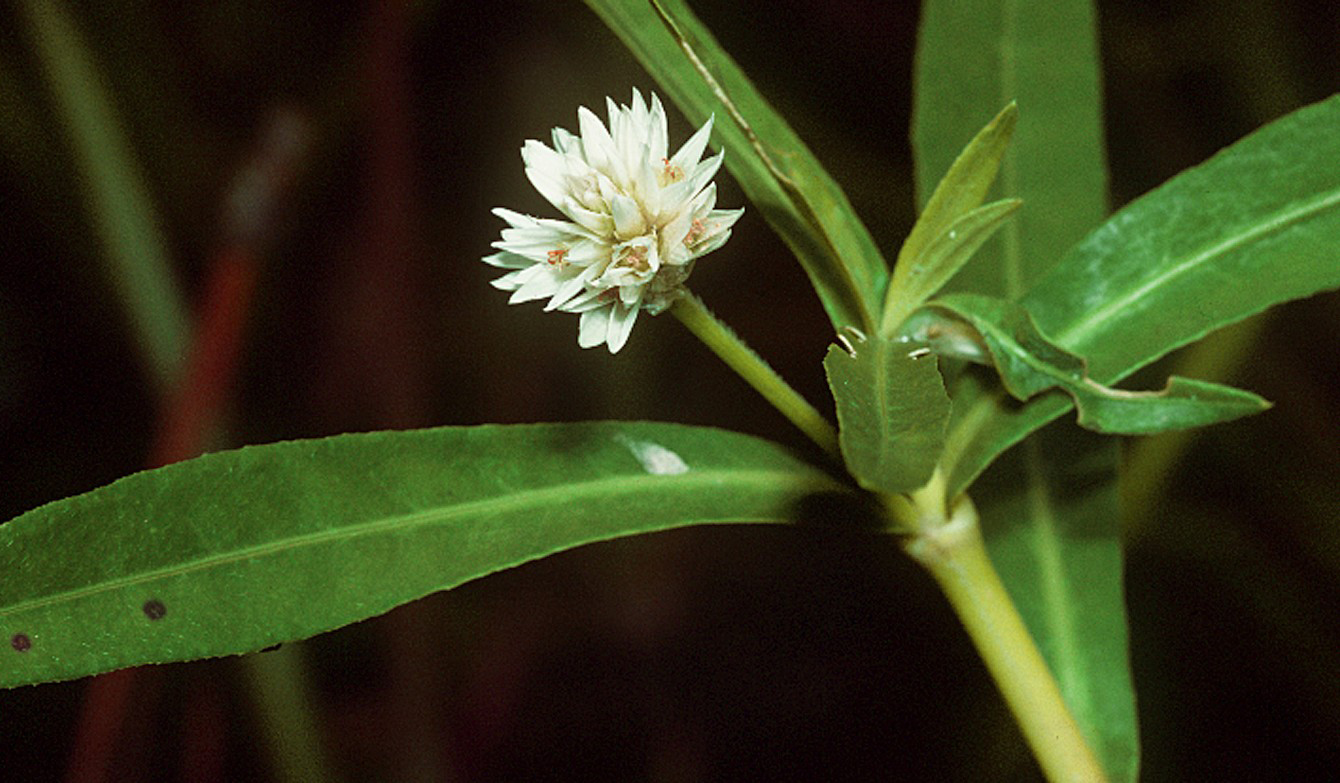
Sissoo spinach — Brazilian spinach, samba lettuce — is the summer spinach that is not spinach at all: a low, spreading, evergreen perennial groundcover in the amaranth family, with crisp, crinkled leaves that taste mild and pleasant raw or cooked. UF/IFAS lists sissoo and Brazilian spinach among South Florida’s summer edible leafy greens, which tells you where it shines — in the months when true spinach bolts at 75°F and lettuce turns bitter, sissoo just keeps leafing.
It is usually grown from cuttings, not seed — it rarely sets viable seed in cultivation — and it roots at the nodes as it spreads, forming a living mulch under fruit trees, along bed edges, or spilling from containers. Plant it once in a frost-free spot and it feeds you for years, with almost no pest pressure.
How to grow
Plant cuttings in spring or early summer, 12–18 inches apart, in moist, organic-rich, well-drained soil. Give it part shade or bright filtered light — morning sun with afternoon shade is ideal in Florida; full sun with steady water works, but leaves get smaller and tougher. Keep soil evenly moist while cuttings root, then mulch to hold water.
In Florida, plant from spring through fall; in frost-free parts of the state it stays productive through winter, and in cooler parts it dies back with frost — keep backup cuttings in a pot indoors over winter. It is frost-tender, so protect it when temperatures approach freezing.
Water & feeding
Water steadily — sissoo wants moist, not soggy, soil, and it wilts in drying wind. Mulch heavily to hold moisture and keep roots cool. Feed lightly with compost a few times a season; it needs little fertilizer to stay productive, and overfeeding makes soft growth.
Common problems
- Frost damage — foliage is damaged by frost and killed by freezing. Cover before cold snaps or overwinter cuttings indoors.
- Tough leaves in full sun and drought — give afternoon shade and steady water for tender leaves.
- Spreading habit — it roots at nodes and fills beds. That is the point as a groundcover, but edge it where you do not want it to wander.
- Slugs and snails — ragged holes after rain, worst in moist shade. Beer traps and morning patrols.
- Salt spray — not well documented as salt-tolerant. Avoid direct beachfront exposure.
Harvest
Begin light harvesting once cuttings are established and growing actively, taking outer leaves and tender tips first. Harvest regularly — every week or two in the growing season — and the plant responds with bushier growth. Never strip more than a third of the plant at once. Leaves are crisp raw in salads and hold up cooked like spinach.
Browse all plant & pest guides
Propagation
The honest headline: sissoo spinach does not make fertile seed. Its flowers are largely sterile, and research on the plant confirms it is propagated by stem or terminal cuttings precisely because it does not produce fertile seeds. So there is no seed to save — and that is actually good news, because it means the plant cannot become invasive by seed the way some of its relatives do.
Cuttings root almost overnight. Take a stem cutting four to six inches long, strip the lower leaves, and stick the cut end in moist soil — or in a glass of water first, if you like watching roots form. In Florida’s warm season, a cutting stuck in the ground roots in days and is established in weeks. A cluster of cuttings planted together makes a dense groundcover faster than a single plant ever will.
Ask a friend growing sissoo for cuttings, or pick up a plant at a farmers market or plant sale — one plant becomes a patch fast, and every plant is a clone, so the crinkly leaves you love are the leaves you get. Keep a few cuttings in a pot over winter in colder zones, since it will not survive frost.
Contain it with a little discipline: sissoo spreads by runners and roots at the nodes wherever a stem touches soil. Keep it in a bed you can manage, prune it often — and eat the prunings, that is the point — and do not toss cuttings into natural areas, where they can root and wander.