
💙 Blue Mistflower
What it looks like
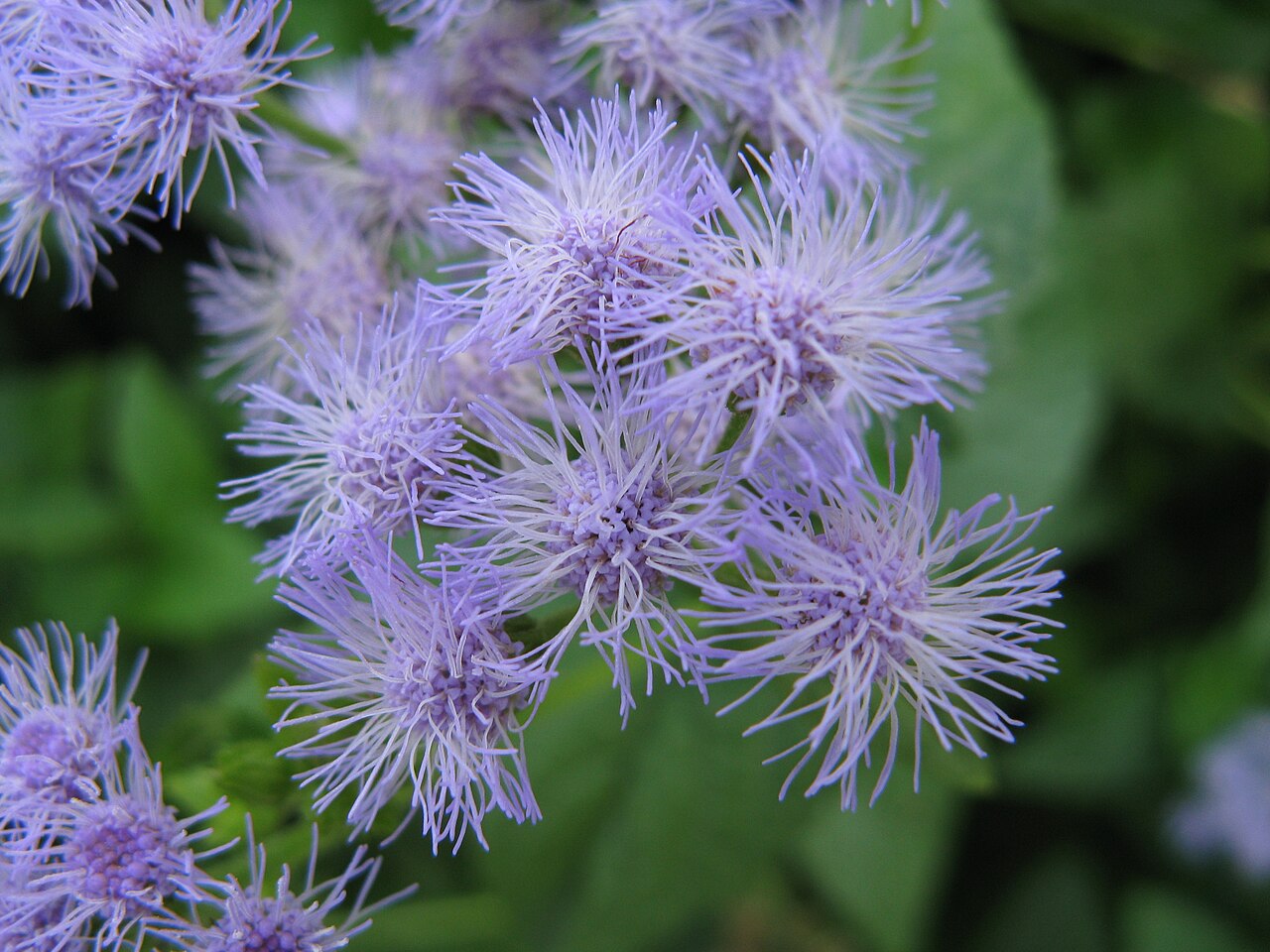
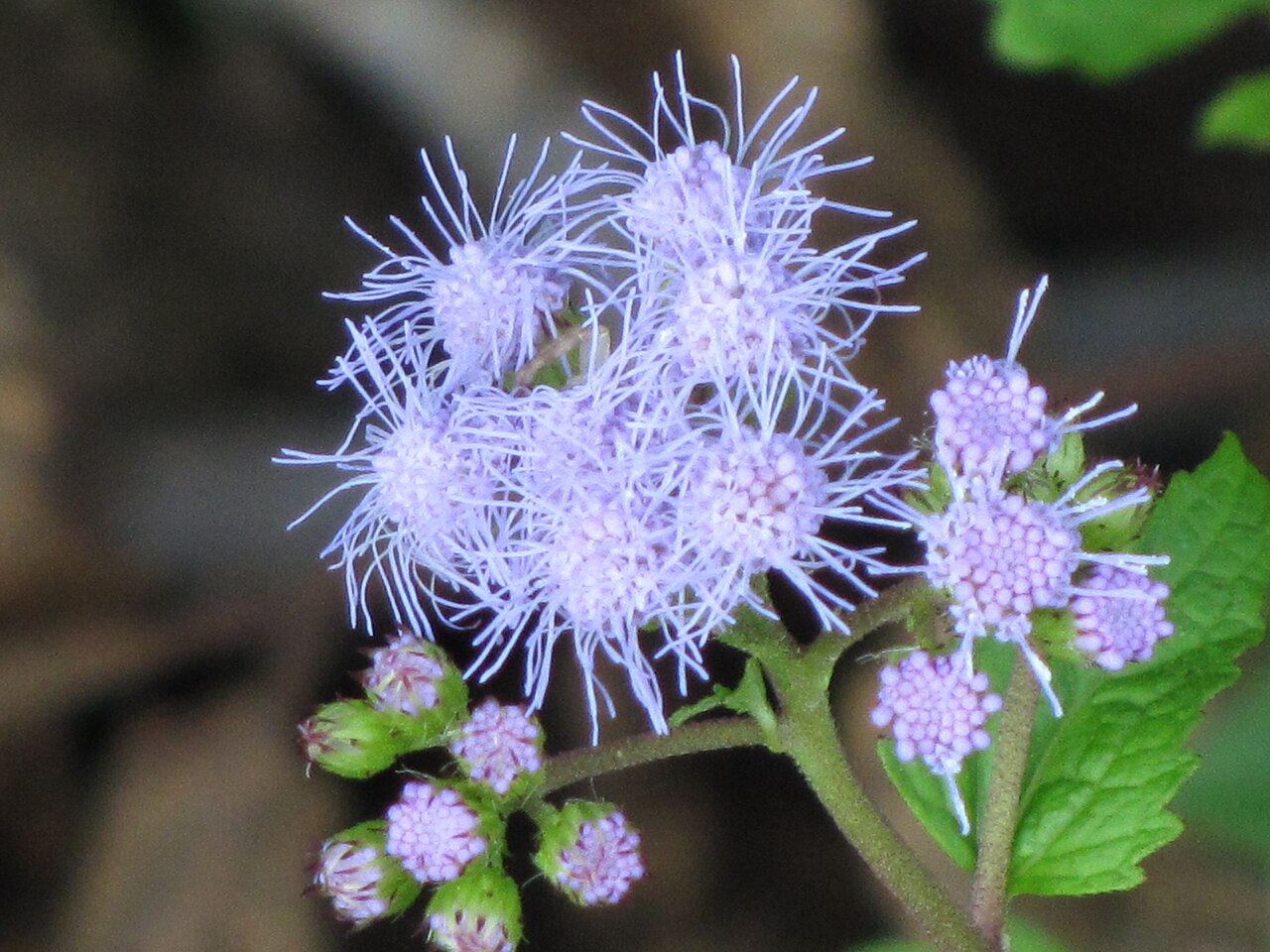
Blue mistflower, also called blue boneset and hardy ageratum, is a colonizing perennial wildflower, 1 to 3 feet tall, in the aster family, and its flowers are its whole identity: fluffy, powder-blue clusters that blanket the plant in fall, each head made entirely of tiny tube-shaped disk flowers with long, threadlike styles sticking out like blue fireworks. There are no ray petals in the usual sense, which is why the flower heads read as soft puffs rather than daisies, and why a colony in full bloom looks like a blue mist settled over the garden, hence the name.
The foliage is triangular, toothed, and medium green, and the plant spreads by rhizomes into generous colonies, which is both its virtue and its warning. In a moist spot, along a pond or stream edge, in a rain garden, or in a butterfly garden where it can roam, it forms a billowing groundcover that flowers when most summer flowers are finished. In a small formal bed, it will roam anyway unless you give it a root barrier or plan to edit it yearly, and this guide is honest about that trade.
Why this variety
Choose blue mistflower when you want reliable fall nectar. Late-season butterflies, including skippers, sulphurs, and migrating monarchs, along with native bees, visit its fluffy blue heads when little else is flowering, and it is one of the most reliable fall nectar plants for a Florida butterfly garden. It is also a plant that asks for almost nothing beyond moisture: plant it in spring in moist soil, and it tolerates everything from average garden soil to soggy ground, spreading by rhizomes and seed into the colony you want.
It is also a plant with a taxonomic footnote worth knowing: older books call it Eupatorium coelestinum, and nursery tags still do, but modern taxonomy places it in Conoclinium, which is why this guide uses Conoclinium coelestinum. If a tag says blue boneset, hardy ageratum, or Eupatorium coelestinum, it is the same plant, and the powder-blue fall puffs will confirm it.
How to grow
Plant in spring in full sun in moist soil, spacing 18 to 24 inches apart, and give it room to colonize or a root barrier to contain it. Cut plants back by about half in early summer to keep them compact and prevent flopping, and shear off spent flowers to limit self-seeding if you do not want seedlings everywhere. It spreads by both rhizomes and seed, so expect generous colonies: divide clumps in spring, take softwood cuttings in late spring, or sow seed in fall so it gets natural winter chilling, and the easiest method of all is simply digging up pieces of its spreading rhizomes and moving them.
Florida note: blue mistflower is a Florida native of moist ground, and it is at home in Florida rain gardens, pond edges, and butterfly gardens statewide, with the caveat that it spreads. In a Florida garden, treat it like a groundcover that flowers, not like a specimen: give it a moist bed where it can roam, or a contained bed where you will edit it, and it will reward you with a fall blue cloud and a butterfly show every year.
Water & feeding
Water regularly until established, then keep soil moist. Blue mistflower tolerates seasonal flooding and soggy ground, but it thins and sulks in a dry bed, which is the plant telling you it belongs in the rain garden, not the xeric border. No fertilizer needed; compost at planting is enough, and rich soil encourages floppy growth that needs cutting back.
Common problems
Spreading too eagerly: rhizomes and seed both spread it. Use a root barrier in small beds, shear spent flowers, and divide or edit yearly.
Flopping: tall, uncut plants flop, especially in rich soil or part shade. Cut back by half in early summer to keep them compact.
Self-seeding: seedlings appear freely. Deadhead if you do not want them, or let them fill a meadow edge.
Too dry: in a dry bed it thins and blooms poorly. Move it to moisture.
Harvest
No food harvest. The harvest is the fall bloom and the colony itself: cut stems for loose, misty bouquets in fall, divide rhizomes in spring to make new plants for friends or for another moist bed, and shear spent flowers to keep the colony tidy. The plant’s real yield is ecological: late-season nectar when pollinators need it most, from a plant that spreads itself for free.
Saving seeds (and keeping this enthusiastic plant in bounds)
Blue mistflower does not need your help spreading. It spreads by underground rhizomes that send up new shoots, and it spreads by seed — fluffy little achenes with tufts of hair built to ride the wind like tiny parachutes. Saving its seed is easy. The real skill is saving it on purpose, in a jar, instead of letting the plant save it everywhere, all by itself.
Watch the flower heads after bloom. Over the following weeks the soft blue pom-poms turn into dry, fuzzy seed heads, each floret replaced by a single seed with its own feathery tuft. When the heads look dry and start to fluff out, cut them into a paper bag before the wind does your harvesting for you. Leave the bag somewhere cool and dry for about a week, then shake it — the seed falls free with very little coaxing. Pick out the biggest bits of fluff and stem, but do not obsess over perfect cleanliness; mistflower seed is light and feathery by design, and a little fluff in the jar is normal.
Sowing has two rules that matter. First, the seed needs light to germinate, so press it onto the surface of moist seed-starting mix and do not bury it — buried mistflower seed is seed that never got the memo. Second, it needs a cold spell to break dormancy. Sources disagree on exactly how long — some say a few weeks of cold, damp chilling does it, others recommend longer — so the simplest honest answer is to sow in fall and let winter handle it, or winter-sow in a covered container outdoors. If you are storing seed for spring instead, keep it cool and dry, then give it a cold, damp chilling period in the fridge before sowing, and expect germination once daytime temperatures are reliably mild. Surface-sow, mist rather than flood, and give it morning sun.
Now the part that matters most, stated plainly: this plant spreads vigorously, and in moist soil it can form large colonies that swallow smaller neighbors. In its native southeastern range that is not “invasive” in the ecological sense — it belongs here — but in a small bed or a formal border it can absolutely behave like a garden thug. If you do not want volunteers, cut the heads off before they mature and compost them, and dig out stray rhizome shoots in spring while they are still small. Saving seed is for gardeners who have room for a colony, or a wild corner that wants one — not for anyone trying to keep a tidy edging.
Florida storage note: dry saved seed thoroughly before jarring — mistflower seed is light enough to trap humidity — then store it airtight with a desiccant packet, cool and dark. And if you are dividing instead of seeding, early spring is the moment: lift a chunk of rhizome with shoots attached and replant it, and you will have a new colony faster than seed could ever manage. Honestly, with this plant, division is less a propagation technique and more a population-control strategy that happens to produce free plants.
Varieties
No named varieties of blue mistflower are documented in the nursery trade; gardeners buy the species, Conoclinium coelestinum, and it varies only in how vigorously it colonizes. The related palm-leaf mistflower (Conoclinium dissectum) is a separate species with its own growing guide, and it is the desert mistflower of Texas and New Mexico, not a variety of blue mistflower.