
🌿 Anise-Scented Goldenrod
What it looks like
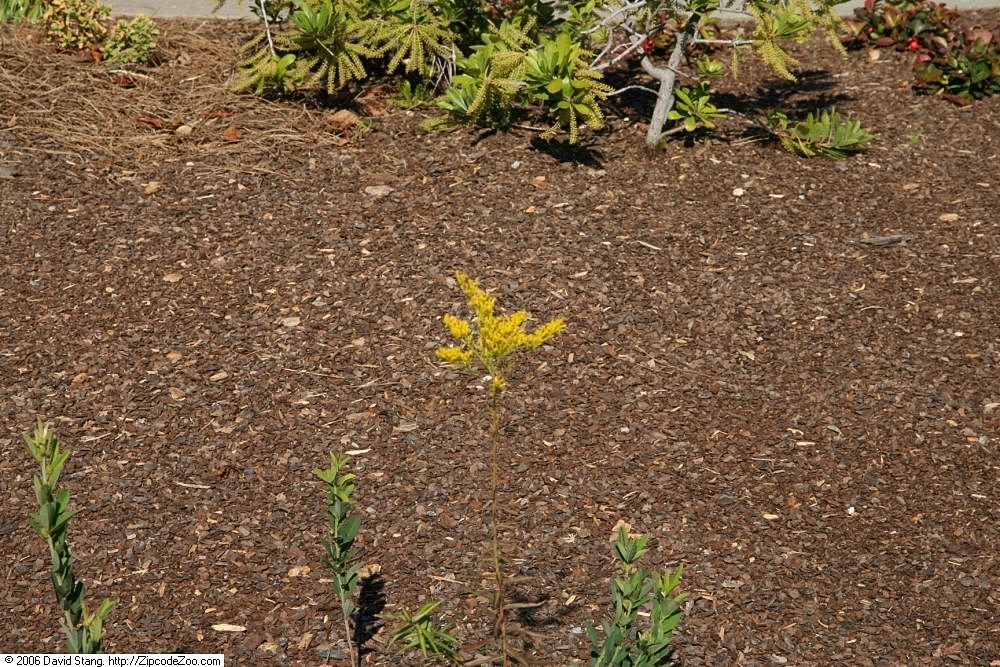
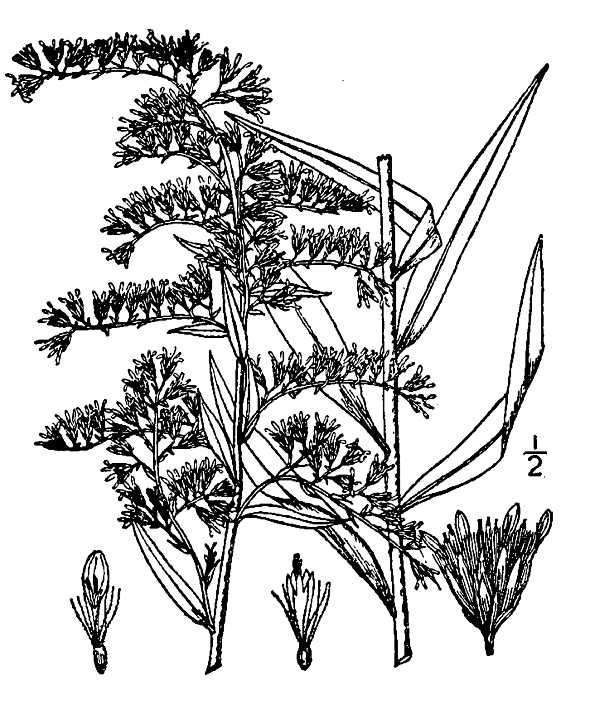
Anise-scented goldenrod, also called sweet goldenrod, is a well-mannered goldenrod, 2 to 4 feet tall, with airy sprays of yellow flowers in fall and a party trick no other goldenrod can match: crush a leaf and smell licorice. The anise scent comes from the foliage, not just the flowers, so the plant earns its spot near a path or a seating area, where visitors can brush against it and discover the scent for themselves. The flowers are lighter and airier than the dense plumes of Canada goldenrod, more like a golden haze than a golden wand.
Unlike its running cousins, anise-scented goldenrod forms neat clumps that stay where you put them, which is why it is the goldenrod for a sunny border, a cottage-style native garden, or a meadow edge where you want fall color without a takeover. It grows in open woods and sandy soils in the wild, and it brings that easy, open-woods character into the garden: sunny, sandy, and unbothered.
Why this variety
Choose anise-scented goldenrod when you want goldenrod without the reputation. It does not run, it does not flop as badly as taller species, and it does not cause hay fever, since its pollen is insect-carried, not windblown. It also makes a pleasant tea from the leaves, a traditional use that gardeners still enjoy, though this guide does not prescribe medicinal uses and you should research any tea use yourself before trying it.
It is also a sensory plant, and sensory plants are what make a garden memorable: a goldenrod you can smell as well as see, in fall, when the garden needs both color and fragrance. Plant it near a bench, and the garden will do the rest.
How to grow
Plant in spring in full sun and well-drained sandy soil, spacing 18 to 24 inches apart. It asks for nothing beyond full sun, and it is one of the easiest goldenrods to grow in Florida’s sandy soils. Deadhead spent blooms to keep it tidy and limit reseeding, though it is not aggressive. Sow seed in fall or cold-stratify for a few weeks before spring sowing, or divide clumps in spring.
Florida note: anise-scented goldenrod is a Florida native of sandy, open ground, and it is a genuine Florida plant for sunny borders statewide in its zone range. It thrives in Florida sand, tolerates drought once established, and gives fall color without the running habit that makes gardeners wary of goldenrod. If you have been avoiding goldenrod because of Canada goldenrod’s reputation, this is the species that will change your mind.
Water & feeding
Water to establish, then sparingly. Anise-scented goldenrod is drought-tolerant once rooted in sandy soil and needs no supplemental water in most Florida gardens. Do not fertilize; lean, sandy soil suits it, and rich soil makes it flop.
Common problems
Flopping in rich soil or shade: full sun and lean, sandy soil keep it upright.
Self-seeding: light, not aggressive. Deadhead if you do not want seedlings.
Too wet: it wants well-drained sand, not a bog. Give it drainage.
Hay fever blame: goldenrod does not cause hay fever. Ragweed does.
Harvest
The harvest is scent and color: cut sprays for fall bouquets, crush a leaf for the anise scent, and, if you choose to, make leaf tea, researching the traditional use yourself first. The plant’s ecological harvest is late-season nectar for bees and butterflies, from a clump that stays put. Divide clumps in spring to share.
Browse all plant & pest guides
Saving seeds
Anise-scented goldenrod (Solidago odora, also called sweet goldenrod) makes seed the way all goldenrods do: in a cloud of tiny, fluffy fruits that are engineered to catch the wind and leave. That means the seed saver’s main skill is timing. After the yellow plumes fade, the heads turn to dry, feathery seed — and if you wait for them to look fully finished, half your crop will already be drifting over the fence. Check the heads as they dry, and either slip a paper bag over a head before it fluffs out or cut the whole stalk into a bag while the seed is dry but still attached. A dry day is essential; wet seedheads clump, mold, and refuse to thresh cleanly.
Let the cut heads finish drying indoors in the open bag for a week or so, then rub them gently over a tray and winnow away the fluff and chaff. The seed itself is very small, and like anise hyssop seed, it does not demand perfect cleaning — a little chaff in the packet is harmless. Store it cool, dark, and dry, airtight with a desiccant packet if you are in Florida, where summer humidity will quietly undo a winter’s worth of careful drying.
Goldenrod seed carries a dormancy lock that keeps it from sprouting in fall and then freezing as a seedling, and you have to pick that lock before sowing. The usual method is cold, moist stratification — sources generally point to roughly thirty to sixty days in the fridge, sealed in a bag with a damp paper towel — or winter sowing outdoors in a container in January, letting real cold and the slow turn of the season do the work. In Florida, where a reliable month or two of cold cannot be counted on, the fridge method is the honest recommendation. When sowing time comes, surface sow: press the seed onto moist mix and do not bury it, since light helps germination, keep it moist, and expect sprouts within a couple of weeks once warmth arrives. Grow seedlings on in pots for their first winter if they are small going into cold weather, and plant out in spring or early summer.
Two warnings, both about identity. First, goldenrods cross with nearby goldenrods, and bees do not check Latin names before visiting. If other goldenrod species are blooming near your sweet goldenrod, some seedlings may be hybrids, so label saved seed honestly and do not hand mixed seedlings to a friend as pure Solidago odora. If you want an exact copy of your plant, divide the clump in spring or fall instead — and here sweet goldenrod is unusually well-behaved, since unlike its running cousins it does not spread by rhizomes, so division is a simple clump split, not a containment operation. Second, leave some heads standing. The seed you do not collect feeds birds through the lean months, and a goldenrod left a little wild is doing the ecological work you planted it for. Save seed from a few stalks, leave the rest for the birds, and everybody eats.