
🌴 Coontie
What it looks like
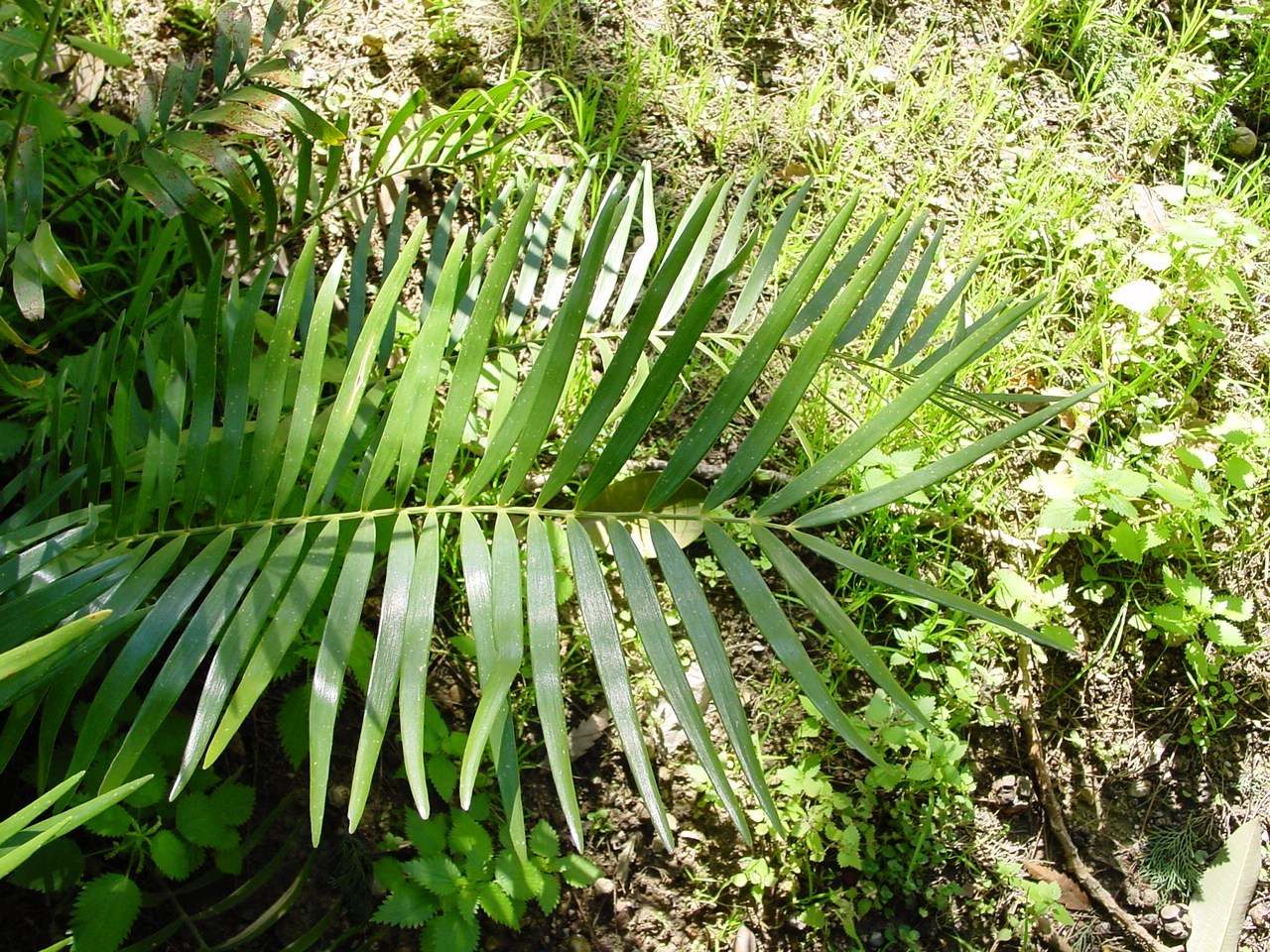
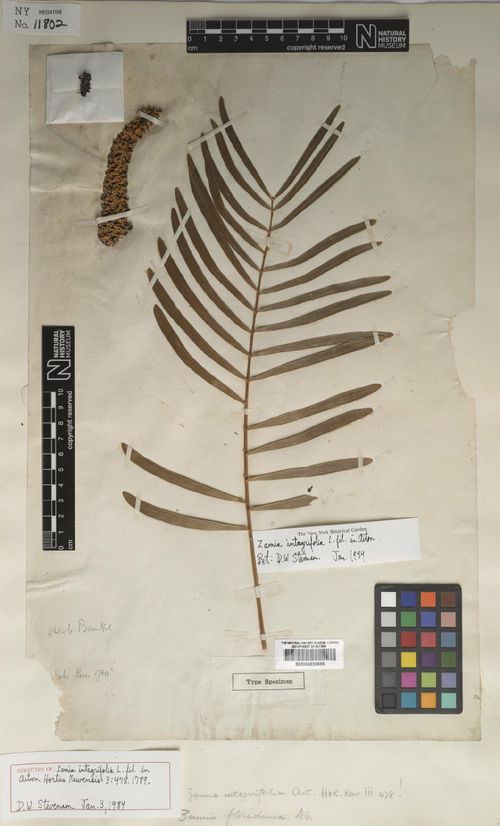
Coontie is a living fossil in a foundation bed. It is Florida’s only native cycad, a slow-growing evergreen, 2 to 3 feet tall and 3 to 5 feet wide, with feathery, fern-like fronds rising from an underground stem, and it looks like a small palm that decided to stay low and elegant instead of growing tall. The fronds are stiff, glossy, and divided into many narrow leaflets, and the plant as a whole reads as texture: a low, mounding, architectural accent that pairs with flowering natives without competing with them.
It is also a plant with a dramatic history. In the 1800s and early 1900s it was nearly harvested out of existence when factories processed tons of its starchy underground stems into flour, called Florida arrowroot, every day, and it was the atala butterfly, whose caterpillars feed exclusively on coontie, that helped bring it back into gardens: plant coontie in mass plantings, and the once-nearly-extinct atala may find you within a season or two, a recovery story that is still unfolding in South Florida.
Why this variety
Choose coontie when you want a native evergreen that is also a butterfly host, and when you are patient. It is slow, it dislikes being moved once its deep taproot settles, and it grows very slowly from seed, with germination taking months, but once established it is remarkably tough, drought-tolerant, and almost carefree, needing nothing beyond removing old dead fronds. It is a foundation planting, a border accent, a container plant, and a mass groundcover, all in one low, feathery package.
The atala connection is the reason many gardeners plant it, and it is a real, documented relationship: coontie is the only host plant for the atala butterfly, and mass plantings have helped the atala rebound. If you plant coontie, plant it in a mass, not as a single specimen, because atala butterflies find masses, and because a mass of coontie looks better than a lone plant anyway.
How to grow
Plant in spring in well-drained sandy soil in sun to part shade, spacing 3 to 5 feet apart, and give it room, because it dislikes being moved once the deep taproot settles in. Water until established, then water sparingly; after that it is remarkably tough and drought-tolerant, needing almost no care beyond removing old dead fronds. Plant it in masses as a low groundcover, use it as a textural accent among flowering natives, or grow it in a container, where its slow growth is an advantage, not a flaw.
Florida note: coontie is a Florida native statewide in its zone range, and it is a genuine Florida original, not an import. Never dig plants from the wild, which is illegal; buy nursery-grown plants from a reputable native nursery, and plant them where they can stay, because coontie resents transplanting. In a Florida garden, it is the evergreen backbone that makes a native border look intentional all year, even when nothing is flowering.
Water & feeding
Water until established, then sparingly. Coontie is drought-tolerant once rooted in well-drained sand and needs almost no supplemental water in most Florida gardens. Do not overwater or plant in soggy soil, which rots the underground stem. No fertilizer needed; lean, sandy soil suits it.
Common problems
Slow growth: coontie is slow by nature. Do not expect a full plant in one season; expect a plant that will outlive you if you let it.
Transplant shock: it dislikes being moved once the taproot settles. Plant it where it will stay, and do not move it casually.
Soggy soil: well-drained sand is essential. Wet feet rot the stem.
Atala caterpillars eating fronds: this is not a problem, it is the point. Atala caterpillars feed on coontie leaves and the plant recovers; do not spray them.
Harvest
No food harvest, and do not try to make arrowroot flour from garden coontie: the historical flour required processing to remove toxins, and garden plants should be left as ornamentals and butterfly hosts. The harvest is fronds and butterflies: remove old dead fronds to keep the plant tidy, leave healthy fronds for atala caterpillars, and enjoy a slow, evergreen native that will be in your garden for decades. For propagation, remove the fleshy orange coating from ripe seeds before sowing and be patient, since germination takes months, or divide established plants by separating offsets from the underground stem.
Saving seeds
Stop and read this first, because coontie seed is not a snack, a craft supply, or a casual handful of beans to pass around the neighborhood. Every part of coontie is poisonous, and the seeds carry the highest risk: they contain cycasin, a toxin that can cause serious illness in people and pets. Wear gloves when you handle cones or seeds, wash your hands afterward, keep every seed out of reach of children and pets, and never eat a coontie seed or try to make flour from a garden plant. The historical Florida arrowroot flour required a long, careful leaching process, and it is not a home kitchen project.
Coontie is also a plant with a past worth respecting. It was dug from the wild so heavily for starch that wild populations paid the price, and the rule in this guide still stands: buy nursery-grown plants, never wild-dug ones. Saving seed from your own nursery-grown garden plant is the honest opposite of wild-digging.
First, the biology that decides whether you get seed at all. Coontie is dioecious, which is the nerdy way of saying individual plants are male or female, and only female plants make cones full of seeds. A lone female with no male nearby, and no pollinating beetles doing their ancient commute between cones, may make a cone that never fills with viable seed. If your plant has never produced a fat, seed-bearing cone, it is a plant waiting for a partner and a pollinator, not a failure on your part.
When a female cone does ripen, it breaks apart and reveals seeds in fleshy orange-red coats, usually in warm weather. Collect them promptly, gloves on, and clean off every bit of that fleshy coat, because the coat itself inhibits germination and rots messily if left on. A soak in water for a day or so helps loosen the last of the pulp; wash the seeds clean and sow them fresh. Coontie seed does not like long storage, and a jar of last year’s seed kept on a shelf is a jar of disappointment with a label on it. If you must hold seed briefly, keep it cool, dry, and clearly labeled as poisonous, never mixed in with edible seeds or anywhere a child might browse.
Sow in a very well-drained, sandy mix, barely covered, kept lightly moist and warm, and then settle in for the part nobody puts on the seed packet. Germination takes months, and sources vary on just how many, with some seed taking far longer than the rest of the batch. That uneven, slow start is normal cycad behavior, not a sign you did it wrong. The first growth is small, a few short leaves at most, and a seedling takes years to look like the coontie in your foundation bed.
Seedlings of the species are coontie, full stop, but they are not clones of the parent. Coontie is a famously variable species, so seedlings differ a little in leaf size, color, and vigor. If you want an exact copy of a particular plant, offsets are the faster, truer route: established plants form offsets at the underground stem, and a carefully separated offset roots into a plant identical to its parent. Seed is for patience and variety; offsets are for certainty. Either way, Florida humidity is your enemy in storage and in the seed tray: dry seed surfaces thoroughly, give the mix air, and never let a tray sit soggy, or mold will finish what your impatience started.
Varieties
No named varieties of coontie are documented for gardens; gardeners buy the species, Zamia integrifolia, nursery-grown, never wild-dug. Related cycads such as Dioon and Ceratozamia have their own growing guides, but they are different genera, not varieties of coontie.