
🌺 Tahitian Butternut Squash
What it looks like
Why this variety
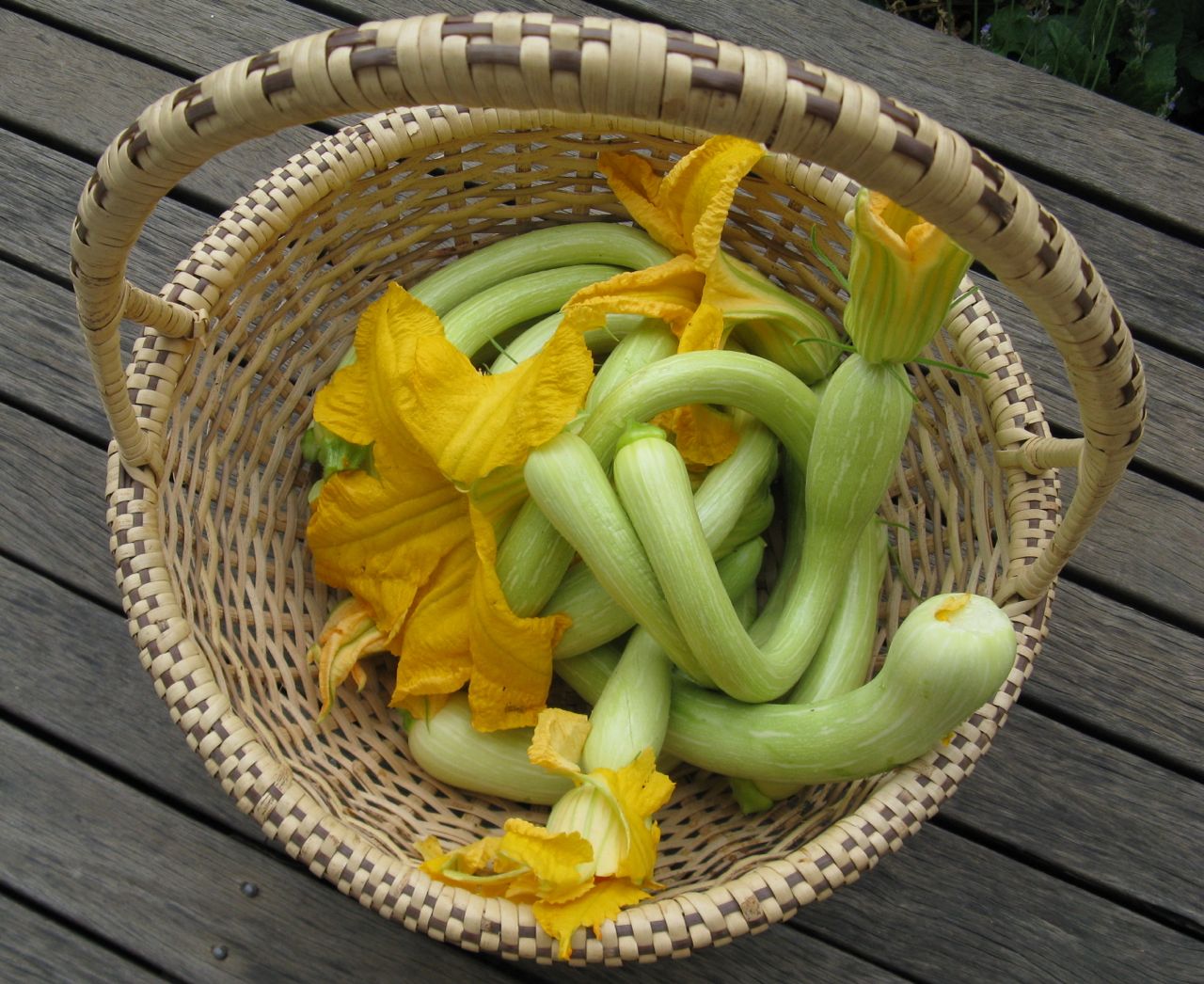
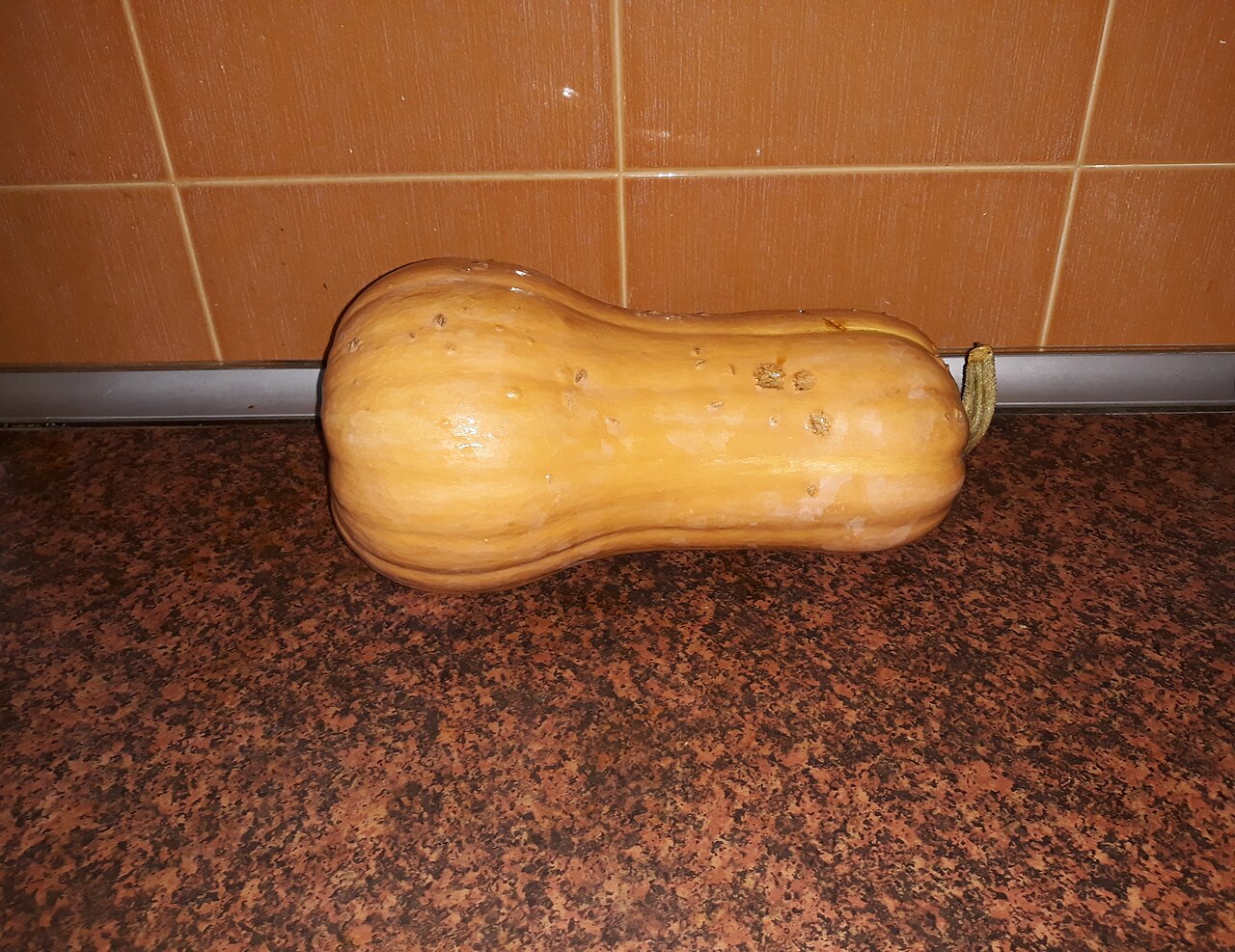
Tahitian, sometimes called Tahitian Melon Squash, is a butternut taken to its logical extreme: a vigorous, heat-loving moschata heirloom with a very long, curved neck and a bulbous seed end, 24-36 inches long and 12-20 pounds, with an extra-long neck that is solid flesh and no seeds except in the bottom cavity. It is prized for having one of the highest sugar contents of any butternut, and it stores exceptionally well.
As a moschata, it carries the traits that matter most in a warm, humid garden: solid stems that resist vine borers far better than hollow pepo stems, heat tolerance that keeps it growing when other winter squash stall, and a long season it can actually use, since warm climates give it the 120 days it needs. Plant it early and give it room, and it repays with squash by the wheelbarrow.
How to grow
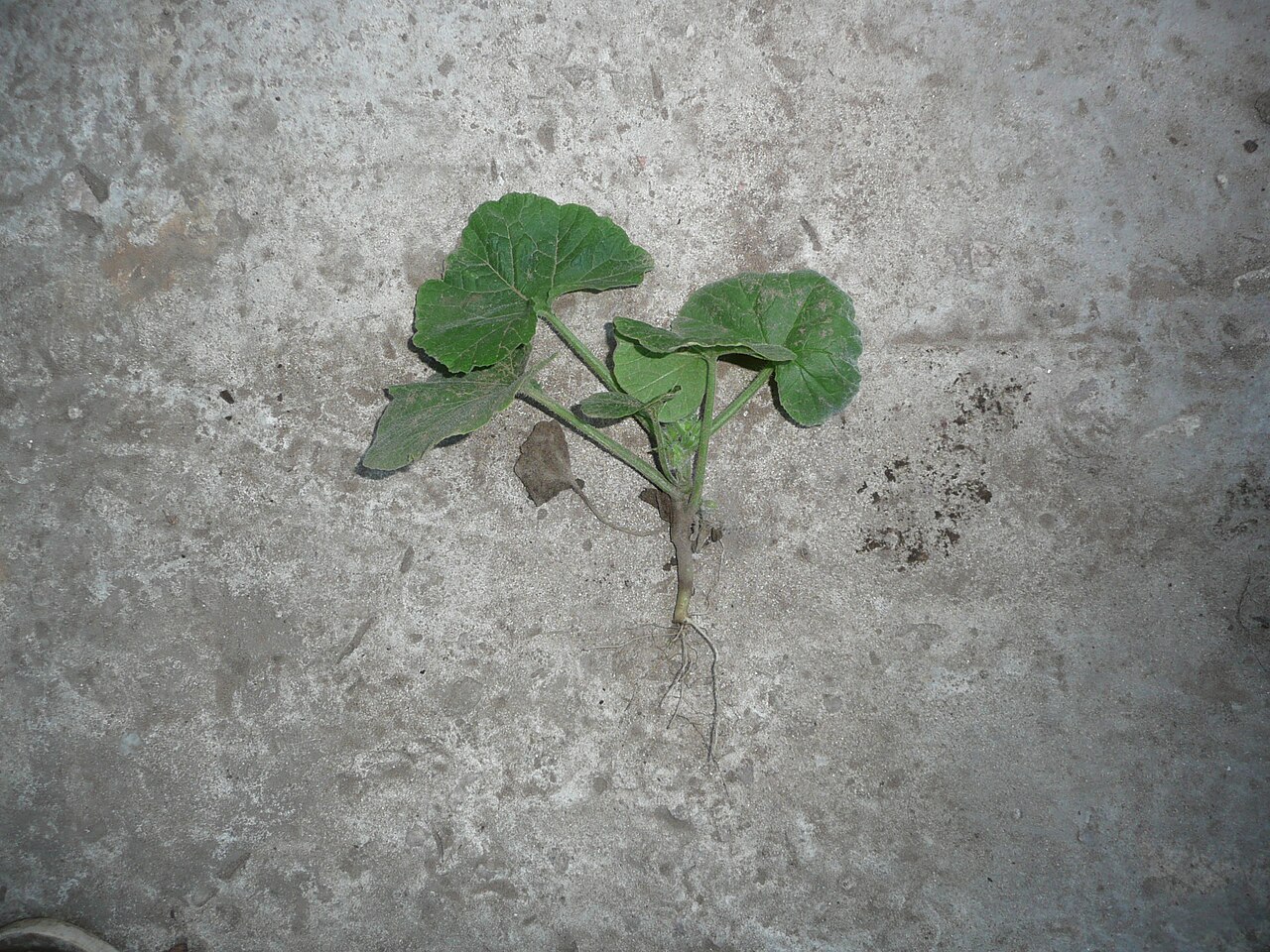
Direct-sow in warm soil in hills with generous spacing, or start indoors and transplant young. Tahitian vines are vigorous and long, so plan for a large bed or a fence line, and do not plant it where it will swallow its neighbors by August.
Feed heavily with compost and castings before planting and side-dress when vines run: a 20-pound squash is built from sunlight, water, and soil fertility, and a starved vine makes a long neck with nothing in it. Mulch thickly to hold moisture in sandy soil.
Water & feeding
Deep watering at the base, 1-2 inches a week, tapering as fruit matures so rinds harden. Moschata vines drink heavily in heat, so a deep soak beats a daily sprinkle, and morning watering keeps the big leaves dry enough to slow mildew.
Common problems
The long season is the risk: a 120-day squash planted late may not finish before a cold snap, so count backward from your expected first cool weather and plant with margin. In warm zones with a long fall, a late-summer planting for fall harvest is often the safer bet.
- Squash vine borer (Melittia cucurbitae – plant suddenly wilts despite wet soil): slit the stem, remove the grub, bury the stem section; row cover until flowering prevents egg-laying. Moschata types, with solid stems, shrug this pest off far better than pepo types.
- Pickleworm and melonworm (caterpillars boring into fruit and flowers, a warm-climate specialty): scout blossoms and young fruit, hand-pick, and cover young fruit where practical; fall plantings often dodge the worst of the summer pressure.
- Powdery mildew (white dusty coating): improve airflow, water at the base, remove the worst leaves; give vines room instead of letting them pile into a damp mat.
- Rot in storage: only store fruit with a hard rind, a dry corky stem, and no nicks; cure 10-14 days warm and dry first, and check stored fruit regularly.
Harvest
Harvest when the rind is hard and fully colored, the stem is dry and corky, about 120 days from seed, before frost. Cut with a long stem, cure 1-2 weeks warm and dry, and store cool: properly cured Tahitian keeps for months and sweetens as it sits.
For the crop in general, see the Winter Squash growing guide. Browse all plant & pest guides.
Saving seeds
Tahitian, sometimes called Tahitian Melon Squash, is a butternut taken to its logical extreme: a vigorous, heat-loving moschata heirloom with a very long, curved neck and a bulbous seed end, 24-36 inches long and 12-20 pounds, with an extra-long neck that is solid flesh and no seeds except in the bottom cavity. It is prized for having one of the highest sugar contents of any butternut, and it stores exceptionally well. As a moschata, it carries the traits that matter most in a warm, humid garden: solid stems that resist vine borers far better than hollow pepo stems, heat tolerance that keeps it growing when other winter squash stall, and a long season it can actually use, since warm climates give it the 120 days it needs. Plant it early and give it room, and it repays with squash by the wheelbarrow. As an open-pollinated moschata heirloom it comes true from seed, with the usual squash caution: moschata types cross with other Cucurbita moschata varieties, so keep seed plants isolated from other butternuts and pumpkins of the same species in flower. Direct-sow in warm soil in hills with generous spacing, or start indoors and transplant young. Tahitian vines are vigorous and long, so plan for a large bed or a fence line, and do not plant it where it will swallow its neighbors by August. Feed heavily with compost and castings before planting and side-dress when vines run: a 20-pound squash is built from sunlight, water, and soil fertility, and a starved vine makes a long neck with nothing in it. Mulch thickly to hold moisture in sandy soil. In Florida, Tahitian is one of the best winter squash for the state — its moschata borer resistance and heat tolerance are exactly what Florida demands, and its 120-day season fits the long warm window. The full method is in the Saving seeds section of the Winter Squash guide.