
🫘 Crimson Flowered Fava Bean
What it looks like
Why this variety
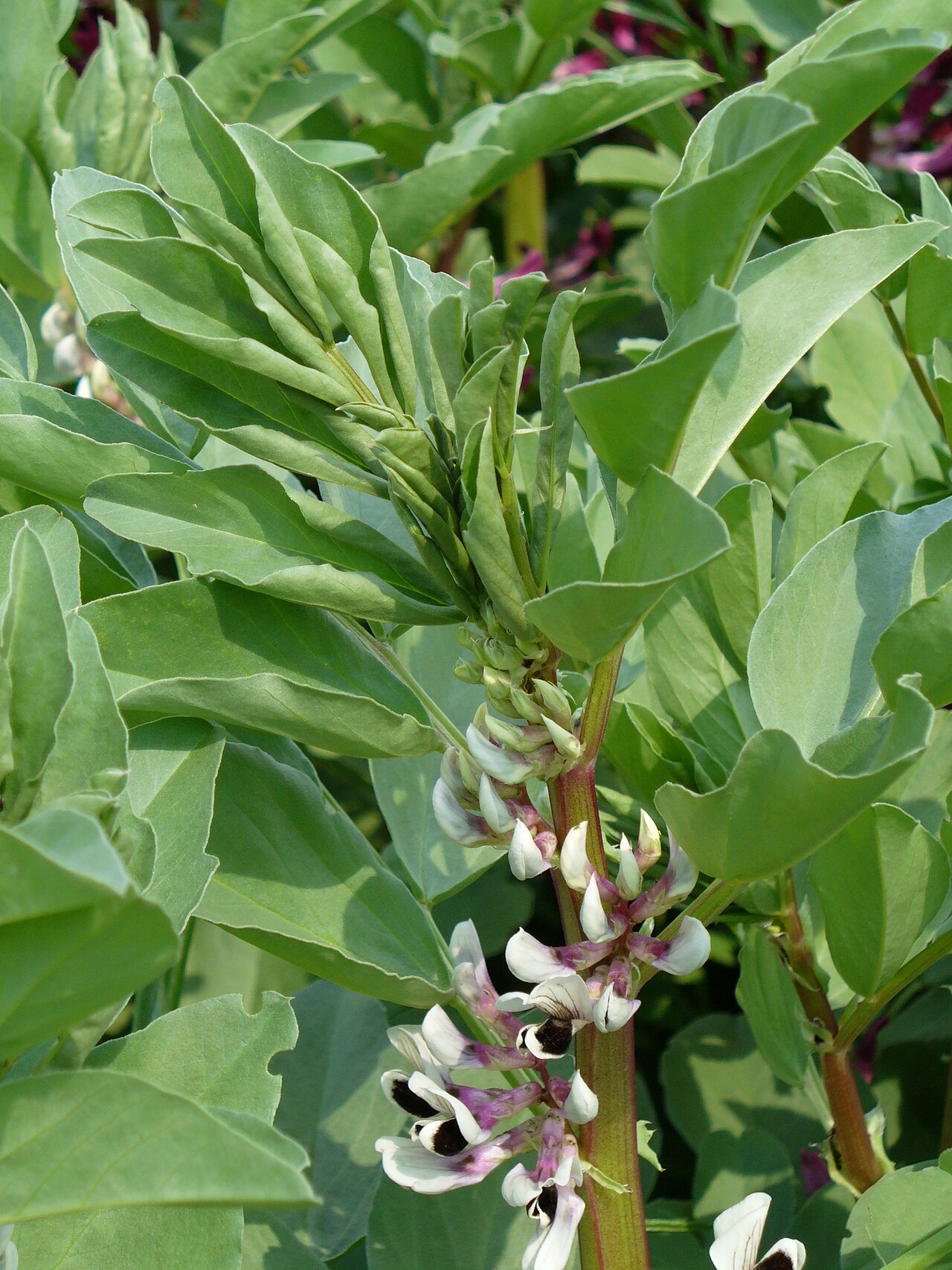
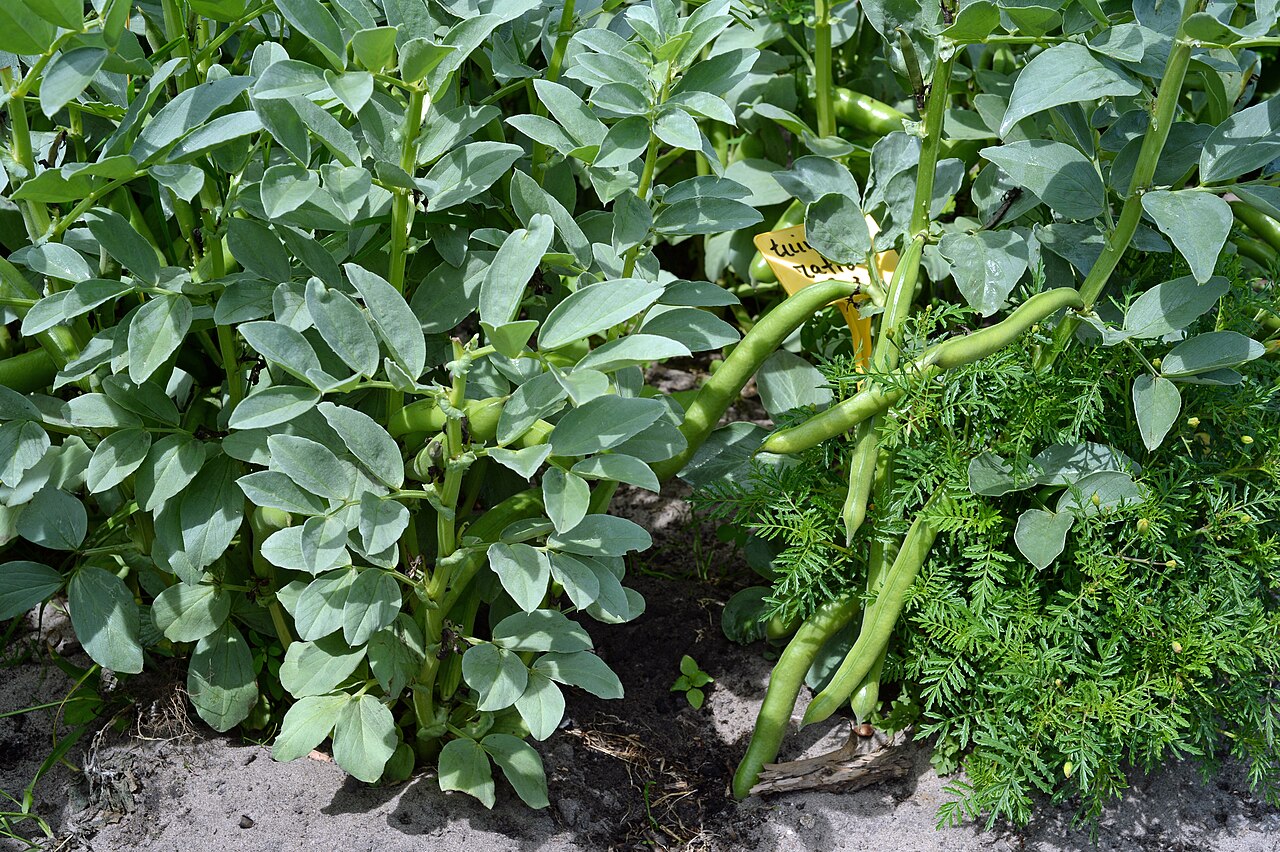
Crimson Flowered is the fava that makes gardeners stop and stare: instead of the usual white flowers with a black spot, it opens in magenta — vivid, crimson-pink blooms that attract pollinators, including sphinx moths, and turn a vegetable row into an ornamental border. It is an old heirloom, a large-seeded broad bean type, and it proves the point that a vegetable garden can be beautiful without sacrificing a single meal, because behind those flowers come thick, waxy pods full of sweet, edible seeds.
The beans themselves dry to a bright green hue and cook up sweet and nutty, good fresh-shelled or dried, and the plants are fast-growing and stout, needing minimal support. As a nitrogen-fixing cover crop it is equally useful: mow it after flowering and the fixed nitrogen stays in the soil for the next crop. Beauty, beans, and soil improvement off one sowing — the rare variety that earns its place three ways.
If you are new to choosing between cultivars, the Varieties Matter guide explains why the name after the plant matters as much as the plant itself. And if you want the whole clan at a glance, the broader Fava Bean guide covers fava beans generally.
How to grow
Sow Crimson Flowered directly in cool soil, seeds about an inch deep and 6 to 8 inches apart in rows 24 inches apart, in full sun and fertile, well-drained soil. Favas are cool-season plants that shut down in heat, so in Florida this is a fall-sown, winter-harvested crop: sow in fall, let plants grow through the cool months, and harvest in late winter or spring, about 90 days for a spring crop. Soaking seeds 12 to 24 hours before sowing speeds germination, which takes a week or two in cool soil.
Pinch off the top couple of inches once plants start flowering to encourage bushier growth and to discourage blackfly, which colonizes soft tips first. Water steadily, mulch, and give plants full sun — favas in shade grow leggy and set fewer pods. Stout plants need minimal support, but a simple string line or low fence helps in wind, and Florida’s winter storms are no gentler than spring ones.
Water & feeding
Steady water, about an inch a week, at soil level, through flowering and pod fill — favas are thirsty while pods swell, and drought then makes small, tough beans. Mulch to hold moisture in sandy soil and work worm castings in at sowing. Skip nitrogen fertilizer; favas fix their own, and the whole point of growing a legume cover crop is the nitrogen it leaves behind, not the nitrogen you pour on top of it.
Common problems
Blackfly is the classic fava pest, colonizing growing tips — pinch tips at flowering, hose off colonies, and encourage ladybugs, which treat blackfly as a buffet. Chocolate spot and rust appear in wet, crowded conditions, so space for airflow and water at the base. Root-knot nematodes can trouble favas in sandy soil; rotate beds. One safety note: a small number of people have favism, a genetic condition that makes fava beans — including pollen — dangerous to them, so if anyone in your household has it, grow this one for the flowers and the soil, not the table.
Harvest
Pick pods when they are plump, glossy, and bright green for fresh shell beans, about 90 days after sowing in spring, working from the lowest pods upward since those set first. Shell fresh and cook promptly — fresh favas are a different vegetable from dried ones, sweet and tender. For dry beans, leave pods until they turn brown, dry, and crunchy on the plant, then shell and cure fully before jarring. Young shoots and very young pods are also edible, a bonus harvest most gardeners overlook.
Nerdy fact: Crimson Flowered’s magenta blooms attract sphinx moths among other pollinators, which is unusual enough to notice — most fava flowers are white with a black spot and bee-pollinated, while this heirloom’s crimson flowers turn the row into a moth garden at dusk, feeding pollinators and the gardener in the same season.
Saving seeds
Crimson Flowered is an old heirloom fava bean, so it comes true from seed — save seed from your best pods and let it dry fully before storing. The full method is in the Saving seeds section of the Fava Bean guide.