
🍉 Kleckley Sweet Watermelon
What it looks like
Why this variety
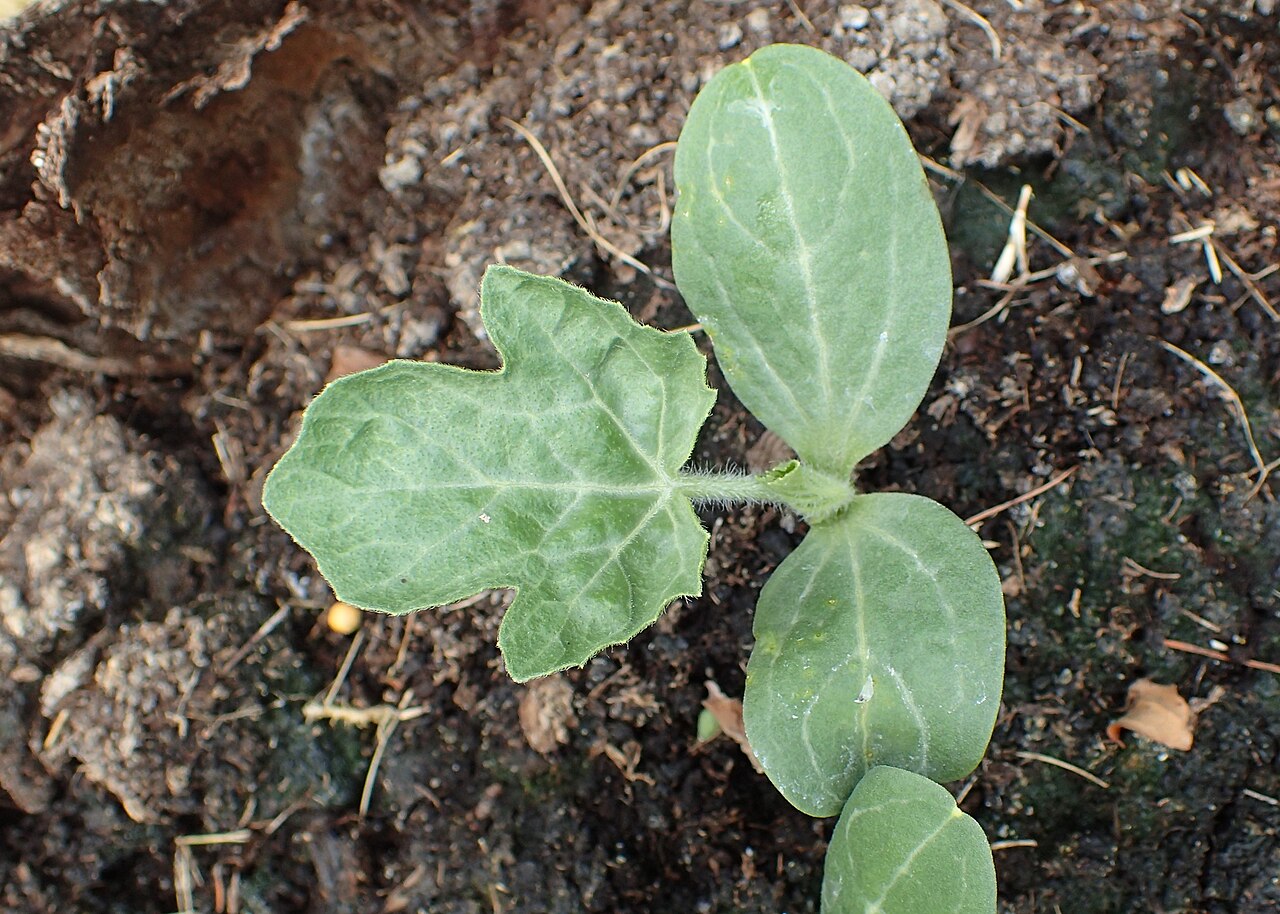
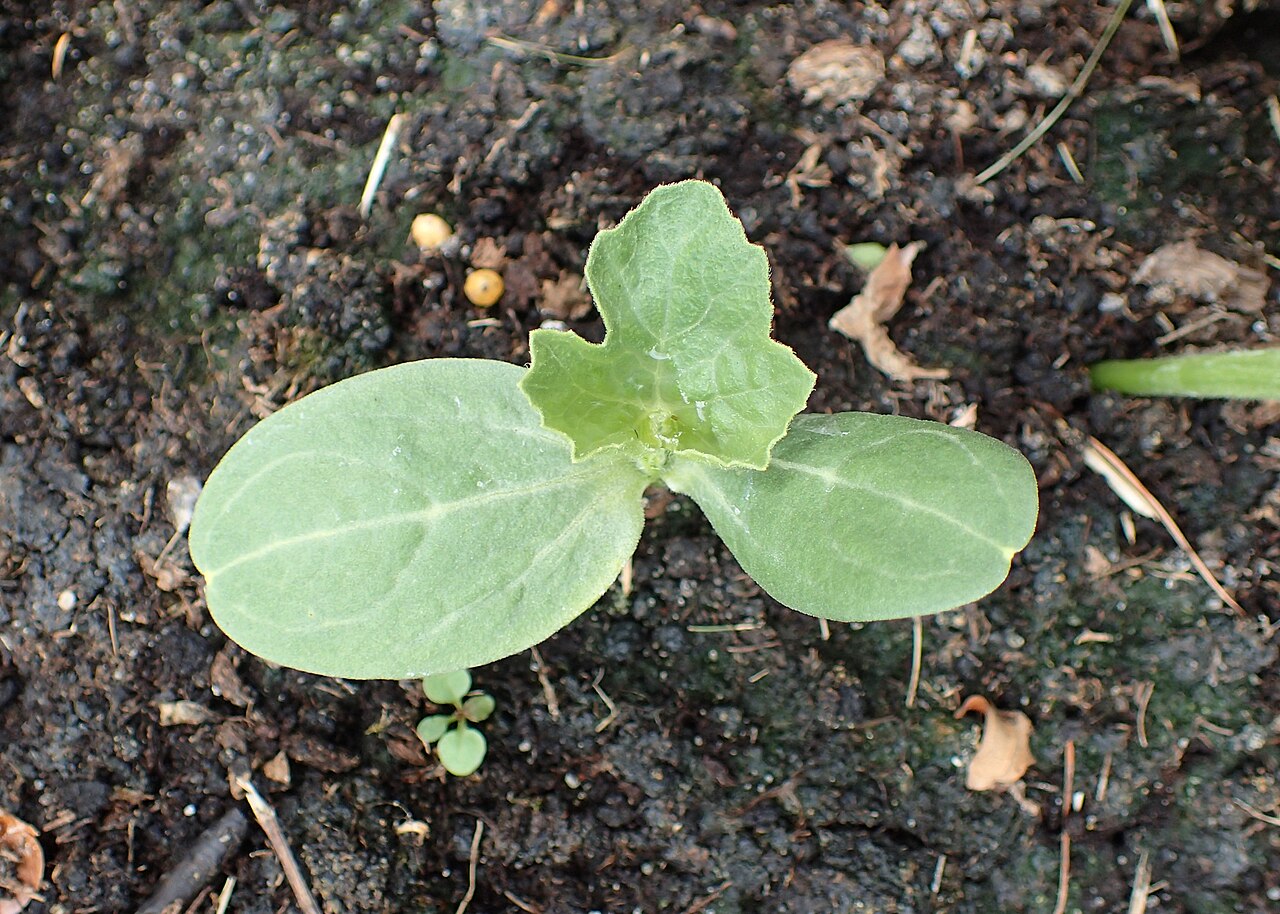
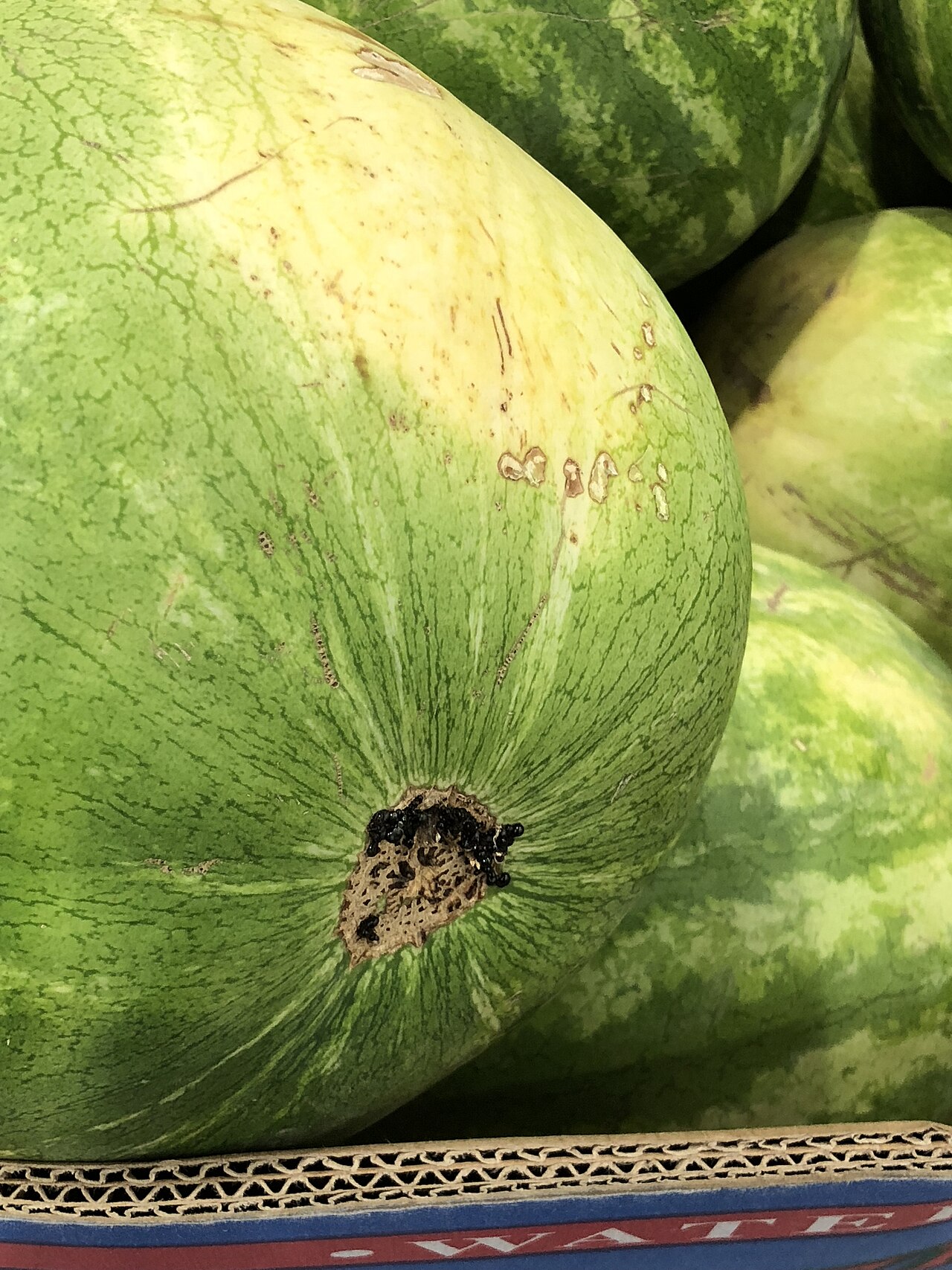
Kleckley Sweet was developed by Alabama grower W. A. Kleckley in 1887 by crossing Boss and Arkansas Traveler, and introduced by Burpee in 1897. It grows 25 to 40 pounds of oblong, dark-green-striped melon with sweet, tender red flesh and a famously thin rind — thin enough that old catalogs warned it was not a shipping melon, which is another way of saying it was bred for people who eat watermelon where it grew.
In Florida, Kleckley Sweet is an earlier-maturing choice among the big heirlooms at about 85 days, which helps it beat some of the late-season disease and pest pressure. The thin rind is the trade: handle fruit gently, do not drop it, and harvest by the ground spot and tendril rather than by thumping alone, because a thin-rinded melon bruises if you treat it like a bowling ball. The payoff is flesh that old Southern growers called the sweetest they had ever tasted.
How to grow
Direct sow after the soil hits 70°F or warmer — watermelons germinate in heat or not at all. Plant about 1 inch deep in hills (3 to 4 seeds per hill, thin to the 2 strongest plants), or start indoors 3 to 4 weeks early in peat pots, because watermelons hate root disturbance. Black plastic mulch warms the soil, suppresses weeds, and keeps the fruit clean in Florida’s sandy beds.
Watermelons are space-hungry: plan for vines 10 feet or more, and do not crowd them, because crowded vines stay wet, and wet vines get disease. Row cover until flowering keeps cucumber beetles off young plants — they vector bacterial wilt, which has no cure — then remove it so bees can reach the flowers. Rotate beds: never follow melons, cucumbers, or squash with melons, because fusarium wilt builds up in warm soil and waits for the next crop.
Water & feeding
Deep, regular water during vine growth and fruit set — then TAPER OFF as fruit approaches ripeness. This is the single biggest flavor lever you have: a melon watered heavily right up to harvest tastes watery, while one tapered at the end concentrates its sugars. Mulch holds the even moisture that prevents cracking and blossom-end problems in Florida’s cycle of downpour and drought.
Feed at planting with worm castings worked into the hill, and side-dress at flowering. Too much nitrogen late in the season means lush vines and bland fruit — the plant version of studying for the wrong exam. A little potassium as fruit sizes helps sugars and rind quality.
Common problems
- Cucumber beetles: row cover until flowering; they vector bacterial wilt, which has no cure — prevention beats cure.
- Fusarium wilt: a soil fungus that yellows and collapses vines, worst in warm soil. Rotate beds for years, not months, and prefer resistant varieties where they exist.
- Anthracnose and gummy stem blight: leaf and fruit spots that love warm, wet weather. Airflow, mulch, base watering, and resistant varieties are the defense; remove badly spotted leaves rather than letting them rain spores onto fruit.
- Melonworm and pickleworm: Florida caterpillars that chew leaves and bore into fruit. Hand-pick, watch for frass, and use Bt early on young caterpillars.
- Poor fruit set: usually a lack of pollinators. Hand-pollinate with a paintbrush if bees are scarce — female flowers carry a tiny melon at the base.
Harvest
Ripe when the ground spot turns creamy yellow and the tendril nearest the stem dries; handle gently, the rind is thin. Harvest by the trio of signs, not by the calendar alone: a creamy-yellow ground spot where the melon sat, a dried tendril nearest the fruit, and a deep, hollow thump. One sign alone lies; all three together rarely do. Cut the stem, lift — do not drag — and chill the melon before cutting for the crispest flesh.
For the crop in general, see the Watermelon growing guide. Browse all plant & pest guides.
Saving seeds
Kleckley Sweet was developed by Alabama grower W. A. Kleckley in 1887 by crossing Boss and Arkansas Traveler, and introduced by Burpee in 1897, growing 25 to 40 pounds of oblong, dark-green-striped melon with sweet, tender red flesh, so saved seed comes true — direct sow after the soil hits 70°F or warmer, about 1 inch deep in hills, and plan for vines 10 feet or more. The full method is in the Saving seeds section of the Watermelon guide.