
🌿 Moskovsky Semko Anise
What it looks like
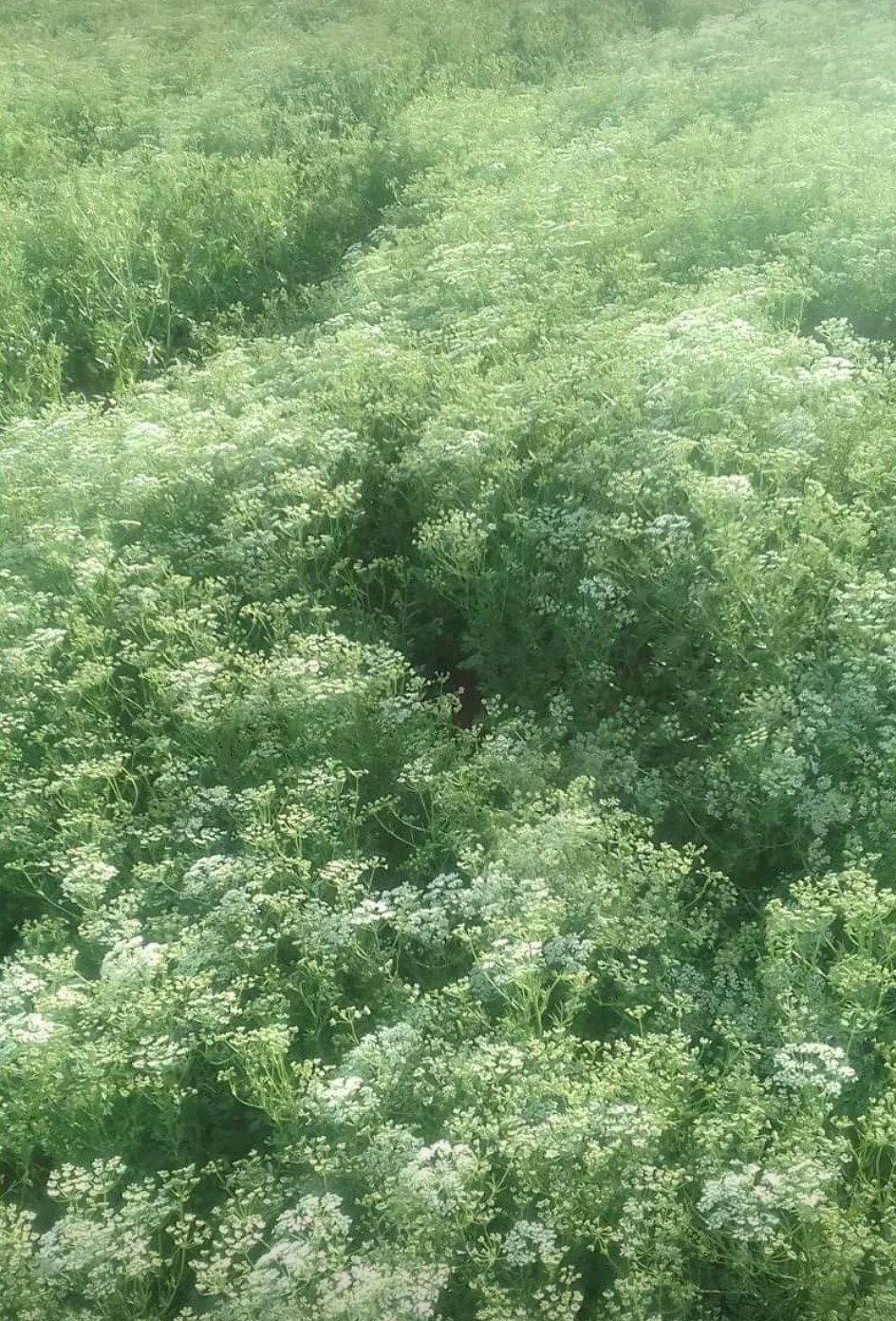

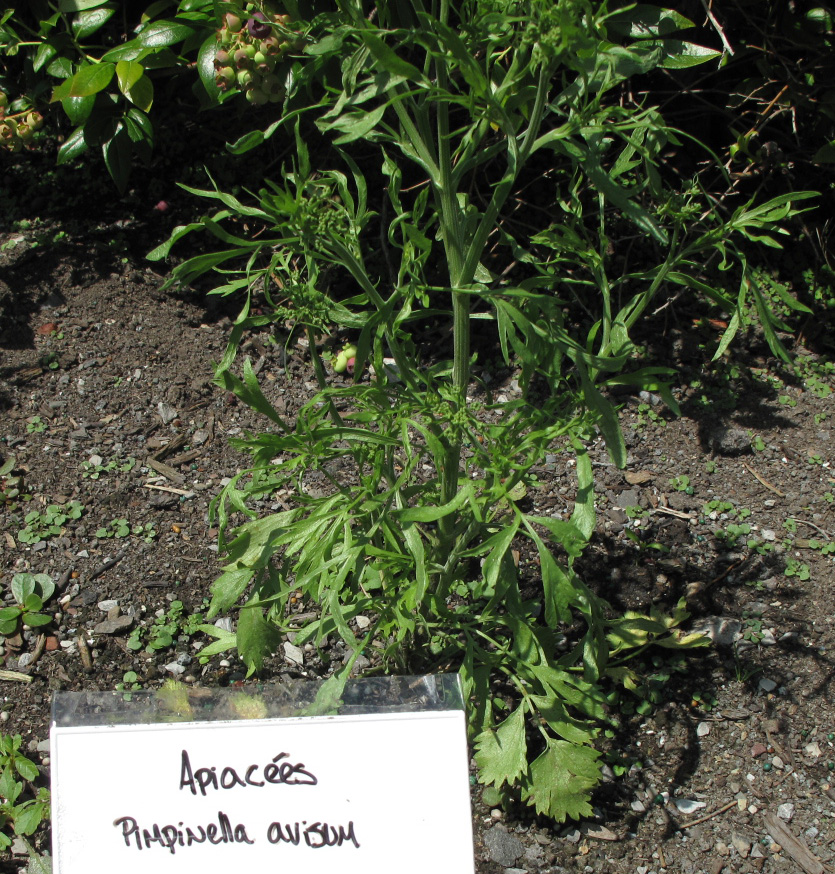
Photos show the species, since no cultivar-specific photo verified for this variety — the species photos above are already hosted on this site and attributed as on the species guide.
Why this variety
Moskovsky Semko is listed alongside Alekseevsky 38 among the food varieties of anise for garden plots — a named variety from Russian selection work, released for growers who want anise for the kitchen rather than the still. In a crop where seed packets usually say only ‘anise,’ a name with a recorded history is genuinely useful.
Growing notes for Moskovsky Semko follow the species: a long, warm season, slow germination, and seed that ripens unevenly and shatters if you dawdle. Florida gardeners should read that as fall-sow, finish before summer rains, and celebrate any jar of homegrown seed as a win rather than an entitlement.
How to grow
Direct-sow where it will grow, about 1/4 inch deep, in a well-drained bed at the hero spacing. Anise grows a taproot and resents moving, so sow in place and thin gently rather than transplanting. Seed germinates slowly — expect 10 to 21 days — so keep the seed zone evenly moist and do not let it crust over.
In Florida, sow in fall and let the long season run into warm spring: anise needs 120 to 130 days of growth with real warmth at the end to ripen seed. Summer rain falling on ripening umbels is the enemy — it encourages mold and shattering — so a fall sowing that finishes before the summer rains is the honest Florida strategy, and even then, treat anise as a trial, not a promise.
Water & feeding
Water evenly while plants establish, then water at the base and avoid wetting the flower heads. Anise wants steady moisture, not a swamp, and Florida sand dries fast — mulch to hold even moisture without waterlogging.
Feed lightly: compost at planting and one modest side-dress is plenty. Heavy nitrogen grows tall, floppy stems that lodge at the first storm; anise needs to stand up to ripen its seed, and lean feeding helps it do that.
Common problems
- Slow germination — 10 to 21 days is normal; keep the seed zone moist and do not re-sow in panic
- Shattering — seed ripens unevenly and falls if you wait too long; harvest when umbels turn gray-brown, not after
- Mold on ripening seed — summer rain on umbels; fall sowing that finishes before the rains is the defense
- Aphids — cluster on flower heads; blast off with water or leave them for beneficials
Harvest
Cut seed heads when umbels turn gray-brown and seeds are firm, catching them in a paper bag before they shatter. Dry indoors in a warm, airy spot, then shake out and winnow the seed; store whole in a sealed jar.
Use Moskovsky Semko seed where anise belongs: biscotti, braised cabbage, pickled vegetables, and any bread that wants a licorice whisper rather than a shout. Young leaves, pinched at about six weeks, add a mild anise note to salads and fish while you wait for the seed.
Browse all plant & pest guides
Saving seeds
Moskovsky Semko is listed alongside Alekseevsky 38 among the food varieties of anise for garden plots — a named variety from Russian selection work, released for growers who want anise for the kitchen rather than the still. In a crop where seed packets usually say only ‘anise,’ a name with a recorded history is genuinely useful. As a named, seed-maintained variety it comes true from seed: direct-sow where it will grow, about 1/4 inch deep, in a well-drained bed — anise grows a taproot and resents moving, so sow in place and thin gently rather than transplanting. Seed germinates slowly — expect 10 to 21 days — and in Florida, sow in fall and let the long season run into warm spring. The full method is in the Saving seeds section of the Anise guide.