
🥬 Red Komatsuna
What it looks like
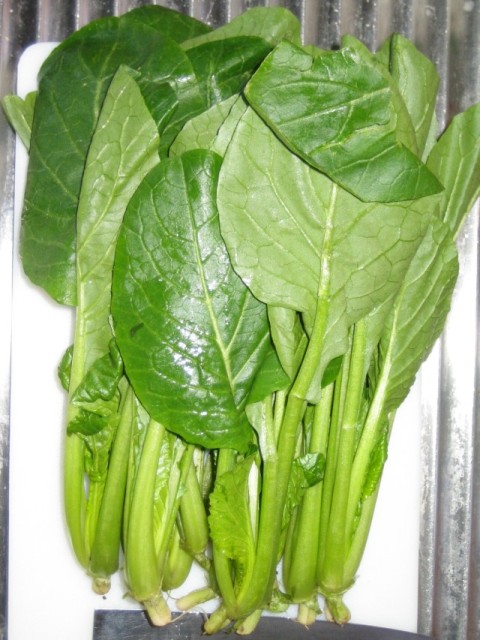
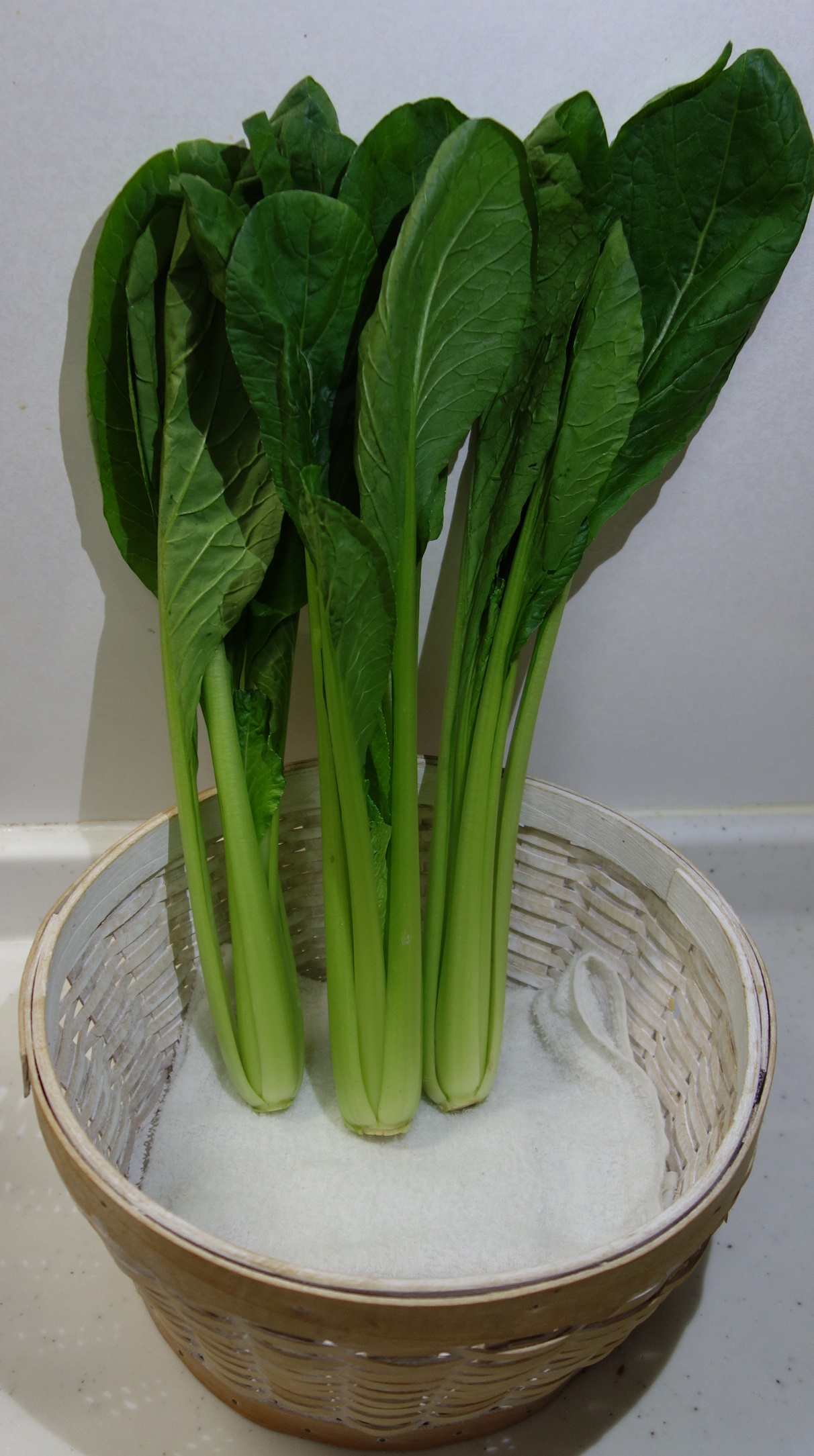
Photos show the species (Brassica rapa var. perviridis), since no cultivar-specific photo verified for this variety — the species photos above are already hosted on this site and attributed as on the species guide.
Why this variety
Red Komatsuna is komatsuna in color. Where Tendergreen, Summerfest, and Torasan — all already guided — are green komatsunas, this one brings broad, purple-red leaves with green undersides and red veins, and a mild mustard-spinach flavor that is tender at any size. It is the komatsuna for the salad bowl as much as the stir-fry pan: baby leaves at about 20 days for color in a mix, larger leaves at 30–39 days for cooking, all with the same mild, spinach-like character that makes komatsuna the calmest mustard green in the garden.
Komatsuna is often called mustard spinach, and the name is accurate in flavor terms: it tastes like spinach’s calmer cousin, mild where mustard is hot, tender where kale is tough. Red Komatsuna keeps that character and adds color, which is a genuine kitchen advantage — a green-and-red stir-fry needs no garnish, and a baby-leaf salad gets its red note from a leaf that actually tastes good, not just looks good.
How to grow
Sow from September through February in Florida, direct, in succession every two weeks. Komatsuna is a fast, cold-hardy green that germinates in 3–7 days in cool soil, so keep the seedbed moist and do not sow it in hot soil — Florida komatsuna is a cool-season crop, and the seed knows it. Thin to the hero spacing, though komatsuna tolerates dense baby-leaf sowing well.
Work compost and castings into sandy beds first, mulch lightly to hold moisture and keep leaves clean, and water evenly; komatsuna grown dry turns sharp, which wastes its best trait, which is mildness. Pick outer leaves and let the center regrow, or cut whole plants young — either way, succession sowing is how you keep a supply, since a fast green is also a fast-bolting green when warm days arrive.
Water & feeding
Water evenly and keep the bed moist; komatsuna leaves are tender and wilt fast when thirsty. Morning watering keeps leaves crisp for picking.
Feed lightly with compost at planting; komatsuna is a fast crop and heavy nitrogen grows soft leaves. A light side-dress only if growth stalls.
Common problems
- Flea beetles — pepper young leaves with shot-holes; row cover early.
- Cabbage worms and loopers — chew broad leaves; hand-pick or use Bt.
- Aphids — cluster on undersides; blast with water and let lady beetles work.
- Bolting in heat — komatsuna bolts when warm days arrive; harvest promptly and succession-sow.
Harvest
Cut baby leaves from about 20 days, or larger leaves at 30–39 days, picking outer leaves first so the center regrows, or cutting whole plants when they are full. Use baby leaves raw in salads, where the purple-red color shows, and larger leaves in stir-fries, soups, and steaming, where they cook in minutes and stay tender.
Komatsuna keeps a few days in the fridge in a bag; use it fresh for best color and flavor. If a plant bolts, the flower stalks are edible and mild, like a small broccoli raab — a consolation, not a crop, but a tasty one.
Browse all plant & pest guides
Saving seeds
Red Komatsuna is komatsuna in color. Where Tendergreen, Summerfest, and Torasan — all already guided — are green komatsunas, this one brings broad, purple-red leaves with green undersides and red veins, and a mild mustard-spinach flavor that is tender at any size. It is the komatsuna for the salad bowl as much as the stir-fry pan: baby leaves at about 20 days for color in a mix, larger leaves at 30–39 days for cooking, all with the same mild, spinach-like character that makes komatsuna the calmest mustard green in the garden. As an open-pollinated komatsuna it comes true from seed: sow from September through February in Florida, direct, in succession every two weeks. Komatsuna is a fast, cold-hardy green that germinates in 3–7 days in cool soil, so keep the seedbed moist and do not sow it in hot soil — Florida komatsuna is a cool-season crop, and the seed knows it. The full method is in the Saving seeds section of the Komatsuna guide.