
🥬 Green Boy Komatsuna
What it looks like
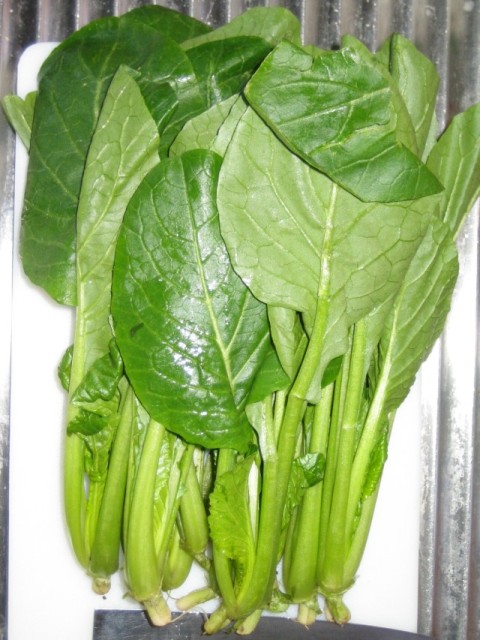
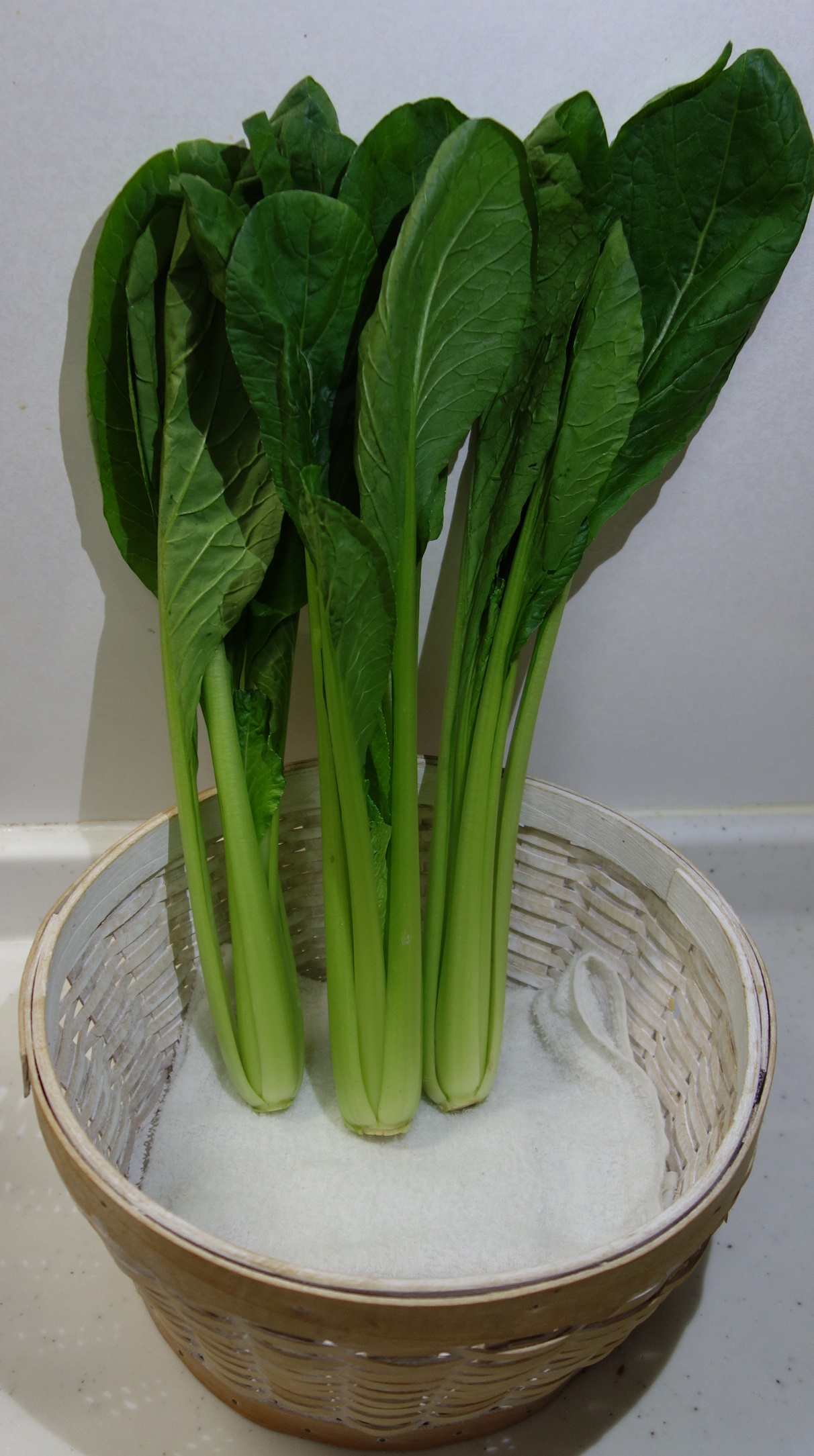
Photos show the species (Brassica rapa var. perviridis), since no cultivar-specific photo verified for this variety — the species photos above are already hosted on this site and attributed as on the species guide.
Why this variety
Green Boy is the komatsuna for gardeners who garden where it is warm — which, for this site, means you. It is a cool-season annual hybrid, easy to grow and mild-tasting, with a catalog quirk worth stating plainly: it matures in 30–40 days in warm climates and 50–60 days in cold ones, with baby greens at 20–25 days in warmth and 30 days in cold. The hero uses 35 days, the warm-weather figure, because Florida is a warm climate for this crop — and because using the cold-climate figure here would overstate the wait by nearly a month.
Against the komatsunas already guided, Green Boy is the warm-climate hybrid: Tendergreen is the classic standard, Summerfest is the heat-tolerant hybrid bred for summer, Torasan is the vigorous Japanese type, and Red Komatsuna is the colored one. Green Boy sits between Tendergreen and Summerfest — a mild, easy, fast hybrid for fall-through-spring beds that do not stay cold for long, which describes most Florida beds most of the winter.
How to grow
Sow from September through March in Florida, direct, in succession every two weeks. Sow in cool, moist soil and keep the seedbed damp until germination; even a warm-climate komatsuna germinates best when the soil is cool, so the Florida window is still the cool season, just a longer one. Thin to the hero spacing, or sow denser for baby greens and shear whole rows.
Work compost and castings into sandy beds first, mulch lightly, and water evenly; komatsuna grown dry turns sharp, and Green Boy’s mildness is the trait to protect. Pick outer leaves and let the center regrow, or cut whole plants at full size — the hybrid’s vigor means a well-watered plant regrows quickly after a first cutting.
Water & feeding
Water evenly and keep the bed moist; komatsuna leaves wilt fast when thirsty, and a dry check turns mild leaves sharp. Morning watering keeps leaves crisp.
Feed lightly with compost at planting; a fast hybrid usually needs no heavy side-dressing if the bed was enriched. Overfeeding grows soft leaves that wilt to nothing in the pan.
Common problems
- Flea beetles — pepper young leaves with shot-holes; row cover early.
- Cabbage worms and loopers — chew broad leaves; hand-pick or use Bt.
- Aphids — cluster on undersides; blast with water and let lady beetles work.
- Bolting in heat — even warm-climate komatsuna bolts in Florida summer; harvest promptly and succession-sow in the cool months.
Harvest
Pick baby greens from about 20–25 days in warm weather, or full greens at about 35 days, cutting outer leaves first or whole plants at the base. Use baby leaves raw in salads and larger leaves in stir-fries, soups, and steaming, where they cook in minutes and stay mild and tender.
Green Boy keeps a few days in the fridge in a bag; use it fresh for best flavor. Its speed in warm weather makes it the komatsuna to sow when a bed opens up in a Florida winter — it will be feeding you in five weeks while slower greens are still getting established.
Browse all plant & pest guides
Saving seeds
Green Boy is a cool-season annual hybrid komatsuna, so saved seed won’t grow true — buy fresh seed each season. The Saving seeds section of the Komatsuna guide covers seed for the species generally.