
🌿 TifTuf Bermuda Grass
What it looks like
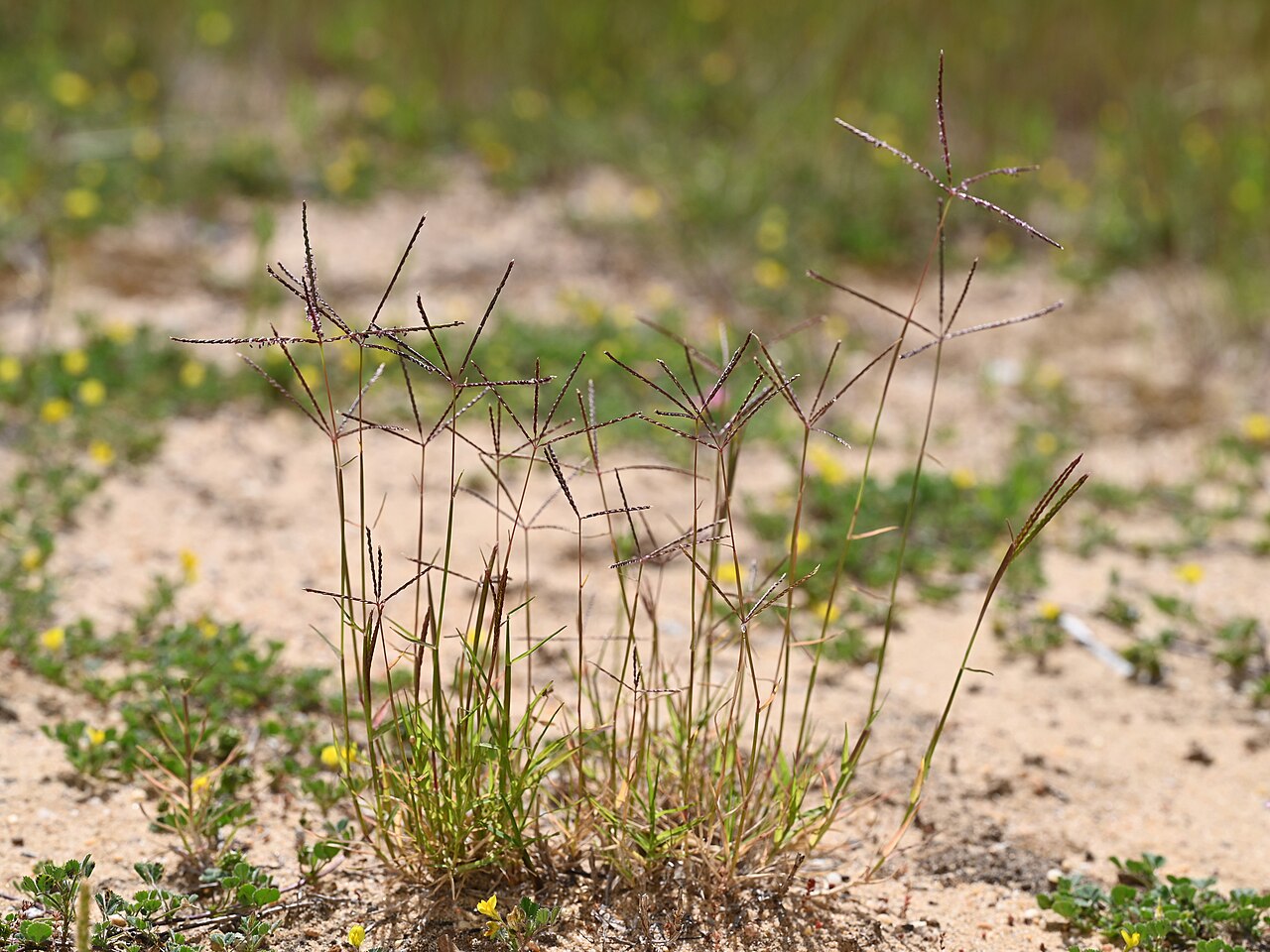
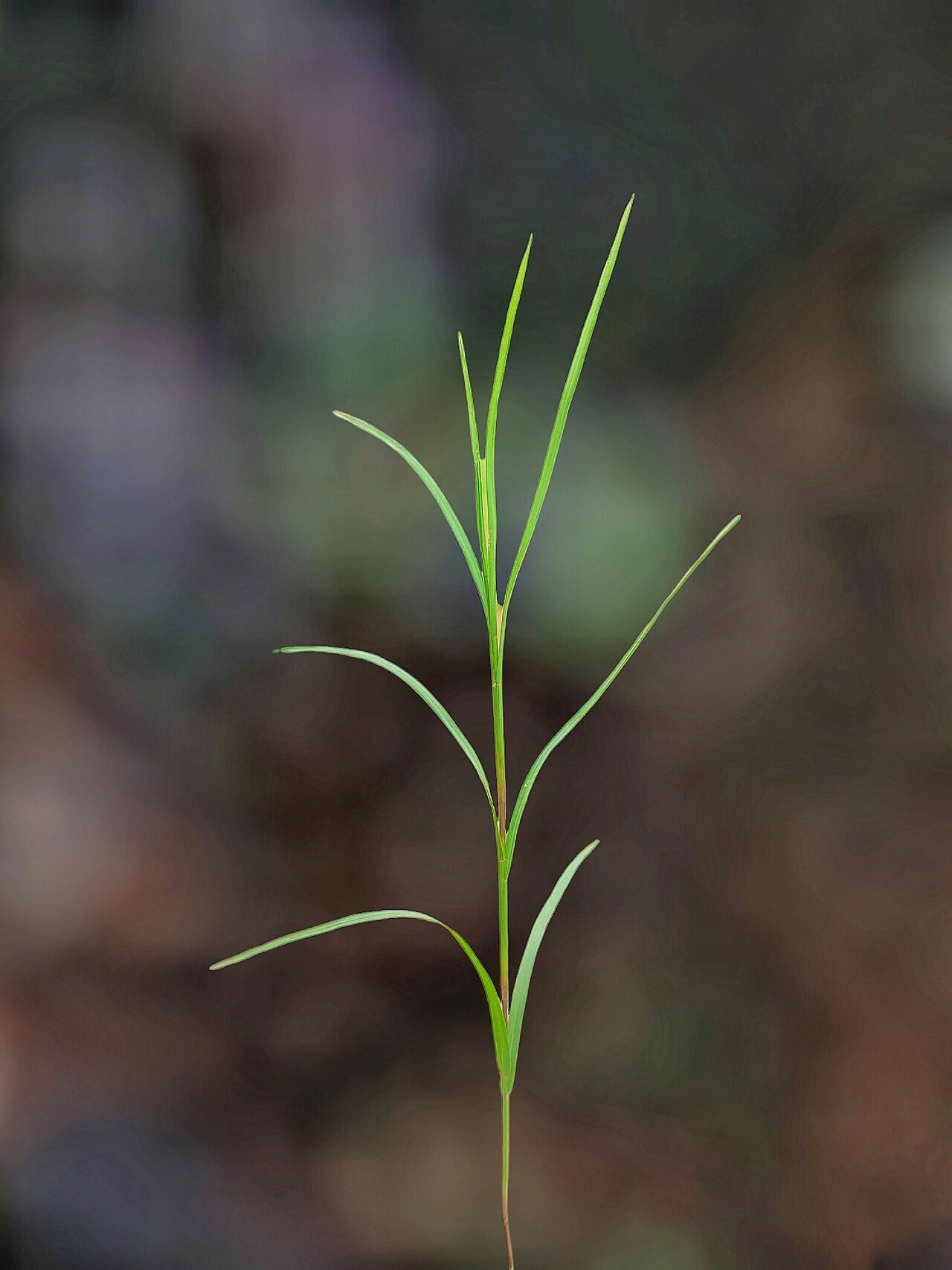
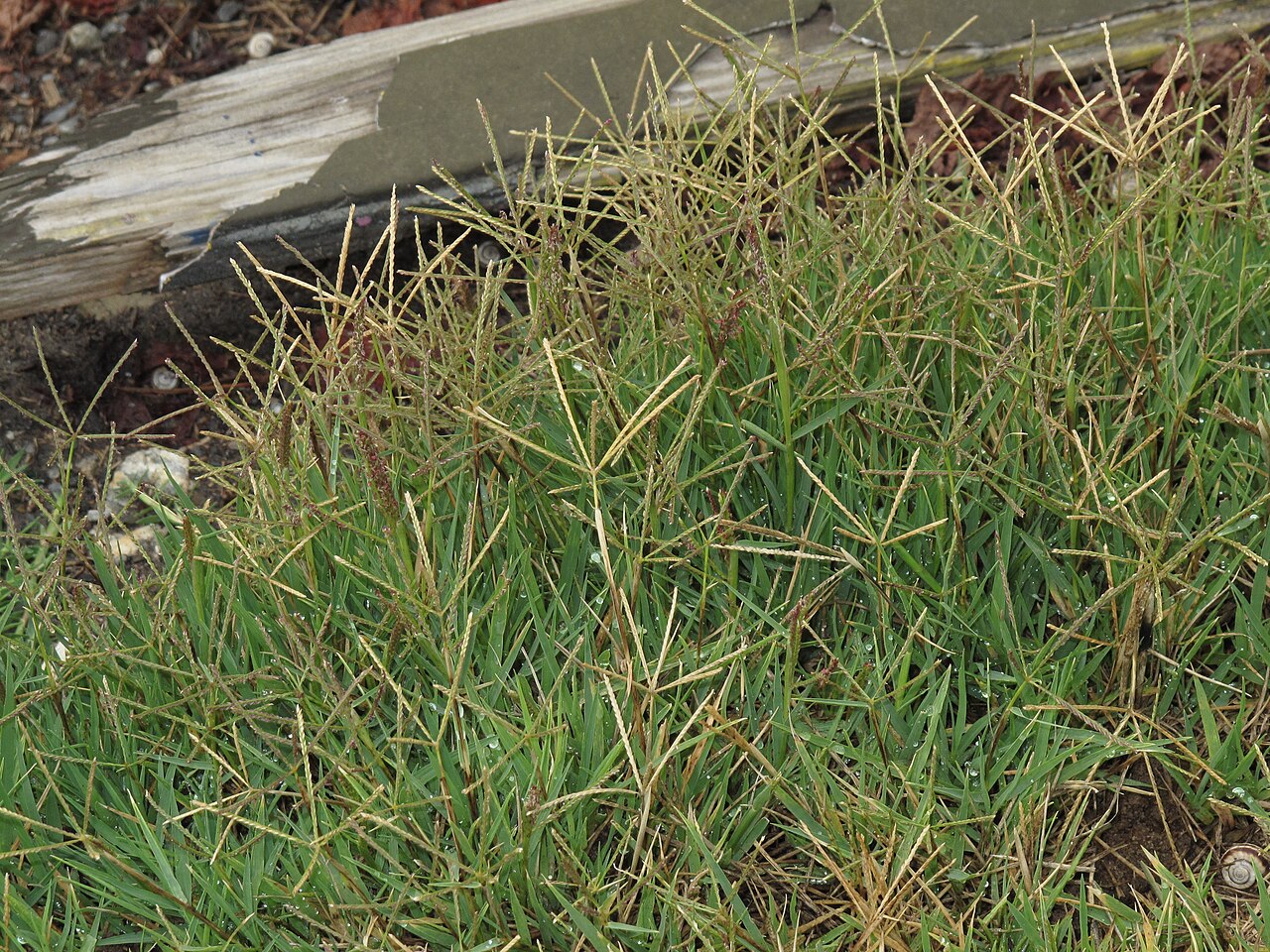
‘TifTuf’ is a fine-textured hybrid bermuda with a lighter, more vibrant green than the dark ‘Tifway 419’ — a lively-looking turf that holds its color longer into fall and greens up faster in spring. It is a sterile hybrid, sod or sprigs only, with fine blades that feel soft underfoot and a dense growth habit that crowds out weeds when mowed properly. In university trials it ranked at the top for turf quality among major commercially available bermudagrass cultivars, which is a strong claim for a grass that also happens to be the family’s water-miser.
Why this variety
Plant ‘TifTuf’ when water is the constraint — watering restrictions, a high water bill, a sandy Florida lot that drinks irrigation, or just a conscience about it. Released in 2014 after more than 20 years of research at the University of Georgia’s Tifton program, it proved in trials that it could maintain color and density with roughly a third less water than other bermudagrass varieties (about 38% less in the headline trial figure). That is not a small edge: it is the difference between a green lawn and a brown one under the same watering rules. It also brings good shade tolerance and strong wear recovery, so the water savings do not come at the cost of a thin, fragile lawn.
How to grow
Plant sod or sprigs in spring after the soil warms, in full sun to light shade, on well-drained soil. Mow at roughly 0.5 to 1.5 inches, mowing often, and feed through the growing season — ‘TifTuf’ is vigorous and responds to feeding, but do not over-fertilize in pursuit of color it already has. In Florida, it establishes fast in the warm season and holds up through summer heat and humidity that stress cool-season grasses into oblivion.
Water & feeding
Water deeply to establish, then water less than you think: ‘TifTuf’s whole point is that it stays green on less irrigation — in trials, about a third less than comparable bermudas. A practical Florida schedule is deep watering when the turf shows early wilt (a bluish cast, footprints that linger), rather than a fixed daily schedule, and roughly an inch a week or less in the growing season once established, adjusted for rain. Water early in the day.
Common problems
- Overwatering defeats the point — daily irrigation grows shallow roots and disease; let it dry between waterings and let the variety do its work.
- Thatch buildup — vigorous growth thatches; aerate or verticut when the layer thickens.
- Confusion with ‘Tifway 419’ — ‘TifTuf’ and ‘Tifway 419’ are different grasses from different generations; do not let a seller blend the names (there is no ‘TifTuf 419’).
- Winter dormancy in the north of its range — browns after frost in zone 7; in most of Florida it stays green much longer.
Harvest
No harvest — the yield is a green lawn on a smaller water bill. For Florida, where summer water rules and sandy soil make irrigation a constant negotiation, ‘TifTuf’ is the bermuda that negotiates best.
See also: Bermuda Grass: Growing Guide