
Broomsedge Bluestem (Andropogon virginicus)
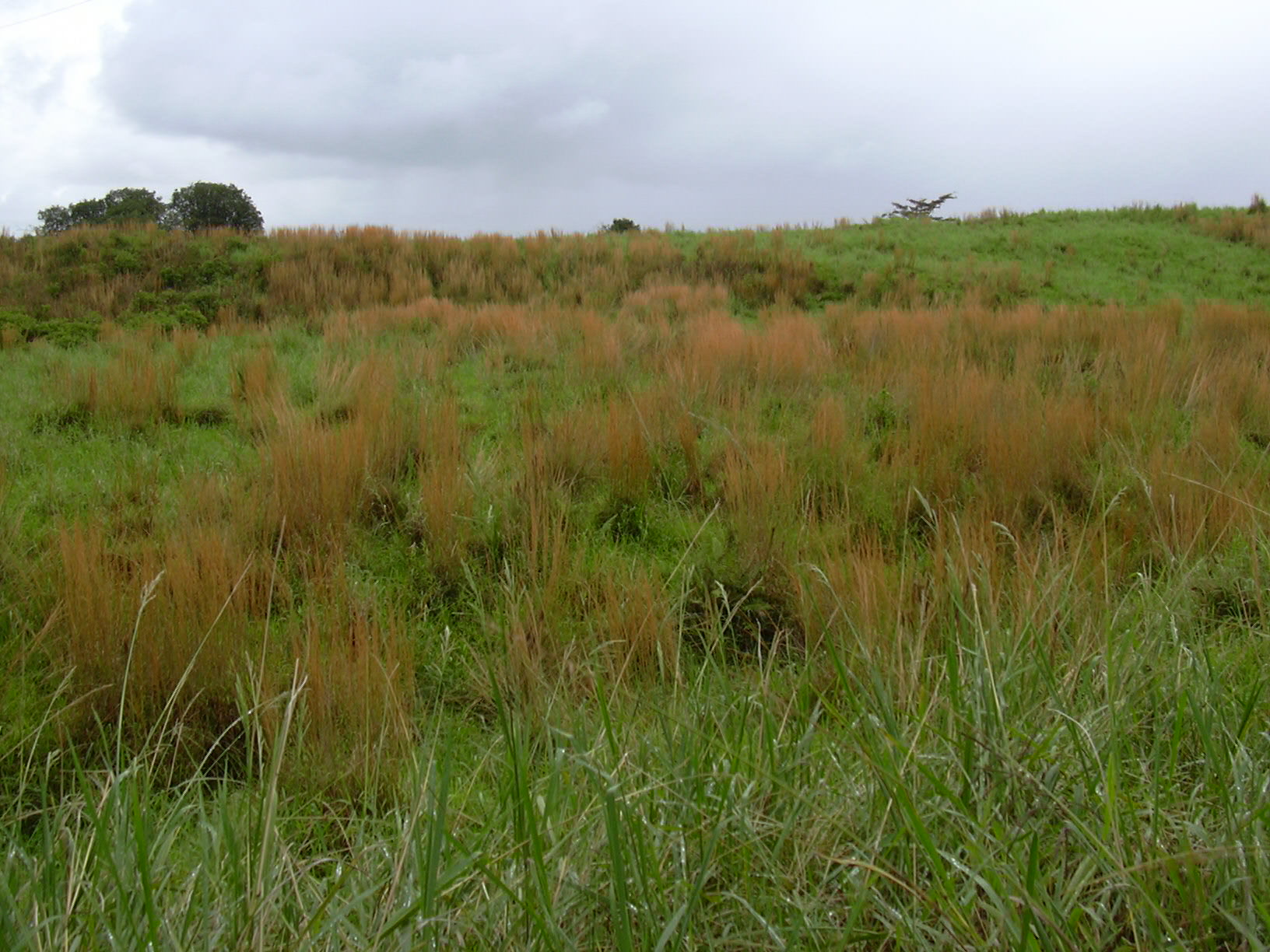

Also known as: broomsedge
Quick Facts
- Type: grass
- Size: 3-4 ft tall
- Sun: full
- Water: low
- Soil: Poor, sandy, even clay soils
- USDA zones: 8-11
Silvery-white fluffy seed heads catch the low fall light; foliage turns bronze in winter.
A pioneer of old fields that thrives on neglect; beautiful en masse in meadow plantings.
In the Landscape
A meadow and prairie-restoration workhorse for poor, dry, sandy soils where fussier grasses fail. Its orange-bronze fall color lights up naturalistic plantings.
Care & Propagation
Plant in spring in full sun; it tolerates the worst soils Florida offers. Cut back in late winter. Truly needs nothing else — fertilizer actually makes it floppy.
Seed is the easy route — surface-sow in spring. It self-sows freely, so one planting often becomes many. Divide clumps in late winter if you want to move it.
Wildlife Value
Seeds are eaten by sparrows, juncos, and wild turkeys through winter. The upright clumps give nesting cover for ground birds and small mammals.
🌱 Fun fact: Broomsedge is one of the first plants to colonize abandoned farmland in the Southeast — old-timers called it 'poverty grass' because it thrives exactly where crops give up.
← Browse all Florida native plants
🌴 In Florida
A pioneer of old fields that thrives on neglect; beautiful en masse in meadow plantings.
🌿 Keep exploring
More Florida natives worth meeting:
- Bushy Bluestem (Andropogon glomeratus)
- Elliott's Lovegrass (Eragrostis elliottii)
- Fakahatchee Grass (Tripsacum dactyloides)
🪱 Your Soil Needs This
Reading about healthy soil is great. Growing in it is better. Our small-batch, traceable worm castings are the shortcut your garden deserves.
Shop Worm Castings Subscribe & SaveEvery bag comes with a lot certificate. Know what's in your soil.