
Virginia Pepperweed (Lepidium virginicum)
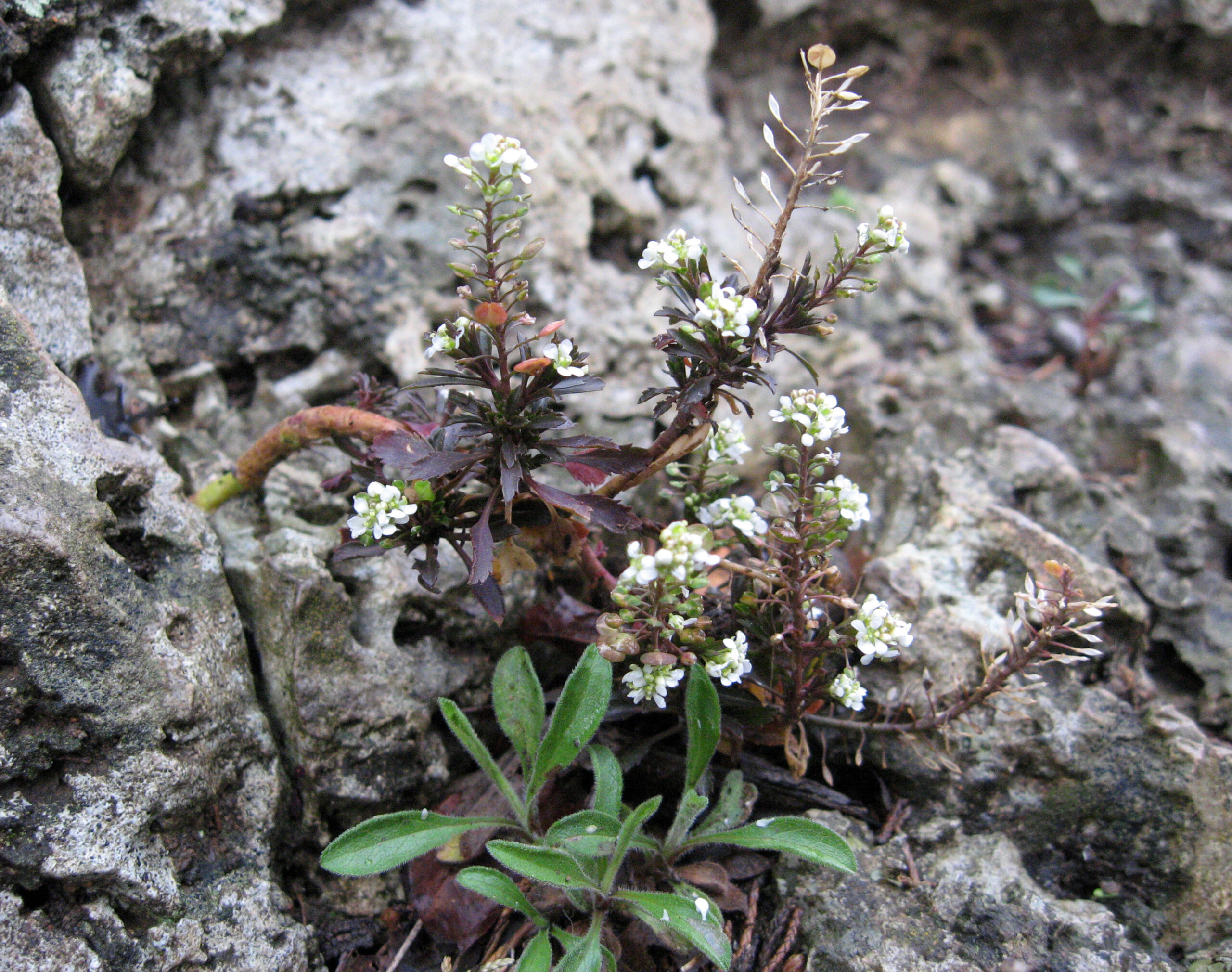
Also known as: Poor Man's Pepper, Peppergrass, Wild Peppergrass
Quick Facts
- Type: wildflower
- Size: 6-20 in tall
- Sun: full
- Water: drought tolerant once established
- Soil: dry, well-drained sandy to rich; disturbed sites
- USDA zones: 6-11
A cool-season annual mustard that starts as a low rosette of deeply lobed leaves, then sends up branching stems lined with elongated racemes of tiny whitish flowers that look like thin greenish-white bottlebrushes, followed by flat, lentil-shaped seed pods with a peppery bite.
Native throughout Florida and common in disturbed sites, roadsides, lawns, and fallow fields, mostly in winter and early spring. It is one of those natives people mow over without realizing it is feeding butterflies.
In the Landscape
Best in casual, wild areas: lawn edges, vegetable-garden margins, meadow borders, and butterfly patches, where its weedy look is an asset rather than a flaw. Do not try to make it a bedding plant. Mow around the patch until the seed pods have matured, then mow as usual.
Care & Propagation
Zero care required: it grows in winter and spring on rainfall alone, needs no fertilizer, and finishes its life cycle before summer heat. Pull plants from formal beds and paths. It is an annual, so the patch persists only if you let it reseed.
Grow from seed sown directly on bare soil in fall or winter; it germinates within a couple of weeks and needs no pretreatment. As a prolific self-seeder it usually maintains itself once introduced. To keep a patch going, simply let the seed pods ripen and scatter before mowing or pulling.
Wildlife Value
Virginia pepperweed is a documented larval host for the Great Southern White (Ascia monuste) and the Checkered White (Pontia protodice), whose caterpillars feed on plants in the mustard family. Its small flowers are hermaphroditic and are pollinated by a variety of insects, especially bees. Letting a patch grow in a lawn edge or garden margin directly supports these white butterflies.
🌱 Fun fact: Pop one of the flat little seed pods in your mouth and you will instantly understand the name poor man's pepper: they taste like mild black pepper. The young leaves are also edible and were traditionally added to salads or sauteed as a potherb.
← Browse all Florida native plants
🌴 In Florida
Native throughout Florida and common in disturbed sites, roadsides, lawns, and fallow fields, mostly in winter and early spring. It is one of those natives people mow over without realizing it is feeding butterflies.
🌿 Keep exploring
More Florida natives worth meeting:
- Alligator Flag (Thalia geniculata)
- American White Waterlily (Nymphaea odorata)
- Anisescented Goldenrod (Solidago odora)
🍽️ Also see the edible-plant profile for this same species: Peppergrass (Lepidium virginicum) — how to eat it and harvest notes.
🪱 Your Soil Needs This
Reading about healthy soil is great. Growing in it is better. Our small-batch, traceable worm castings are the shortcut your garden deserves.
Shop Worm Castings Subscribe & SaveEvery bag comes with a lot certificate. Know what's in your soil.