
🌸 Magnolia
What it looks like
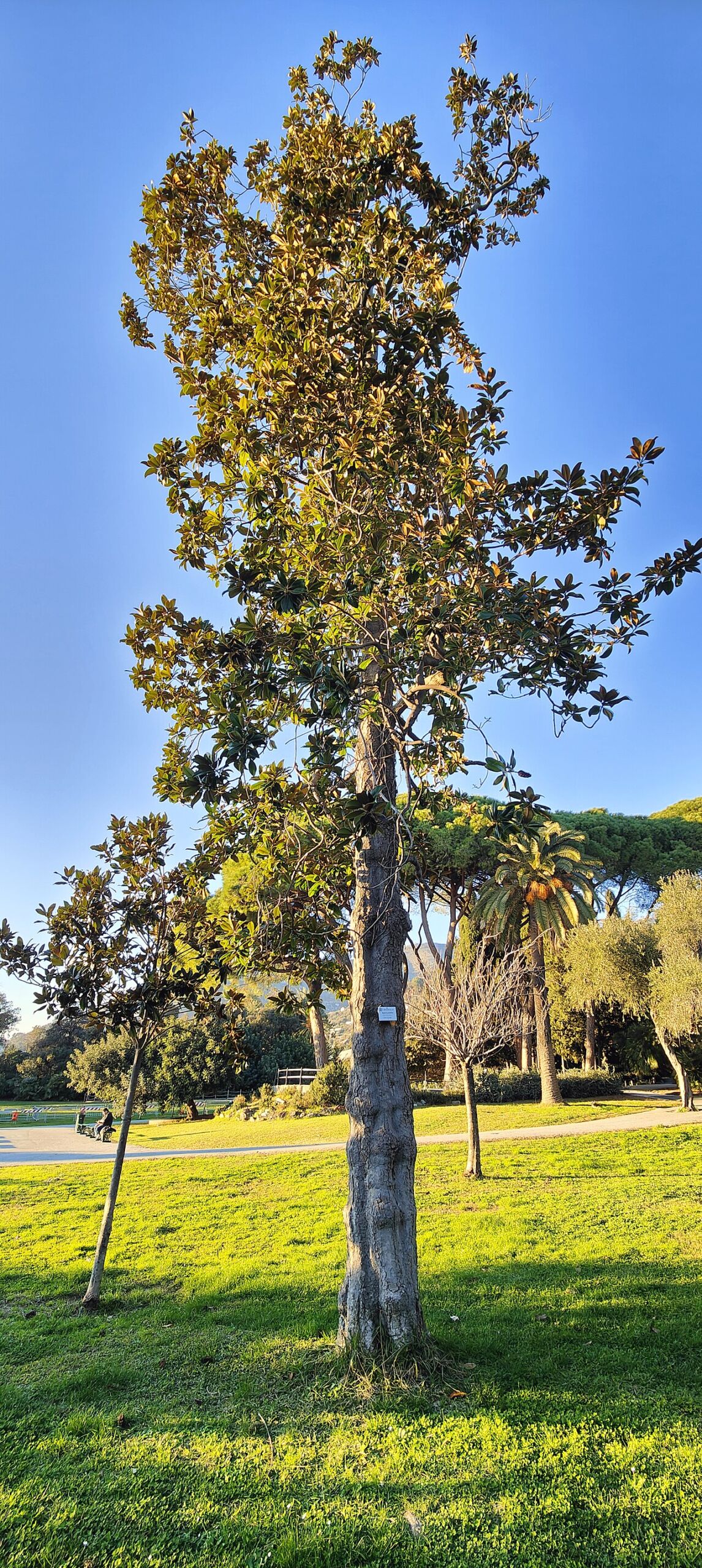
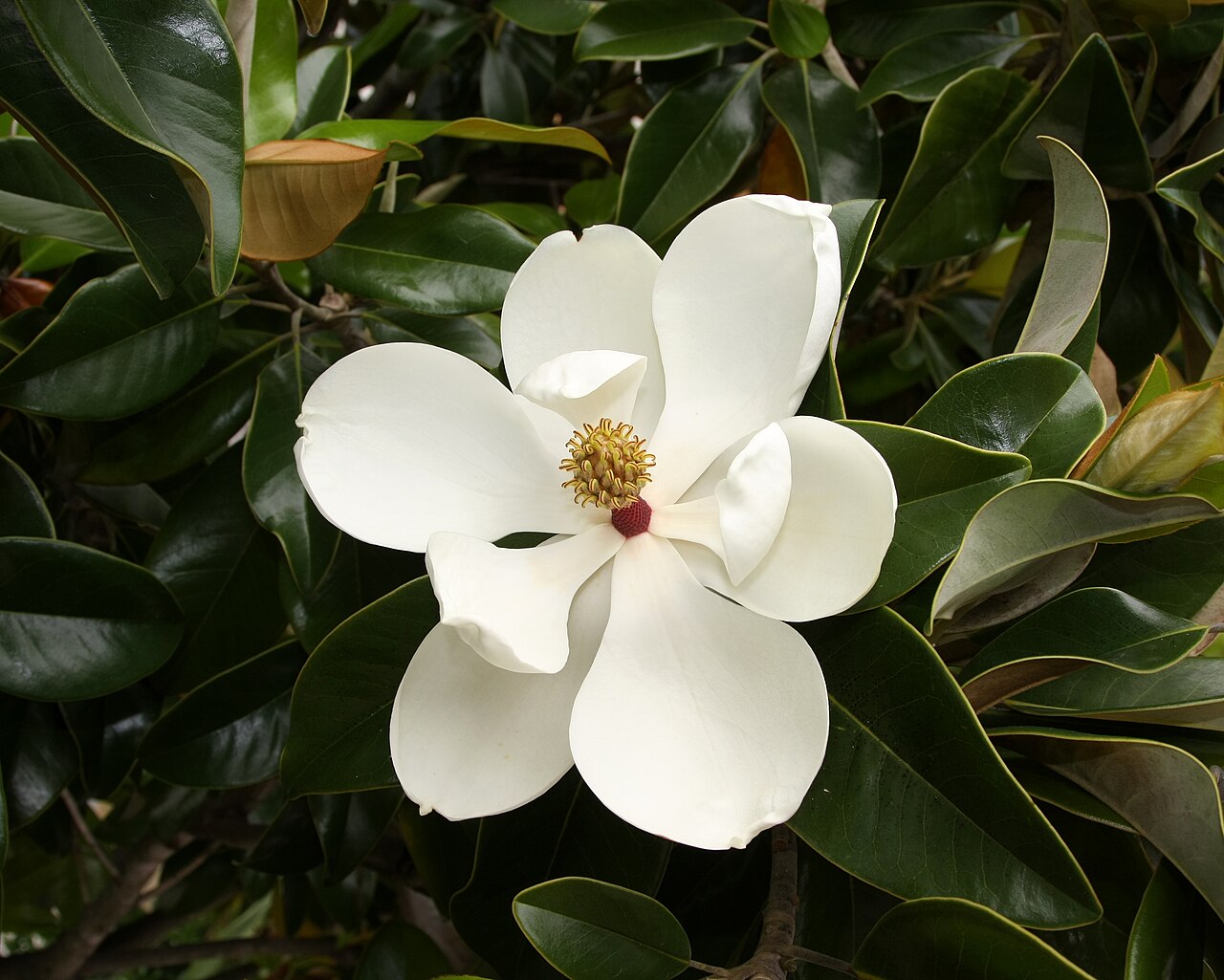
How to grow
Plant Southern magnolia in spring in moist, well-drained, slightly acidic soil with room to reach its full spread — this is not a foundation shrub, whatever the nursery tag’s optimism suggests. In zones 4–6, plant saucer or star magnolia instead; they give the same spring flower show on a much smaller, cold-hardy frame. Southern magnolias drop leaves year-round, so site them where leaf litter is mulch, not a lawn-care grievance.
Water & feeding
Water deeply the first two to three years; established Southern magnolias tolerate heat and brief drought but grow best with steady moisture. Mulch widely — their roots are shallow and resent lawn mower traffic and turf competition.
Common problems
- Leaf spot and algal leaf spot — mostly cosmetic on vigorous trees
- Magnolia scale (soft, waxy bumps on twigs, with sooty mold to follow)
- Cold damage to flower buds on saucer magnolias after a warm spell followed by a freeze
Harvest
Prune only to remove dead, damaged, or crossing branches, ideally right after flowering (saucer types) or in late winter (evergreen types). Southern magnolias need almost no pruning — shaping them into lollipops ruins the form that makes them worth growing.
Browse all plant & pest guides
Saving seeds
Magnolia seed is a slow road, and the honest starting point is the timeline. A seedling Southern magnolia takes ten to fifteen years to flower, and the tree it becomes will not necessarily look like its parent. If you want a particular magnolia — a named cultivar with a known shape and flower — buy a grafted tree or take cuttings. If you want the experiment, or a free tree for a big space, seed is your friend.
The seed ripens in fall, in the cone-like fruits. Wait until the cones open and the bright red seeds show, then collect them before the birds do. The red coating is oily and inhibits germination, so clean it off: soak the seed in warm water, rub the coating away, and rinse until the seed is clean and brown. Wear gloves if your skin is sensitive, since the coating can irritate.
Magnolia seed needs cold stratification, and sources disagree on how long. Some say two months in the refrigerator, others say three or four, and the honest answer is that it varies by species and by seed lot. Mix the cleaned seed with damp sand or vermiculite in a sealed bag, refrigerate it for three months as a middle ground, and sow in spring. Germination is uneven — some seed comes up in a few weeks, some takes a full season — so sow generously and be patient. Fresh seed germinates far better than stored seed, so do not save it for next year.
Named cultivars do not come true from seed, full stop. A seedling of Little Gem or Bracken’s Brown Beauty will be a magnolia, but it will not be that cultivar. Grafting and cuttings are the routes to an exact copy. Seed is the route to a tree that is yours alone, and to rootstock for grafting.
Florida is magnolia country. The Southern magnolia is native here, it thrives in the heat and humidity, and a seedling planted in a big space will become a landmark tree. Just give it room — a mature Southern magnolia is a very large tree — and give it time. The seed you sow this fall is a tree your grandchildren will sit under.
Varieties
Every named variety of Magnolia with its own growing guide:
- Little Gem Magnolia — The dwarf Southern magnolia that fits a yard: big glossy leaves, huge fragrant flowers, on a tree half the size of the species.
- Brackens Brown Beauty Magnolia — The cold-hardy Southern magnolia with the brown-backed leaves: denser, hardier, and more compact than the species.