
💜 Wisteria
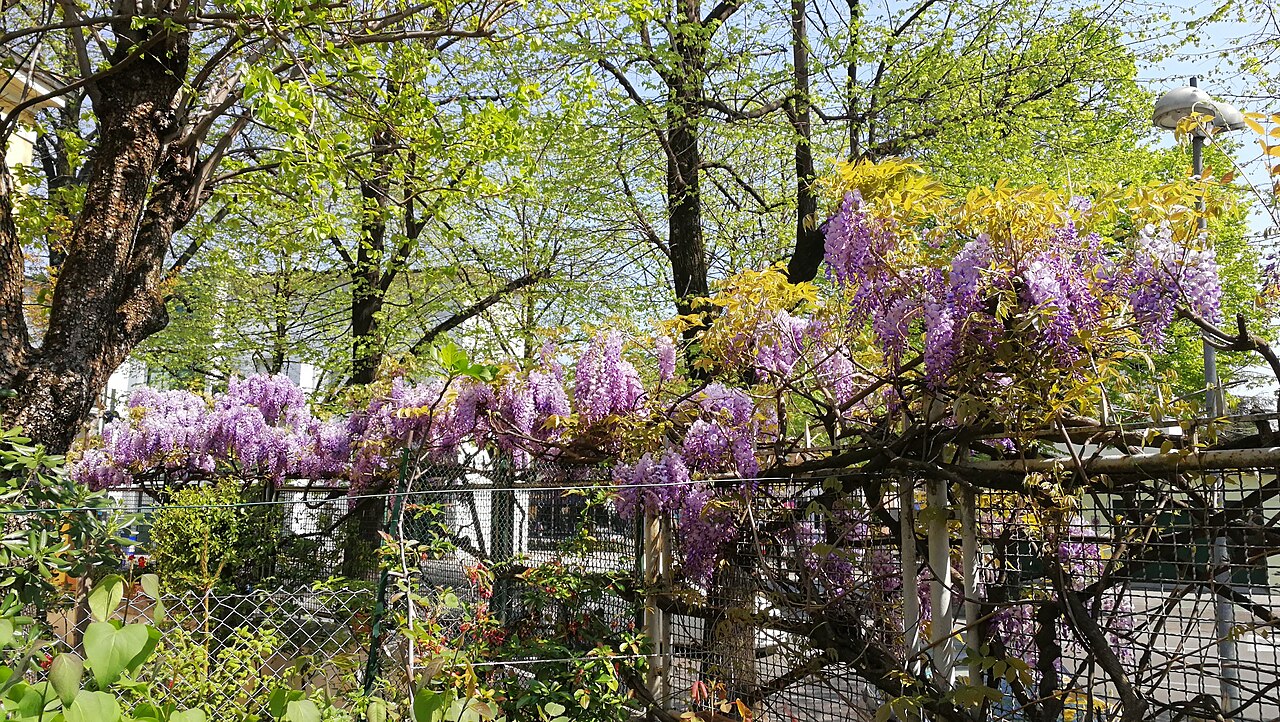
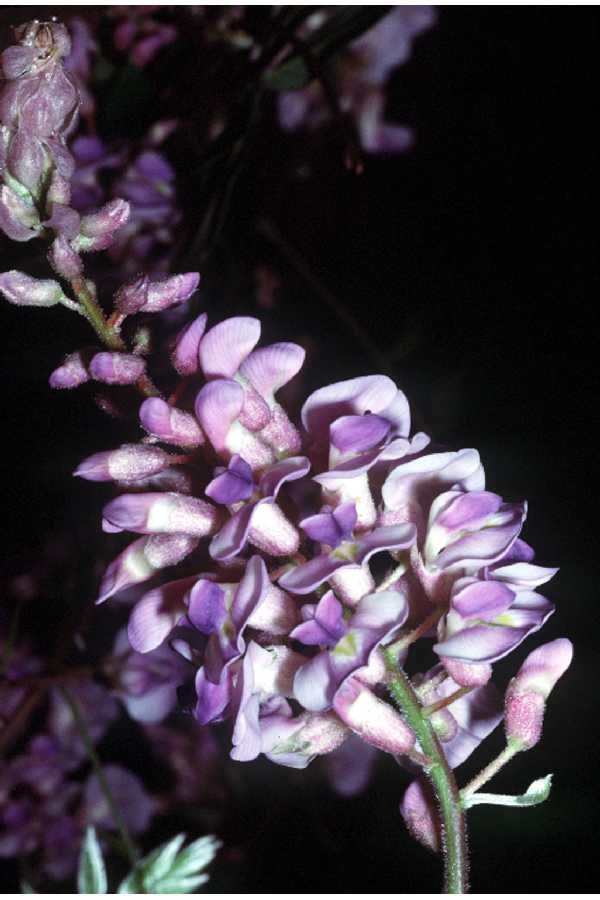
What it looks like
How to grow
Plant American wisteria (W. frutescens, ‘Amethyst Falls’) first if you are in its range — it is less aggressive, blooms reliably, and does not swallow forests the way Chinese and Japanese wisteria do, which are listed as invasive across much of the East. Give it the strongest support you can build: a mature wisteria can crush a flimsy trellis, pull down gutters, and strangle trees. Full sun is mandatory for flowers; a wisteria in shade is just leaves with ambition. Expect 3–5 years before serious bloom from a young plant.
Water & feeding
Water to establish; mature wisteria is drought-tolerant and actually blooms better when slightly stressed — rich soil and heavy feeding produce leaves, not flowers.
Common problems
- Invasiveness of Asian species — choose American wisteria where Asian types are listed
- Failure to bloom — usually too much nitrogen, too much shade, or too young a plant
- Structural damage to weak supports, gutters, and siding — build for a woody vine, not a flower
Harvest
Prune twice a year: in summer, cut whips back to 6 inches to control growth; in late winter, shorten those spurs to 2–3 buds to concentrate flowering. This two-step prune is the difference between a flowering wisteria and a leafy monster.
Browse all plant & pest guides
Saving seeds
The species warning comes first, because it matters: this guide covers two wisterias, and they are not equal. American wisteria (Wisteria frutescens) is native, well-behaved, and safe to grow. Chinese wisteria (Wisteria sinensis) and Japanese wisteria are invasive in Florida — they escape, smother trees, and are hard to remove once they take hold. If you are saving seed, save American wisteria seed. Do not spread Chinese or Japanese wisteria seed, and do not plant it where it can escape.
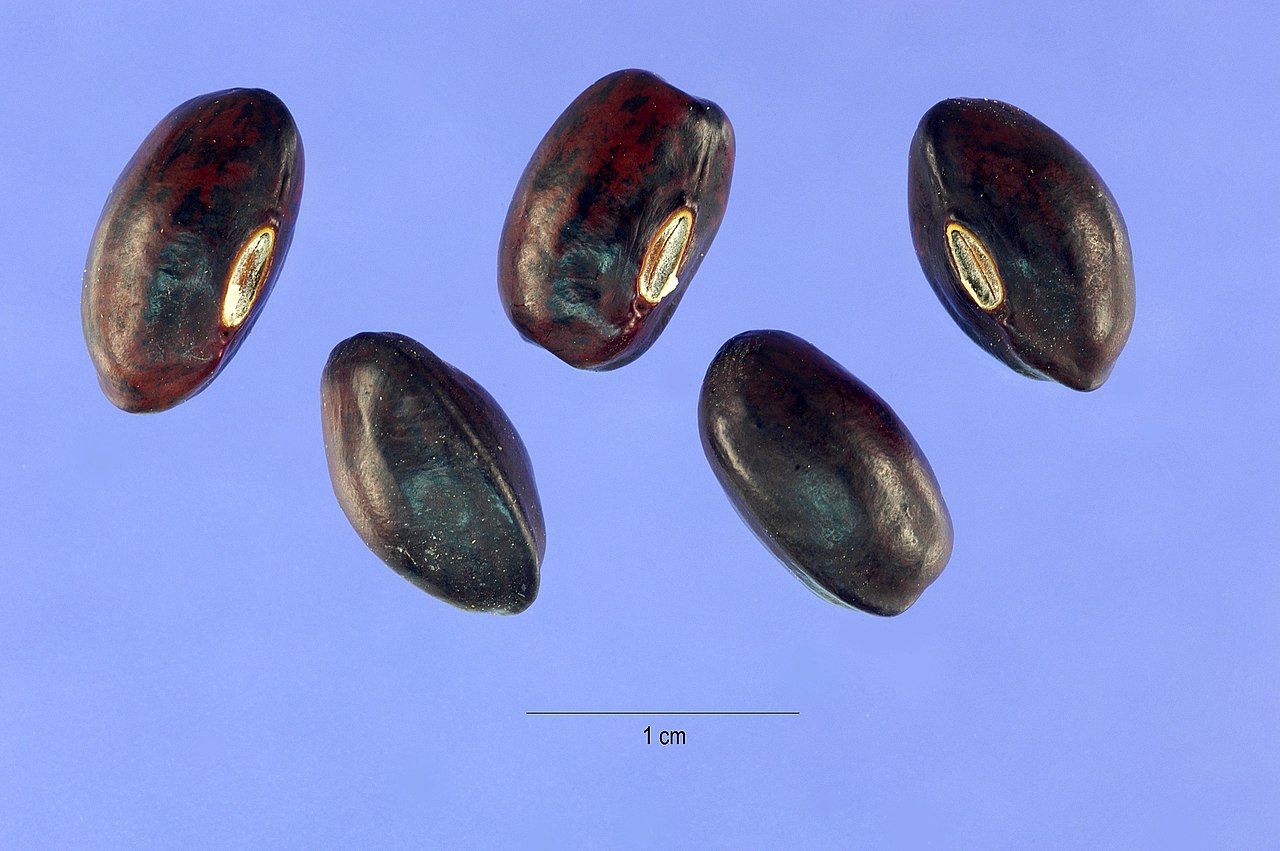
Let the seed pods ripen on the vine until they are dry and brown and beginning to split, then collect them into a paper bag before they pop — the pods open explosively and scatter the seed. Nick each seed with a file or rub it with sandpaper, then soak it overnight in warm water; the seeds that swell are ready. Sow in spring in moist mix, barely covered, and germination usually comes in two to three weeks after treatment.
Seedlings will vary, and they take seven to fifteen years to flower — which is why almost nobody grows wisteria from seed. Cuttings and layering are the faithful route for named forms: a layer rooted in summer is a plant by spring, and every layer is a clone of the parent. Seed is for the species and for the patient gardener.
And the vine warning: wisteria is strong enough to dismantle a pergola that was not built for it. Plant it on a structure that can hold it — steel, not wood — and prune it hard every year, or it will eat the structure and everything near it.
Varieties
Every named variety of Wisteria with its own growing guide:
- Amethyst Falls Wisteria — The American classic: fragrant lavender-blue racemes that bloom the first year — the wisteria that will not eat your house.
- Blue Moon Wisteria — The triple-blooming Kentucky wisteria: foot-long fragrant lavender-blue racemes up to three times a season — the hardiest wisteria of all.
- Longwood Purple Wisteria — The deep purple American: deeper purple blooms and bushier foliage than Amethyst Falls — the wisteria from Longwood Gardens.