
🌿 Anise
What it looks like

How to grow
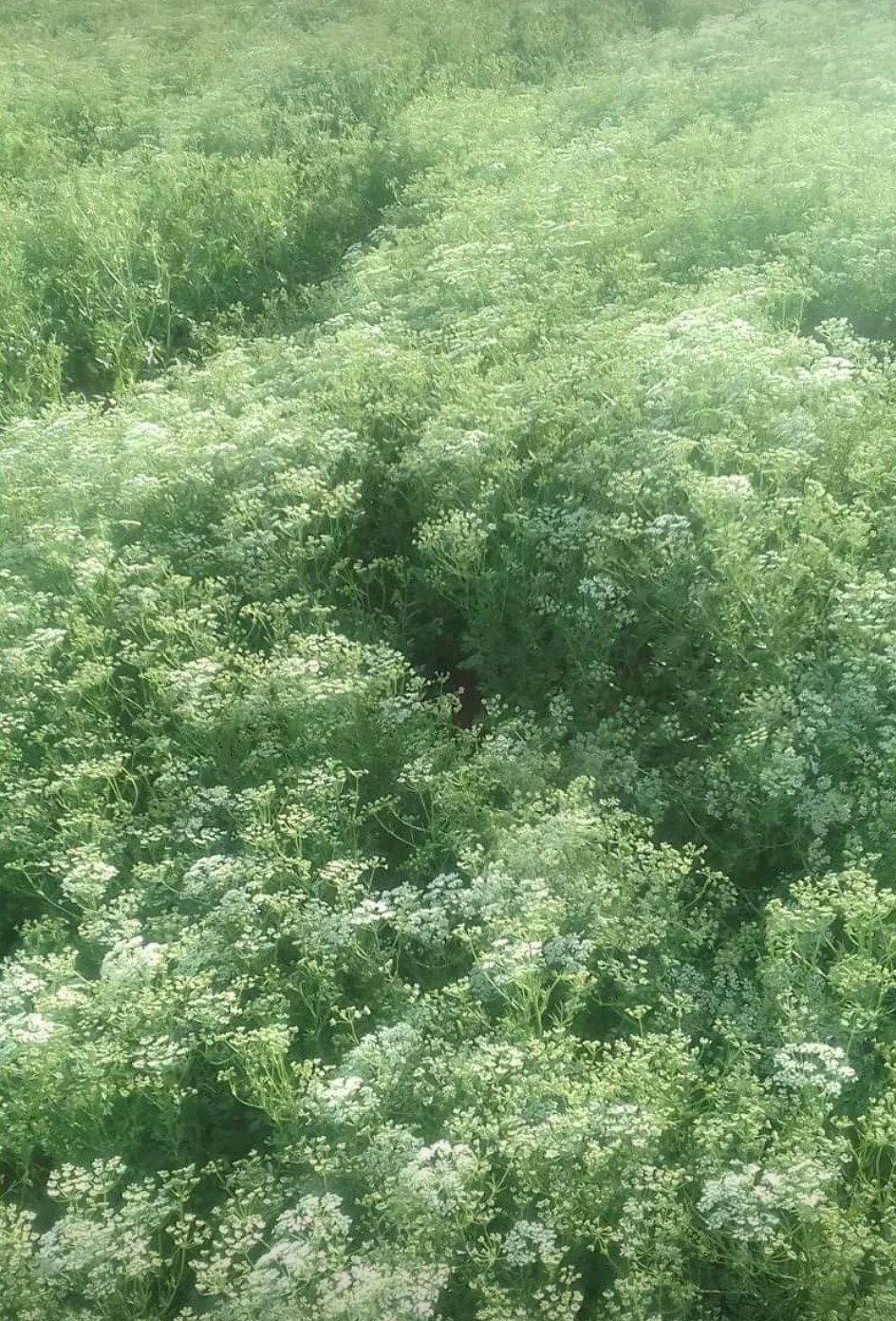
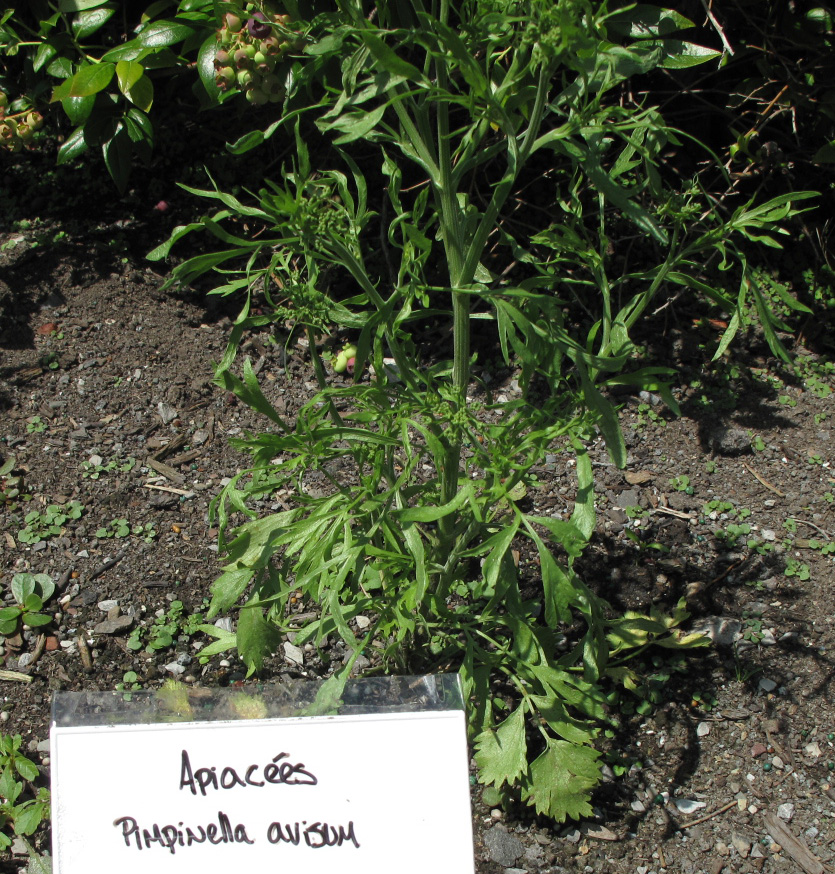
Anise is an annual carrot-family herb grown for its small, licorice-flavored seeds, which season breads, cookies, sausages, and liqueurs like ouzo and anisette. Its leaves are also edible and mildly licorice-scented, useful in salads, but the seeds are the crop. Direct-sow after frost danger — anise has a taproot and resents transplanting — sowing seeds a quarter inch deep in full sun and well-drained soil. It needs a long, warm season to ripen seed, so in short-season northern zones, start seeds indoors 4-6 weeks before last frost in biodegradable pots to avoid root disturbance, and choose the sunniest spot available. Plants reach 2-3 feet, with feathery foliage and umbrella flower heads, and they benefit from a sheltered spot since stems can flop in wind. Anise is not the same as star anise (a tree fruit from Asia) or fennel (a related but distinct plant) — all three share the licorice compound anethole, which is why they taste alike despite being unrelated. In Florida and the Gulf South, grow anise in fall through spring, when cooler weather suits it better than peak summer heat.
Water & feeding
Keep soil evenly moist, about an inch a week; drought reduces seed yield. Anise is a light feeder — worm castings mixed into the bed at planting is plenty. Mulch to hold moisture and suppress weeds, which compete with slow-starting seedlings.
Common problems
- Short seasons failing to ripen seed — start indoors in biodegradable pots in northern zones and site in full sun.
- Wind toppling tall plants — stake or plant in a sheltered spot.
- Aphids on flower heads — blast with water; beneficial insects usually follow.
- Poor germination in cold soil — wait until soil is warm, and keep seedbeds moist but not soggy.
Harvest
Harvest leaves as needed during the season. For seed, wait until flower heads turn brown and seeds darken, then cut whole heads, dry them in paper bags, and thresh out the seeds. Dry seeds thoroughly before storing airtight — properly dried anise seed keeps its licorice punch for a year or more. Toast seeds lightly in a dry pan before grinding to wake up their flavor.
Browse all plant & pest guides
Saving seeds
Anise (Pimpinella anisum) is one of the most satisfying seed crops a home gardener can save, because the thing you harvest for the kitchen and the thing you plant next year are the same object. The seed is the crop. That also means the rules are simple, as long as you respect one fact: anise is an annual with a taproot and a long season, and it does its seed-making on its own schedule, not yours.
Start by choosing your seed plants deliberately. Pick several strong, healthy plants that look the way anise should — upright, well-branched, loaded with umbels — and leave their flower heads alone while you harvest leaves or seed from the rest. Saving seed from a single spindly plant, or only from the first plant to bolt, narrows your gene pool to exactly the plants you would least want to duplicate. Anise flowers are insect-pollinated, and it crosses with other anise varieties flowering at the same time, so the cleanest saved seed comes from a planting where only one variety is in flower. The good news is that anise keeps to its own species: it will not cross with fennel, dill, or carrot, no matter how closely they grow, because those are different species in the same family, not compatible partners.
Wait until the umbels turn from green to brown or gray-brown and the little ribbed seeds feel firm and begin to loosen from the head. Cut too early and you get soft, immature seed; wait too long and the seed shatters onto the ground, where ants and birds will happily finish the job for you. Cut whole heads on a dry day, drop them into a paper bag, and hang the bag upside down in a warm, dry, airy spot out of direct sun for a week or so. Then shake, rub the heads gently over a tray, and winnow away the chaff by pouring the seed from one container to another in a light breeze — the good seed falls straight, the chaff blows off. The test for dryness is the snap test: a properly dried seed snaps cleanly between your fingers instead of bending.
Store only fully dried seed, in an airtight glass jar in a cool, dark place. In Florida, add a desiccant packet and be ruthless about drying — seed that goes into a jar even slightly damp will mold in our humidity, and moldy seed is dead seed. Sources disagree on exactly how long anise seed keeps: some put flavorful, viable storage at one to two years, others stretch it to three or four. The honest answer is that it declines with time and heat, so use saved seed within a couple of years and run a germination test before betting a whole bed on an old jar — ten seeds on a damp paper towel in a sealed bag, counted after about two weeks, tells you more than any printed date. Sow saved seed by direct sowing after frost in warm soil, since that taproot resents transplanting, and give it the long season it needs: anise wants well over a hundred frost-free days to make ripe seed, so in short-season gardens it is a race worth starting early. And the standing rule applies: open-pollinated varieties like the named food anises grow true from seed if they were isolated from other anise in flower; seed from an F1 hybrid will not.
Varieties
Every named variety of Anise with its own growing guide:
- Alekseevsky 38 Anise — The Russian food anise: a documented food variety from the Alekseevskaya station, grown for seed you can actually cook with.
- Moskovsky Semko Anise — The Moscow food anise: a documented garden food variety for cooks who want named seed, not a mystery packet.