
🫐 Serviceberry
What it looks like
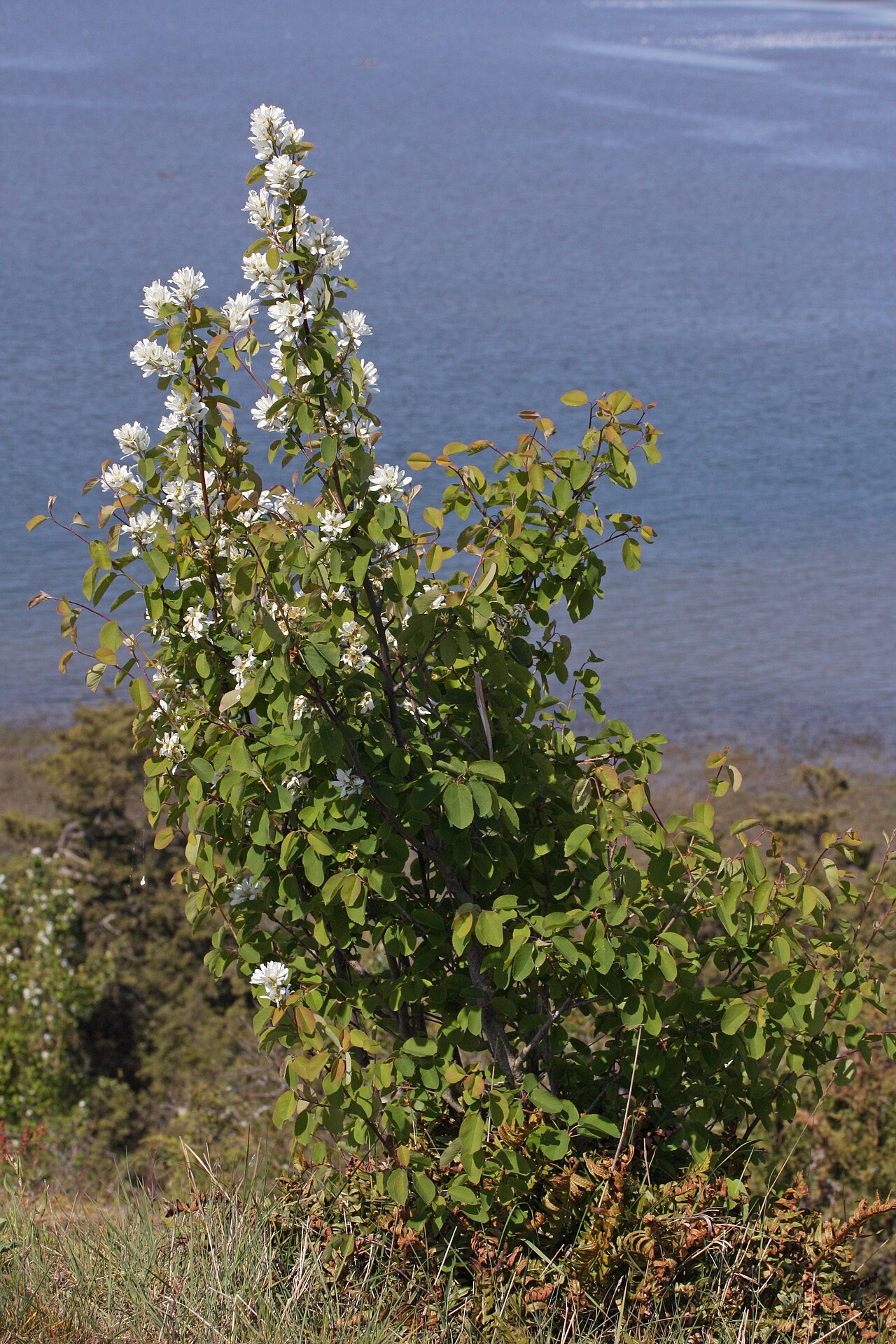
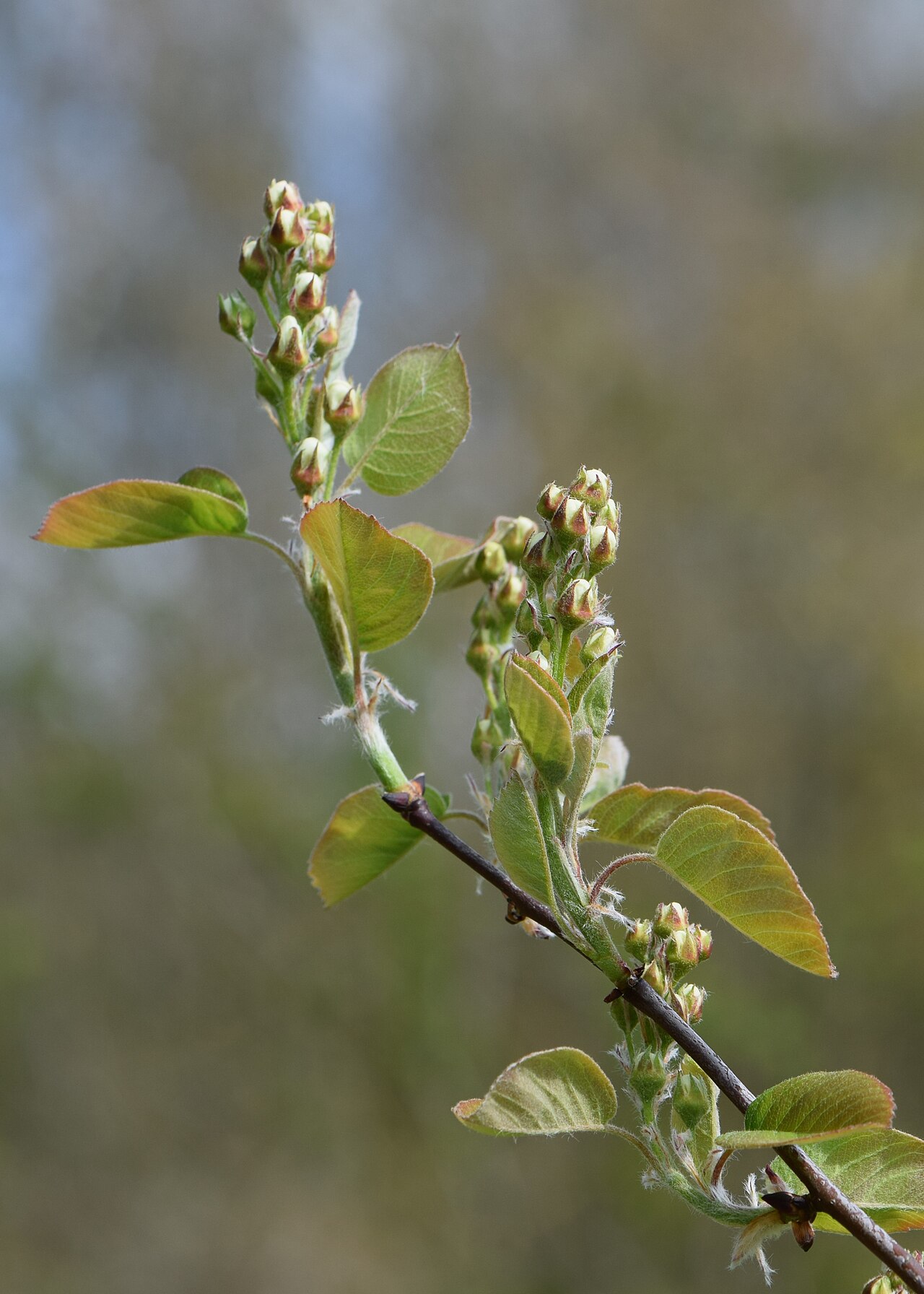
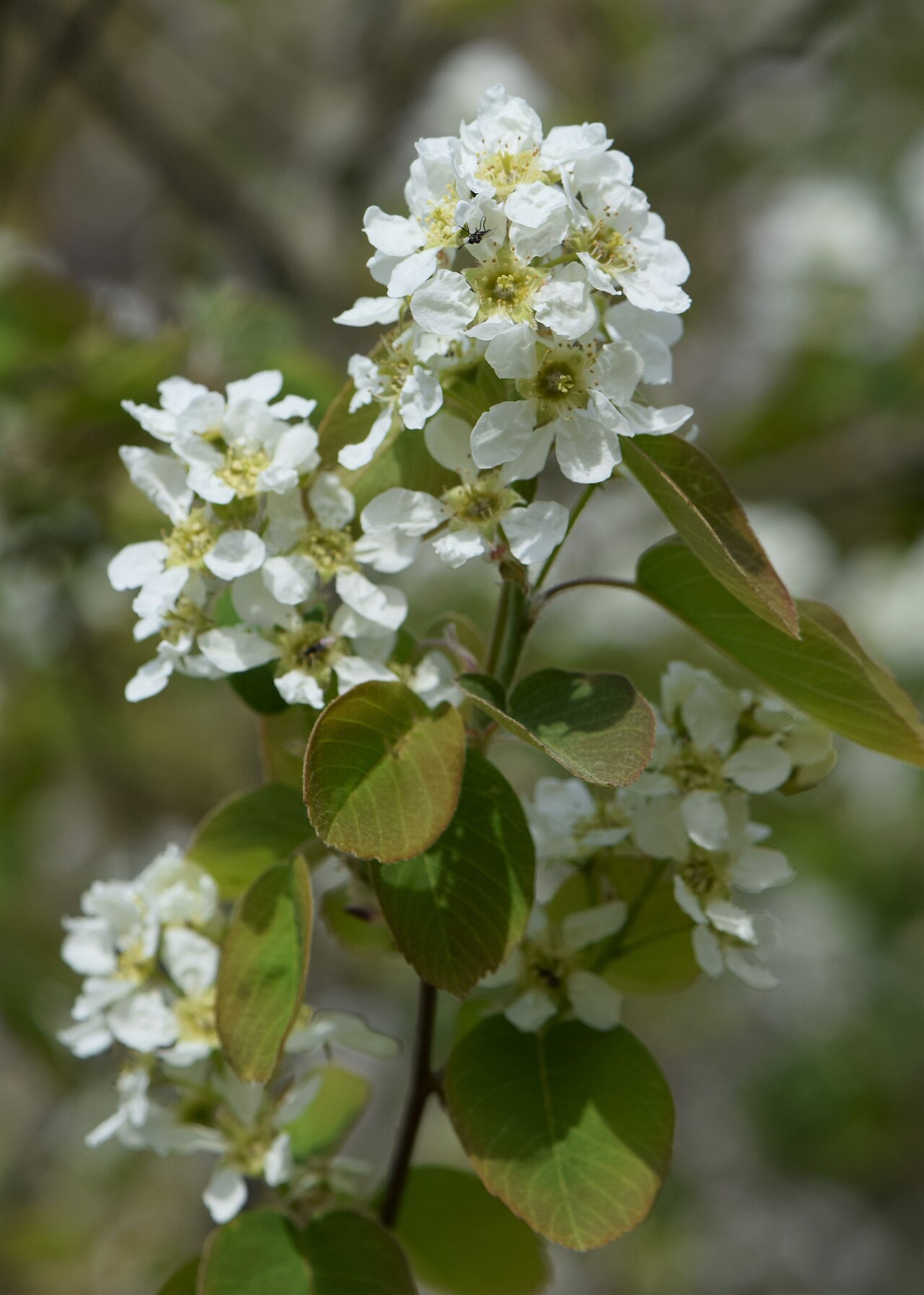
How to grow
Serviceberry — also sold as saskatoon berry or juneberry — is the native shrub that does everything: white spring flowers, sweet almond-flavored berries in early summer, and orange-red fall color. It is also one of the easiest fruit plants you can grow, tolerating a range of soils and a fair amount of neglect. Plant named fruiting selections (‘Smoky’, ‘Northline’, ‘Regent’) if fruit is the priority, since wild seedlings vary wildly in berry size and sweetness. Serviceberries are self-fertile, so one plant fruits, but a second variety improves yields. Plant in spring or fall, mulch well, and prune only to remove dead wood and keep the center open — heavy pruning is unnecessary and counterproductive.
Water & feeding
Water during establishment and dry spells; mature plants tolerate drought better than most fruit shrubs but fruit size drops without moisture. They tolerate wetter soil than many fruit plants, though not standing water. Light feeding in spring is plenty.
Common problems
- Birds — the single biggest competitor; net the shrub if you want more than a token harvest
- Cedar-serviceberry rust in areas with junipers nearby — choose resistant varieties and avoid planting next to red cedar
- Fire blight in some species and regions — prune affected wood well below the damage
- Suckering — some species spread by suckers; mow or prune them if you want a single-trunk form
Harvest
Pick when the berries are deep purple-blue and soft, tasting sweet with a hint of almond — red berries are tart and unfinished. Harvest over a week or two as clusters ripen unevenly, and use fresh, frozen, or in pies and jams where they rival blueberries.
Browse all plant & pest guides
Saving seeds
The honest headline: serviceberry seed needs winter, and it is not in a hurry. The common range is 2 to 6 months of cold, moist stratification, with 90 days the usual figure — and some seed simply waits until the second spring, no matter what you do. The easy route is to sow in fall outdoors and let winter handle it. Or mix seed with damp vermiculite in a bag, refrigerate for three months, then sow in spring. Either way, sow more than you need and be patient.
The birds will race you for the fruit — at least 40 bird species eat serviceberries, from mockingbirds to cedar waxwings — so net a branch or pick the moment the berries turn purple-red. Clean the pulp off the seed, because pulp inhibits germination; in the wild, a bird’s gut does the scarifying for you. Seed harvested “green,” fully formed but before the coat hardens, and sown immediately, gives the best shot.
Germination after proper stratification runs roughly 50 to 70%, and seedlings vary — that is the nature of seed. Named cultivars come only from grafting or cuttings, never from seed. Air-dried serviceberry seed stores well, several years in a sealed container, so a good year can stock the next few.
And the Florida honesty: serviceberry is a cool-climate shrub that wants a real winter, so it is marginal here — your best shot is north Florida, in afternoon shade and moist soil, and in central and south Florida it will sulk. If it thrives for you, the birds will thank you twice: once for the flowers, once for the fruit.
Varieties
Every named variety of Serviceberry with its own growing guide:
- Autumn Brilliance Serviceberry — The four-season serviceberry — sweet Juneberries, white spring flowers, and fall color that earns its name.
- Princess Diana Serviceberry — The graceful serviceberry — a more spreading, ornamental Juneberry with the same sweet fruit.