
🌿 Climbing Hydrangea
What it looks like

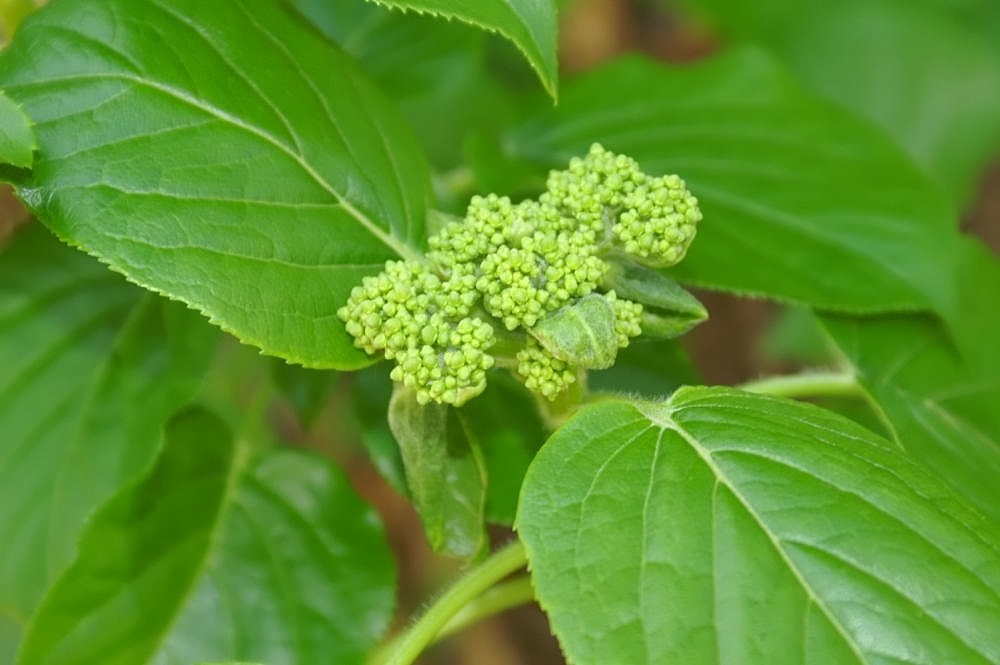
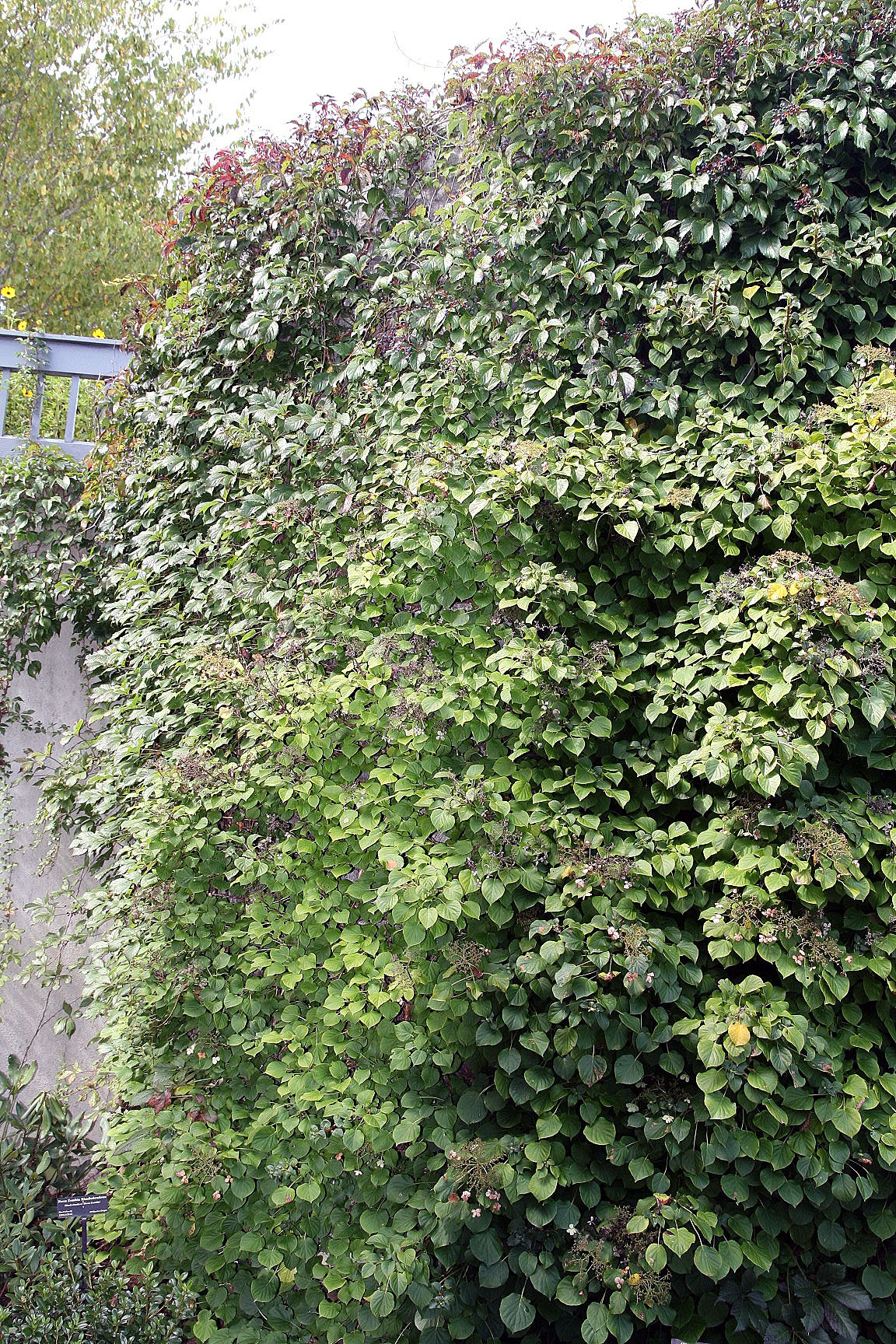
How to grow
Climbing hydrangea is a woody deciduous vine that climbs by aerial rootlets, so it needs a rough, sturdy surface to grip: a brick or stone wall, a strong trellis, or a sturdy fence. Smooth siding and painted wood are poor choices, since the rootlets grip best on texture and the vine gets heavy with age, reaching 30 to 50 feet. Plant in spring or fall in rich, moist, well-drained soil, digging a hole wider than the pot and watering deeply at planting. Do not expect a sprint. This vine is famously slow for its first few years while it builds roots, then it takes off. Give it a wall it can own for decades, and prune only lightly, right after flowering, to keep it inside its allotted space.
Water & feeding
Keep soil consistently moist, especially in the first two to three years; mulch thickly with compost or bark to hold moisture and feed the soil. Once established it tolerates drier spells better, but drought and hot afternoon sun both scorch leaves and cut flowering. A light feed of compost or a balanced fertilizer in spring is plenty. Worm castings worked into the planting hole and as a top-dressing suit this vine well, since it likes organic-rich soil.
Common problems
- Slow start — this is normal, not failure. Resist moving it; a settled plant outgrows a transplanted one.
- Leaf scorch in hot sun — site it in shade or morning sun, and water deeply in dry spells.
- Too vigorous on a small support — prune after bloom and never let it climb into gutters, roofs, or trees you value.
- Aphids and powdery mildew — usually minor; improve air flow, wash aphids off with water, and avoid overhead watering late in the day.
Harvest & notes
There is no crop to harvest here, unless you count the flowers. Cut a few lacecap clusters for a vase in late spring to early summer, when the white flowers are fully open and fragrant. Leave most blooms on the plant: they age gracefully, the peeling cinnamon-brown bark gives winter interest, and the vine’s real payoff is the wall of green and white it becomes, year after year.
Browse all plant & pest guides
Propagation
Climbing hydrangea is not a plant you propagate from seed if you value your time, your patience, or your sanity — though seed is technically possible, and we will get to it. The honest headline is that this vine is multiplied by cuttings and layering, because those methods give you a genetic copy of the parent plant, and because a seed-grown climbing hydrangea can take a very long time to reach flowering size. This is already a famously slow-to-establish plant; starting from seed adds years to a wait that is already measured in seasons. Cuttings and layering skip the queue.
Softwood cuttings are the classic route. In early to midsummer, once flowering is over, take 4- to 6-inch tips from healthy, non-flowering side shoots of the current season’s growth — flowering stems put their energy into blooms, not roots, so leave those alone. Cut just below a leaf node with clean, sharp secateurs, strip off the lower leaves, and leave two or three leaves at the top. Dip the cut end in rooting hormone if you have it, and set the cutting in a well-drained mix of peat and perlite or a good seed-starting mix. Then comes the part that matters most: humidity. Cover the pot with a clear plastic dome or bag, keep it out of direct sun, and keep the mix moist but never soggy. Roots form over several weeks, and you will know they have arrived when a gentle tug meets resistance and fresh leaves start to expand. Grow the young plant on in a pot for a full season before planting it out — a rooted cutting is not yet a wall-climber, and rushing it outside is how you lose it.
Layering is the lazier, and arguably more reliable, method, and it suits this vine beautifully because its stems naturally want to cling and root wherever they touch something. In spring, bend a low, flexible stem down to the soil, wound the underside lightly or simply pin it into contact with the ground, cover that section with soil, and leave the tip free. Keep it watered through the season. By the following spring the layered section should have its own roots and can be cut free from the parent and moved. It is slow, but it is nearly foolproof, since the parent plant feeds the new roots the whole time.
And seed? If you are determined, collect seed from mature dried flower heads in late summer or autumn, clean and dry it, and sow it in a seed-starting mix kept warm and moist — germination can take weeks to months, and the seedlings will not reliably match the parent, especially for variegated or named forms. For a named variety like a variegated climber, seed is simply the wrong tool: only cuttings or layering preserve the variegation. One Florida note: climbing hydrangea is a cool-climate, shade-loving vine that struggles with Florida heat and humidity, so most Florida gardeners will be propagating a plant they are already nursing along in deep shade with steady moisture — take cuttings from the healthiest, least stressed growth, and do not expect the vigour a northern garden gets.
Varieties
Every named variety of Climbing Hydrangea with its own growing guide:
- Miranda Climbing Hydrangea — The gold-edged climber: white lacecap flowers over dark green leaves edged in creamy gold, on a self-clinging vine.
- Silver Lining Climbing Hydrangea — The silver-edged climber: grey-green leaves margined in cream-white, with white lacecap flowers — the RHS-listed variegated form.