
🎺 Dutchman’s Pipe
What it looks like
How to grow
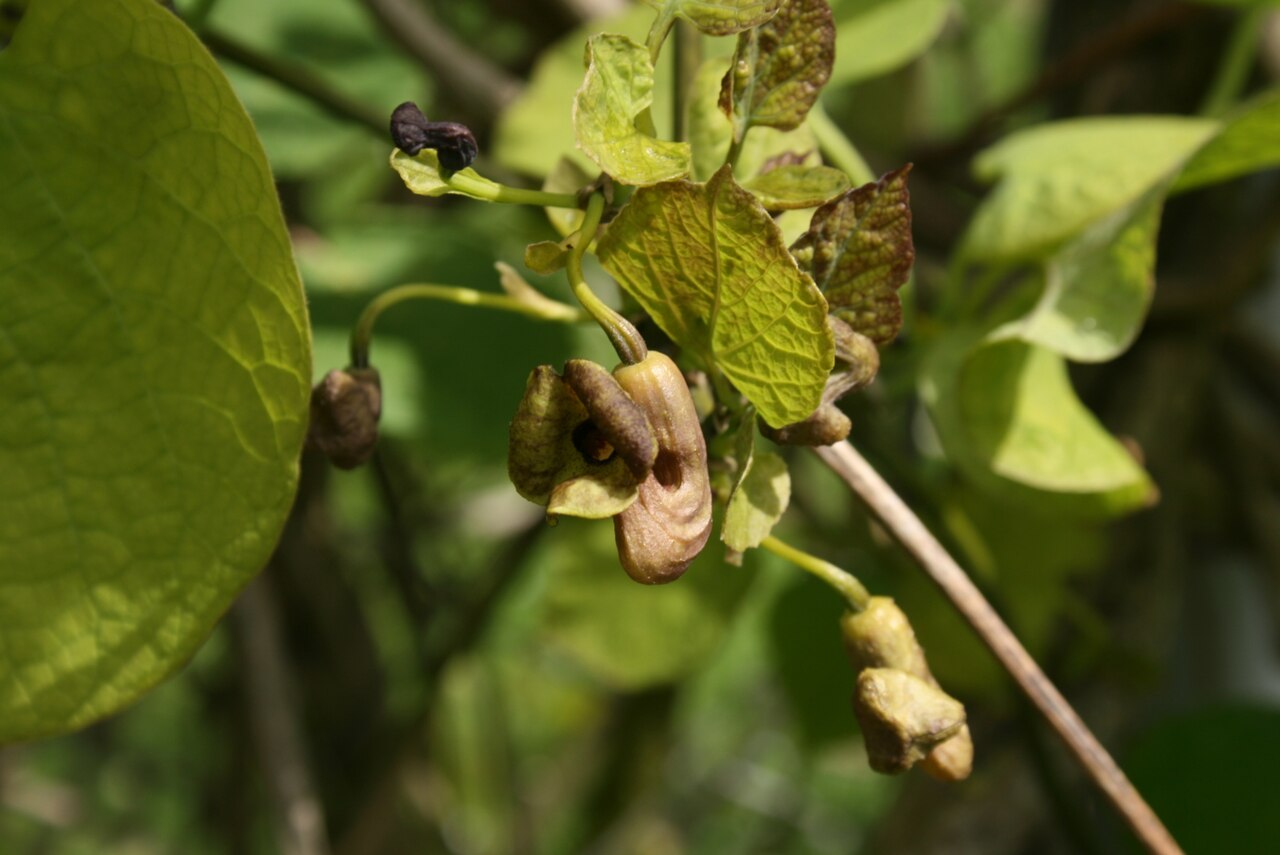
Dutchman’s pipe is a vigorous deciduous twining vine native to the eastern United States, grown for its huge heart-shaped leaves, which overlap like shingles and make a dense living wall on an arbor, pergola, or strong fence. Plant in spring in moist, rich, well-drained soil, and give it a support built to last: this vine reaches 15 to 30 feet and gets heavy. The pipe-shaped greenish-yellow flowers dangle in late spring to early summer, half-hidden under the leaves, so look underneath the canopy to admire them. Pinch shoot tips early to encourage branching and a fuller screen rather than a few long ropes of vine.
Water & feeding
Water deeply and regularly in the first season, then keep soil evenly moist; this vine dislikes drying out and sulks in drought. Mulch to hold moisture, and feed lightly in spring with compost or a balanced fertilizer. Avoid over-fertilizing, which pushes soft leafy growth at the expense of the vine’s structure. Shelter it from strong wind where possible, since large leaves tear and the vine can be pulled off a flimsy trellis.
Common problems
- Pipevine swallowtail caterpillars stripping leaves — this is the point for many growers: the vine is their host plant, and defoliated vines usually regrow. Plant extra if you want both butterflies and a screen.
- All parts are toxic if eaten — do not plant where curious children or pets graze, and wash hands after handling.
- Slow first year — roots first, top growth second; steady water and patience pay off in year two.
- Wind damage — use a sturdy, well-anchored support and tie in young stems.
Harvest & notes
No harvest is needed, and none should be eaten: every part of this plant is toxic to people and pets. The reward is the screen itself, the shade under it on a hot afternoon, and the pipevine swallowtails that visit. If you want seed, let the cucumber-like pods ripen and dry on the vine, then sow fresh seed in fall or stratify and sow in spring, keeping in mind that seedlings take a season or two to get going.
Saving seeds
Read this before you touch a pod: every part of Dutchman’s pipe is toxic if eaten, thanks to the aristolochic acids that make the genus famous in toxicology textbooks and unwelcome at dinner tables. Do not taste the seed, do not brew anything from it, keep it away from curious children and grazing pets, and wash your hands after handling pods and seed. With that out of the way, the seed itself is worth saving — it is also the plant’s butterfly nursery in waiting, since pipevine swallowtail caterpillars feed on this vine.
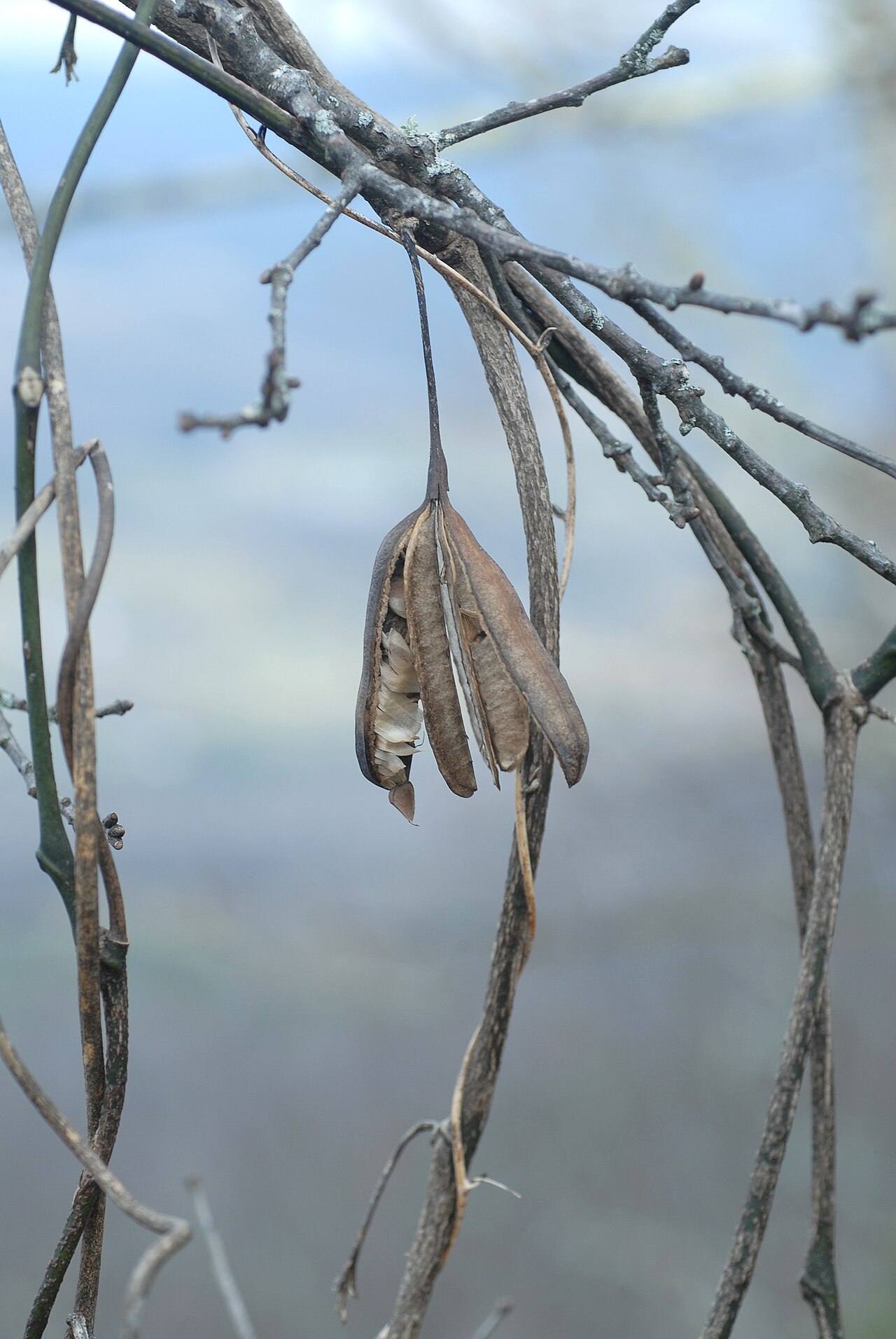
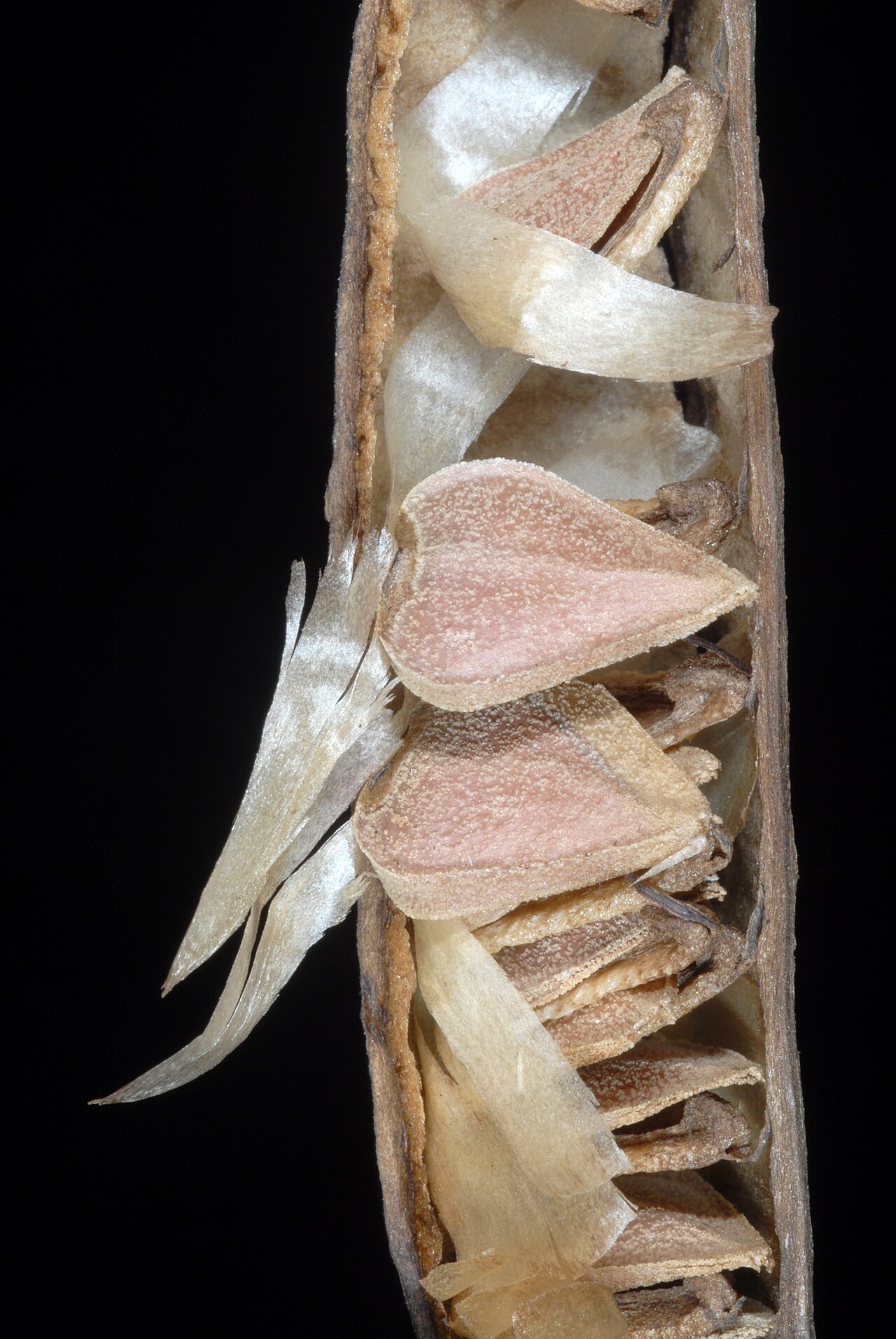
The fruit gives you a clear signal. After flowering, the vine forms long, cucumber-like capsules that turn brown and dry as they ripen, eventually splitting open on their own. Let them ripen and dry on the vine, then collect them just as they start to split — too early and the seed is immature, too late and it has already scattered. Split the capsules over a paper bag and shake out the flat brown seeds. There is little cleaning to do beyond picking out bits of capsule; a brief drying spell on paper in a cool, dry place finishes the job.
Freshness matters more here than with most garden seed. Dutchman’s pipe seed is short-lived, and germination is slow and uneven at the best of times, so seed saved this autumn and sown this autumn or next spring will outperform seed kept for years in a drawer. If you must store it, keep it cool, dark, and dry in a labelled airtight container — and in Florida humidity, add a desiccant packet and keep it in the refrigerator rather than trusting a shelf through summer. Even then, treat stored seed as a gamble and sow generously.
Sowing has two honest routes, and sources disagree on which works best, so here is the disagreement rather than a false certainty. The lazy route is to sow fresh seed outdoors in autumn and let winter do the work: cold, moist soil over winter breaks dormancy naturally. The controlled route is for stored seed: soak it for about two days in hand-hot water, changing the water as it cools, then give it a cold, moist stratification — seed mixed with damp sand or peat in a labelled bag in the refrigerator for around three months — before sowing shallowly in spring in a warm, moist, well-drained mix. Either way, keep the pots warm and consistently moist and be patient: sprouts may appear within a month, but stragglers can take two to three months, and that staggered, erratic germination is normal, not a sign you failed. Grow seedlings on in light shade through their first summer, protect them over their first winter, and plant out after the last frosts.
Seedlings of the straight species grow true to the species, which is the good news. The honest caveat is speed: seed is the slow road, and if you want an exact copy of a particular vine — or just a usable plant sooner — softwood cuttings in summer, layering a low stem into soil, or dividing rooted suckers will all beat seed for reliability. One last Florida note: this is a zones 4–8 vine, not a Florida native, so seed saving here is mostly an exercise for gardeners in its cooler range or for a container-grown plant; in Florida heat, expect a struggle, and keep an eye on self-sown seedlings and suckers wherever it does thrive.