
🍇 Mahonia
What it looks like
How to grow
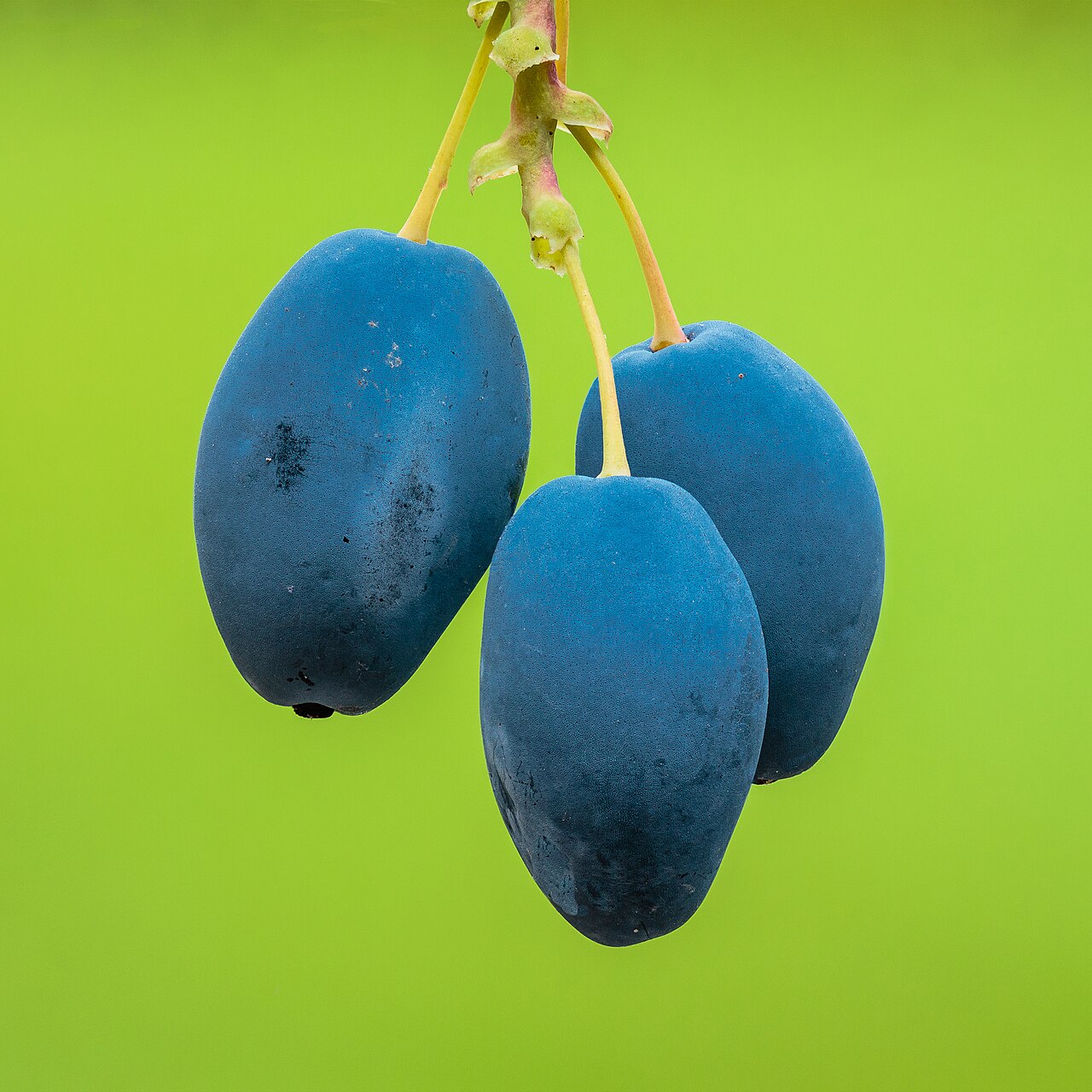
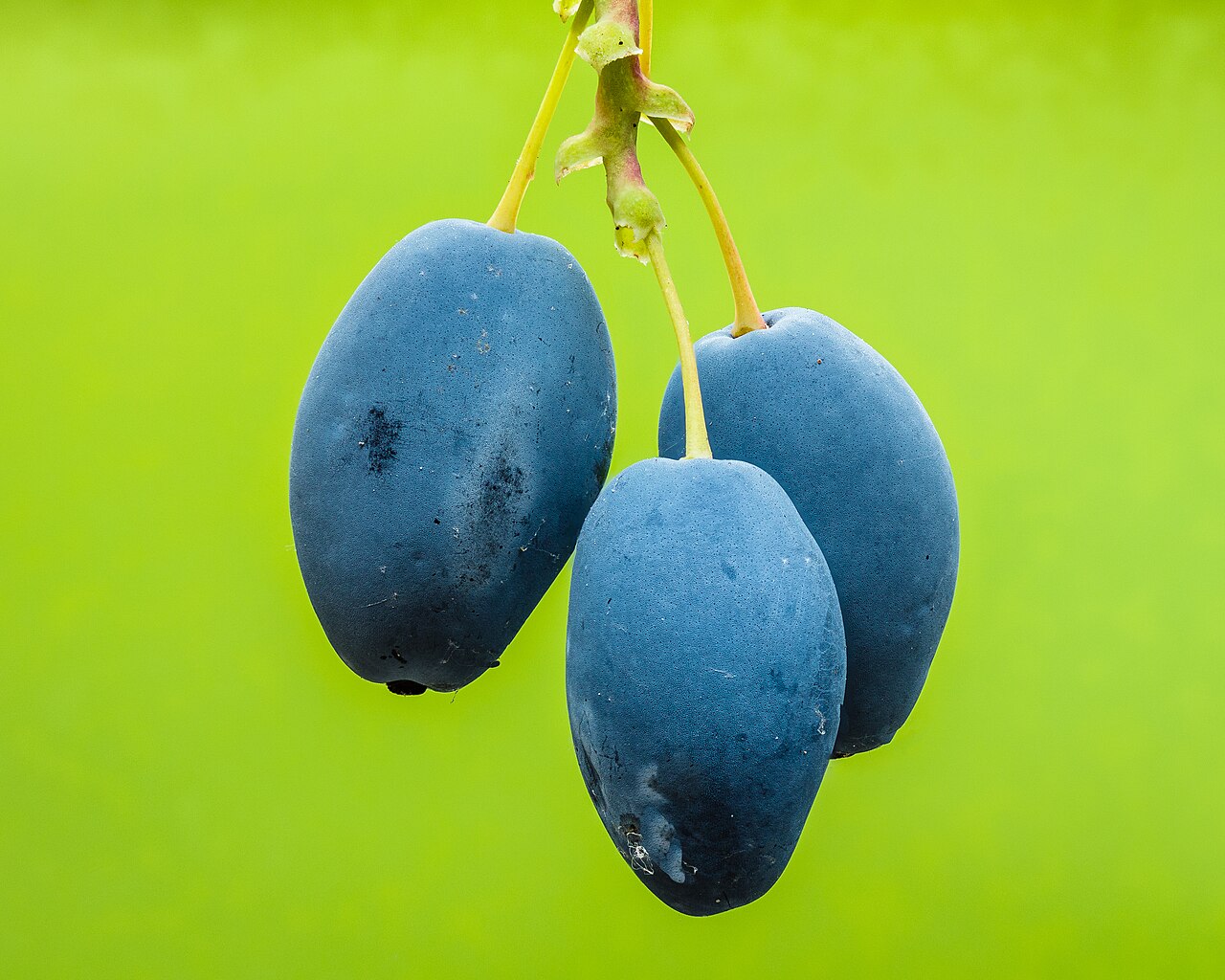
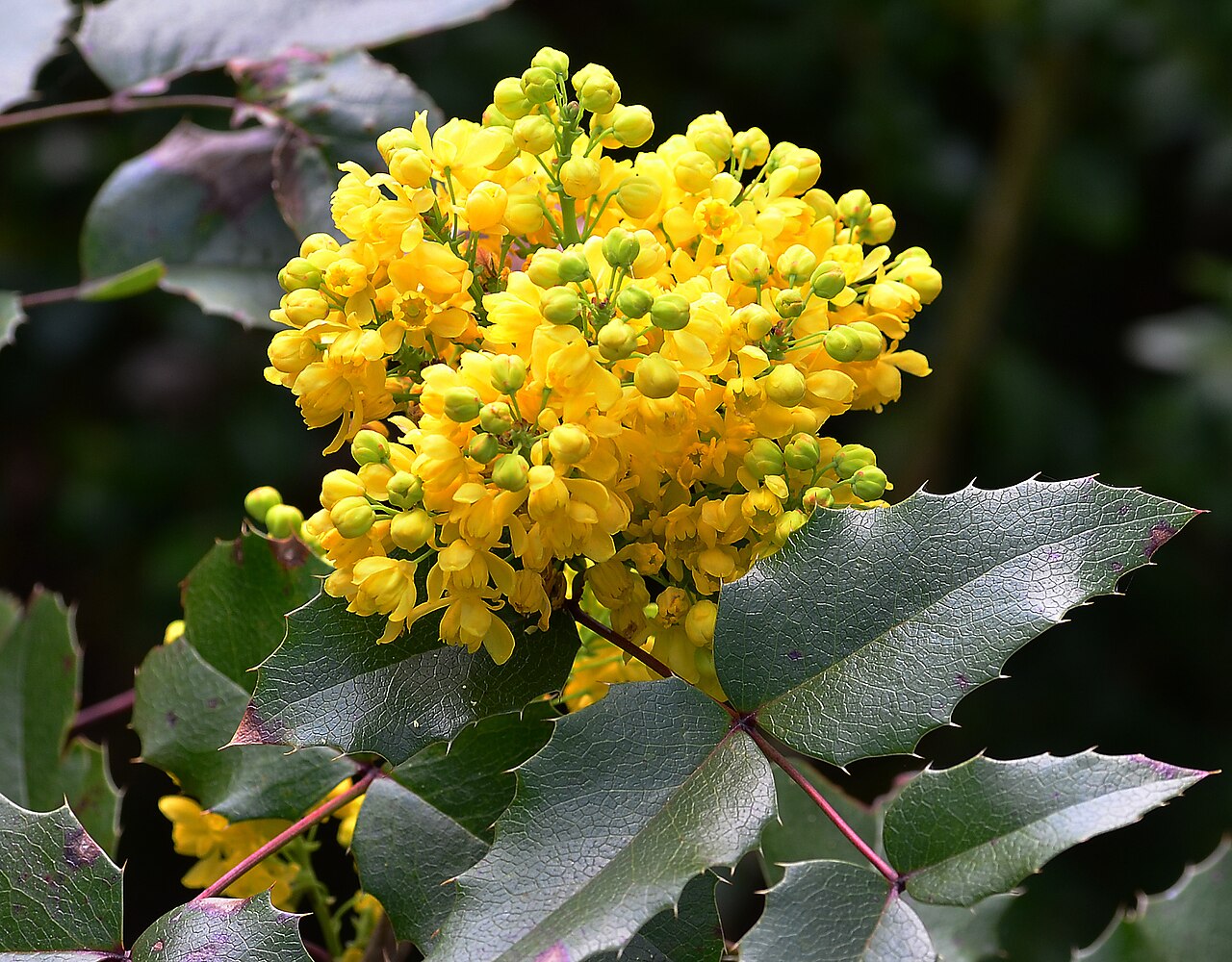
Mahonia, in the form most gardeners should grow, is Oregon grape: an evergreen shrub with spiny, holly-like leaves that emerge bronze, turn dark green in summer, and flush purple-bronze in winter. Fragrant yellow flower clusters open in late winter to early spring, followed by dusty blue-purple berries that birds love. It grows 3-6 feet tall and wide, with low creeping forms for groundcover. Plant in part to full shade — full sun bleaches and scorches the leaves — in humus-rich, well-drained soil, and shelter it from winter wind. This guide covers Mahonia aquifolium specifically, which extension sources list as not known to be invasive.
Water & feeding
Water regularly for the first season, then water only during dry spells; established Oregon grape is notably drought tolerant in dry shade, though it looks best with occasional deep watering. Mulch with compost or leaf mold. Feed rarely — compost at planting and every few years is enough; overfeeding produces soft growth. Prune in early spring after flowering, removing leggy or winter-damaged stems at the base.
Common problems
- Sun-scorched, bleached leaves — move to shade; this is a woodland plant, not a sun plant.
- Leaf spot and rust — usually minor; pick off affected leaves and improve air flow.
- Leggy growth — cut old stems to the ground in spring to encourage fresh basal shoots.
- Wrong mahonia — do NOT substitute leatherleaf mahonia (Mahonia bealei, syn. Berberis bealei), which is listed as invasive in North Carolina and other southeastern states and is not recommended for planting there.
Harvest
The berries are tart and edible when fully ripe and cooked — historically made into jelly — but they are not a reason to plant it in a vegetable garden, and raw berries are unpleasant. The real harvest is winter structure, early bee forage, and bird food. Propagate by semi-hardwood cuttings or by layering low stems.
Browse all plant & pest guides
Saving seeds
Mahonia seed is a cold-weather project, and the honest starting point is that this guide’s species, Oregon grape, is not a Florida plant. It is a cool-climate shade shrub, and everything in this section assumes the climate it actually wants.
The berries ripen in summer, turning dusty blue, and the seed is ready when the berries soften. Collect a few clusters, mash the berries gently, and rinse the pulp away in a bowl of water. The seed sinks and the pulp floats, which makes cleaning simple. Wear gloves, since the pulp stains and the leaves are spiny.
Mahonia seed needs cold stratification, and it needs a long one. Sources disagree on the exact length — some say two months, others say three or four — and the honest answer is that it varies by seed lot. Mix the cleaned seed with damp sand in a sealed bag, refrigerate it for three months as a middle ground, and sow in spring. Or sow the fresh seed outdoors in fall and let winter do the stratifying for you, which is the simpler route in a climate with a real winter. Germination is uneven and slow, sometimes taking a full season, so sow generously and be patient.
Named cultivars do not come true from seed, full stop. A seedling of an Oregon grape selection will be a mahonia, but it will not be that cultivar. Cuttings are the route to an exact copy, taken in late summer from semi-hardwood growth. Seed is the route to species plants and to the experiment.
Self-seeding happens wherever birds eat the berries, and a mahonia in a garden with birds will sow itself into shady corners. The volunteers are easy to move while small and spiny enough to discourage handling once they grow. And Florida honesty, again: Oregon grape wants cool summers and a real winter chill. In Florida it is a short-lived experiment at best, and the mahonias that do grow here are different species. This section is for the gardener in its proper climate, not a recommendation to plant it in a humid garden.