
💙 Baptisia
What it looks like
How to grow
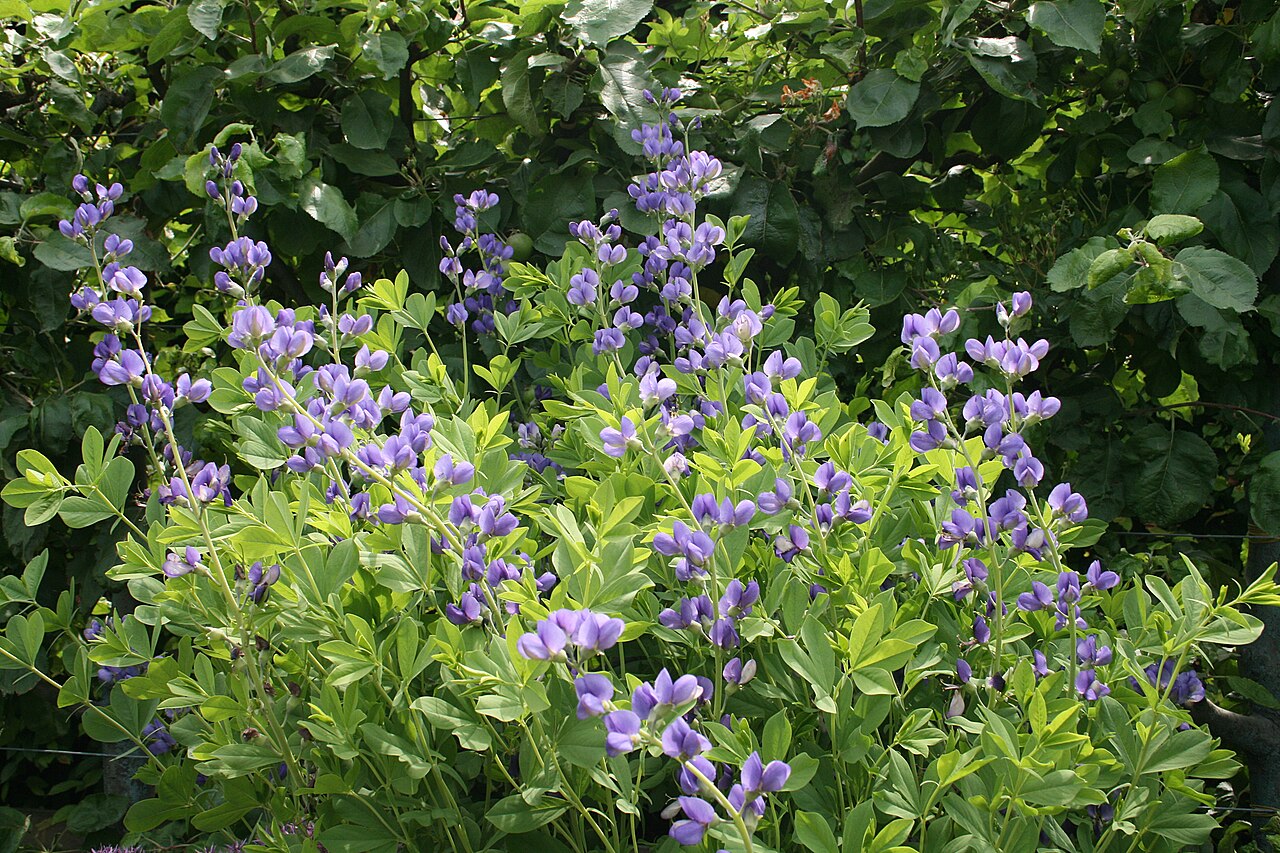
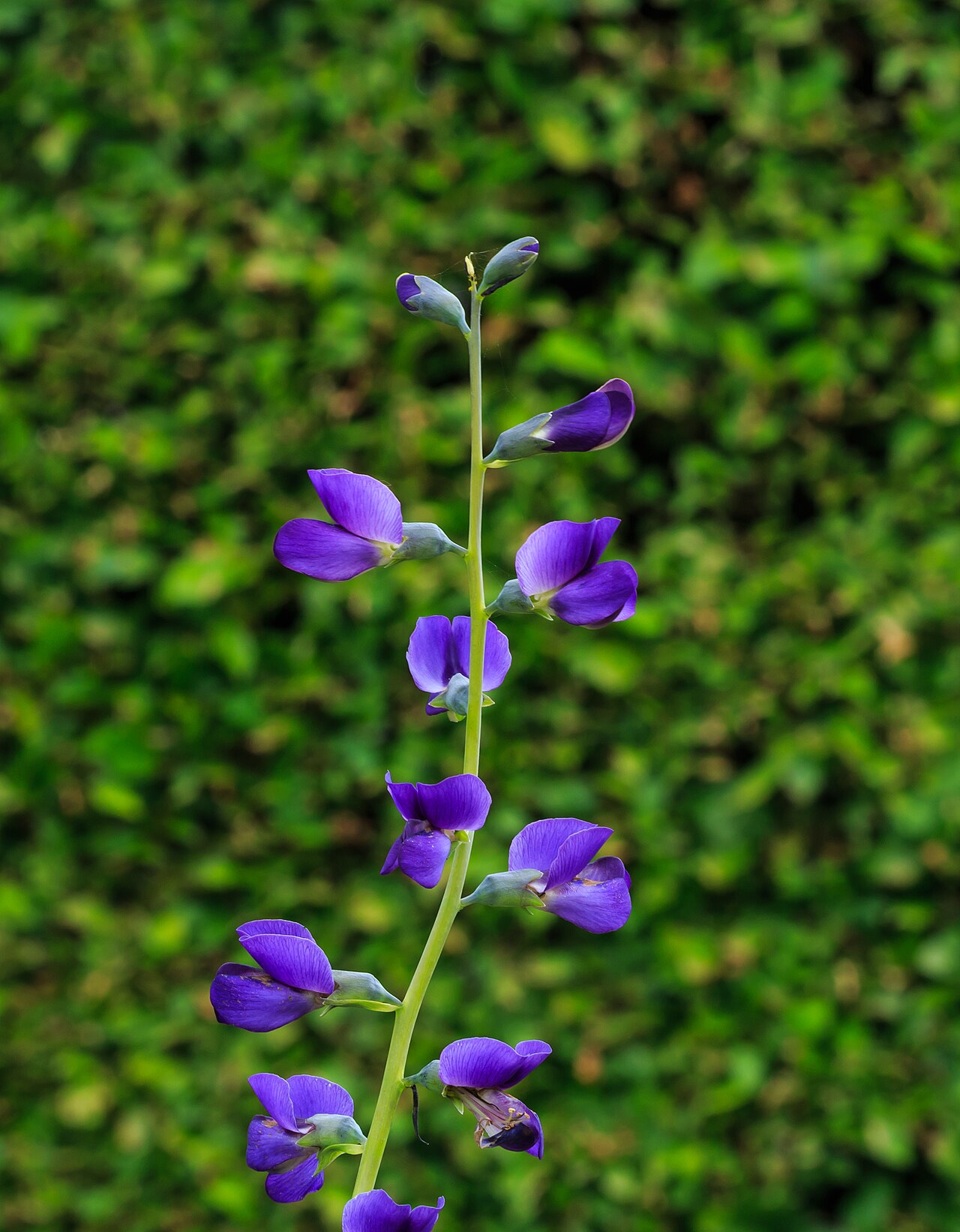
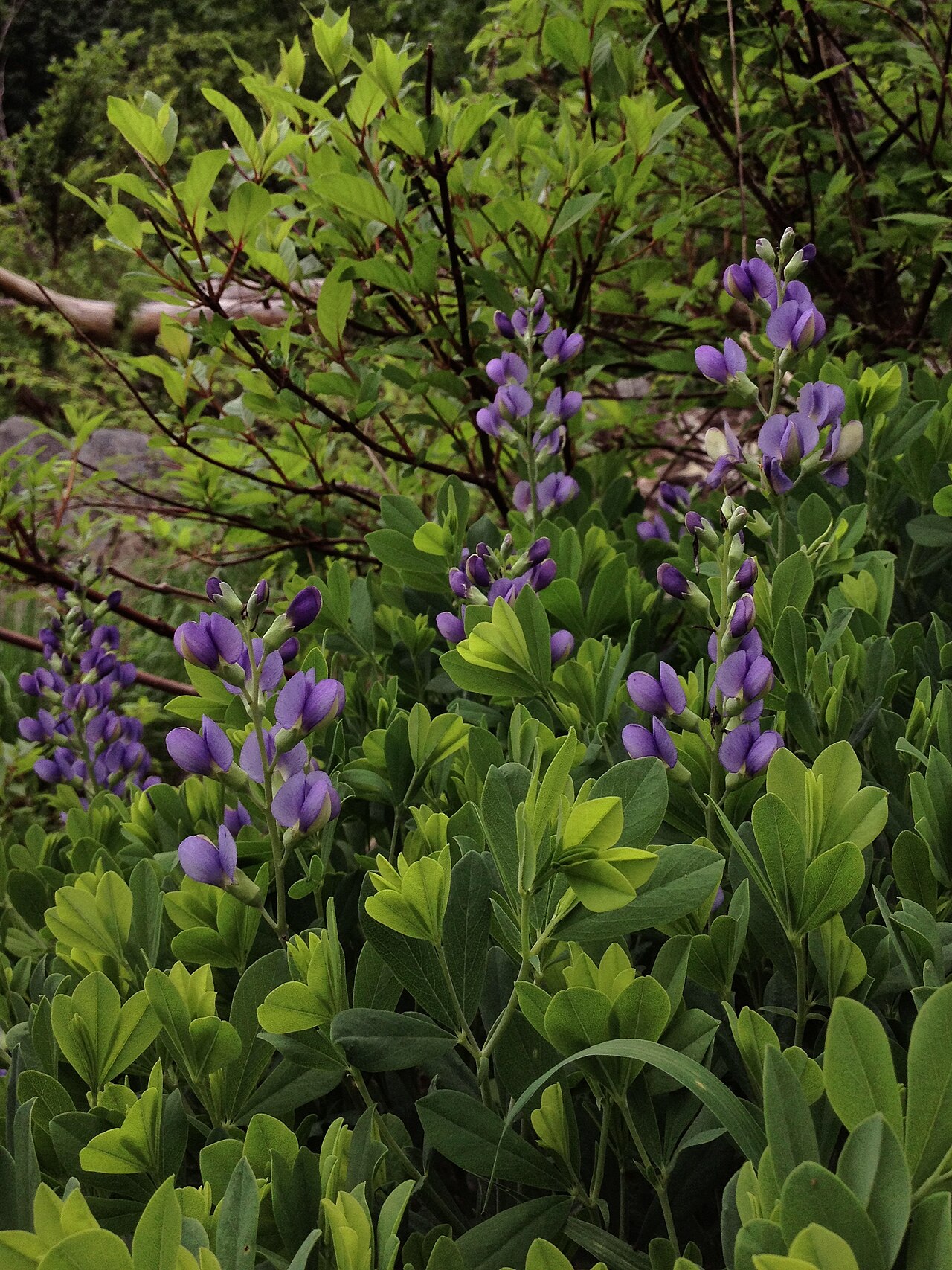
Baptisia, also called wild indigo or false indigo, is a long-lived native perennial that grows into a shrub-like mound 3–4 feet tall and wide, with blue-green trifoliate leaves and lupine-like spikes of blue, white, or yellow flowers in late spring to early summer. Plant it in spring or fall in full sun and well-drained soil, and plant it where it can stay: a deep taproot makes established plants very hard to move, so give it its permanent spot from day one. From seed, soak and scarify, sow in fall or stratify indoors, and be patient — seedlings spend their first seasons building roots before they flower. Nursery plants are the shortcut most gardeners take. After bloom, either leave the handsome blue-black seed pods for winter interest or cut the plant back by about a third to keep it tidy.
Water & feeding
Water deeply through the first season while roots establish, then back off — baptisia is drought-tolerant once settled and prefers soil that dries between waterings. It is a light feeder and a nitrogen-fixer, so rich soil and heavy fertilizer mostly produce leafy growth at the expense of flowers. A little compost at planting is plenty, and worm castings worked into the bed are more than enough thereafter.
Common problems
- Flopping in shade — give full sun; plants grown in shade grow leggy and need staking.
- Slow to establish — this is normal, not failure; do not dig it up to check on it.
- Poor bloom in rich, wet soil — move to leaner, better-drained ground at planting time.
- Seed pods rattling — harmless; cut them off if you dislike the sound or look.
Notes
Baptisia is grown for flowers and foliage, not food: parts of the plant are toxic if eaten, so admire it and keep it out of the salad bowl. Leave stems standing over winter where you can — they mark the spot and shelter insects — and cut back dead growth in early spring before new shoots appear. Divide only if you must, and only while plants are young, because that taproot resists division.
Browse all plant & pest guides
Saving seeds
Baptisia is one of the great seed-saving plants, and it announces ripeness with a sound effect. After the blue pea-flowers fade, inflated pods form, turning from green to charcoal black by late summer. When they are dry, give a stalk a shake: if the seeds rattle inside like a tiny maraca, they are ready. Snip the pods into a paper bag, let them dry a week or so more, then crack them open and shake out the hard, kidney-shaped seeds, brown to dark brown when mature. A seed that is pale, shriveled, or suspiciously light may have been hollowed out by the weevils that famously infest baptisia pods — they do not hurt the plant’s looks, but they can leave you with far fewer viable seeds than the pod count promised, so save from plenty of pods and discard the duds.
The seed coat is the whole puzzle. It is hard enough to shrug off water, which is why untreated seed germinates erratically or not at all. Scarify each seed by rubbing it gently on sandpaper or nicking it with a file until you just see a pale spot through the coat — and stop there, because grinding onward can kill the embryo inside. Sow about half an inch deep in moist, well-drained mix. Here the sources honestly disagree, and you deserve to hear that rather than a fake consensus: some growers scarify and sow in spring with good results and no chilling at all, others recommend a short cold, moist chill of around ten days to a few weeks, and still others insist on a month or more. Fresh seed seems the most forgiving; older seed leans harder on both scarification and chilling. The easy way to let nature settle the argument is fall sowing outdoors, where winter does the chilling for you — or scarify in spring and accept that germination may be staggered over a few weeks rather than uniform.
What you grow from seed is, for the straight species, reliably the species itself — but seed from a named cultivar or a hybrid may wander in color and habit, so if you want an exact copy of a favorite cultivar, that is a job for careful division, not seed. And division is a reluctant fallback anyway, because baptisia grows a deep taproot and resents being moved once established; seed is genuinely the better way to multiply it. Expect patience on the other end too: a seedling takes several years to reach flowering size, which is the price of a perennial that then lives and blooms for decades with almost no attention.
Florida storage notes apply with extra force here, because humidity is the enemy of stored seed: dry your seed thoroughly, then keep it in a labeled, airtight container with a desiccant packet, cool and dark. And one plain safety note — baptisia is toxic if eaten. All parts contain alkaloids that can cause nausea, vomiting, and worse, and the young shoots have famously been mistaken for asparagus with miserable results. These seeds are for planting, never for tasting, and they should stay out of reach of children and pets.
Varieties
Every named variety of Baptisia with its own growing guide:
- Purple Smoke Baptisia — The smoky-violet false indigo: a hybrid of blue and white wild indigos, with lupine-like spikes in a color no species quite manages.
- Solar Flare Baptisia — The yellow-to-orange false indigo: tall spikes of sunny-yellow pea flowers that age to orange with a purplish tinge, over gray-green foliage.
- Twilite Prairieblues Baptisia — The two-tone burgundy-and-gold false indigo: over 100 spikes per mature plant of deep violet-purple flowers with a soft yellow keel.