
🦋 Joe Pye Weed
What it looks like
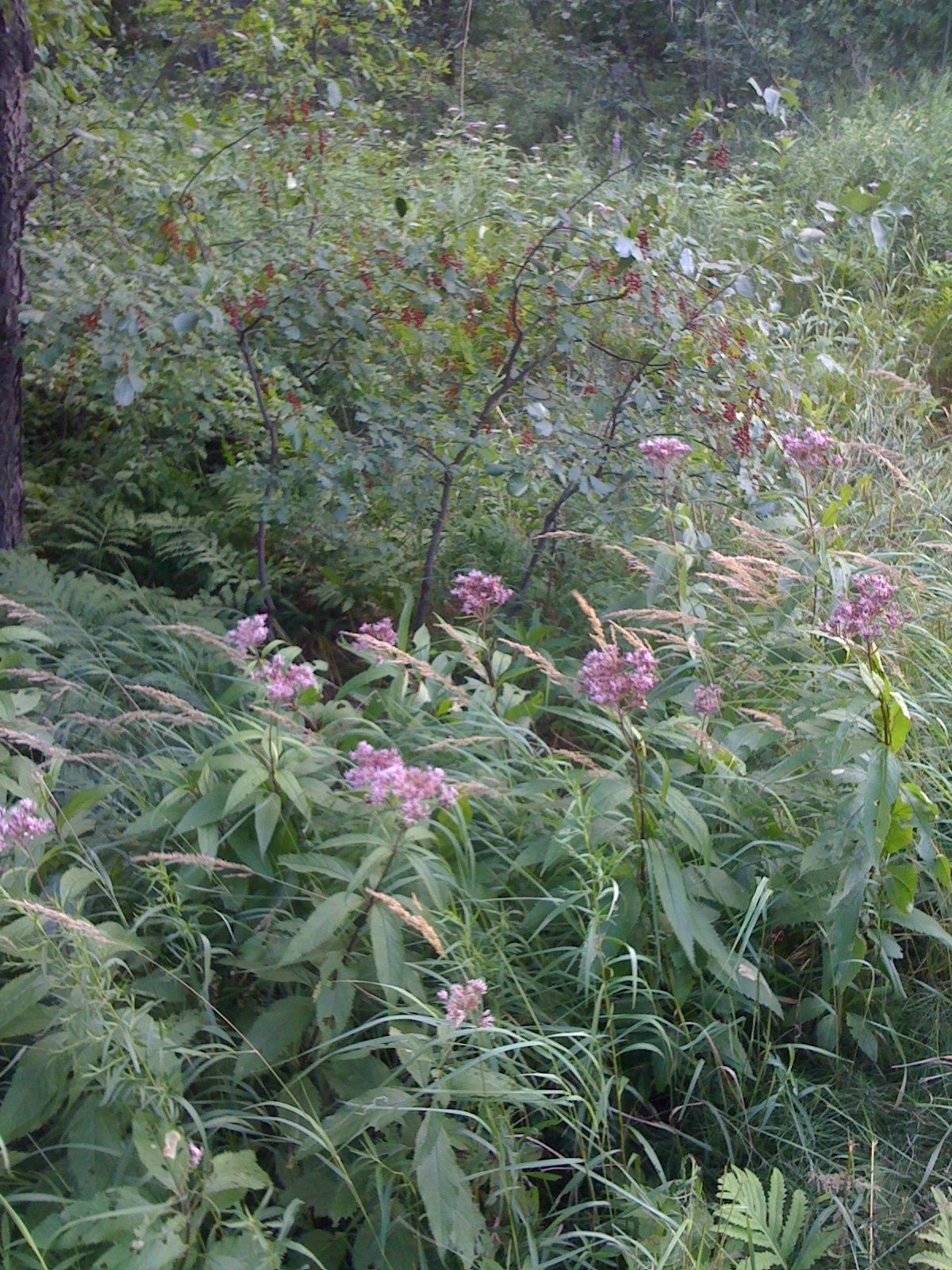
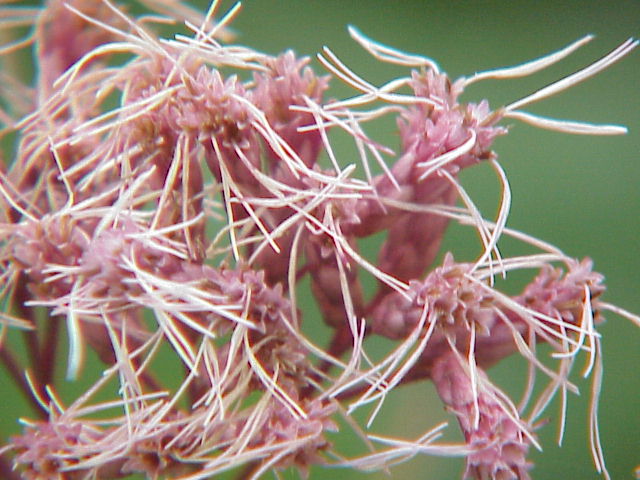
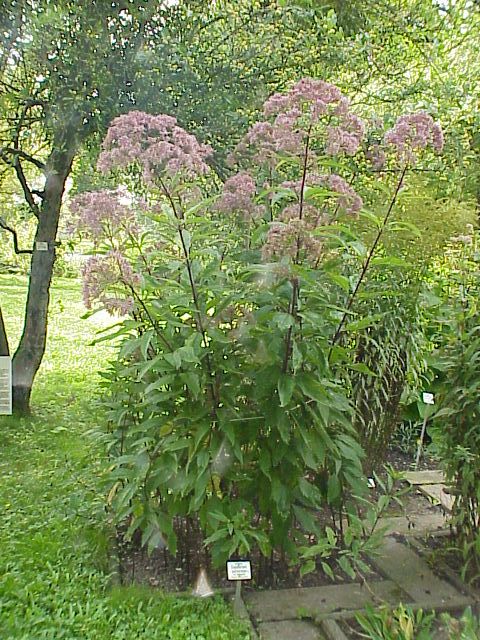
How to grow
Joe Pye weed is not a weed at all but a stately native perennial, 4–7 feet tall, topped in mid to late summer with huge domed clusters of mauve-pink flowers that smell faintly of vanilla. Plant it at the back of the border, in a rain garden, or beside a pond — anywhere the soil stays moist. It tolerates clay and wet feet far better than most perennials, and it sulks in dry soil, so do not plant it in a hot, dry bed and expect miracles. Set nursery plants in spring or fall, mulch well, and mark the spot: it emerges late in spring, and more than one gardener has dug up a perfectly healthy crown thinking it died. Pinch stems in early June if you want shorter, bushier plants.
Water & feeding
Keep soil consistently moist, especially in the first year and through dry spells; mulch helps enormously. Joe Pye weed is a moderate feeder — compost at planting and a spring top-dressing are enough. In a genuinely wet spot it may need almost no supplemental water at all, which is the whole point of planting it there.
Common problems
- Wilting in dry soil — water deeply and mulch; this plant is a drinker, not a xerophyte.
- Flopping — pinch in June or site it where neighboring plants give support.
- Late emergence — wait until late spring before declaring it dead.
- Self-seeding — deadhead if you do not want seedlings, or leave seed heads for birds through winter.
Notes
Cut stems back to 4–8 inches in spring once new growth appears, or leave the seed heads standing all winter for birds and winter structure — both are legitimate, and the birds vote for the second option. Divide clumps in spring every few years if the center thins. Despite the medicinal history in its name, grow it for pollinators and cut flowers, not as a home remedy.
Browse all plant & pest guides
Saving seeds
Joe Pye weed saves its own seed with flair — the fluffy, tan seed heads that follow the pink flower domes are built to ride the wind, which means your job is mostly about timing. Collect in late September into October, when the heads have turned tan and the feathery pappus is fully extended. Cut whole heads into a paper bag (never plastic — trapped moisture is the enemy), let them finish drying indoors for a week or so, then rub the heads between your palms over a tray to free the tiny achenes and winnow away the chaff with a gentle breeze or a fan on low. The seed is small and light, so work over white paper and out of the wind, or your harvest will leave without you.
Here is the honest disagreement: sources do not agree on how much cold the seed needs. Some give about 60 days of cold-moist stratification, others stretch it to three months or even 90–120 days, and the North Carolina Extension service simply says sow in fall because the seed requires three months of cold. The practical answer is to let nature do the measuring — sow fresh seed outdoors in fall and let winter chill it for you — or, if you are starting indoors, mix the seed with damp vermiculite in a sealed bag and refrigerate it for two to three months, checking now and then that the mix stays moist, never soggy. If you have plenty of seed, hedge your bets: stratify half for two months and half for three, and see which batch wakes up first.
Sow on the surface or barely cover the seed — it needs light to germinate — on moist seed-starting mix, and keep the tray bright and warm, roughly 65–80°F. Expect sprouts in about 14–30 days after chilling, though some seed straggles longer. Germination is often low even when you do everything right, so sow thickly and do not throw the tray away in frustration; a flat that looks dead in week three can surprise you in week five. Prick seedlings out once they are big enough to handle, and grow them on in pots until they are sturdy.
Two more truths before you fill the seed rack. First, division is the faithful route if you want an exact copy of the plant you already have — lift and split the clump in spring or fall, and each division blooms true to the parent. Seed-grown plants vary a little, which is half the charm in a meadow planting. Second, this plant self-seeds freely where it is happy, so deadhead after bloom if you would rather it did not wander, or let it drift and thin the extras in spring. Save from several plants rather than a single champion, and you will keep the population vigorous instead of narrowing it down to one plant’s quirks.
In Florida, be honest with yourself about this one: Joe Pye weed is a cool-climate native that wants moist soil and summers that are not a furnace. In north Florida, give it the moistest, partly shaded spot you have and it may settle in; in central and south Florida, treat it as a short-lived experiment rather than a permanent resident. Good seed cannot fix a climate mismatch — it can only give you the best possible start in the right spot.
Varieties
Every named variety of Joe Pye Weed with its own growing guide:
- Gateway Joe Pye Weed — The compact Joe Pye: dusty-rose flower domes on a 5-foot plant, the Joe Pye for gardens without room for a giant.
- Little Joe Joe Pye Weed — The small Joe Pye: mauve-pink domes on a 3- to 4-foot plant, the Joe Pye for small borders and containers.