
💛 Winter Aconite
What it looks like
How to grow
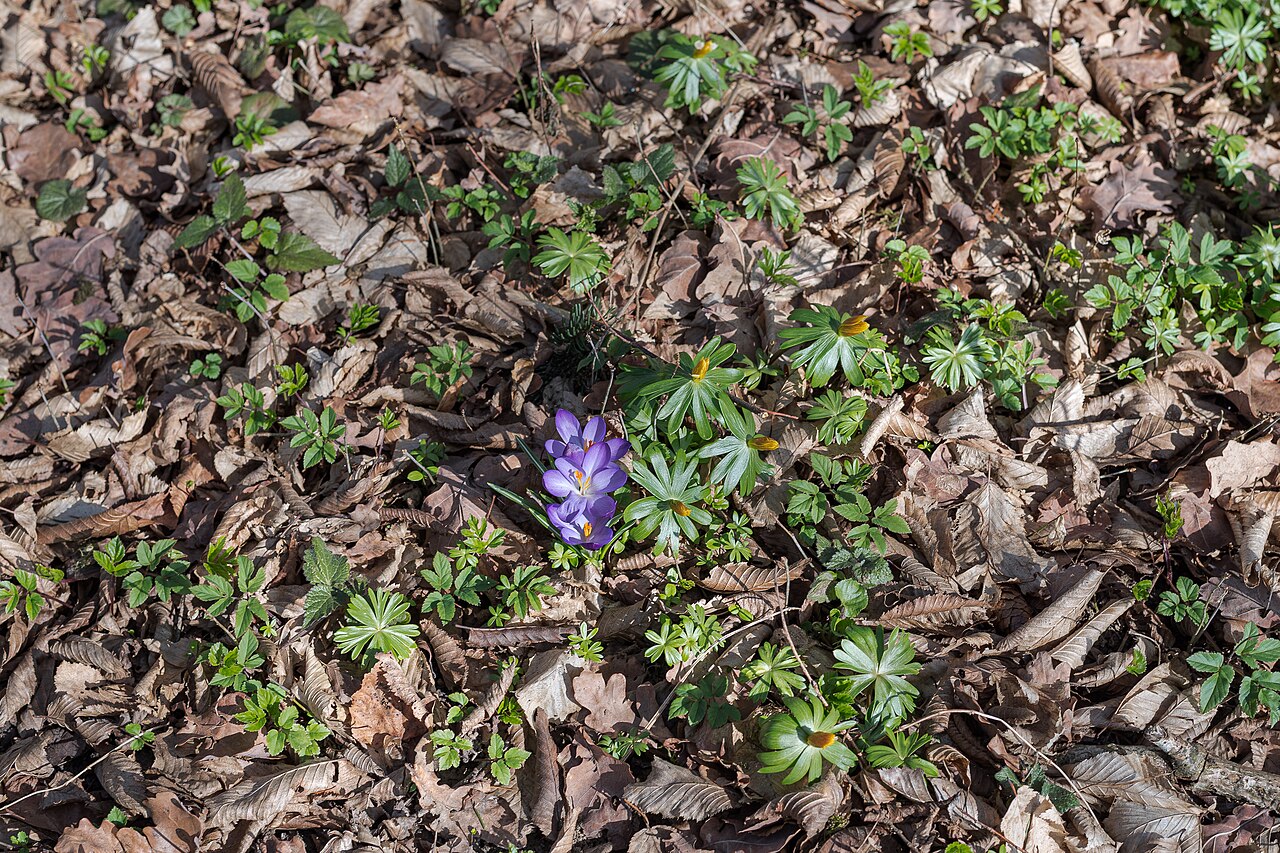
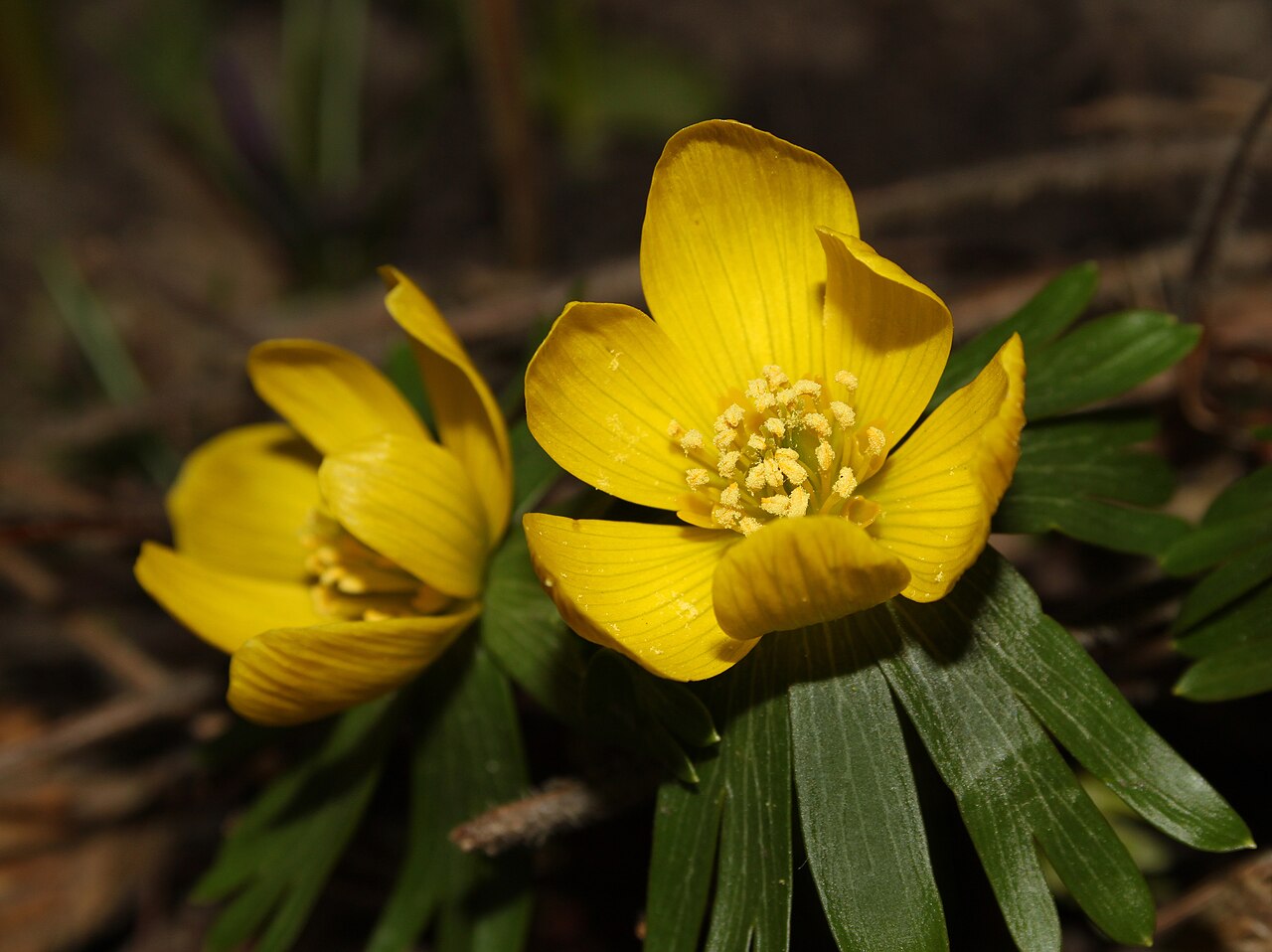
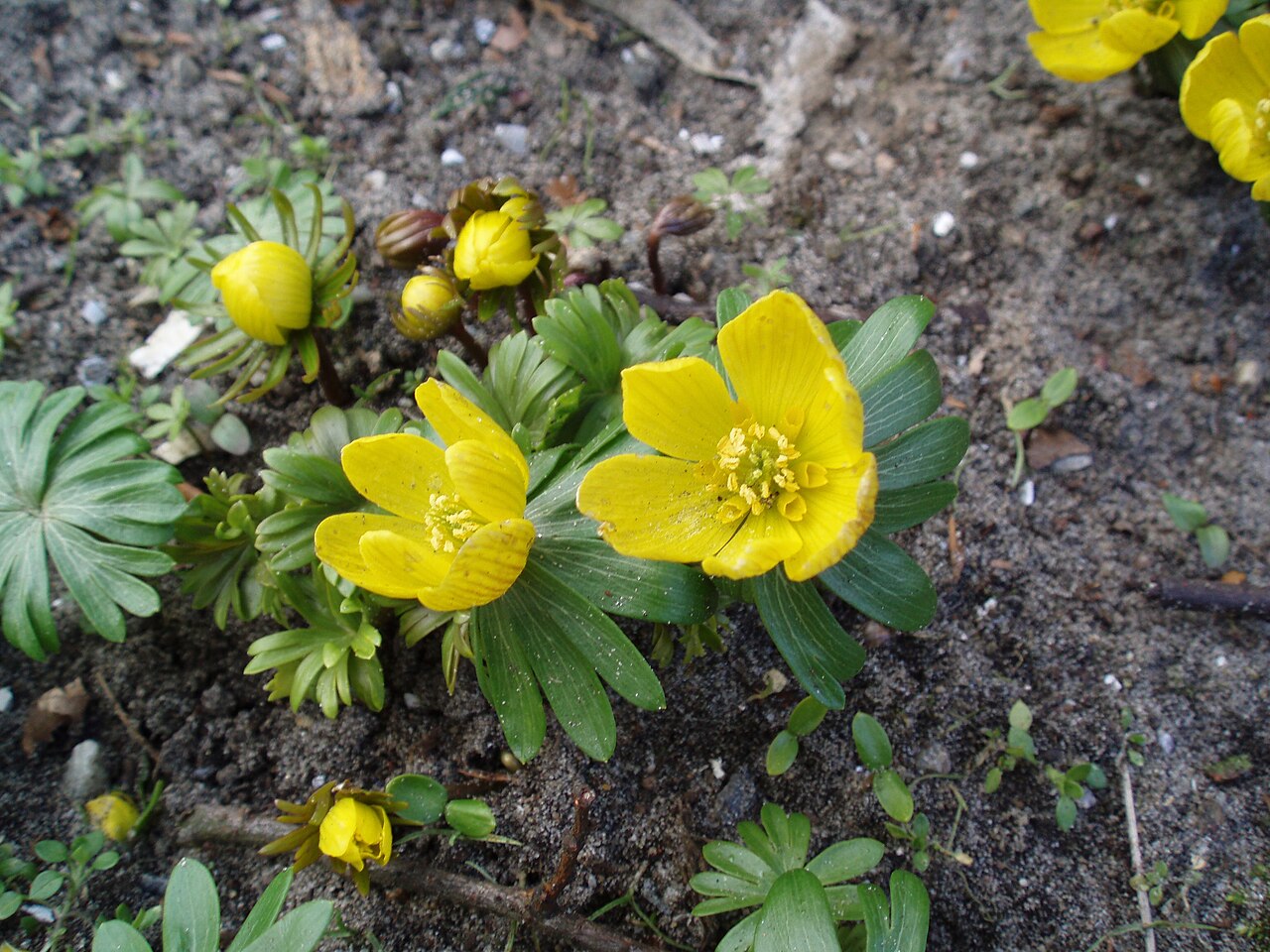
Winter aconite is a tiny, tough herald of spring: 3–6 inches tall, with a bright yellow buttercup-like flower ringed by a green leafy collar, blooming in late winter often alongside snowdrops. It is at its best under deciduous trees and shrubs, where it gets winter sun and summer shade, in moist, humus-rich, well-drained soil. Plant the small, knobbly tubers in fall, 2–3 inches deep and 3–4 inches apart, in drifts — one aconite is a curiosity, a hundred are a carpet. Soak tubers overnight before planting; dry tubers are the commonest cause of failure. Like snowdrops, winter aconite prefers cool climates and fades in hot-summer regions, and it naturalizes by self-seeding into colonies over time. All parts are toxic if eaten — this is a look, don’t taste, flower.
Water & feeding
Keep soil moist through growth and bloom and do not let it dry out in summer while tubers rest; a leaf-mold mulch helps. Feed with leaf mold or compost in fall. Water in dry summers.
Common problems
- Tubers failing — soak overnight before planting and buy fresh stock; old, dried tubers often fail.
- Summer drought — mulch and water; tubers must not bake.
- Short life in hot climates — give shade and moisture, or accept a shorter show.
- Foliage cut too soon — let leaves die back naturally after bloom.
Notes
Leave foliage to die back naturally, and let plants self-seed — colonies improve with age. Divide crowded clumps after flowering if needed, handling tubers gently. Winter aconite pairs with snowdrops and early crocus for the earliest spring display, and its yellow is a welcome shock after months of gray.
Browse all plant & pest guides
Saving seeds
Winter aconite seed is a patience test with double dormancy: it wants a warm spell and then a cold spell before it will sprout. Sow fresh seed in summer in a pot of moist mix and leave it outside — the warm months satisfy the first dormancy, winter satisfies the second, and sprouts usually come in the second spring. Or mimic it indoors: a few months warm and moist, then a few months in the fridge, then sow warm. Either way, do not throw the pot out after a year of nothing.
Let the seed pods ripen on the plant until they are dry and beginning to split, then collect them into a paper bag — the pods pop open and scatter, so check them often once they start to dry. Sow fresh if you can; winter aconite seed does not store well, and dried seed may never germinate.
Division is the practical route: lift the tubers in summer, after the foliage dies back, and replant them right away — they dry out fast and do not store. Every tuber is a clone of the parent, and it flowers far sooner than a seedling — which takes two to three years to bloom. Seed is for starting from scratch and for the patient gardener.
And the Florida honesty: winter aconite wants a real winter, for zones 4 to 8, and it does not grow in Florida. This section is for the reader in a colder climate, where winter aconite comes back year after year.
Varieties
Every named variety of Winter Aconite with its own growing guide:
- Guinea Gold Winter Aconite — The big golden aconite: larger, longer-lasting butter-yellow cups than the species — the winter aconite that shouts spring first.