
🌳 Poplar
What it looks like
How to grow
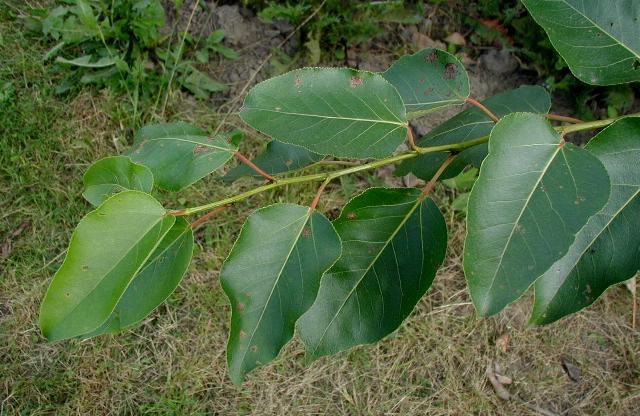
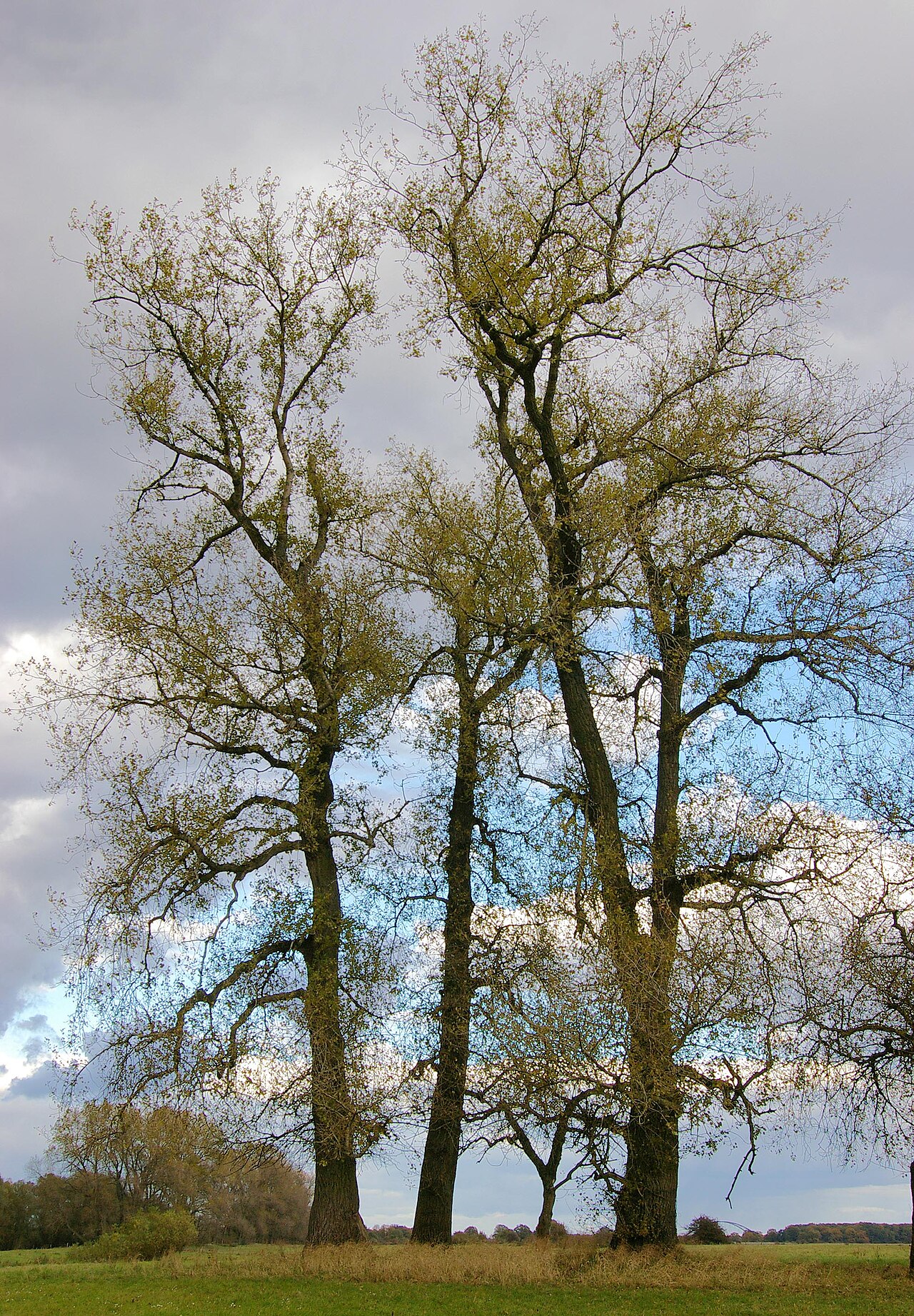
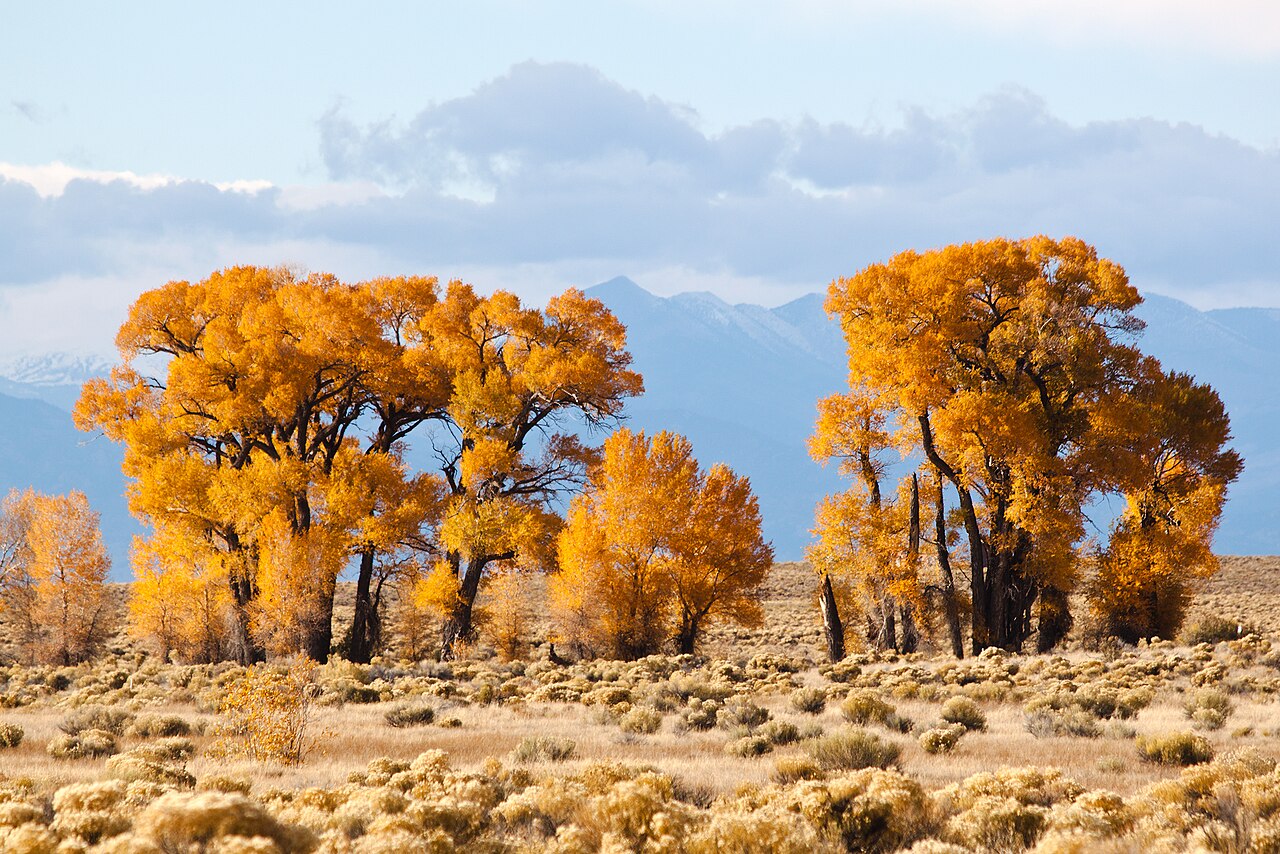
Poplar is a genus of fast-growing deciduous trees that includes eastern cottonwood, quaking aspen (already covered in its own guide) and the hybrid poplars sold for quick screens and windbreaks. Hybrid poplar, a cross of eastern cottonwood and black poplar, is the usual garden choice: 40-60 feet tall, seedless in the common shade forms, with large glossy leaves that turn yellow in autumn. Plant in full sun in moist, fertile soil, far from buildings, drives, water lines and septic systems, because poplar roots are aggressive and thirsty, and keep it away from neighbours’ boundaries too. Treat poplar as a fast, relatively short-lived tree — a few decades of excellent service, not a legacy planting.
Water & feeding
Water generously while establishing and in dry spells; poplars are thirsty trees and grow fastest with steady moisture. They need almost no fertilizer in decent soil, and overfeeding only pushes weak, breakable growth.
Common problems
- Aggressive roots lifting paving and invading pipes — site it far from all infrastructure, with no exceptions.
- Canker, leaf rust and leaf spot — common on poplars; choose resistant hybrids and keep trees vigorous.
- Brittle wood and storm breakage — prune young trees for structure and expect a shorter life than oak or maple.
- Cottony seed fluff on female cottonwoods — plant seedless hybrid forms if fluff bothers you.
Notes
Poplar’s speed is its gift and its warning: five feet a year will screen a view in a hurry, and a poplar windbreak can transform a bare property in a single decade. Plant it as a nurse tree or a quick screen, and underplant slower, longer-lived trees to take over when the poplars age out.
Browse all plant & pest guides
Saving seeds
Poplar seed comes with a deadline measured in days, not months. The seed is tiny, tufted with cottony fluff, and it is viable for only a very short time after it leaves the catkin — days to a couple of weeks at most. There is no storing poplar seed on a shelf for next spring. If you want to grow poplar from seed, you collect it and sow it the same week, while it is still fresh.
Collect the fluffy seed as the catkins release it in spring — late spring for most species — and sow it immediately on the surface of constantly moist, rich soil. Do not bury it: poplar seed needs light and moisture, so press it gently onto wet mix and keep it wet, not just damp. Germination comes in days when conditions are right, and the seedlings are thread-thin at first, so water with a mister and give them bright light. Keep the soil wet for the first few weeks; a poplar seedling that dries out once is a dead seedling.
The honest note is that seed is the hard way to grow a poplar, and cuttings are the practical route. Poplar cuttings root so readily that commercial growers almost never bother with seed — a hardwood cutting taken in late winter, stuck in moist soil, roots in weeks and gives you an exact copy of the parent. Seed is for the experiment and the restoration project, where genetic diversity matters more than uniformity. Seedlings also vary, and a seedling from a named cultivar will not be its parent.
In Florida, poplars are a mixed bag: a few species grow here, but most poplars want cooler summers and more chill than Florida reliably gives, and they are short-lived, thirsty trees with aggressive roots. Plant them far from pipes, septic systems, and foundations, and think twice before planting one at all in a small yard. If you do grow from seed, sow in a pot you can keep wet, and plant out in the cool season when the seedling has roots to spare.
Varieties
Every named variety of Poplar with its own growing guide:
- Italica Poplar — The exclamation-mark tree: Lombardy poplar’s narrow column of green, for screens and punctuation, in north Florida only.
- Siouxland Poplar — The cottonwood without the cotton: a seedless male that grows several feet a year and never snows fluff on your porch.