
🌟 Glory of the Snow
What it looks like
How to grow
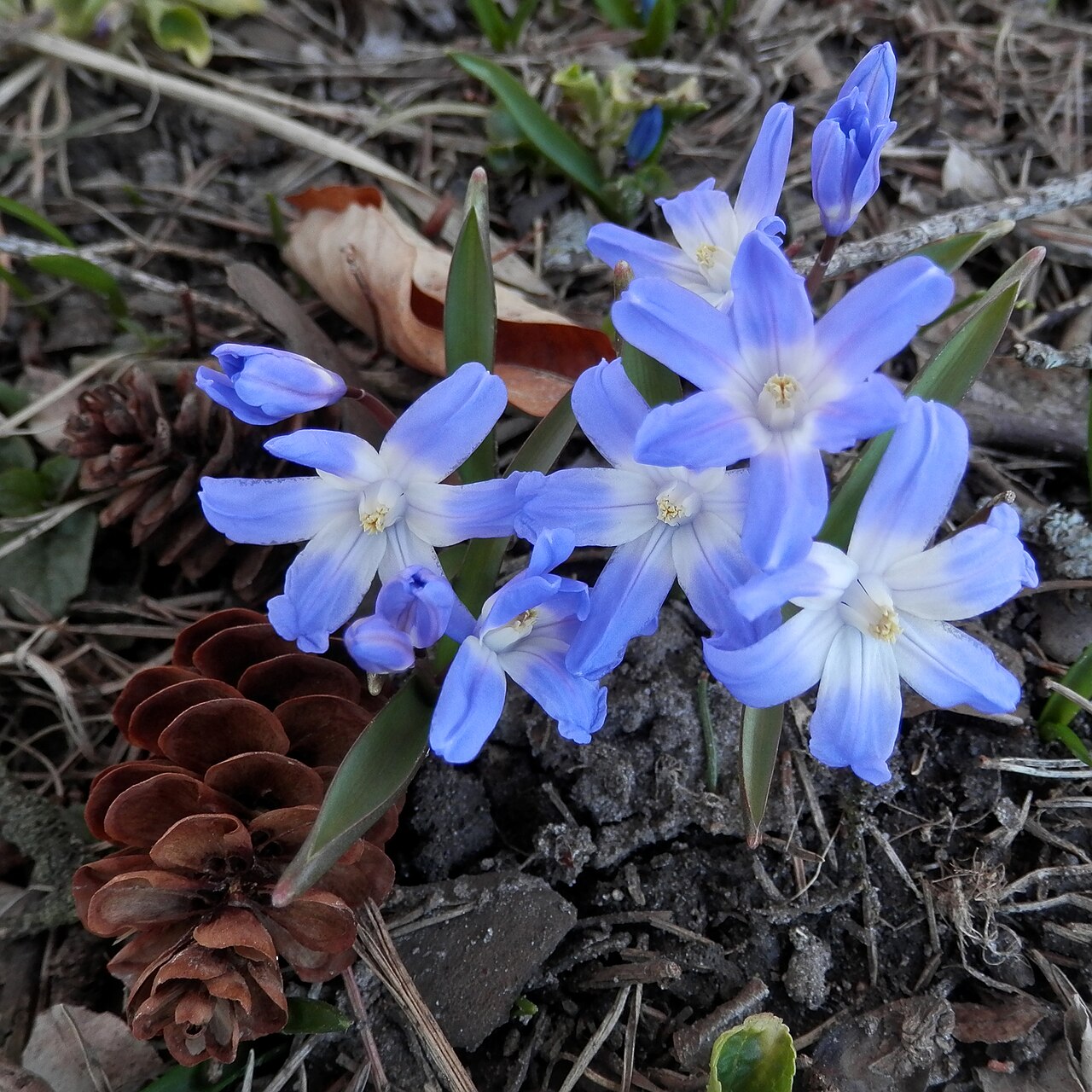
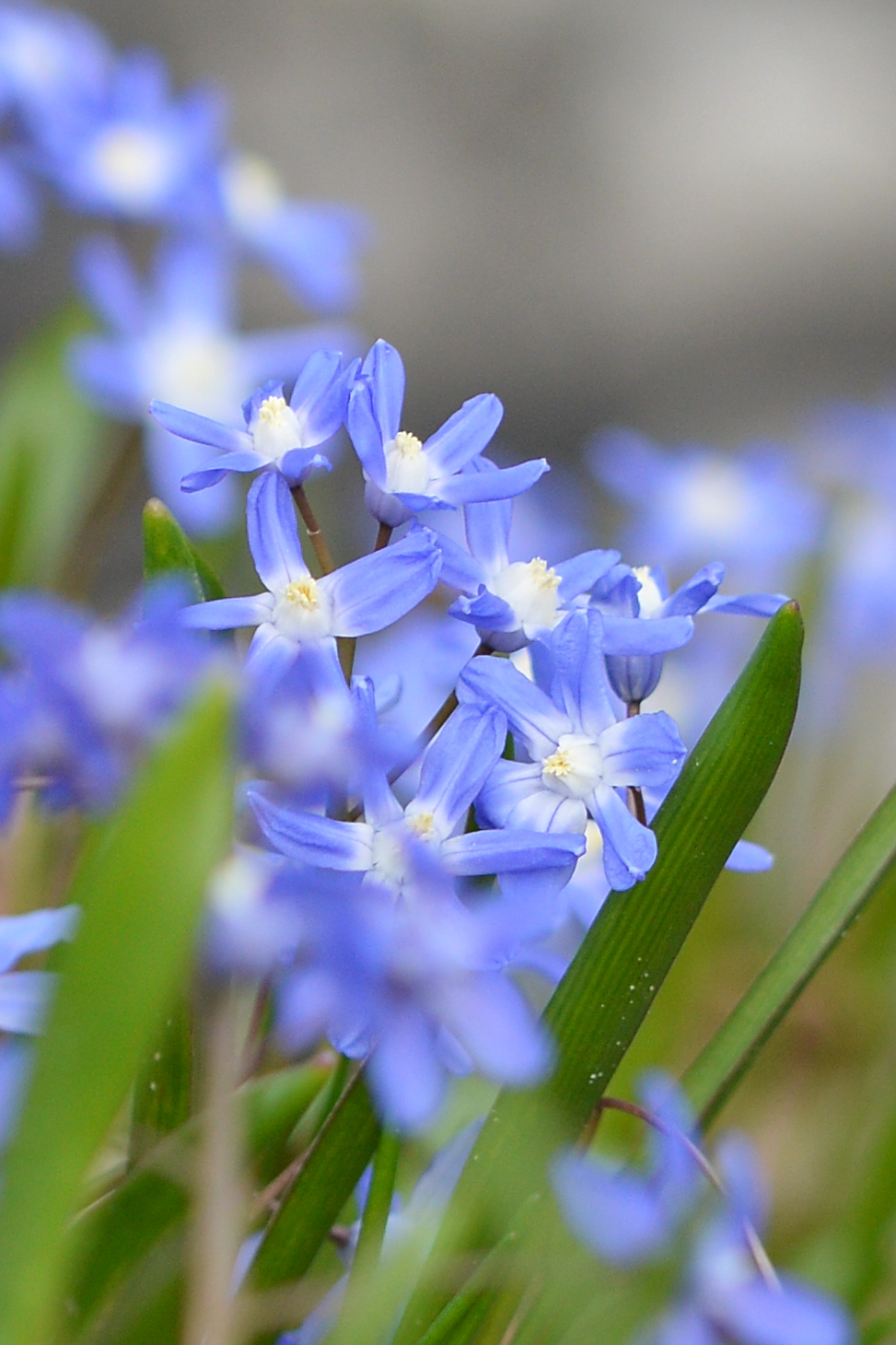
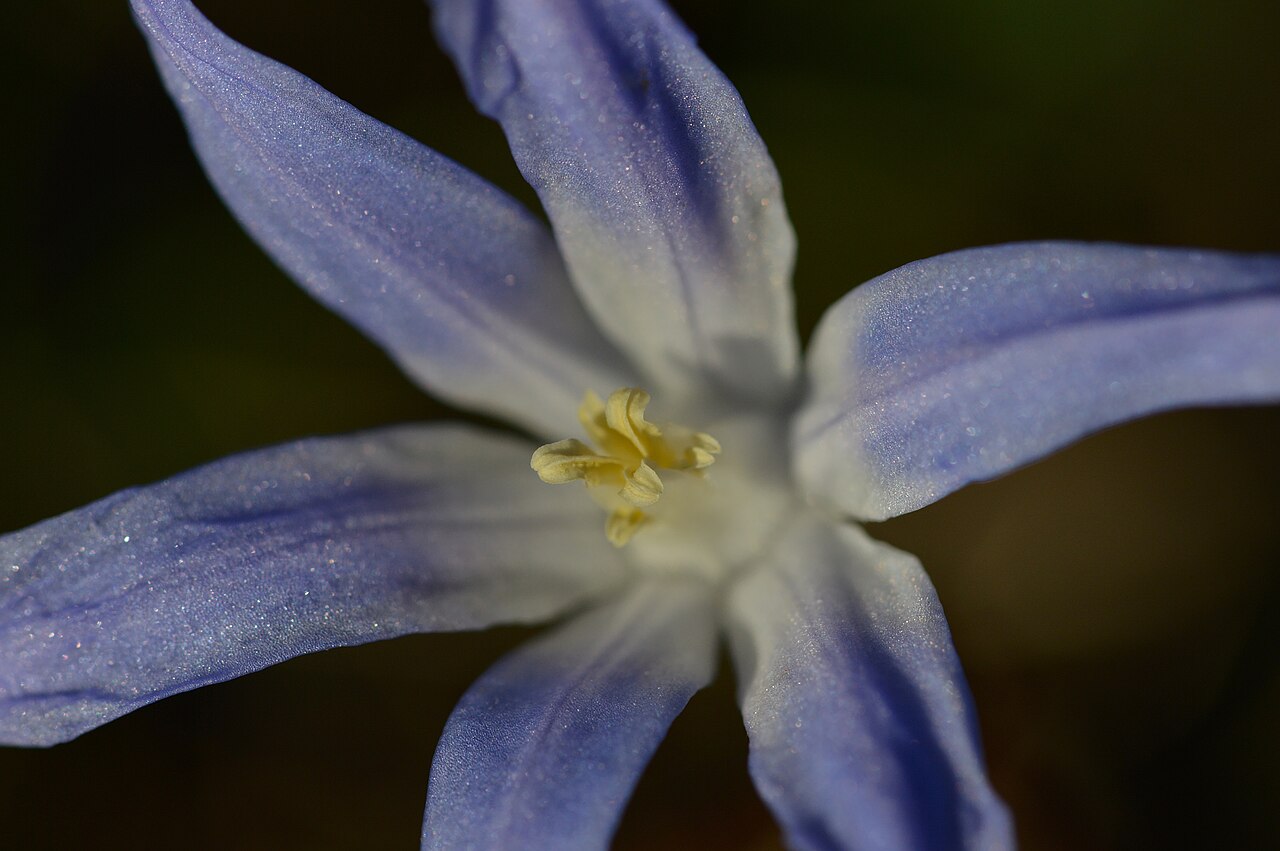
Glory of the snow is a small spring bulb, 4–8 inches tall, with star-shaped flowers in blue, pink, or white, each with a pale eye, opening in early spring often while snow still patches the ground. It is one of the easiest bulbs to naturalize: plant bulbs in fall, 3 inches deep and 3–4 inches apart, in full sun to part shade in well-drained soil, under deciduous trees, in rock gardens, or in lawns (where it blooms before the first mowing), and it will spread by seed and offsets into ever-larger drifts with almost no care. It blooms a touch later than snowdrops and a touch earlier than most tulips, bridging the gap. Like many small bulbs, its charm is in numbers — plant at least 25, preferably 50 or more, for a real display.
Water & feeding
Water in after planting and water during dry springs; otherwise average moisture is plenty. It needs almost no fertilizer — compost at planting in poor soil is enough. Do not mow lawn plantings until foliage yellows.
Common problems
- Foliage cut too early — let leaves yellow so bulbs recharge.
- Bulb rot in wet soil — drainage matters even for easy bulbs.
- Slow display from few bulbs — plant generously; small bulbs need numbers.
- Self-seeding into lawns — a feature for most, a nuisance for formal lawns; mow after foliage dies.
Notes
Leave bulbs in place to naturalize; divide only when a drift gets overcrowded, in fall. Glory of the snow is deer- and rodent-resistant, which is a blessing among spring bulbs. It pairs with snowdrops, crocus, and early daffodils for a layered early-spring show.
Propagation
This is the easiest propagation section in the whole project, because glory-of-the-snow mostly does the job itself. It spreads two ways at once: by bulb offsets underground and by seed dropped on the surface. Your role is either to help it along, or, if a formal lawn is involved, to politely restrain it.
Offsets are the fast route and the exact route. Every few years, when a drift gets crowded, lift the clump in summer after the foliage has died back, or in early fall, and tease the small bulbils away from the mother bulb. Replant them immediately, about three inches deep and three to four inches apart, at the same depth they grew before. Do not leave small bulbs sitting in a bucket for a month: they dry out fast, and a desiccated bulbil is a dead bulbil.
Seed is the slow route and the variable route. Let the pods dry on the plant, break them open, and collect the seed; sow it outdoors in fall so winter cold-stratifies it naturally, or give indoor sowings a cold period in the refrigerator first. Seed-grown plants can take up to about three years to flower, where offsets bloom far sooner, and seedlings may vary in shade — blue, pink, or white — where offsets are clones of the parent clump. If you bought a named colour and want that colour, divide; if you want a drift and do not mind a surprise, sow.
The do-nothing route deserves its place too: leave a happy drift alone and it naturalises into ever-larger carpets, which is the whole point of the plant. In a lawn, delay mowing until the foliage yellows, roughly five to six weeks after bloom, so the bulbs recharge and seedlings establish; in a formal lawn, that same self-seeding is the nuisance side, and the fix is to deadhead before pods form and thin the clumps every few years.
One honest Florida note to close: this guide lists zones 3 to 8, and the plant wants a real winter chill, so most of Florida is simply too warm for reliable performance. Gardeners in the cooler northern fringe may get a show in a cold year, but do not promise yourself drifts in a frost-free garden, and do not count on refrigerator-chilled bulbs as a reliable substitute. And a nerdy filing note: the plant you know as Chionodoxa is now often filed under Scilla — same star, new filing cabinet.