
🌸 Jacaranda
What it looks like
How to grow
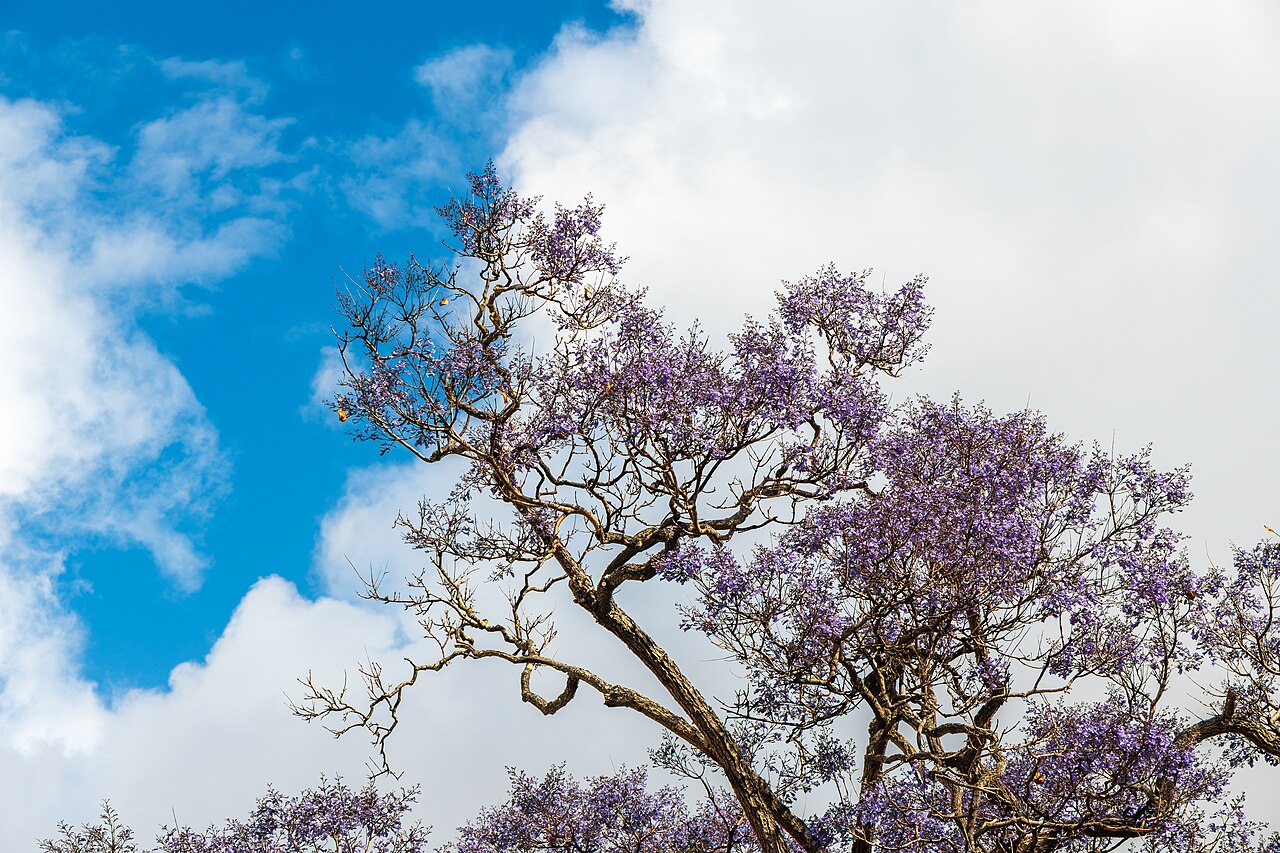
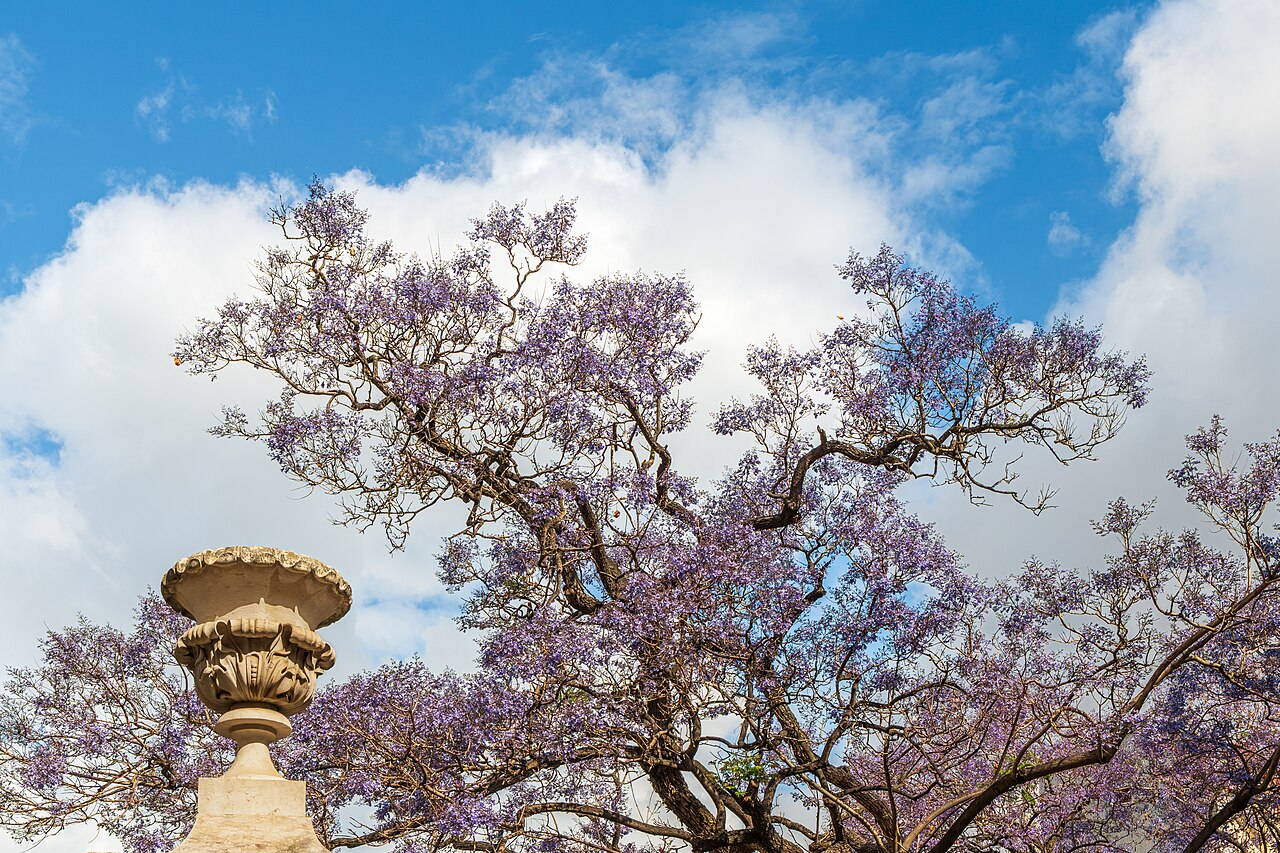
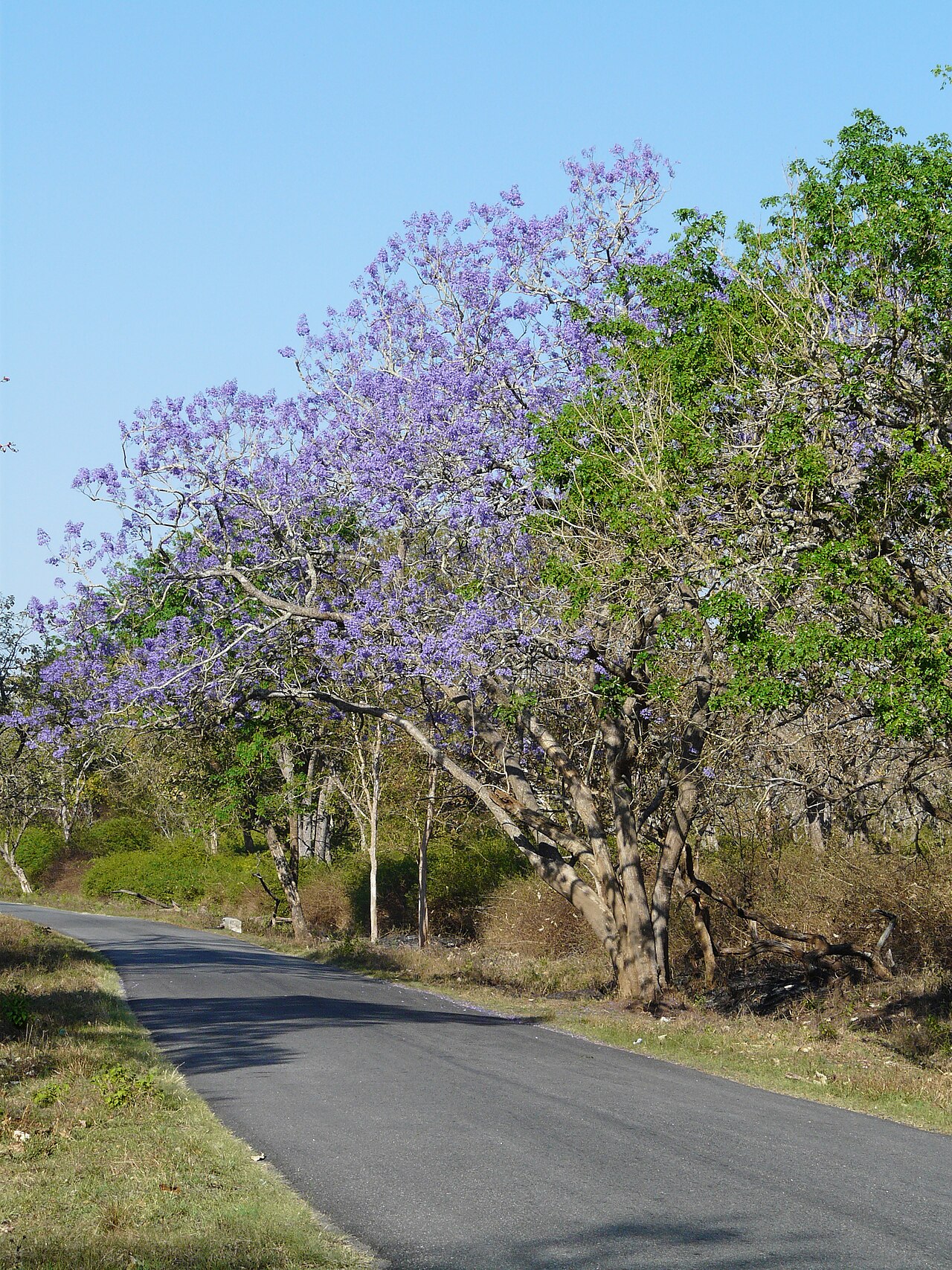
Jacaranda is a tropical flowering tree, 25-50 feet tall, with a vase-shaped, open crown, finely divided fern-like leaves and spectacular panicles of lavender-blue, trumpet-shaped flowers in late spring and early summer, often before the new leaves emerge. It grows in southern Florida, Hawaii and coastal southern California, and in zones 9b-11; in zone 9 it may survive with shelter but will bloom less reliably, and anywhere colder it is a container tree that rarely flowers. Plant in full sun in well-drained sandy or loamy soil, at least 15 feet from foundations, drives and pools, because its surface roots lift paving and its flowers and pods drop abundantly. Seed-grown trees can take ten years to flower, so buy a grafted cultivar if bloom matters to you.
Water & feeding
Water regularly the first year, then water in dry spells; jacaranda is moderately drought tolerant once established but blooms best with steady moisture and hates waterlogged soil. Feed lightly in spring with a balanced fertilizer, and avoid excess nitrogen, which pushes leafy growth at the expense of flowers.
Common problems
- Frost damage, especially to young trees — protect in marginal zones and accept that this is a frost-tender tree.
- Root rot in heavy, wet soil — drainage is essential.
- Aphids and scale — usually minor; blast with water or treat if populations build.
- Litter — flowers, leaves and hard seed pods; site it where sweeping is easy or petal carpets are welcome.
Notes
Jacaranda’s bloom is so beloved that cities from Pretoria to Sydney to Los Angeles celebrate it, and its fallen petals carpet streets in lavender for weeks. In the United States it is a South Florida and Southern California treasure — plant it where it will thrive, and enjoy the show.
Browse all plant & pest guides
Saving seeds
Jacaranda seed is the easy part. The hard part is the wait — but let us start with the easy part. After flowering, the tree hangs round, flat, woody pods that turn brown and split open when ripe. Collect them from the tree once they are brown and dry (pods on the ground are often empty or already raided), drop them in a paper bag — never plastic — and let them dry for a week or two until they crack open to reveal the small winged seeds inside.
Soak the seeds in room-temperature water for 24 hours, then sow them shallowly — about 1 cm deep — in a warm, well-draining seed mix. Keep the tray warm, around 70–80°F, and moist. Germination takes 2–4 weeks in good conditions, sometimes stretching to 8, and fresh seed is your best bet: germination runs 50–86% for fresh seed, and year-old seed can still sprout if it was stored cool and dry inside its pod. Prick seedlings out once they are big enough to handle and grow them on in pots until they are sturdy enough to plant out.
Now the wait. Sources disagree wildly on when a seed-grown jacaranda first flowers — some say 3–5 years, others say 7–14, and a few warn it can take even longer. The honest answer is to expect 5–7 years at best and be pleasantly surprised if it is sooner; plan on a decade and you will never be disappointed. Softwood cuttings bloom much sooner, in a couple of years, which is why the named white form ‘Alba’ and any other selected tree are propagated by cuttings, not seed. Seedlings also vary — flower shade, tree shape, and vigor all shuffle — so seed is for people who enjoy the lottery, not for people who need a specific tree.
In Florida, give young jacarandas the warmest spot you have. They are frost-tender in their first winters, so protect seedlings from freezes and plant out only once they are well established. They want full sun, well-drained soil, and room to become the 40-foot vase-shaped tree they are destined to be — do not plant one against a fence and hope for the best.
Varieties
Every named variety of Jacaranda with its own growing guide:
- Alba Jacaranda — The white jacaranda: all the fern-like leaves and vase-shaped crown, with creamy-white trumpets instead of lavender-blue.