
🫐 Miracle Fruit
What it looks like
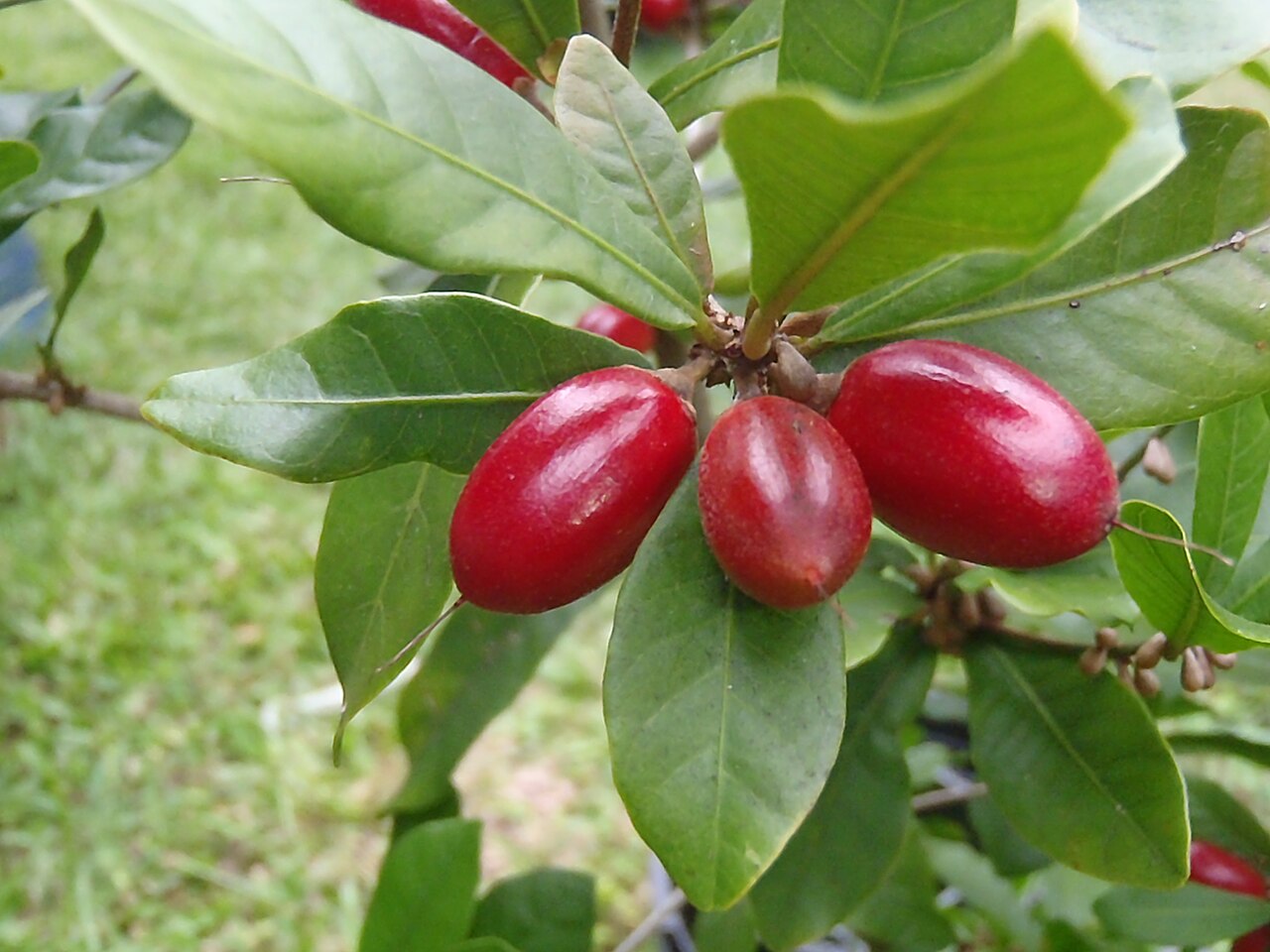
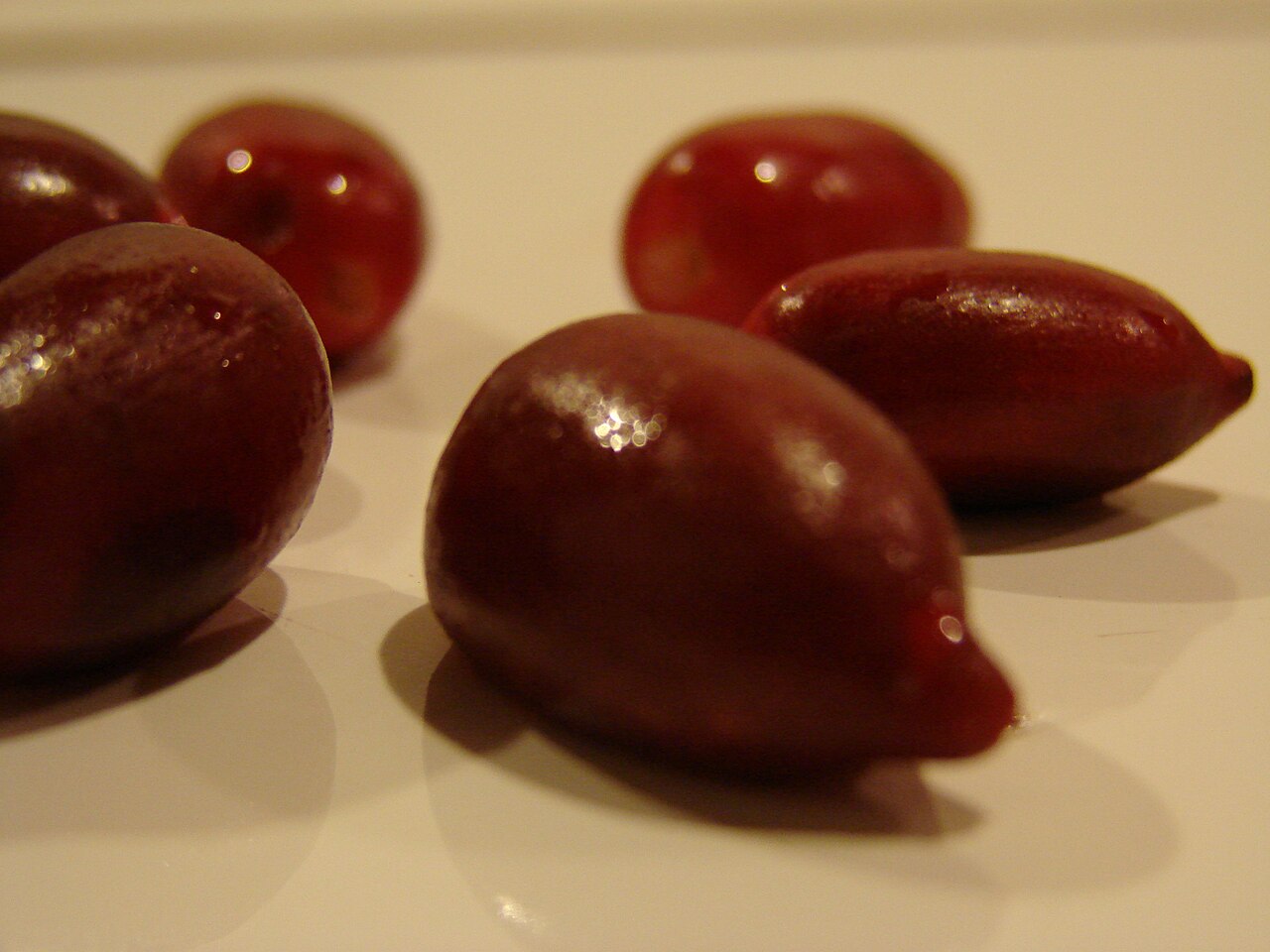
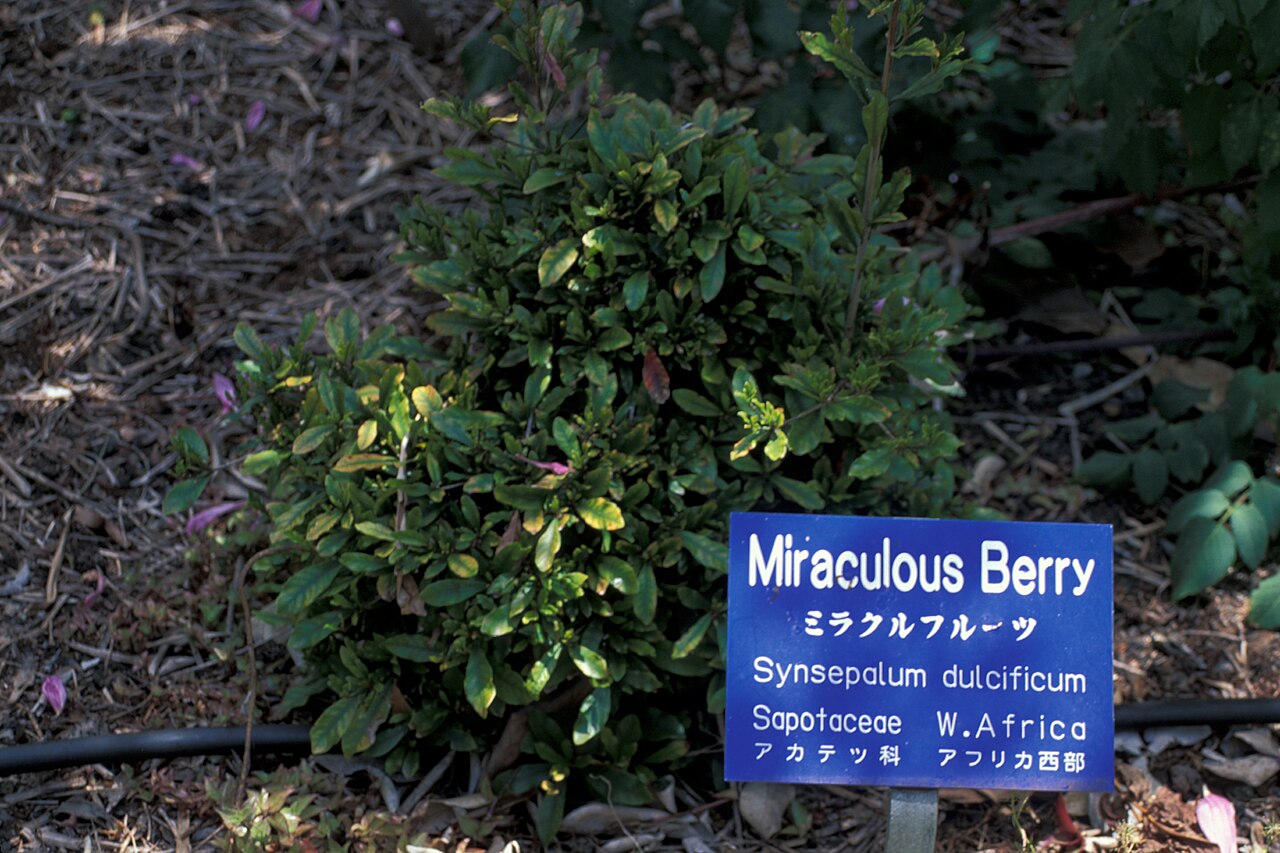
How to grow
Miracle fruit is a slow evergreen shrub from West Africa whose small red berries contain miraculin, a protein that makes sour foods taste sweet for 30 minutes to an hour after eating one. That party trick comes with a firm demand: acidic soil. In most of the United States, grow it in a container of peat-based, acidic mix, in full sun to partial shade, and bring it inside before nights fall below about 40°F — it is not frost-tolerant, and only south Florida and Hawaii suit it in the ground, and even there only in acidic soil. It is self-fertile, flowers in flushes through much of the year, and stays a modest shrub in a pot, rarely above 5 feet. Feed with an acid-forming fertilizer and water with rainwater where tap water is alkaline, or the pH will creep up and the plant will stall.
Water & feeding
Keep the mix consistently moist but never soggy, with humidity above about 50 percent — a pebble tray or humidifier helps indoors. Water with rainwater or acidified water if your tap water is hard and alkaline. Feed lightly through the warm season with an acid fertilizer for azaleas or blueberries, and stop in winter.
Common problems
- Alkaline soil or water — the number one cause of yellow leaves and no growth; test pH and fix the mix, not just the fertilizer.
- Cold — one frost can end it; move pots in early, not after the forecast turns.
- Mealybugs and mites indoors — inspect often and treat with insecticidal soap.
- Slow growth — this is a slow plant by nature; a healthy plant that grows slowly is normal, not sick.
Harvest
Pick berries when fully red and soft, about two months after flowering. Eat one berry, let the pulp coat your mouth, then taste something sour — lemons, limes, and tart fruit turn sweet. Freeze extra berries; the effect survives freezing, which is handy for a tasting party.
Browse all plant & pest guides
Saving seeds
Miracle fruit is a slow plant in every way, and its seed is no exception. The berry ripens to a bright red, and the single seed inside wants to be sown fresh — it is recalcitrant, which means it cannot dry out and wait. A seed left on the counter for a week is usually a dead seed. Eat the berry, rinse the seed, and get it into soil within days.
Sow about half an inch deep in a loose, acidic, well-draining mix, kept warm and constantly moist but never wet. Warmth matters: germination wants the kind of steady warmth the plant itself wants, and cool soil stalls it. How long it takes is unhurried — expect weeks, and sometimes a few months, before a sprout appears. Keep the pot moist and be patient; seed that looks dead at two months may still be working.
Seedlings grow slowly, and the plant takes years to fruit — three to five is normal, and a seedling may fruit sooner or later than its siblings. It will not be identical to the parent if the parent was a selected form, and named cultivars are propagated by air layering or grafting, not by seed. But for the species itself, seed is the honest way, and a seedling grown from your own berry is a small miracle in its own right.
Because the seed is recalcitrant, storage is barely worth attempting: dry it only briefly if you must, and sow as soon as you can. Florida humidity is the enemy of stored seed in any case, but for miracle fruit the rule is simpler — fresh seed, warm soil, patience. The seed you save is a slow promise, and the berry that makes lemons taste sweet is worth the wait.