
🧡 Cloudberry
What it looks like
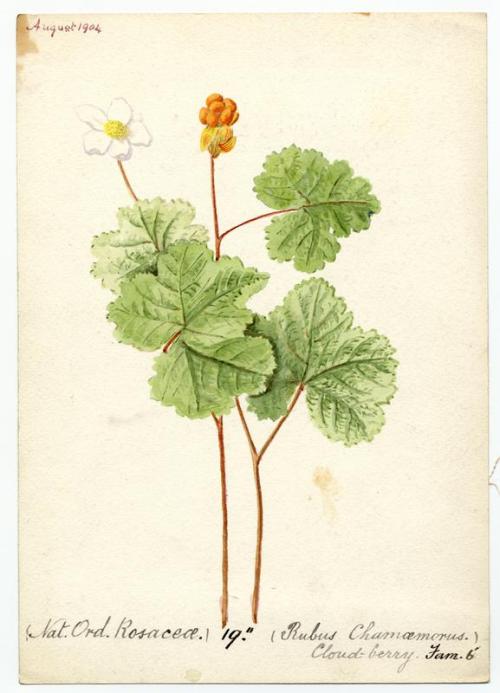
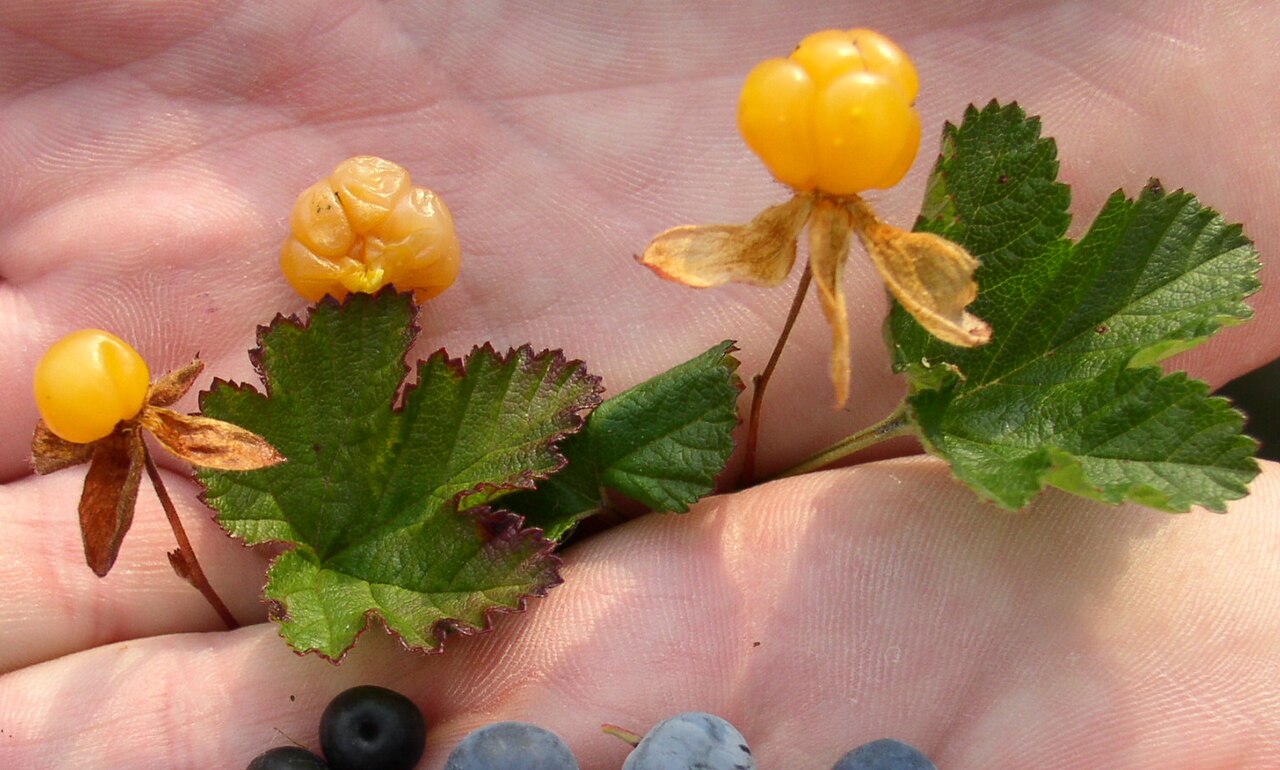
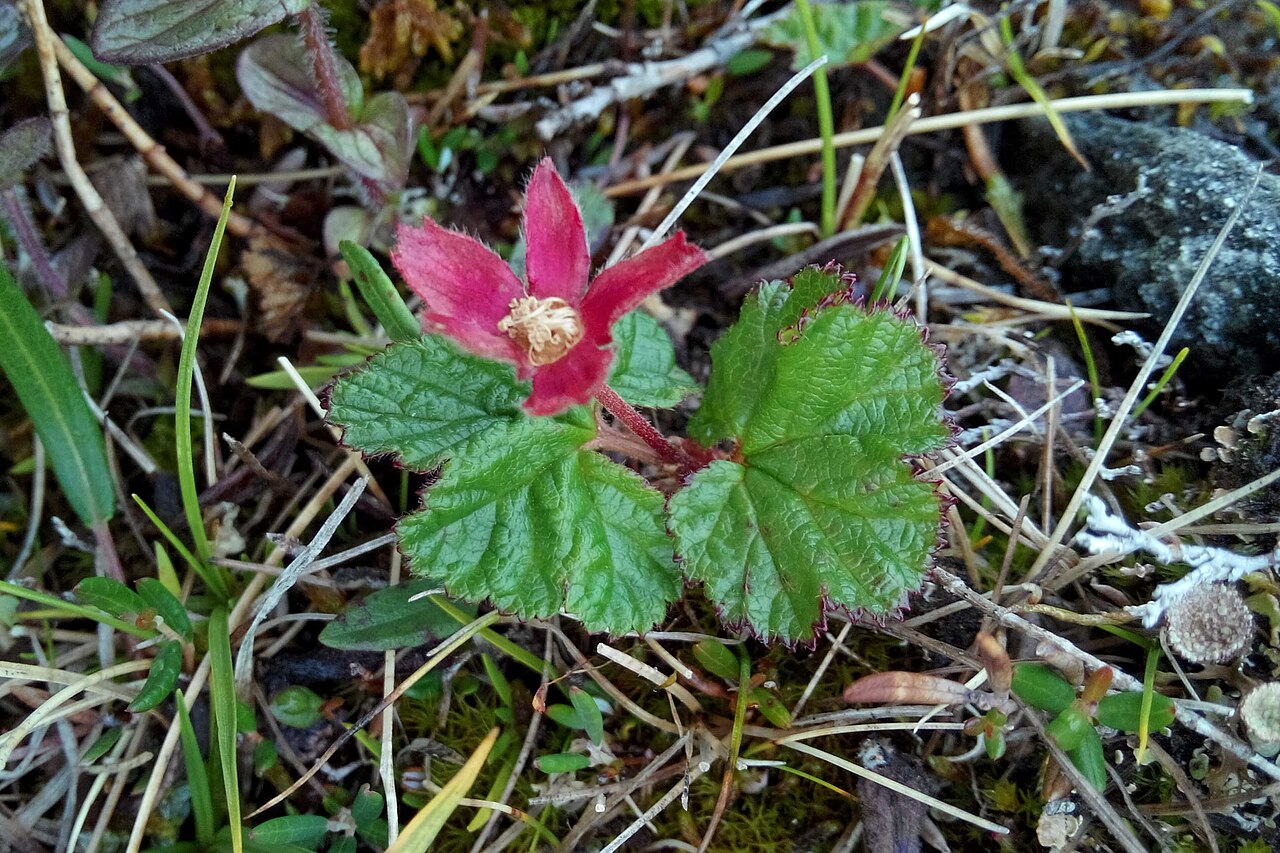
How to grow
Cloudberry is a circumpolar bog plant that makes amber, raspberry-like fruit prized across Scandinavia, Alaska, and northern Canada — and it is one of the fussiest fruits you can try to garden. It needs cold winters, cool summers, acidic, constantly moist, peaty soil, and full sun in a northern bog, not a regular garden bed. Build a bog bed: a lined, peaty, acidic hollow that stays wet but not stagnant, in the coolest spot you have. Crucially, cloudberry is dioecious — male and female flowers grow on separate plants — so plant several plants and hope for both sexes, or buy a mix that includes males. In most of the United States south of the far north, this is a specialist’s plant, not a casual one, and a container bog in a cool greenhouse may beat an outdoor bed.
Water & feeding
Keep the bog bed wet at all times; cloudberry roots must never dry out. Use rainwater where possible, since hard tap water raises pH over time. Mulch with sphagnum or pine needles. Do not fertilize heavily — bog plants are adapted to poor soil, and rich feeding invites weeds that outcompete them.
Common problems
- Heat — warm summers abort flowers and fruit; there is no workaround except a cooler site.
- Wrong sex ratio — all-female plantings flower beautifully and fruit never; plant several and include males.
- Drying out — a single dry spell can set a bog bed back a year; check moisture in summer.
- Weeds in bog beds — hand-weed gently; cloudberry rhizomes are shallow and easily damaged.
Harvest
Pick when berries turn from red to soft amber-orange and slip easily from the calyx; unripe red berries are hard and tart. Eat fresh, or make the classic Scandinavian jam and liqueur. Handle gently — ripe cloudberries crush at a touch.
Propagation
Let us be blunt up front: cloudberry is one of the hardest plants in this whole library to propagate, and in Florida it is essentially a thought experiment rather than a garden plant. It is a bog plant of the far north that wants acidic, constantly moist peat, a real cold winter, and cool summers — the opposite of a Florida garden in every particular. So this section is written for the northern gardener with a bog bed, and for the curious Floridian who wants to understand why their cloudberry dreams should stay dreams. If you are in the far north, read on. If you are in Florida, admire from afar.
The reliable way to multiply cloudberry is division, not seed. The plant spreads by underground rhizomes that send up new shoots, and a mature patch can be divided in early spring or in autumn just before leaf fall. Dig carefully — the rhizomes are shallow and easily damaged — and cut the patch into sections, each with healthy roots and buds, then replant immediately into acidic, peaty, moisture-retentive soil and water well. Rhizome cuttings taken in spring or late summer work on the same principle: a section of underground stem with roots attached is already most of a plant, and it will establish far faster than any seedling. This is also the only way to control the sex of your new plants, which matters enormously, because cloudberry is dioecious: individual plants are male or female, only females fruit, and a patch of all one sex flowers beautifully and fruits never. When you divide, keep track of which divisions came from fruiting plants and which from pollen plants, and plant both.
Seed is possible and is the route plant breeders and the patient take, but go in with eyes open. Berries ripen in late summer; collect fully ripe, soft amber berries, mash them gently, and wash the seed free of pulp. The seed coat is famously tough, and germination is famously reluctant: the seed needs a long period of cold, moist stratification — months, not weeks, with sources disagreeing on exactly how long — and even then germination is slow and uneven. Seedlings take years to reach flowering size, and you will not know whether each seedling is male or female until it flowers, which means a seed-grown patch can take years to reveal that it has no males, or no females, at all. Seed-grown plants also vary, so a seedling patch will not faithfully reproduce one spectacular parent berry.
Storage, for the record, follows the usual rules with a northern twist: clean seed should be kept cool and dry, and sown as early as possible rather than hoarded. But the real storage advice for cloudberry is not about seed at all — it is about keeping the bog bed itself alive, moist, weeded by hand, and never allowed to dry out, because a single dry spell can set a patch back a year. Propagate by division, plant both sexes, keep the bog wet, and accept that this amber berry rewards patience the way only a plant from the tundra edge can.