
🍋 Buddha’s Hand
What it looks like
How to grow
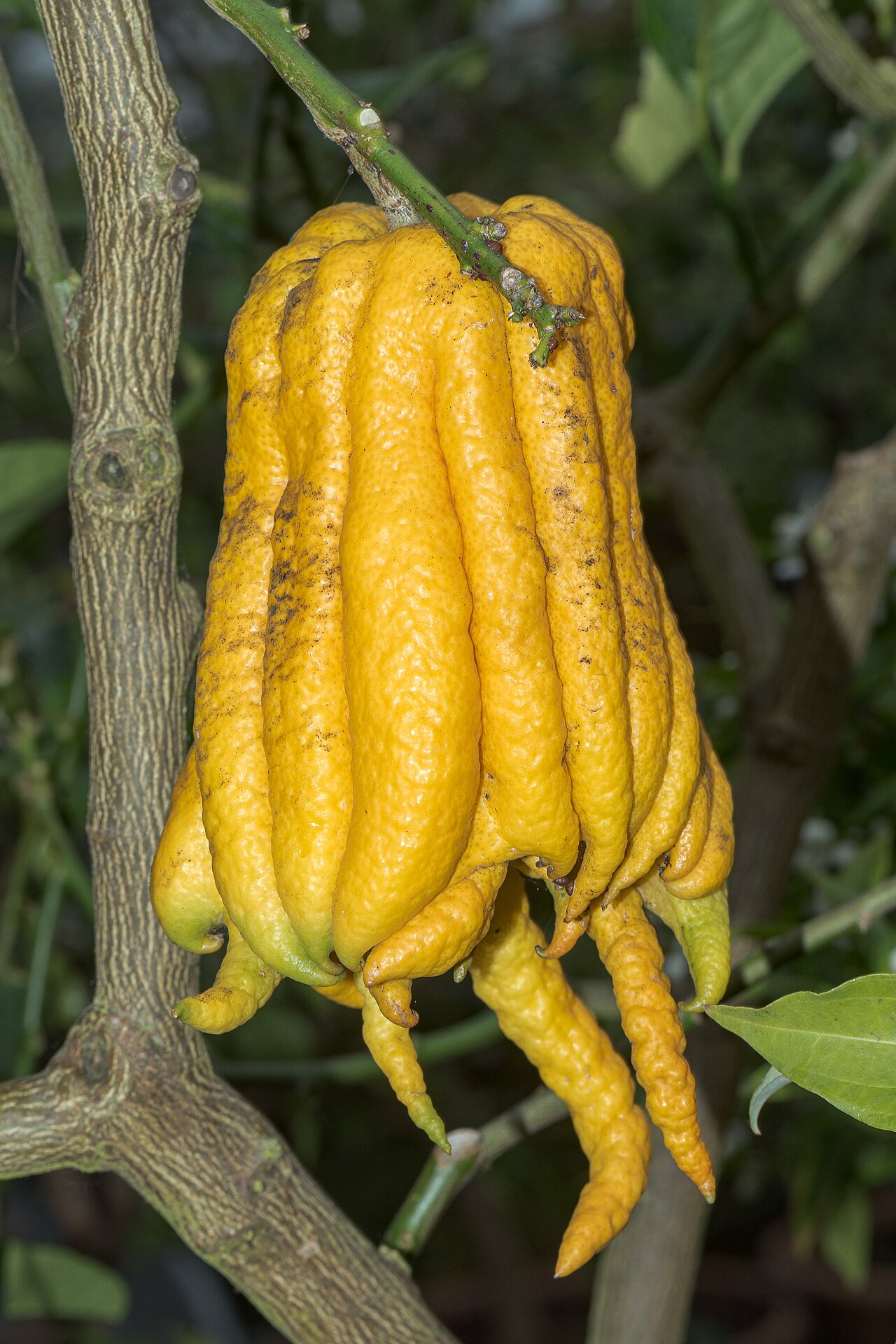
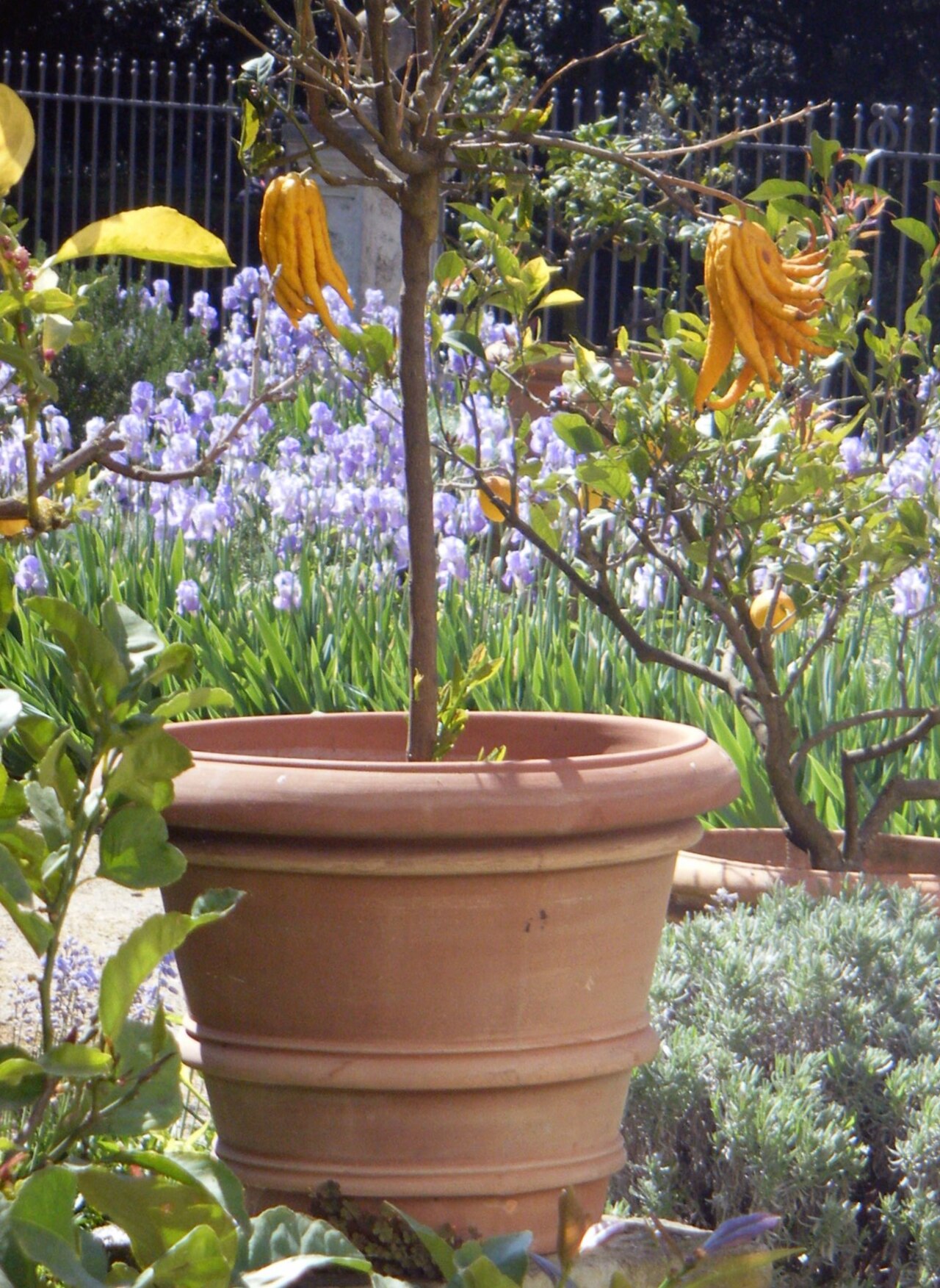
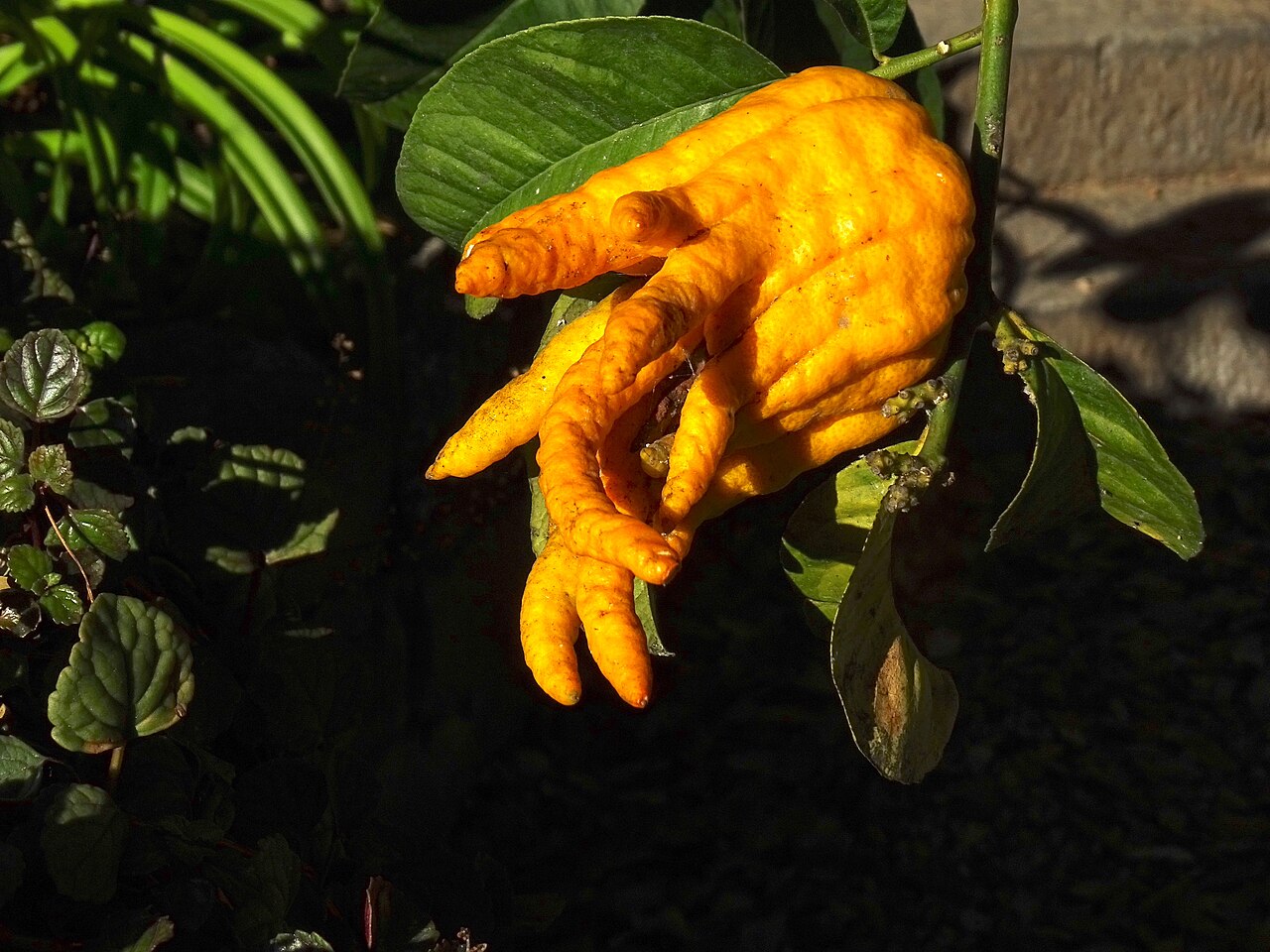
Buddha’s hand is a variety of citron whose fruit splits into finger-like segments, with almost no pulp and all rind — which is the point, since the rind is intensely fragrant and prized for zest, candying, and infusing. Grow it as you would any tender citrus: full sun, well-drained, slightly acidic soil, and protection from frost. In zones below 9, grow it in a large pot and bring it inside before frost; it is self-fertile, so one tree fruits. Prune lightly to keep it open and to remove crossing branches, and watch for the usual citrus pests. Note on citrus rules: Buddha’s hand is a named form of citron, not a separate species, but it is the citron form most gardeners actually grow, so this guide covers citron growing through its most famous form.
Water & feeding
Water deeply when the top few inches of soil dry, more in summer and while fruit swells, less in cool winter weather. Never let citrus sit in water — root rot is the classic container killer. Feed with a citrus fertilizer in spring and summer, following the label; container trees need feeding more often than in-ground trees.
Common problems
- Frost — the hard limit; move pots in before cold weather and cover in-ground trees in marginal zones.
- Citrus leafminer, aphids, and scale — inspect new growth and treat with horticultural oil or soap.
- Citrus greening (HLB) in Florida and other affected areas — buy certified disease-free stock and watch for yellowing, misshapen fruit; there is no cure.
- Overwatering in pots — let soil dry between waterings and ensure drainage holes are open.
Harvest
Pick when fruit turns fully yellow and fragrant, usually in fall and winter. There is no pulp to juice — use the zest fresh, candy the rind, infuse vodka or sugar, or simply set a fruit in a room as a natural air freshener. One fruit perfumes a whole kitchen.
Browse all plant & pest guides
Propagation
Here is the honest headline for Buddha’s hand: seed is the worst way to get another Buddha’s hand, and every reliable method is vegetative. This section leads with the methods that actually work, and covers seed only so you understand why it should be your last resort, not your plan.
Grafting and budding are the professional standard, and for good reason. A bud or a short length of shoot — the scion — taken from a known Buddha’s hand tree is joined to a citrus rootstock such as sour orange, trifoliate orange, rough lemon, or grapefruit. The rootstock brings vigour and soil tolerance; the scion guarantees the fruit. The result is a tree that is genetically your Buddha’s hand, top to bottom, and it will fruit years sooner than a seedling. T-budding is the usual home-scale version: a single bud is slipped under a T-shaped cut in the rootstock bark during active growth, bound tight, and left to heal — typically over several weeks — before the rootstock above the bud is cut back so the new bud takes over. Clean, sharp tools and snug binding matter more than fancy equipment; a sloppy cambium match is the commonest reason a graft fails.
Cuttings are the next-best route, and the one most home gardeners will actually try first. Take semi-hardwood cuttings from healthy current growth, trim to a few inches with several leaves, dip the base in rooting hormone if you have it, and root them in a free-draining mix kept humid but not wet. They are slower and less certain than a good graft, and own-root trees may be less vigorous than grafted ones, but a rooted cutting is still a true copy of the parent — fingered fruit and all. Air layering works on the same principle without severing the branch first: wound a pencil-thick branch, wrap the wound in moist moss under plastic, and pot it up once roots fill the wrap.
Now seed, honestly. Most Buddha’s hand fruit is seedless — the flowers are frequently sterile — so finding a seed at all is a small event. If you do find one, sow it fresh and shallow in a sterile, free-draining mix, kept warm and barely moist; citrus seed dries out and dies in storage, so there is no saving it for next spring. Germination, when it happens, usually takes a few weeks. But the seedling that results is a gamble: it will not reliably reproduce the fingered form, it is likely to be thorny and variable, and it may take many years to fruit, if it ever does. Grow a seedling for curiosity and for the story, never as your plan for a fruiting tree.
Florida notes, briefly: humidity is your friend for rooting cuttings and your enemy for rot, so give cuttings air movement, never seal them into stagnant wetness, and sterilise tools between cuts. And if you buy rather than propagate — which is a perfectly respectable choice for a tree like this — buy grafted stock from a reputable citrus nursery and check that it is certified disease-free, since citrus greening and other diseases travel on uncertified wood.