
💙 Ageratum
What it looks like
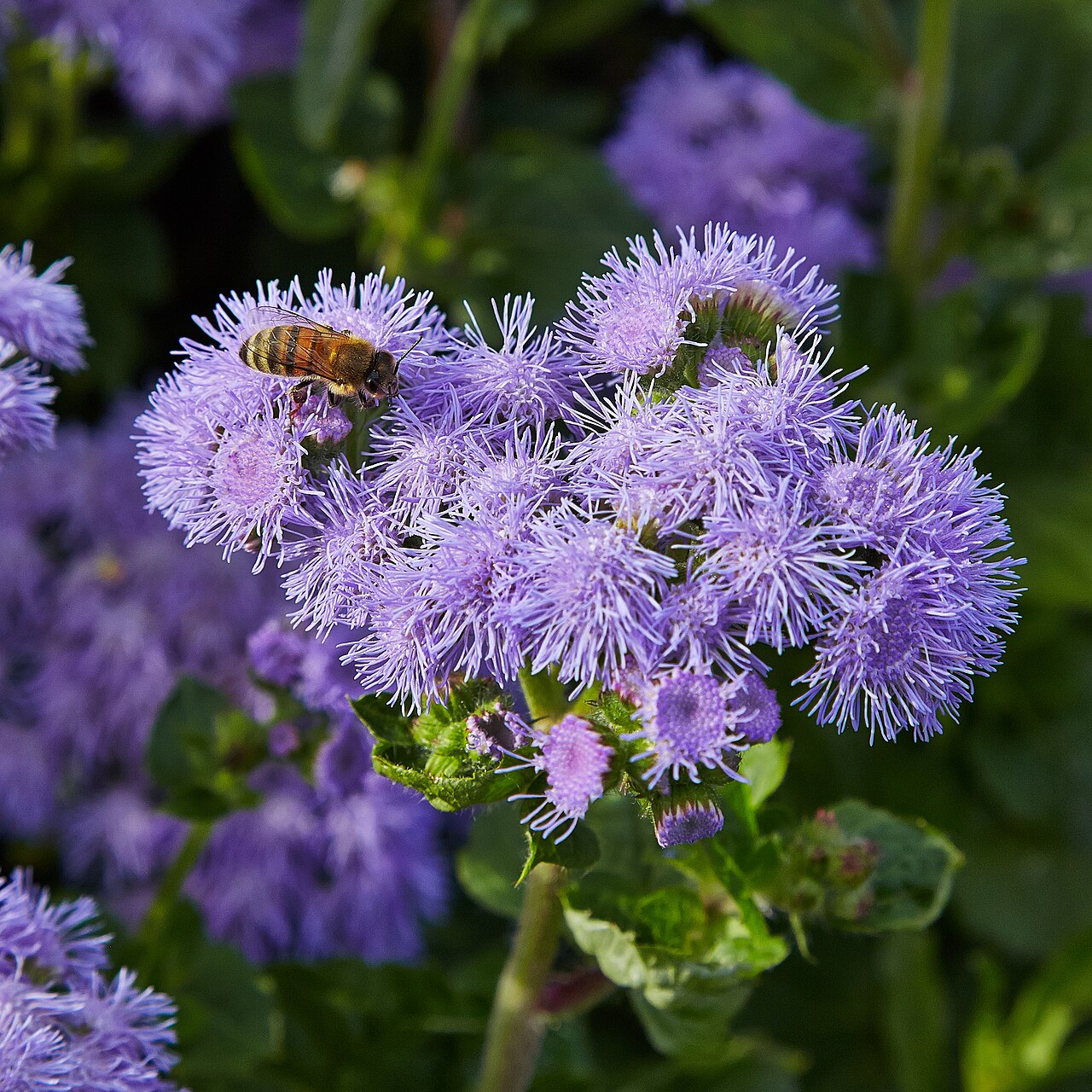
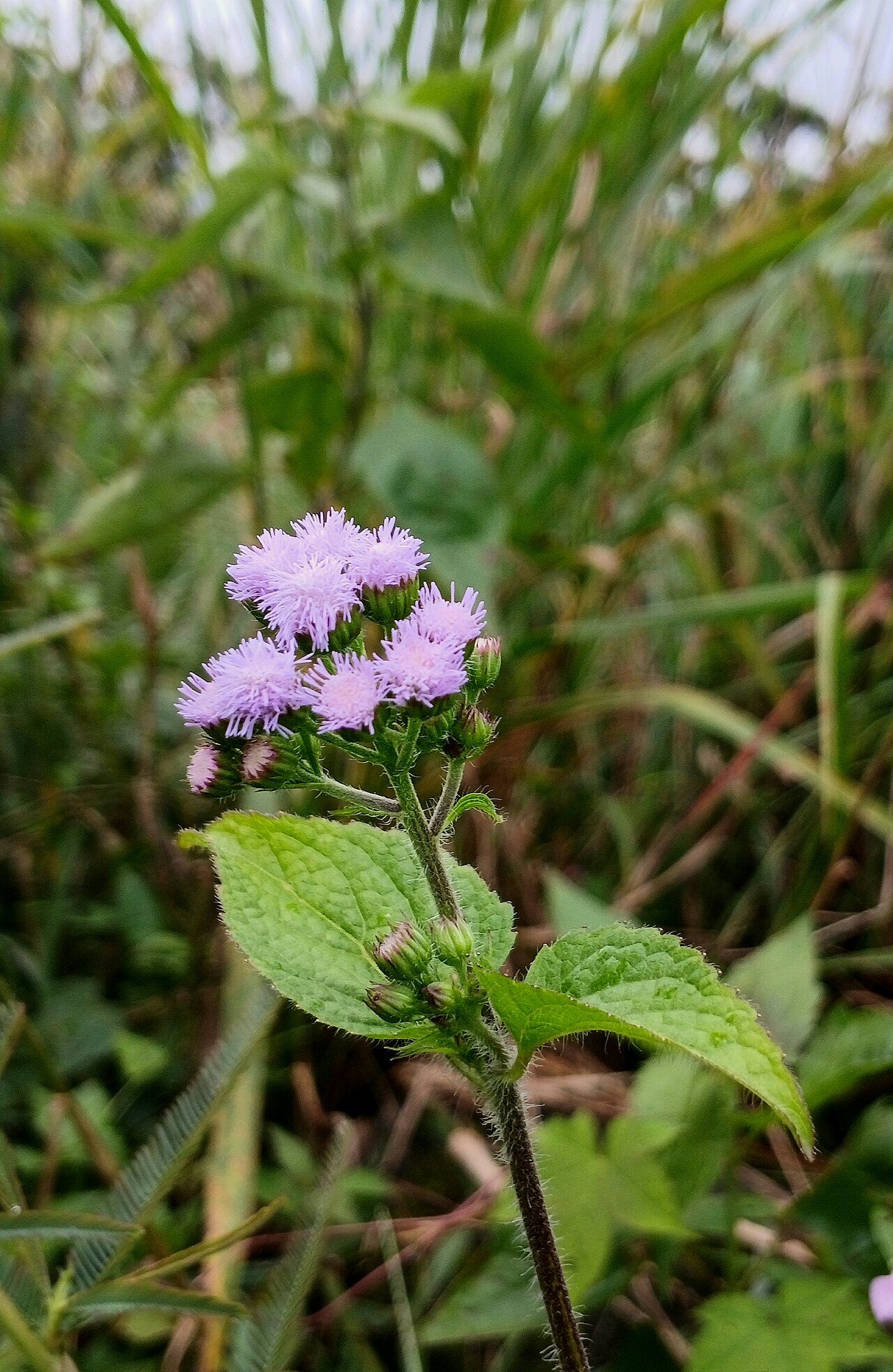
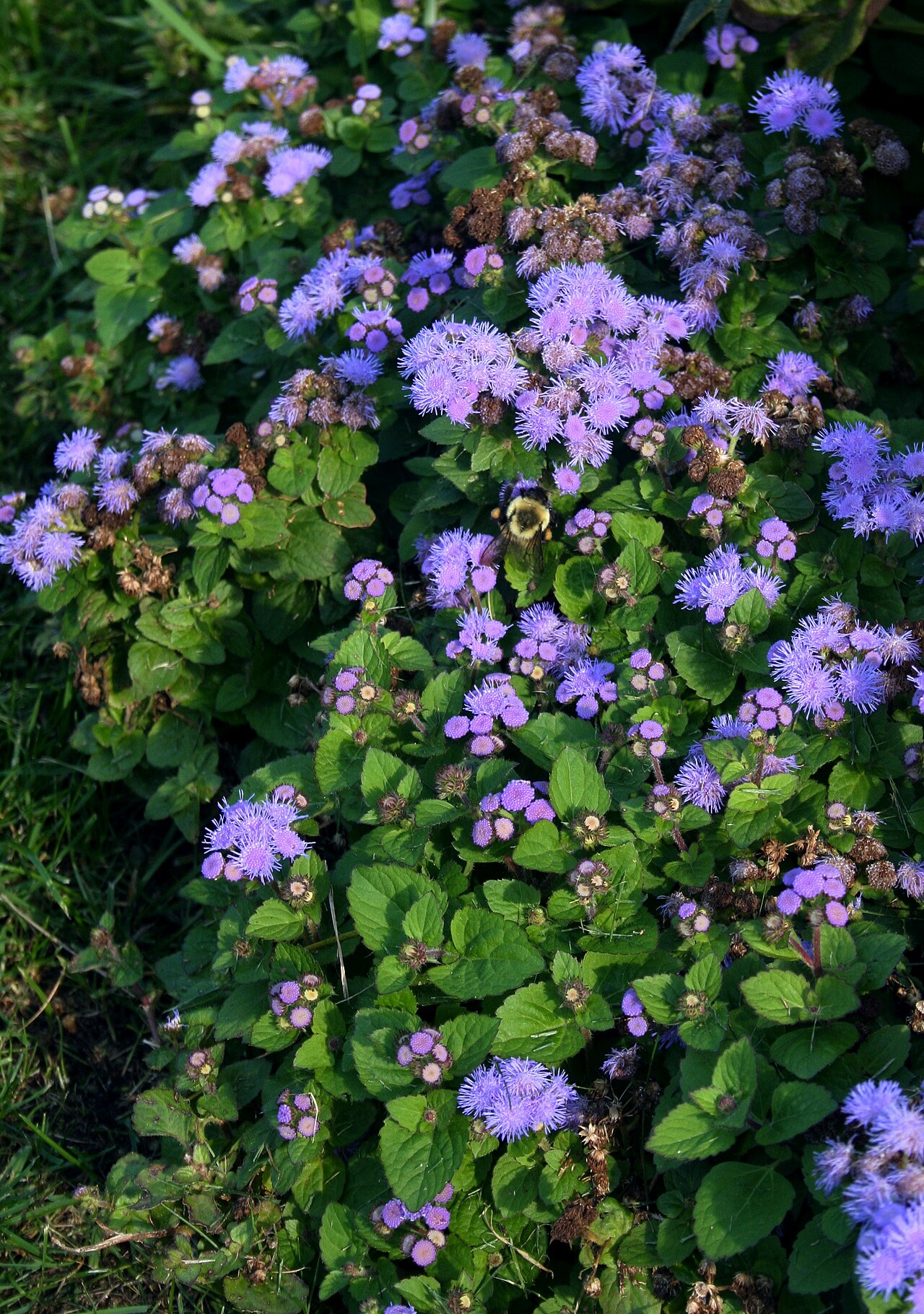
How to grow
Ageratum, or flossflower, is a low annual, 6–12 inches tall for bedding types (taller cut-flower types to 24 inches), with clusters of fluffy, powder-puff flowers in blue, lavender, pink, or white that bloom from summer to frost with almost no deadheading — one of the most reliable edging and container plants for continuous color. Plant after last frost in full sun to part shade in moist, well-drained soil, spacing about 12 inches apart. It tolerates heat and humidity better than many annuals, though it blooms best with steady moisture, and it pairs with almost everything — its blue is a rare and useful color in the annual border. Note: ageratum is toxic if eaten, so it is ornamental only, and it self-seeds in mild climates.
Water & feeding
Keep soil evenly moist; ageratum wilts in drought and blooms best with steady water. Mulch to hold moisture. Feed every few weeks with a balanced liquid feed or compost in poor soil.
Common problems
- Wilting in drought — water consistently; ageratum is not a dry-soil plant.
- Powdery mildew in humid, crowded plantings — give air flow and spacing.
- Short plants in shade — give full sun for the best bloom.
- Few pests — generally trouble-free; whiteflies occasionally in greenhouses.
Notes
Deadheading is optional — ageratum blooms continuously without it — but shearing back leggy plants in midsummer refreshes them. In mild climates, let plants self-seed for volunteers. Ageratum is a classic edging for beds, window boxes, and containers, where its fluffy blue flowers soften harder colors.
Saving seeds
Ageratum, or flossflower, is a generous seeder in the way only a daisy-family annual can be: one fluffy flower head hides a crowd of tiny seeds, and a plant left to its own devices will happily sow next year’s edging for you. Saving seed on purpose is mostly a matter of getting there before the wind does. Let a few flower heads dry fully on the plant until they turn brown and papery, then snip the whole dried head into a paper bag rather than trying to pick seeds off the plant one by one. Finish drying the heads indoors with airflow, then rub and crush them gently over a tray and winnow away the fluffy chaff. The seeds are very small, dark, and easy to lose, so work over a tray, not over an open garden bed, unless you want volunteers everywhere, which, to be fair, is also a valid gardening strategy.
The first question to answer before you save is what kind of ageratum you actually grew, because it decides whether saved seed is a promise or a lottery ticket. Most modern bedding ageratums are F1 hybrids, and seed from an F1 hybrid plant will not grow true: you will get a variable mix of colors, heights, and bloom times, some charming, none guaranteed to match the parent. Only open-pollinated types come reasonably true from saved seed, so check the packet or the plant tag before you invest a season’s hope in a jar. There is a second catch with the tall cut-flower types: some, notably the sterile cut-flower selections, set little or no seed at all, so if your plant never produced a dried head worth collecting, that is not your failure as a seed saver. That plant simply had no seed to give.
When you do have seed worth saving, dry it thoroughly before storage, then keep it in an airtight container in a cool, dark place. In Florida humidity, that means drying indoors with airflow first, then jarring with a small desiccant packet, because a damp jar is a moldy jar. Ageratum seed does not stay vigorous forever, so use your freshest seed first and do not bank on a years-old packet without testing a pinch on damp paper first. When sowing time comes, remember how small this seed is: surface-sow it and press it gently into moist mix, but do not bury it, because ageratum seed germinates best with light. Keep it warm and misted rather than flooded, and seedlings usually appear within a week or two.
If you do not want volunteers, the management is simple and it is the same advice as for bloom: deadhead spent flowers before they dry and drop. In mild climates where ageratum self-seeds freely, a plant you meant as a tidy edging can become a drift of blue pom-poms in the path, which some gardeners will call a bonus and others will call a weed with good PR. Either way, the choice is yours, and it is made with the secateurs, not with regret. Save seed from the plants whose color and habit you loved, label the jar with the variety and the year, and accept that with a hybrid parent, the surprise is part of the deal.
Browse all plant & pest guides
Varieties
Every named variety of Ageratum with its own growing guide:
- Blue Danube Ageratum — The classic edging ageratum: compact, mid-blue, uniform, and early — the bedding plant that made flossflower a front-of-border staple.
- Blue Horizon Ageratum — The tall one: a vigorous 24- to 30-inch ageratum bred for cutting, with lavender-blue clusters on long stems and a fragrance the dwarfs never offer.
- Hawaii Blue Ageratum — The compact F1 workhorse: 6 to 12 inches of royal-blue bloom, earlier than the open-pollinated types, that lasts longer into fall.