
🍒 Camu Camu
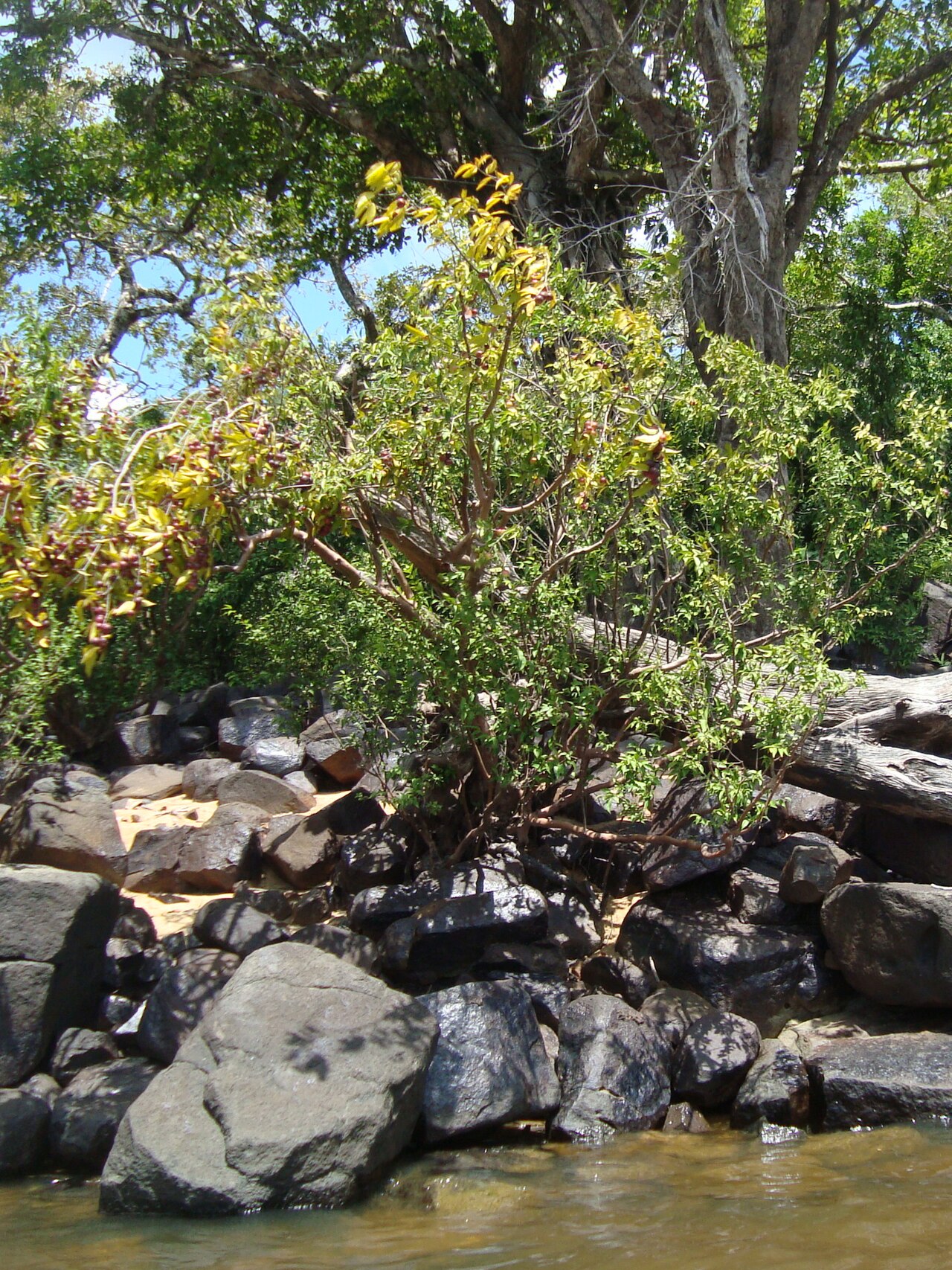
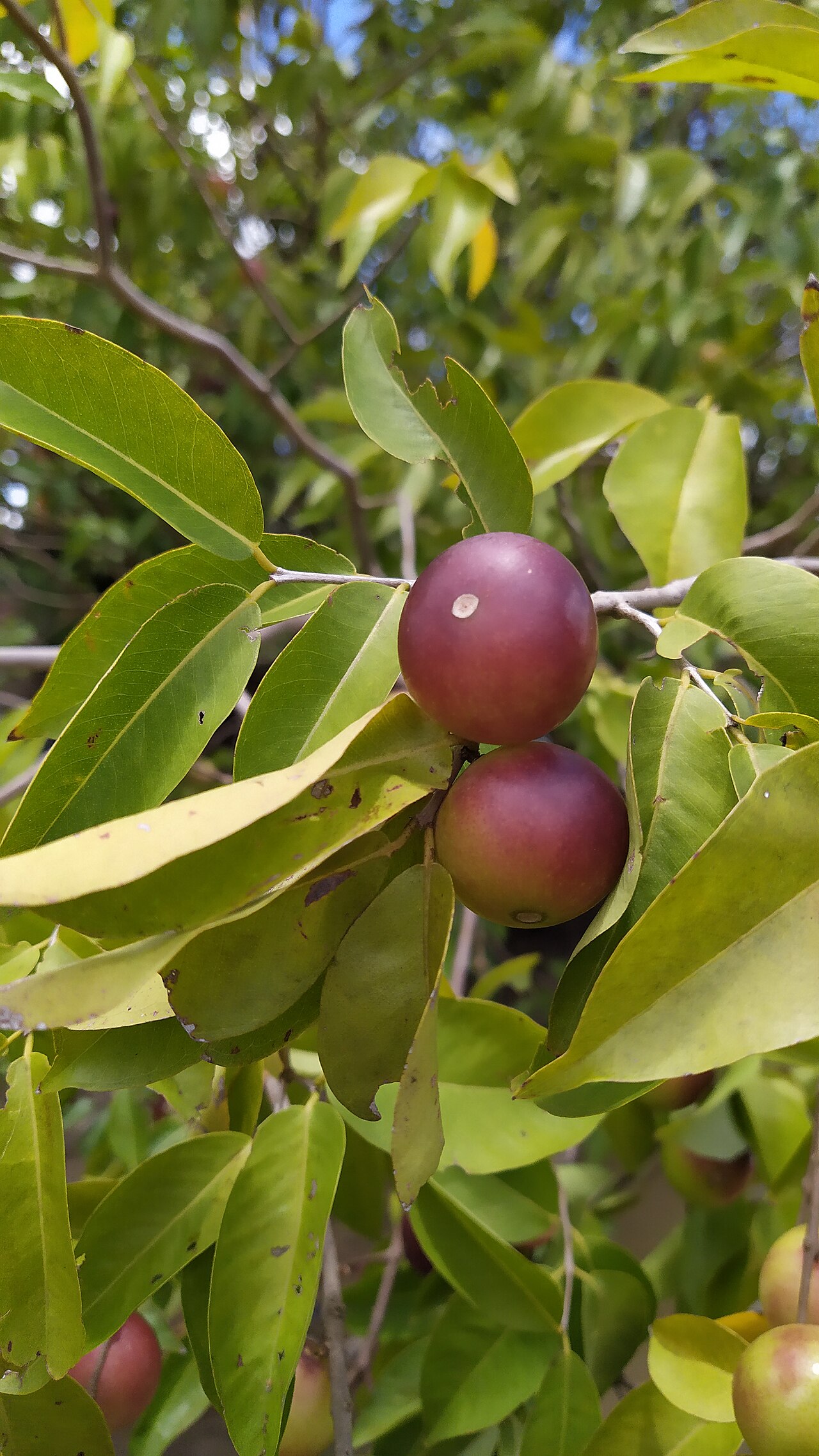
What it looks like
How to grow
Camu camu is a small Amazonian shrub that grows wild along rivers, often with its roots underwater in the rainy season, and bears small, red-purple fruit famous for its extraordinarily high vitamin C content. In the United States it is a specialist’s plant for frost-free, humid gardens: south Florida and Hawaii, in acidic, moist, even seasonally wet soil, in full sun to light shade. It tolerates flooding better than almost any other fruit shrub — which is a clue to its care: never let it dry out, and do not plant it in a dry, alkaline bed and expect it to thrive. Plants raised in Florida from seed have fruited, but slowly, so buy the largest plant you can and be patient. It is a bushy shrub, 10-12 feet tall, that can be pruned to size.
Water & feeding
Water generously and consistently; camu camu wants wet, acidic soil and high humidity, and it tolerates brief flooding. Use rainwater where tap water is alkaline, and mulch with acidic organic matter. Feed lightly with an acid fertilizer in the growing season.
Common problems
- Cold — no frost tolerance; this is a tropical riverbank plant, not a temperate shrub.
- Alkaline soil and hard water — leaves yellow and growth stalls; acidify the soil and water.
- Drought — the fastest way to lose a camu camu; keep it wet.
- Slow to fruit — seedlings take years; this is a long-game plant, not a quick crop.
Harvest
Pick when fruit turns fully red-purple and softens; it is intensely sour, even by sour-fruit standards. It is rarely eaten fresh — blend into juice, smoothies, and sauces, or freeze the pulp. A little pulp goes a long way, which is fortunate, since the flavor is not shy.
Saving seeds
Camu camu seed has exactly one rule, and it is non-negotiable: sow it fresh, or do not bother. These seeds are short-lived in the way that matters most — their viability is excellent when freshly separated from the fruit, on the order of nine in ten germinating, and it falls off fast once the seed dries out or sits around. This is not a seed to save for next season’s seed swap. It is a seed to plant this week, ideally within a few days of eating — or rather, juicing — the fruit.
Collect from fully ripe fruit, the deep red-purple berries that have gone soft. Each fruit holds one to four kidney-shaped seeds, most commonly three, tucked in that famously sour pulp. Squeeze or cut the fruit open, pick the seeds out, and rinse them thoroughly to remove every trace of pulp — leftover pulp ferments, and fermenting pulp invites mold, which is the fastest way to lose a batch. Do not dry them the way you would dry a bean seed. A brief rest in the shade while you prepare pots is fine; a week on a sunny windowsill is not. If you must hold them for a day or two, keep them moist, in damp coir or a sealed bag with a damp cloth, and cool.
Sow about a centimeter deep in a well-draining, slightly acidic mix — coir with sand or perlite is a good Florida-friendly blend — and keep it constantly moist, never waterlogged, never allowed to dry out. Warmth drives germination: roughly 25 to 30 degrees Celsius, bright light, and patience for a few weeks. Published germination times vary from around three weeks to about six, so expect a spread rather than a single dramatic morning; a zip bag of damp coir on a warm spot works as a germination chamber if you check it regularly and move sprouted seeds to pots before their roots get long and tangled. Seedlings grow on quickly once they are up, and a seedling tree can begin fruiting in about three years — fast, for a fruit tree, and one of the reasons seed is the traditional way this plant is propagated.
Do seedlings grow true? Broadly, yes for the species — a seedling camu camu is a camu camu, with the usual seedling-to-seedling variation in vigor and fruit load. But if you are chasing a specific superior selection, with its particular fruit size or yield, seed will not guarantee it; commercial growers graft selected wood onto seedling rootstocks for exactly that reason, and air layering is another faithful route. Isolation is a non-issue for the home grower — there are no other camu camus in the neighborhood to cross with, and variation here comes from the seed lottery, not from stray pollen. Florida note: this is an Amazon floodplain shrub that tolerates months with its roots underwater, so Florida humidity is actually on your side for once — the danger is a seed drying out, not damping off from ambient moisture. Outdoors it is realistic only in frost-free South Florida; anywhere colder, grow it in a pot you can shelter, keep it wet, and remember that the best seed storage in Florida is no storage at all. Plant it now.