
🐍 Cucuzza
What it looks like
How to grow
Cucuzza, also called cucuzzi, Italian edible gourd, or serpent of Sicily, is a bottle gourd grown for long, pale-green fruits eaten young like summer squash. Sow after frost in warm soil (70–85°F for germination), soaking seed overnight and clipping the seed tail to improve germination, or start indoors several weeks before the last frost in northern regions and transplant when soil is warm. Plant in hills 6 feet apart or 3 feet apart along a very strong trellis 6–8 feet tall — vines spread 10–16 feet, and fruits grown on the ground curve while trellised fruits hang straight. Cucuzza loves heat and humidity but grows in northern regions with an indoor start. Young shoots and leaves are also edible, steamed or sautéed.
Water & feeding
Water moderately and consistently, about an inch a week, and mulch to hold moisture. Feed with compost at planting and side-dress as vines run; avoid high nitrogen once fruiting, which gives vines instead of fruit. Hand-pollinate by touching a male flower to a female flower if pollinators are scarce.
Common problems
- Cold, wet soil — poor germination; wait for warm soil.
- Cucumber beetles, squash bugs, and vine borers — row cover early, scout, and remove borers.
- Powdery mildew and wilt — space for airflow, water at the base, and rotate cucurbits.
- Hard-shelled fruit — left too long; pick young for eating.
Harvest
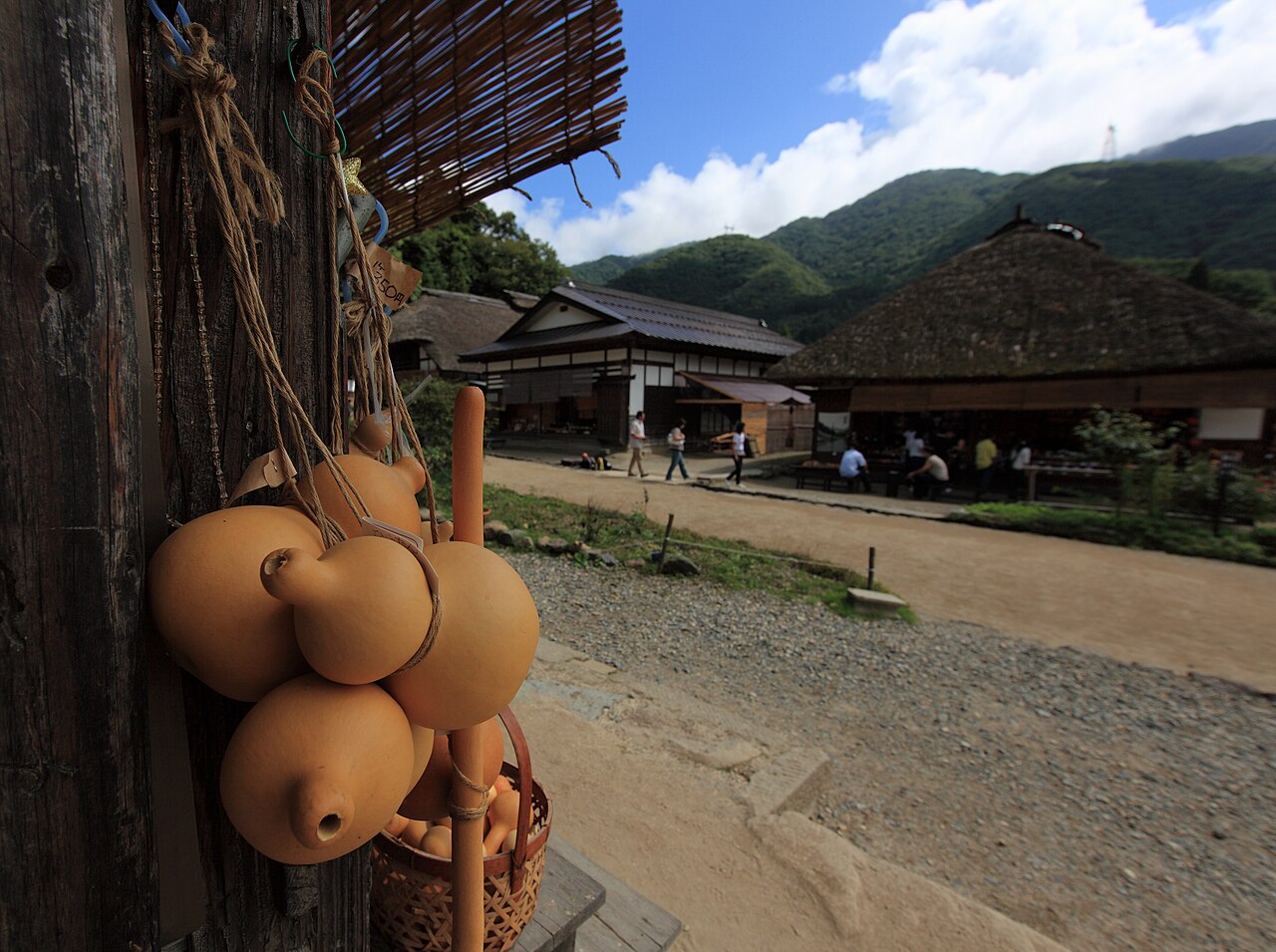
For eating, pick immature fruits starting about 55–80 days after planting, at 12–18 inches long while skins are still thin — fruits can grow several inches a day in heat, so check daily. Use like zucchini: sauté, grill, stuff, stew in tomato sauce, or spiralize into noodles. For decor or crafts, leave fruits to mature fully, harvest after vines die back, and dry with a few inches of stem attached. Mature fruits are hard-shelled and inedible.
Saving seeds
Saving cucuzza seed requires one act of self-denial that goes against every instinct a cook has: you must look at a beautiful long fruit, resist picking it, and let it grow old, hard, and completely inedible. Cucuzza is Lagenaria siceraria, a bottle gourd, and the fruits you eat young at a foot or two long are babies. Seed comes only from a fruit allowed to finish the whole job, staying on the vine until its skin hardens, its stem turns brown, and the whole thing feels light and hollow, with the seeds rattling inside when shaken. If you pick it for dinner, you have picked it too soon for seed. Decide at the start of the season which fruit is the seed fruit, tie a ribbon on it so nobody harvests it by mistake, and ignore it with great discipline while you eat its siblings.
The reason for the discipline is pollination. Bottle gourds are outcrossers, pollinated mainly by insects, and a cucuzza flower pollinated by another Lagenaria siceraria variety will produce seed that is a mix of the two. In a home garden growing only one bottle gourd type, that is not a problem; saved seed will grow true to type. If you grow several bottle gourds, or a neighbour does within bee range, purity needs more effort. The gold-standard advice for gourd seed production is generous isolation, on the order of a quarter of a mile, which most backyards cannot offer. The backyard version is hand-pollination: the evening before a female flower opens, tape or bag it shut, do the same to a male flower from the same plant, and the next morning transfer pollen by hand and re-bag the female flower for a few days until the fruit sets. It sounds fussy, and it is, but it is the difference between seed you can name and seed that is a mystery gourd.
When the seed fruit is fully mature and dry, cut it with a few inches of stem and cure it a little longer in a dry, airy place if the weather is damp. Then cut or saw the hard shell open and scoop out the seeds. Unlike a pumpkin, a mature bottle gourd is mostly dry fibre inside, so cleaning is largely picking the flat, pale seeds out of the fluff, rather than a long session of rinsing pulp. If your fruit is not fully dry inside, rinse the seeds in a strainer to remove clinging pulp, then spread them immediately in a single layer on a screen or paper towel. Either way, drying is the step you must not rush, especially in Florida. Spread the seeds where air moves, out of direct sun, for at least a couple of weeks, turning them occasionally, until they are hard and snap rather than bend. Seed put away damp in a humid climate will mould in the jar and take your whole saving with it.
Once bone dry, store the seed in an airtight jar with a desiccant packet, labelled with the variety and the year, in a cool, dark place. One seed source puts gourd seed at about half viability after six years under good storage, which makes cucuzza a forgiving seed to keep, but do not let that number make you lazy: germination is always best from fresh seed, and a simple germination test on a damp paper towel in spring will tell you whether to sow thickly or sow with confidence. Saved seed from an open-pollinated cucuzza, properly isolated or hand-pollinated, will grow true, producing the same long, pale-green fruits eaten young, because there is no hybrid trickery hiding in an open-pollinated variety.