
🪱 Crosne
What it looks like
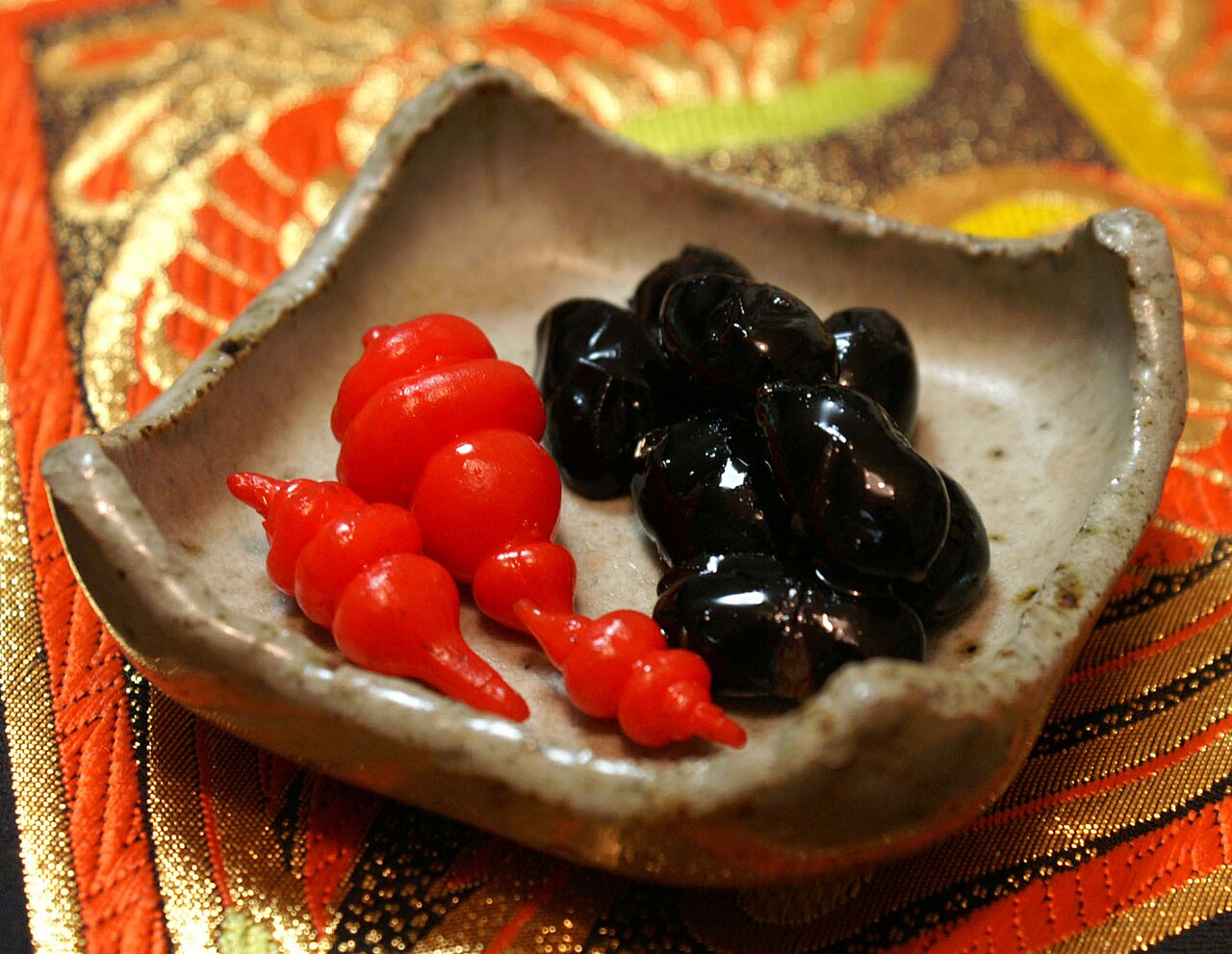
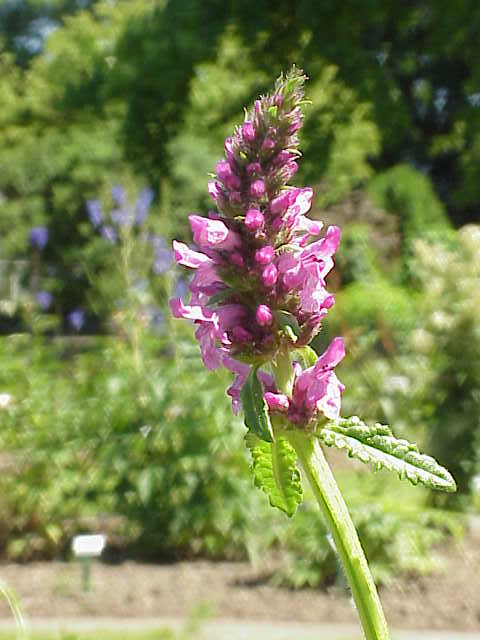
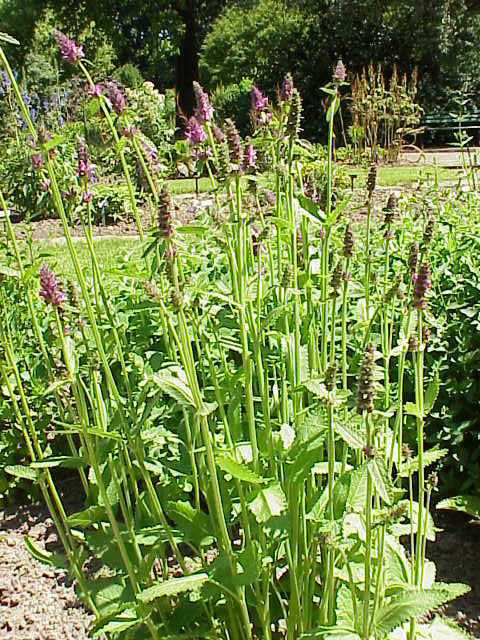
How to grow
Crosne, also called Chinese artichoke or Japanese artichoke, is a mint-family perennial grown for small, segmented, white tubers with a crisp, nutty, water-chestnut-like crunch. Plant tubers 2–3 inches deep in spring (or from mid-October to April in mild climates) in an open, sunny site with rich, light, well-drained soil. Space 9–12 inches apart in rows 18 inches apart, and earth up stems when plants reach 12 inches. Remove flowers in midsummer to push energy into tubers. WARNING: crosne self-perpetuates vigorously — any tuber left in the ground regrows, and it can become a persistent weed in the bed. Grow it in a contained bed, a deep pot, or a spot where spreading is welcome, and harvest thoroughly.
Water & feeding
Keep soil consistently moist — crosne yields suffer badly if soil dries out repeatedly — and mulch to hold moisture. Feed lightly with compost; do not over-fertilize, or you will get masses of leaves and few tubers. A balanced organic feed at planting and midseason is enough.
Common problems
- Spreading beyond its bed — the main issue; contain it and harvest every tuber you can find.
- Drying out — yields crash in dry soil; water in dry spells.
- Poor tuber set in shade — crosne needs full sun for good yields, though plants survive in shade.
- Short storage — tubers keep only 1–2 weeks at room temperature; store in the ground and dig as needed.
Harvest
Harvest from late October onward, once tops die back and plants are dormant, cutting stems back and digging as needed through fall and winter — tubers are sweeter after a frost. Always leave one or two tubers in the ground if you want the patch to return, or dig every last one if you want it gone (good luck). Eat tubers raw in salads, lightly fried in butter, stir-fried, steamed, or pickled — the classic French and Japanese preparation. Store surplus in sand in a cool place, and use quickly.
Propagation
Forget seed saving with crosne, and your crosne will thank you for it. This plant is grown from its tubers, not from its seeds: seed is rarely produced at all, and even where it appears, it is a slow, unreliable route to a plant that takes its time about everything except spreading. The tuber is the seed stock. Every knobbly little root you dig up in autumn is both dinner and next year’s crop, which is the most honest deal in the vegetable garden.
The method could hardly be simpler. At harvest, set aside the plumpest, firmest tubers instead of eating every last one, and replant them while they are dormant, in fall or in early spring before growth starts. Plant them about 3 inches deep and about a foot apart in moist, compost-rich soil, and water them in. The small ones that are barely worth peeling go straight back into the ground too; the French growers who made this crop famous plant the big tubers for market and replant the little ones, and there is no reason to be grander than they are.
Storage is where crosne punishes carelessness. The tubers dry out fast and keep only a week or two at room temperature, so never leave your seed tubers sitting on a counter. Either leave them in the ground and dig as needed, which is the easiest storage of all, or keep them in damp sand in a cool place over winter for spring planting. Either way, they must never dry out completely, and they must never sit in waterlogged soil either; moist and cool is the whole recipe.
One more thing, and it is the thing the harvest section already warned you about: you will never find every tuber. The ones you miss will sprout next spring, which is either free plants or a weed problem depending on where you planted them. Thin those volunteers to about a foot apart, and plant crosne where its enthusiasm is welcome or contained, not in a bed you planned to rotate into something else. And if you want bigger tubers rather than more tops, pinch off any flower stalks that appear; the plant’s energy then goes underground, where you actually want it.