
🌳 American Ginseng
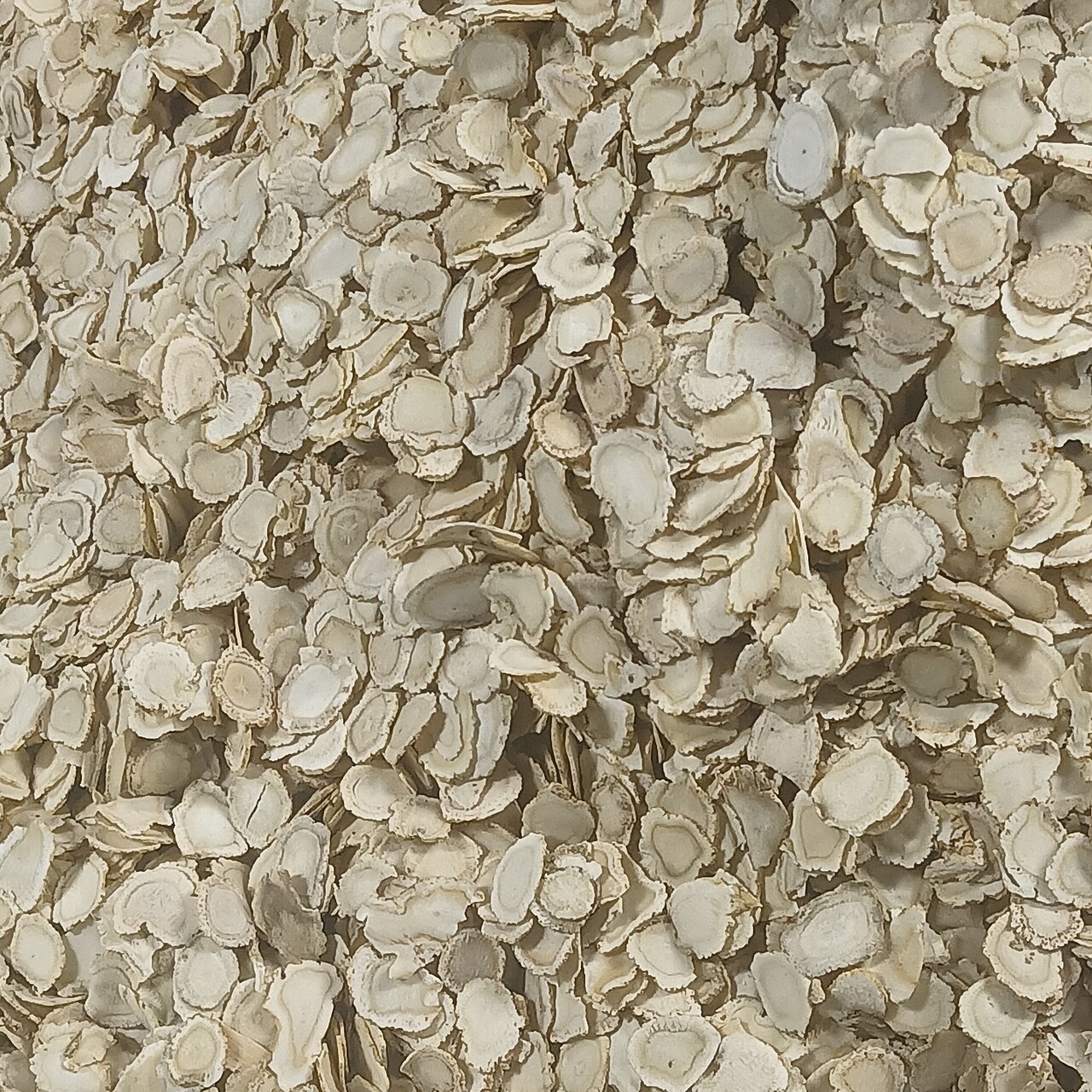
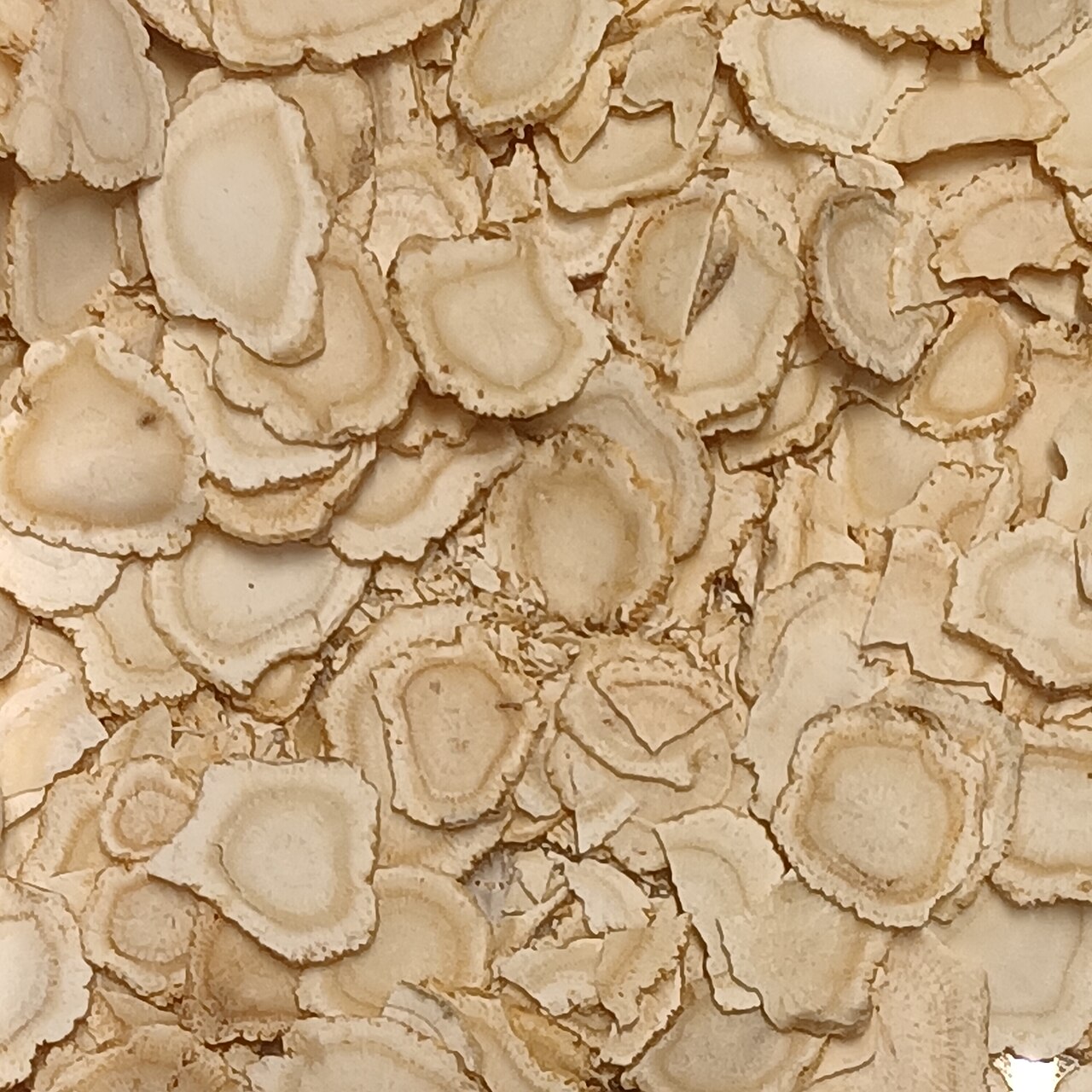
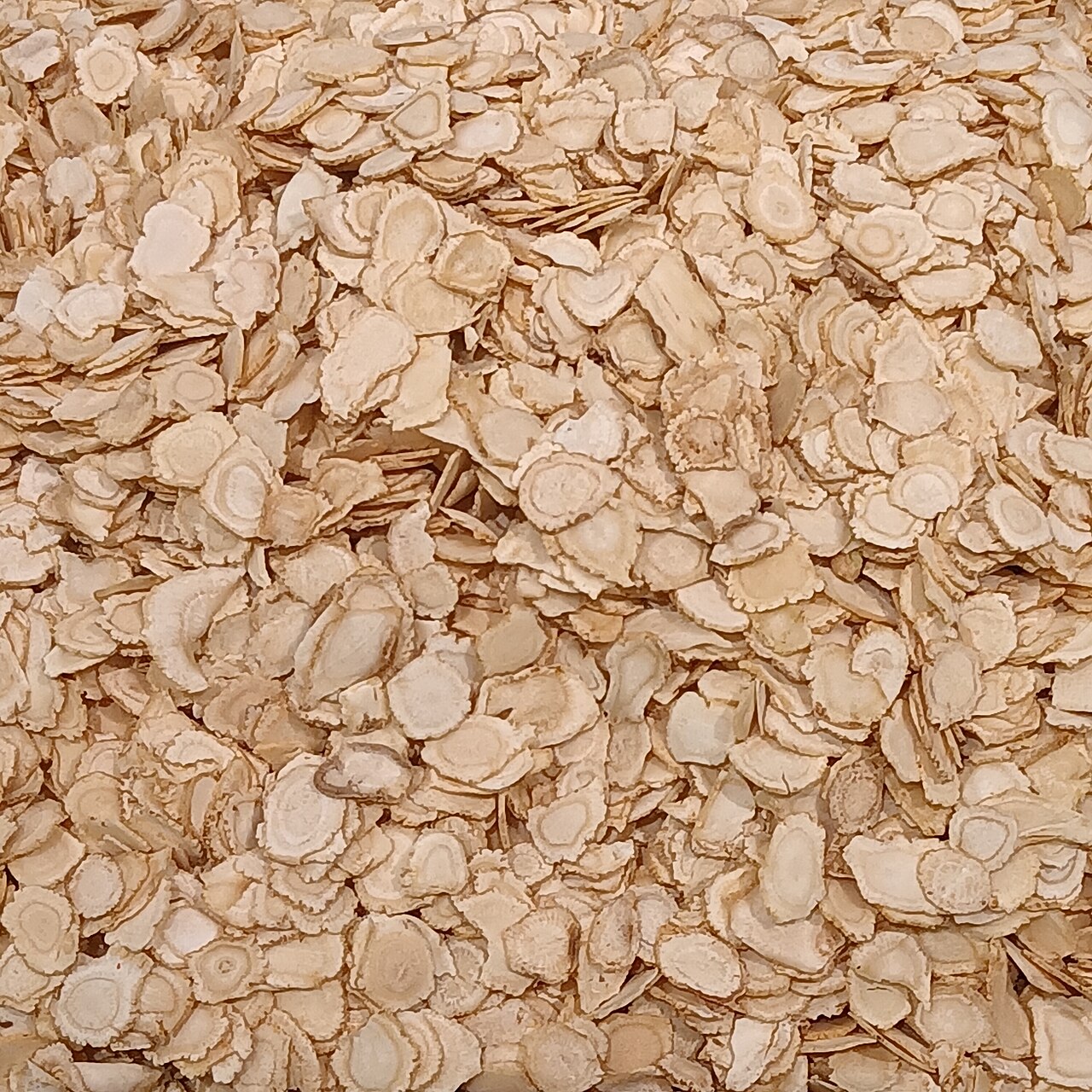
What it looks like
How to grow
American ginseng is a small woodland perennial, 1-2 feet tall, with a single stem bearing palmate leaves of five leaflets, small greenish-white flowers in summer, and clusters of bright red berries in fall. Start from stratified seed planted in fall — it needs a long cold, moist period, so buy pre-stratified seed — or from rootlets planted with buds up, in a north- or east-facing woodland bed under mature hardwood trees that give 70-90% shade. It wants deep, humusy, well-drained soil rich in organic matter, with a slightly acidic pH and good air circulation; a gentle slope helps drainage, since standing water spreads root diseases that can wipe out a planting. This is a years-long commitment, not a season’s crop: plants take 5-7 years to produce a worthwhile root, and they need weeding, mulching with leaf litter, and protection from deer and slugs the whole time. Never dig wild ginseng — it is a slow, declining native plant, regulated in most states, and wild harvest is restricted or banned in many places. Grow only nursery-propagated stock, and check your state’s ginseng regulations before planting.
Water & feeding
Keep soil consistently moist but never waterlogged — ginseng needs steady woodland moisture and good drainage in equal measure, and drought stress makes it go dormant early. Mulch with 2-3 inches of leaf litter, mimicking the forest floor, and do not fertilize heavily; compost or leaf mold at planting is enough. Water during dry spells, especially in the first two years, and keep the bed weed-free by hand so you do not disturb shallow roots.
Common problems
- Fungal diseases (Alternaria blight, Phytophthora root rot, damping-off) — the main threat. Plant in well-drained soil with good airflow, space generously, and never reuse a ginseng bed for ginseng.
- Deer and rabbits eating tops — fence the bed; a nibbled plant loses a whole year’s growth.
- Slugs and snails — hand-pick at dusk, especially in wet springs; keep leaf litter mulched but not matted.
- Poaching and theft — a real risk for a valuable root. Plant discreetly, do not advertise the bed, and know that harvest and sale are regulated in many states.
Harvest
Harvest roots only after 5-7 years, in fall after the tops die back, digging carefully with a fork to avoid breaking the root. Wash gently, dry slowly in a warm, airy place out of direct sun, and store in a dry container. This guide is about growing only: ginseng is a potent traditional herb with real interactions and regulation around it, so any medicinal use deserves a clinician’s input, and any sale deserves a check of your state’s ginseng rules first. More importantly, leave wild plants alone — a cultivated patch, grown patiently in shade, is the only responsible way to have ginseng in your garden. Replant berries from your own plants to keep the patch going.
Saving seeds
American ginseng (Panax quinquefolius) does nothing quickly, and its seed is the slowest part of an already slow plant. If you want ginseng in your garden, start by accepting the timeline: a berry picked this fall will not become a seedling next spring. It will, if everything goes right, become a seedling the spring after that, or later.
The seed comes in the bright red berries that ripen in fall on plants generally three years old or older, ripening in sequence rather than all at once, so pick in passes as berries color fully. Crush the pulp away promptly, because pulp left on invites rot, and never let the seed dry out: fresh seed has an immature embryo and must stay moist from harvest onward. A dried-out ginseng seed is, for practical purposes, a dead one. Freshly harvested seed, often called green seed, has an immature embryo and must stay moist from harvest onward. A dried-out ginseng seed is, for practical purposes, a dead ginseng seed.
What the seed needs next is a warm-and-cold sequence, repeated, and sources describe it in slightly different schedules, so treat the numbers below as a qualified range rather than a recipe carved in stone. In nature, seed sown in fall experiences a warm period, then a cold winter, then another warm period and another cold winter, germinating roughly eighteen months after ripening, with some references stretching that maturation window to sixteen to twenty-two months. Growers mimic this by stratifying seed in moist sand, kept damp but never soggy, through alternating warm and cold months, or more simply by sowing fresh seed outdoors in fall in a shaded bed and letting two winters do the work.
Once your own cultivated plants are bearing, replant their berries right back near the parent patch. This is how a patch expands and persists, and it is also the responsible thing to do: a cultivated patch that reseeds itself is a patch that never needs a wild plant dug up to replace it.
Now the plain legal part, because it matters more here than for almost any other plant in this project. Wild American ginseng has been seriously depleted by harvest, and it is listed under CITES Appendix II, which controls its international export. In the United States, states that still allow legal wild harvest generally require that seeds from any wild plant harvested be planted near where the plant grew, so the local population has a chance to recover, and several states prohibit wild harvest entirely. Rules vary by state. Selling roots brings its own permits. So the rules for this section are short: start only from nursery-propagated seed or rootstock, never dig or move a wild plant, never take seed from a wild population, and check your own state’s ginseng rules before you harvest or sell anything.
Florida note, stated bluntly: this guide lists zones 3 to 8, and American ginseng is a cool, shaded woodland plant of the eastern mountains and northern forests, not a Florida plant for most of the state. Florida’s heat, humidity, and mild winters work against both the plant and the long chill its seed demands, so treat ginseng here as a North Florida curiosity at best, grown only with deep shade, humusy soil, and realistic expectations, and store any seed you handle cool, moist, and airtight, never warm and damp, which is an invitation to rot. And one safety line that bears repeating: ginseng root is a potent traditional herb with real interactions, so this section is about growing it, not dosing it; any medicinal use deserves a clinician’s input.