
🌿 Goldenseal
What it looks like
How to grow
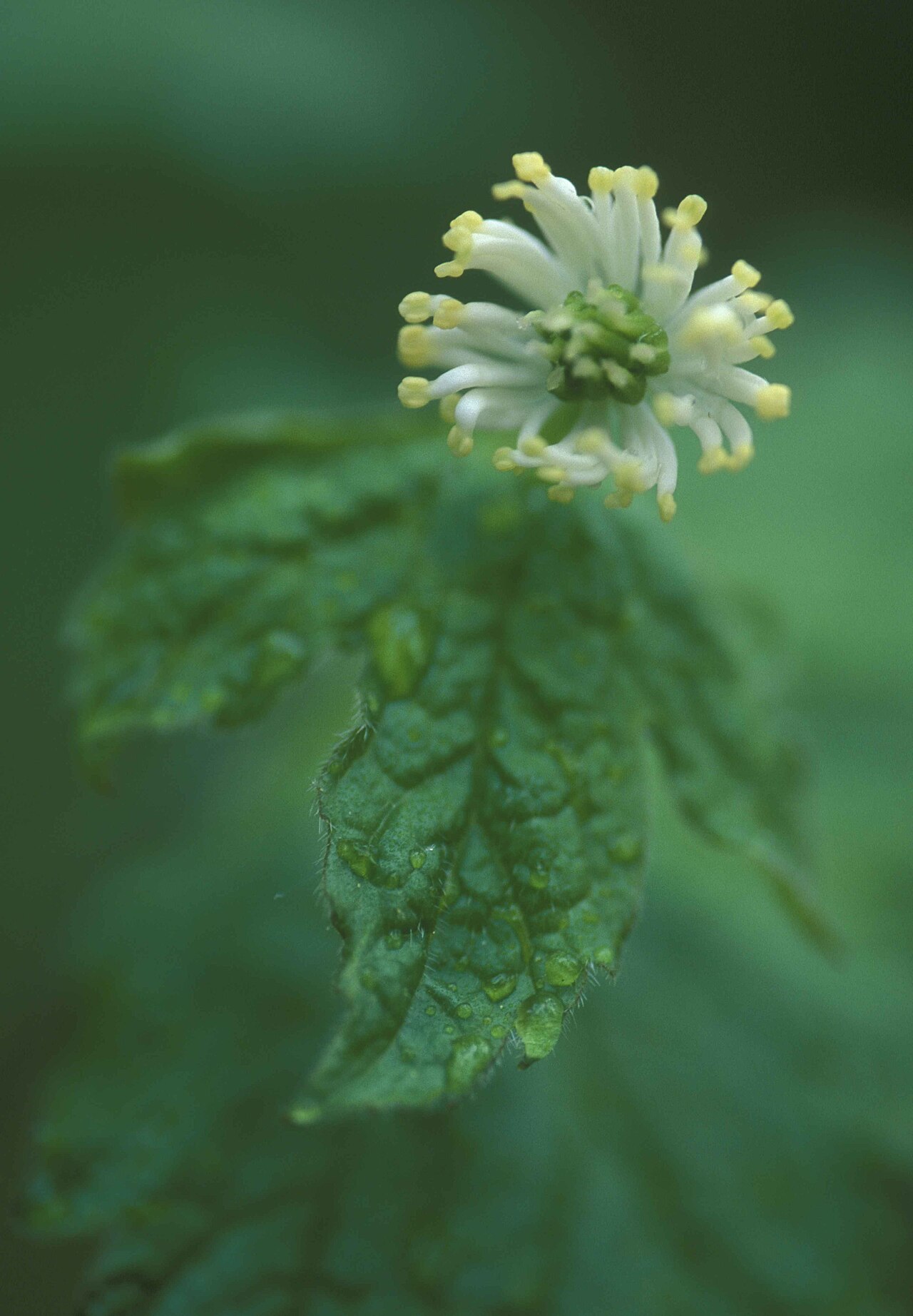
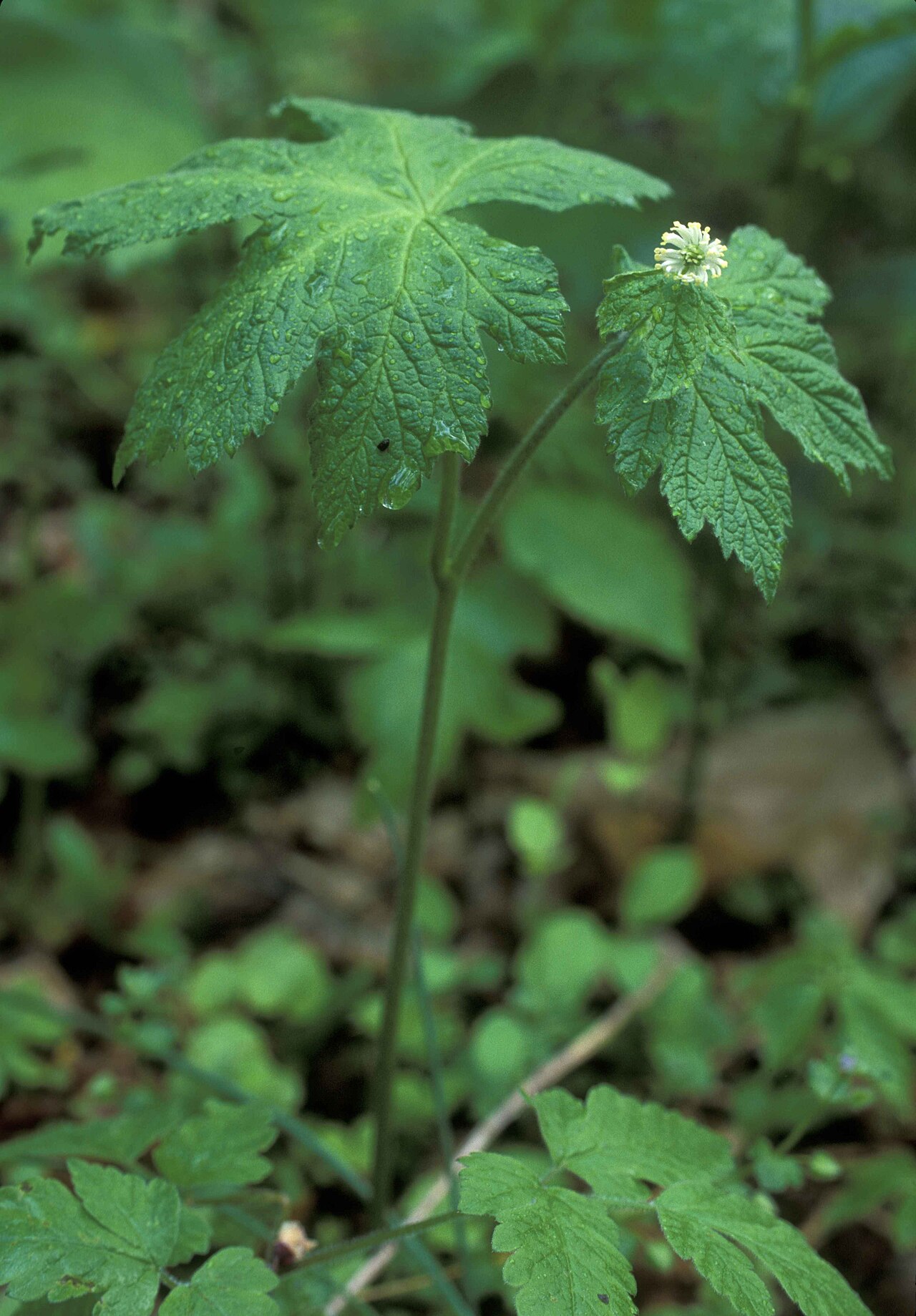
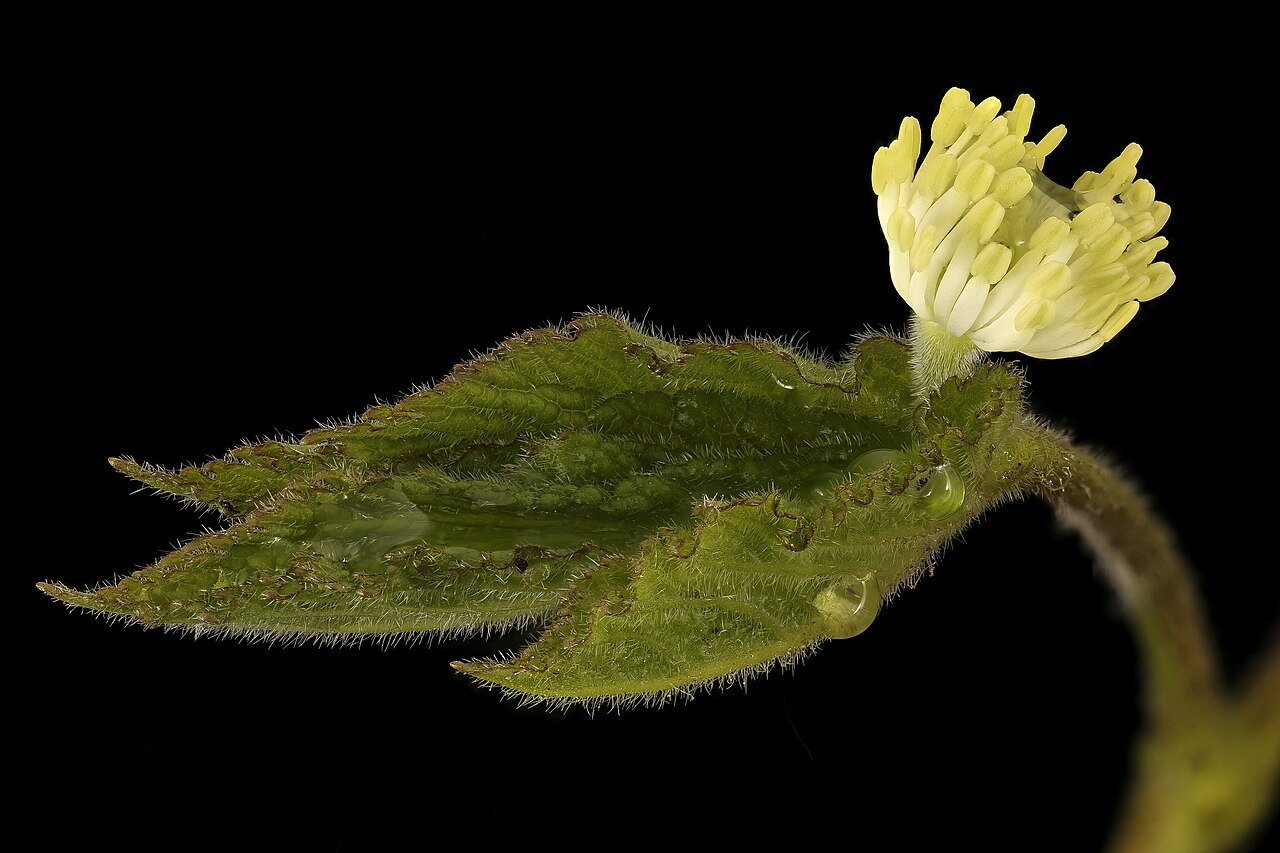
Goldenseal is a small woodland perennial, 8-12 inches tall, with a single palmate leaf (two on flowering plants), small white flowers in spring, and a cluster of red berries in summer, all rising from a knobby, yellow rhizome. Start from rhizome pieces (at least half an inch, with a bud) planted in fall or early spring — the reliable route, since seed is slow and needs years — or from nursery-grown plants, and plant in deep shade to part shade in rich, humusy, well-drained woodland soil with leaf-litter mulch, mimicking the forest floor. It wants steady moisture, cool summers, and undisturbed ground; it is a slow plant that takes 3-5 years to produce a worthwhile rhizome, and it spreads slowly into a patch if left alone. Never dig wild goldenseal: it is a declining native plant, listed as threatened or of special concern in many states, and wild harvest is restricted or banned in much of its range. Grow only nursery-propagated stock, and check your state’s rules before planting.
Water & feeding
Keep soil consistently moist but never waterlogged — goldenseal is a woodland plant that wilts in drought and rots in standing water. Mulch with 2-3 inches of leaf litter or straw, top-dress with compost in spring, and do not fertilize heavily; rich, humusy soil is enough. Water during dry spells, especially in the first two years, and keep the bed weed-free by hand so you do not disturb shallow rhizomes.
Common problems
- Slow growth — the main challenge. Expect 3-5 years to a harvestable rhizome, and do not disturb the patch in the meantime.
- Drought stress — leaves yellow and plants go dormant early; water deeply, mulch, and add shade.
- Slugs on young leaves in damp shade — hand-pick at dusk; established plants outgrow minor damage.
- Wild-harvest pressure — never buy wild-dug stock or dig wild plants. Buy only nursery-propagated rhizomes from a reputable source, and ask how they were grown.
Harvest
Harvest rhizomes only after 3-5 years, in fall after the tops die back, digging carefully and replanting small pieces with buds to keep the patch going. Wash gently and dry slowly in a warm, airy place out of direct sun. This guide is about growing only: goldenseal is a potent traditional herb with real interactions and conservation concerns, so any medicinal use deserves a clinician’s input, and any sale deserves a check of your state’s rules. The responsible harvest is a small one — take a little, replant the rest, and let the patch thicken for the next cycle.
Stewardship and propagation
Before anything else, the honest headline on goldenseal: this is not a plant to go gathering. Goldenseal (Hydrastis canadensis) has been dug from eastern woodlands for centuries, and that pressure, plus habitat loss, thinned wild populations badly enough that it was listed on Appendix II of CITES, the international treaty on trade in threatened species, back in 1997. It is also protected, threatened, or endangered in a long list of states. So the first rule of goldenseal propagation is simple and non-negotiable: never dig a wild plant, never collect wild seed, and never buy wild-dug stock. Start only with nursery-propagated plants or rhizomes from a reputable grower who can say how they were grown, and check your own state’s rules before you sell, trade, or give away any part of the plant, because permits and certificates of origin apply in some states and to exports.
That caution is not just paperwork. Goldenseal is slow in a way that makes overharvest almost irreversible on a human timescale. Most natural spread in the wild happens clonally, as buds along the fibrous roots swell into new plants, and a patch builds by thickening, not by racing. Growers generally reckon on roughly three to five years to a harvestable rhizome from a rhizome piece, and roughly five to seven years from seed. Seed production itself does not even begin until a plant is about four or five years old. This is a plant that rewards the gardener who thinks in half-decades, and punishes the one who treats it like a radish.
If you already have nursery-grown plants, the responsible way to increase them is the way the plant itself does it: division. In fall or early spring, lift a clump gently and cut rhizome pieces at least half an inch long, each with healthy roots and, ideally, a bud, then replant them right away in rich, humusy woodland soil and leave them undisturbed. Take a little, replant the rest, and let the patch thicken. That is the faithful route, too: a division is a clone of the parent, so you know exactly what you are growing.
Seed is possible, but treat it as a patience project, not a shortcut, and only from your own cultivated plants. Collect the red berries when fully ripe in summer, clean the shiny black seeds out of the pulp, and sow them fresh, as soon as you can, in a shaded nursery bed or pot of woodland soil. Do not dry-store them like bean seed and expect them to wait politely; goldenseal seed is famously fussy about dormancy, sometimes needing a warm spell followed by a cold one, and sometimes holding over to a second spring. Sowing fresh lets nature run that warm-then-cold sequence for you. Seedlings may then sit in the seedling stage for a year or two before they look like much at all. That is normal. It is also the reason a home gardener who wants more goldenseal should reach for a trowel and a rhizome piece first, and for seed only when they have time, shade, and patience to spare. The conservation payoff is the point: every plant you grow from nursery stock is one less reason for anyone to dig a wild one.