
🌿 Mullein
What it looks like

How to grow
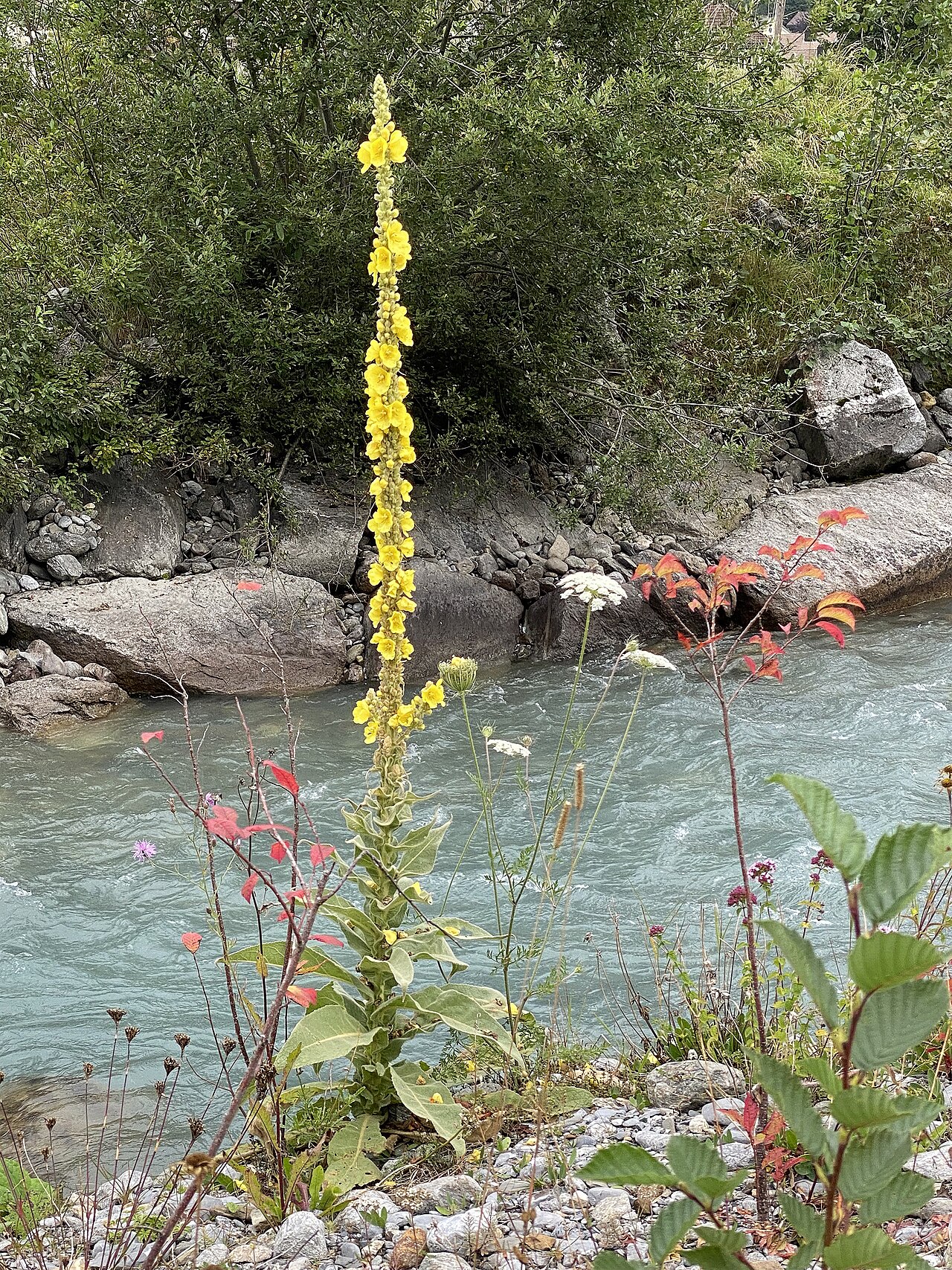
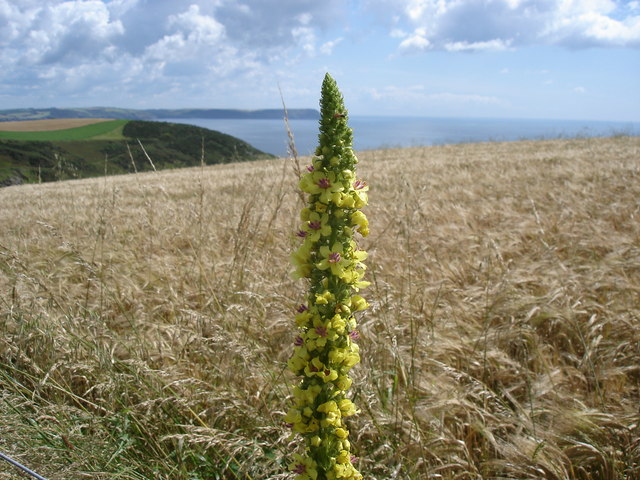
Mullein is a bold biennial: in year one it forms a rosette of large, soft, woolly, gray-green leaves, and in year two it rockets to 4-6 feet and tops itself with a dense spike of yellow flowers that bees visit heavily. Sow seed directly outdoors in spring or fall, scattering it on the surface — it needs light to germinate — in full sun and well-drained, even poor, gravelly or sandy soil; mullein positively prefers neglected, dry, alkaline ground and resents rich, wet soil. It has a taproot and resents transplanting, so sow where it will grow, and give it room: a mature plant is 2-3 feet wide and very tall. Deadhead before seed ripens if you do not want mullein in every crack next year, because a single spike makes thousands of seeds that last for decades in soil. In fact, mullein seeds are so long-lived that they have germinated after a century in storage — a fun fact and a warning in one.
Water & feeding
Water until established, then water sparingly — mullein is a dry-climate plant and overwatering kills it faster than drought does. It needs no fertilizer; compost at planting is more than enough, and rich soil makes floppy plants. Mulch with gravel in wet climates to keep the crown dry.
Common problems
- Self-seeding everywhere — deadhead before seed ripens, and pull volunteers while small; seeds last for decades in soil.
- Root rot in wet soil — plant in raised beds or gritty soil, especially where winters are wet.
- Flopping in rich soil or shade — grow in full sun and lean soil, and stake tall spikes in windy spots.
- Powdery mildew in humid, crowded beds — space for airflow, water at the base, and cut out affected leaves.
Harvest
Snip leaves in year one, taking outer rosette leaves first, and cut flower spikes in year two as flowers open, drying promptly in a dark, airy place if you want to keep them. This guide is about growing only: mullein has a long traditional herbal history, especially for respiratory traditions, but if you are considering it for health reasons, talk to a clinician first — and note that the tiny hairs on leaves and flowers can irritate skin and lungs, so strain any preparation carefully and handle dried material with care. In the garden, its value is as a tall, woolly, bee-friendly biennial for the toughest, driest corner, and that needs no health claim.
Browse all plant & pest guides
Saving seeds
Mullein is a biennial with a superpower: it makes an almost absurd amount of seed, and that seed stays alive in the soil for decades. One flowering stalk can produce tens of thousands of tiny seeds, so saving seed from mullein is less a harvest and more a restraint exercise. Let a stalk ripen fully on the plant — the capsules turn brown and dry, and the seed rattles when you shake the stalk — then snip the stalk into a paper bag and shake it. What falls out is more seed than you will ever need, and a little goes a very long way.
The seed is tiny and needs light to germinate, so sow it on the surface of a moist seed-starting mix and press it in gently, but do not bury it. It needs no cold treatment at all — just warmth, light, and moisture — and it usually sprouts within a couple of weeks. Sow in spring or fall, and thin the seedlings to give them room, because mullein’s first year is a flat rosette of fuzzy leaves and its second year is a tall flowering stalk, and the rosette needs space to spread.
Here is the caution that belongs in any mullein seed section: deadhead the stalks you do not want to keep. Mullein self-seeds with enthusiasm, and seed that falls in your garden will wait patiently in the soil — for years, even decades — until conditions suit it. A plant you grew once can volunteer for a generation. That is a feature if you love mullein, and a weed problem if you do not, so decide which camp you are in before you let a stalk go to seed.
Save seed from your tallest, healthiest plants, and label the jar with the year — mullein seed keeps for years in dry storage, but a date on the jar keeps you honest about what you are sowing. Dry it thoroughly first, because Florida humidity is the enemy of stored seed, and keep it in a cool, dark place.
Varieties
Every named variety of Mullein with its own growing guide:
- Violetta Mullein — The purple mullein: violet-purple flower spikes over felted rosettes, the refined mullein.
- White Bride Mullein — The white mullein: pure white spikes over felted rosettes, the moon-garden mullein.