
Sweet potatoes are Florida’s apology for summer. When the tomatoes have given up, the peppers are sunburned, and the garden looks like it needs a nap, sweet potatoes are just getting started — sprawling vines, zero drama, and a harvest that feeds you all winter. If your garden only grows one thing through a Florida summer, this is a strong candidate.
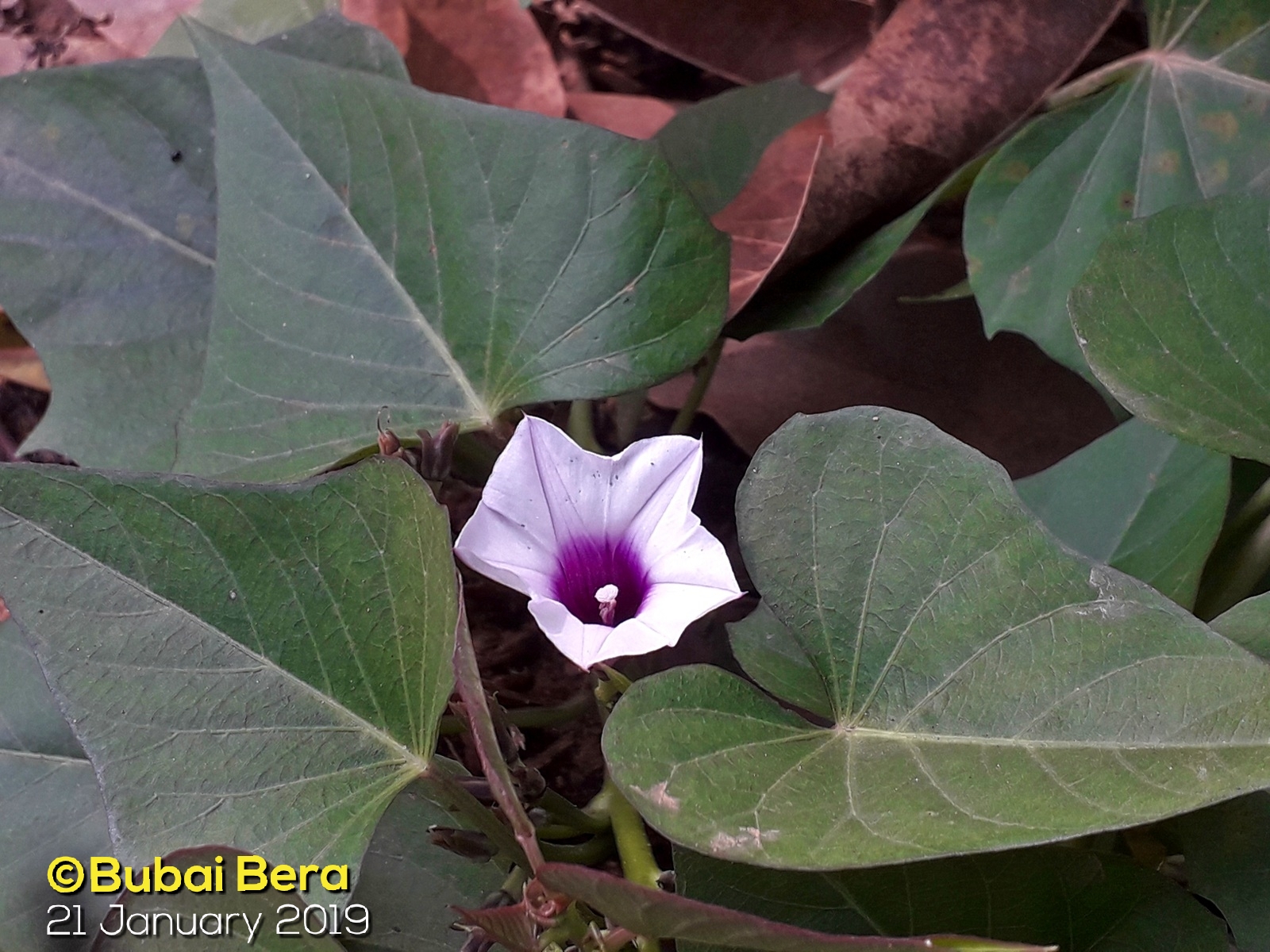
First, the identity crisis: the “yams” in American grocery stores are almost always sweet potatoes. True yams are Dioscorea, a different plant entirely, usually sold in international markets. What you grow in Florida is Ipomoea batatas, a morning glory cousin — which explains the vines. And what you eat is not a root in the usual sense: it is a storage root, a swollen underground battery the plant fills with starch all season.
Why sweet potatoes deserve the garden
Three reasons. One: they love heat. Sweet potatoes are tropical plants that treat a Florida summer as ideal conditions, not a punishment. Two: they are absurdly productive for the space — a few plants can fill a wheelbarrow. Three: they store. A cured sweet potato keeps for months in a cool, dark place, which means a fall harvest is still dinner in February.
The science that matters: sweet potatoes are loaded with beta-carotene, the orange pigment your body converts to vitamin A. That is why they are orange — the color is the nutrition. And they get sweeter after harvest, not before: curing (a week or two warm and humid after digging) converts starches to sugars and toughens the skin for storage. Skip curing and you get a starchy, bland potato. Cure them and you get candy that grows in dirt.
Growing tie-in (the short version)
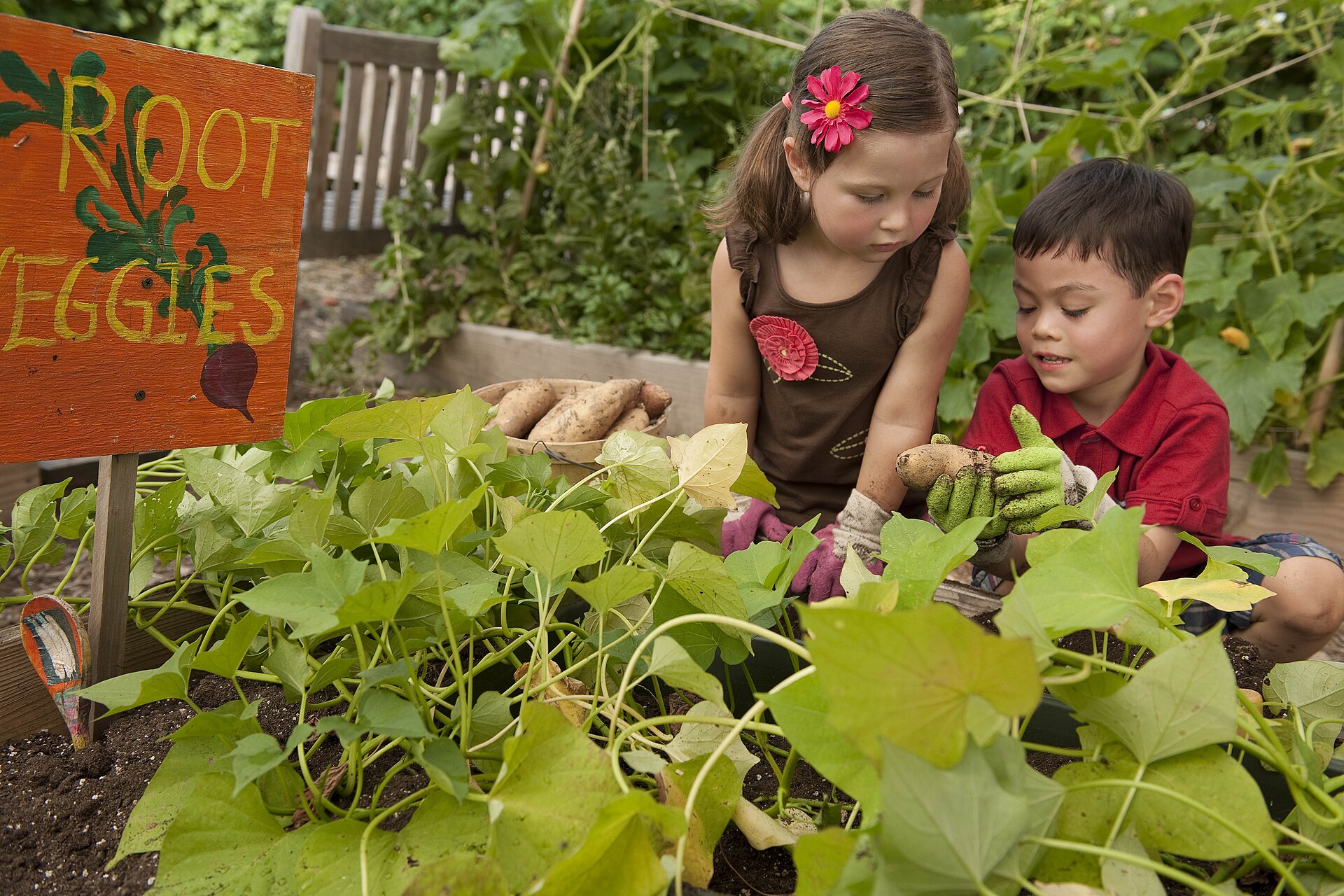
Plant slips — sprouts grown from a sweet potato, not seeds — in spring after the soil warms. Give them sun and room to sprawl. Harvest before frost, handle gently (bruises rot in storage), and cure before eating. That is the whole growing story; the rest of this guide is what to do with the mountain that results.
Four ways to cook them
1. Roasted (the weeknight default)
Cut 2 pounds into even cubes, toss with oil and salt, spread in a single layer on a sheet pan, and roast at 425°F for 25–30 minutes, flipping once, until caramelized at the edges. The single layer is the whole trick: crowded sweet potatoes steam instead of roasting, and steamed sweet potatoes are a sad, soft pile. Caramelization is where the flavor lives.
2. Mashed (the comfort classic)
Peel, chunk, and boil or steam until completely tender, then mash with butter, salt, and a splash of milk or cream. Sweet potato mash wants less liquid than regular mashed potatoes — the roots are already moist. Season boldly: salt, black pepper, and a pinch of nutmeg. Save the brown sugar; a cured sweet potato is already sweet.
3. Fries (the crisping challenge)
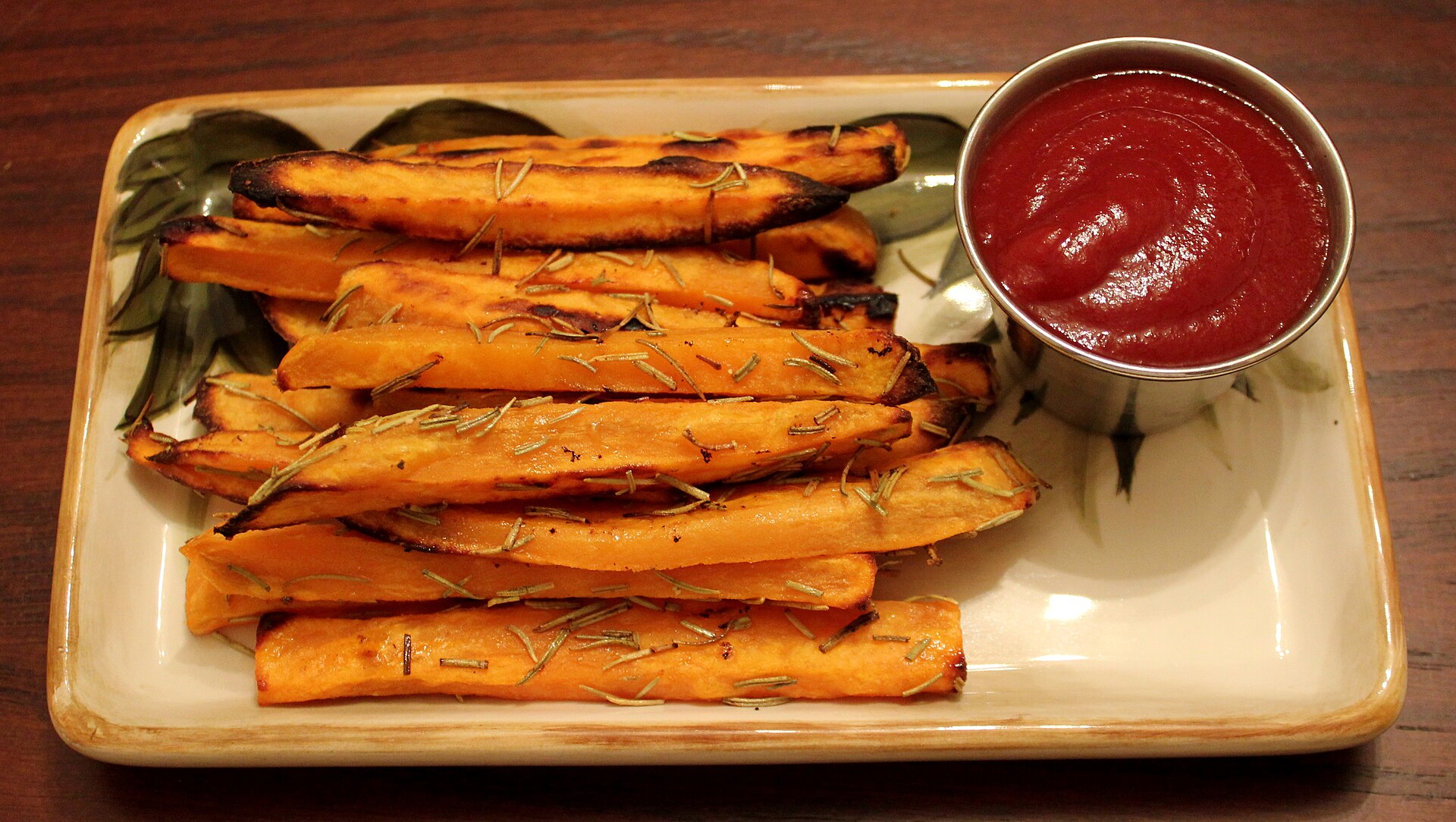
Cut thin and even, soak 30 minutes in cold water, then dry them very well — moisture is the enemy of crisp. Toss with oil and salt, spread in a single layer, and roast hot (425°F or higher) until crisp at the edges. They will never be as shatter-crisp as a white potato fry — sweet potatoes have more sugar, and sugar browns (and burns) faster. Accept the soft center, chase the crisp edges, and move on with your life.
4. Pie (the holiday argument-ender)
The classic: 2 cups mashed sweet potato, 2 eggs, 3/4 cup sugar, a half cup of milk or cream, melted butter, and cinnamon, nutmeg, and ginger, baked in a pie crust until set. Sweet potato pie is pumpkin pie’s better-traveled cousin, and in the South it is not a debate — it is the default. Make two. One will disappear before it cools.
Storing the mountain
Cured sweet potatoes keep for months in a cool, dark, ventilated place. Do not refrigerate raw sweet potatoes — cold damages their flavor and texture and can leave a hard core that never softens. Cooked sweet potato, on the other hand, freezes beautifully: mash, cool, and freeze flat in bags for winter soups and pies. Our Freezing the Harvest guide covers the method, and the Florida Preserving Calendar tells you when the harvest lands.
That is the sweet potato deal: a plant that loves your worst weather, stores through winter, and turns into dinner four different ways without a single complaint. Grow a row. You will wonder why you ever let summer beat you.
🌱 Keep learning
Three related guides worth reading next:
- Water-Bath Canning Without Fear — The safety-first guide to preserving your harvest: botulism science, the pH 4.6 rule, and water-bath canning step by step.
- Fermented Hot Sauce — Let the microbes do the cooking: lacto-fermented hot sauce from garden peppers, with the safety science built in.
- Drying Herbs the Right Way — Which herbs dry beautifully, which ones should be frozen instead, and the methods that actually preserve flavor.
🪱 Your Soil Needs This
Reading about healthy soil is great. Growing in it is better. Our small-batch, traceable worm castings are the shortcut your garden deserves.
Shop Worm Castings Subscribe & SaveEvery bag comes with a lot certificate. Know what's in your soil.