
🍵 Mint Water
No knife. No heat. No blender. Just mint, cold water, and a little patience — and the coolest-tasting drink your garden ever made.
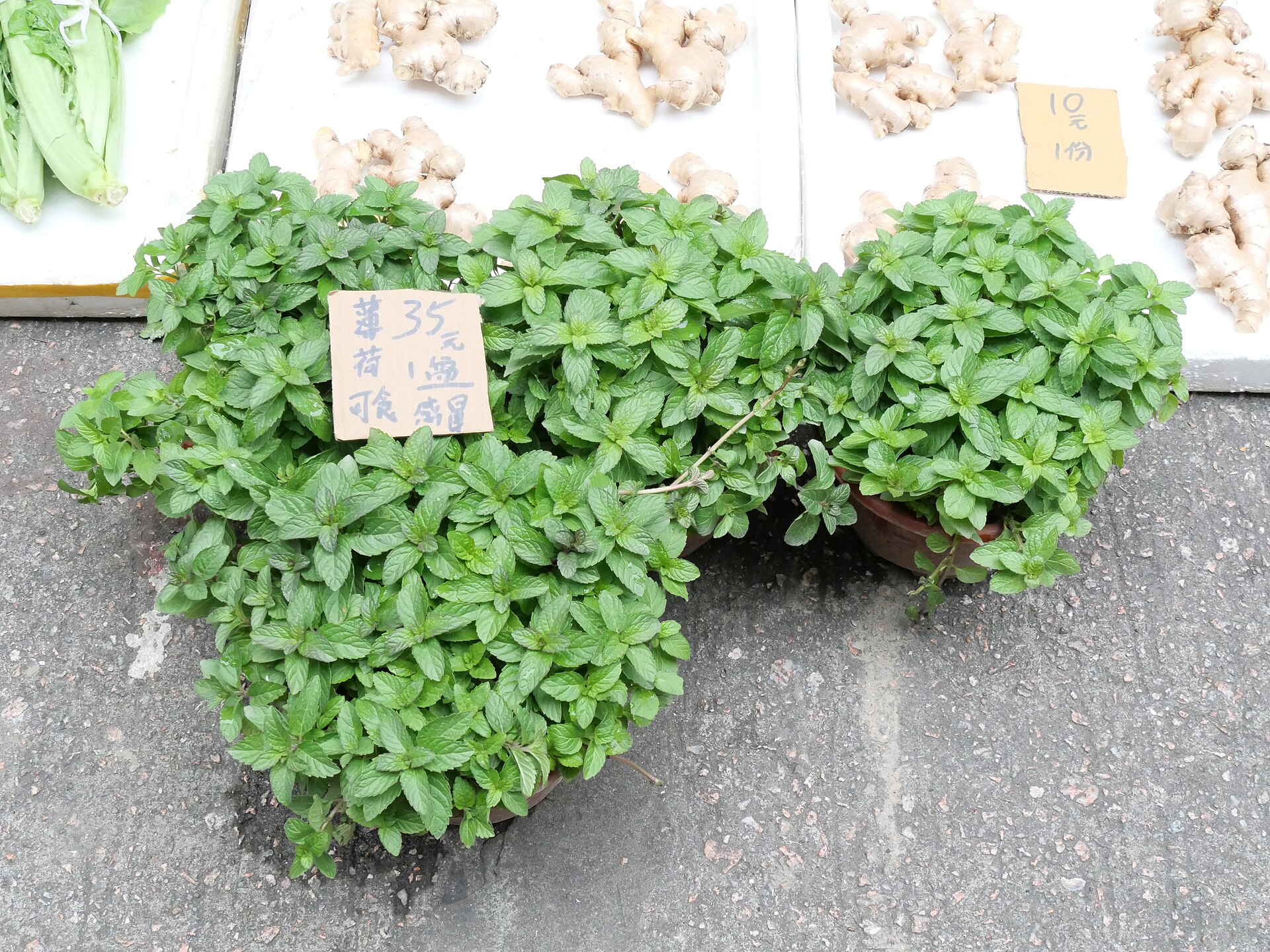
This is the safest recipe in the whole kids-kitchen collection, and somehow also one of the fanciest. Restaurants charge real money for water with mint in it. You are going to make it in a pitcher, in your kitchen, for free, from a plant that is probably trying to take over your garden right now. Mint grows like it has somewhere to be. This is your chance to put it to work.
And here is the sneaky part: mint water is not really about the water. It is about the smell. The flavor of mint lives in its scent, and the scent lives in tiny oils inside the leaves. Your job is to coax those oils out, gently, and let them move into the water. It takes about twenty minutes. That is not waiting. That is infusing. Infusing sounds much more impressive, and it is the correct word.
🧪 The Science Hiding in Your Pitcher
Three nerdy things are happening in your mint water, and knowing them makes you a better cook:
1. Smell is flavor’s best friend. Most of what you call “taste” is actually smell. When you sip mint water, the minty scent floats up the back of your throat to your nose, and your brain reads that as flavor. That is why food tastes boring when you have a cold — your nose is out of order, so your flavor is too. Mint water is basically smell you can drink.
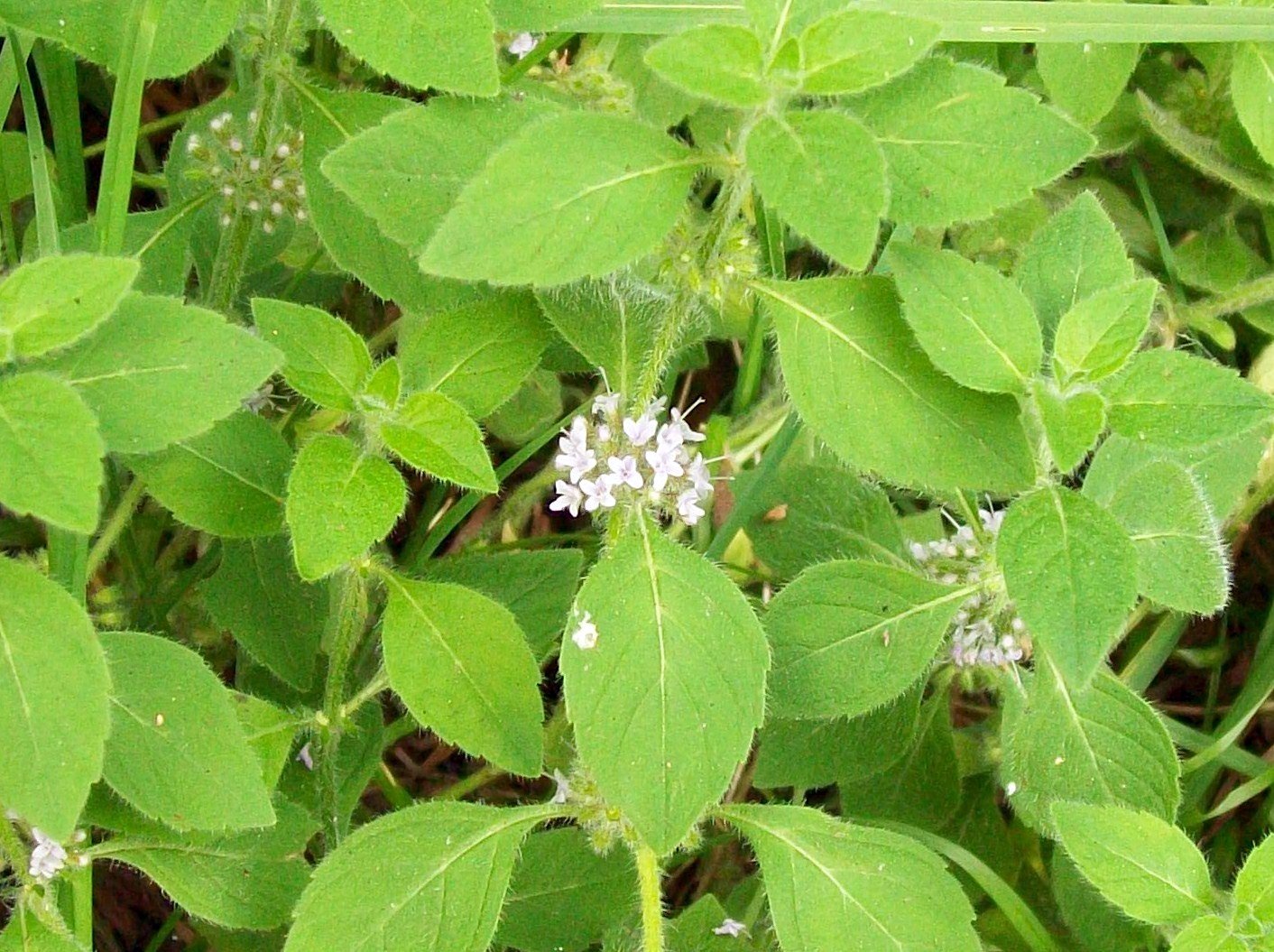
2. Bruising sets the oils free. Mint leaves keep their scent locked in tiny oil glands on the leaf surface. When you gently bruise a leaf — press it, fold it, clap it between your hands — you break those glands open and the oils escape. The key word is gently. Shred the leaf to confetti and you get bitter, grassy flavors along with the good stuff. A gentle bruise is a polite invitation. A shredding is a robbery.
3. Mint feels cold without being cold. This is the best trick in the whole recipe. Mint contains menthol (say: MEN-thol), and menthol trips the cold sensors in your mouth — the same sensors that fire when you drink ice water. Your mouth reports “cold!” even though the water is not actually colder. Menthol is a prankster chemical: it hacks your temperature sensors. That cool feeling is your nervous system being fooled, politely, by a leaf.
🧰 Your Gear
- A big handful of fresh mint leaves — spearmint is sweet and friendly, peppermint is stronger and punchier; either works
- A pitcher and cold water
- A spoon for gentle bruising
- Cups for drinking
- Optional extras: a few cucumber slices, or a handful of berries, for a second round of experiments
- No knife. No stove. No oven. No grown-up job required — but a grown-up taste-tester is strongly recommended.
🔨 The Build
- Wash your hands and wash the mint. Rinse the leaves gently under cold water. Garden leaves carry garden dust, and dust is not a flavor.
- Pick the leaves off the stems. Stems are fine to skip — the leaves hold the oils. If a stem sneaks in, it is not a disaster. It is rustic.
- Bruise, do not shred. Put a few leaves in your palm and clap your other hand over them once, or press them gently with the back of a spoon in the bottom of the pitcher. You should smell mint the second you do it. That smell is the oils escaping. That is success you can sniff.
- Drop the bruised leaves in the pitcher and add cold water. Fill it up. Give it one gentle stir.
- Wait 20–30 minutes. This is the patience science. Set a timer, go do something else, and let the cold water do its slow, picky work. Taste it at 20 minutes. Not minty enough? Give it ten more.
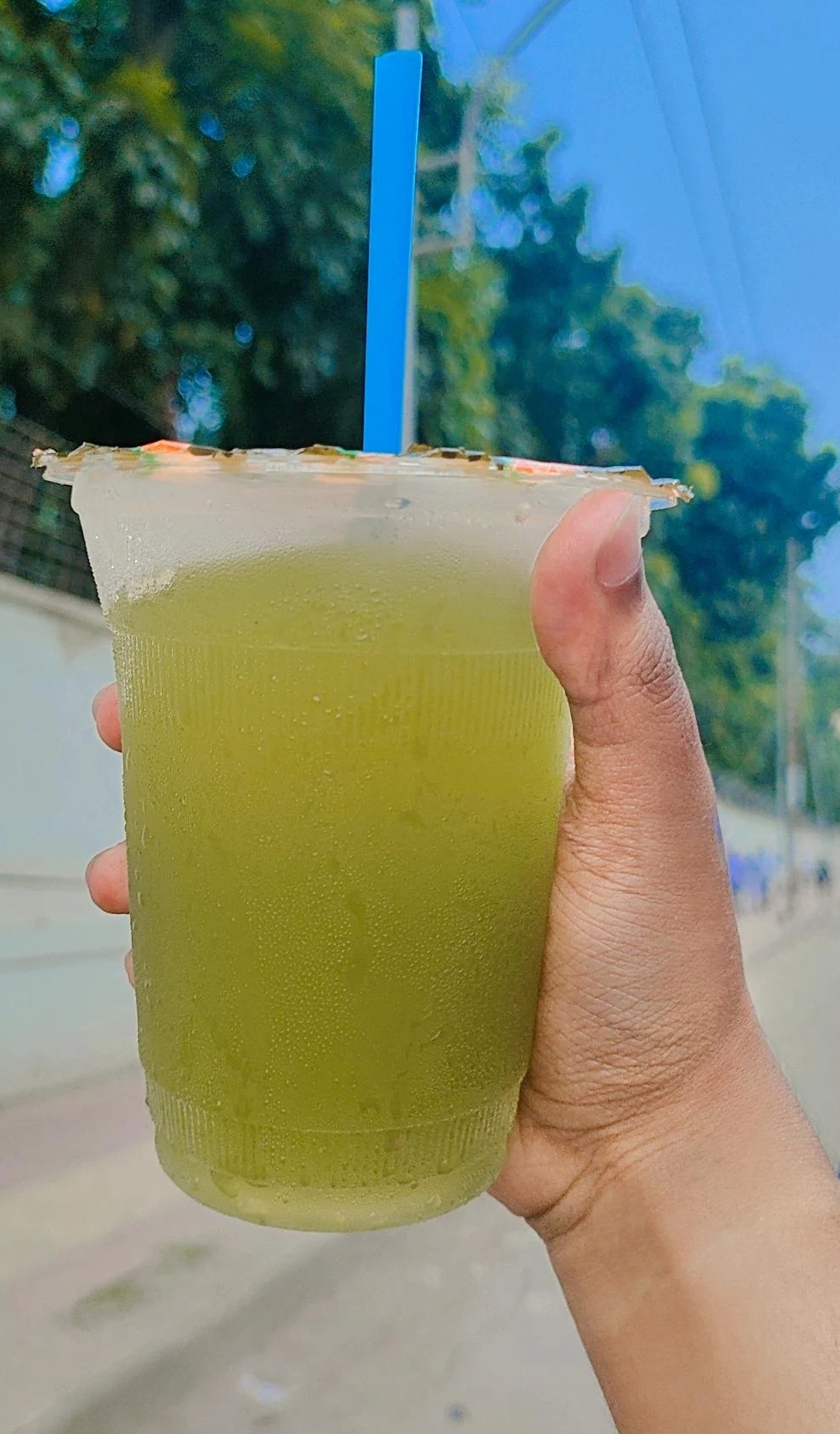
- Pour, sip, and notice the cool feeling. That coolness is menthol hacking your cold sensors. You are now drinking a neuroscience prank, and it is delicious.
- Refill once, then compost the leaves. A second pitcher from the same leaves is a little weaker but still good. After that, the leaves are done — they go to the compost, where they become next year’s garden. Full circle.
🧑🍳 The Taste-and-Fix Lab
- Too weak? More leaves, or a longer wait. Cold infusion rewards patience and generosity.
- Too grassy or bitter? You bruised too hard. Next time, gentler hands — a clap, not a shred.
- Want to experiment? Make three small cups: plain mint, mint plus cucumber slices, mint plus a few squashed berries. Taste all three. Same mint, three different drinks. That is your tongue doing science.
- Spearmint vs peppermint? If your garden has both, try each on its own. Spearmint is sweet and smooth; peppermint is stronger and cooler. Pick a favorite. Defend it loudly at dinner.
❄️ The One-Day Rule (Read This, It Is Short)
Mint water lives in the fridge, and it has a clock on it: 1 day. After a day the leaves get tired, the flavor goes murky, and the pitcher stops being a treat and starts being a science experiment you did not sign up for. So drink it today, refill it once if you like, and compost the leaves when they are done. Fresh mint water, fresh rules — and mint grows back fast enough that there is always more.
🌱 Keep learning
Three related guides worth reading next:
🪱 Your Soil Needs This
Reading about healthy soil is great. Growing in it is better. Our small-batch, traceable worm castings are the shortcut your garden deserves.
Shop Worm Castings Subscribe & SaveEvery bag comes with a lot certificate. Know what's in your soil.