
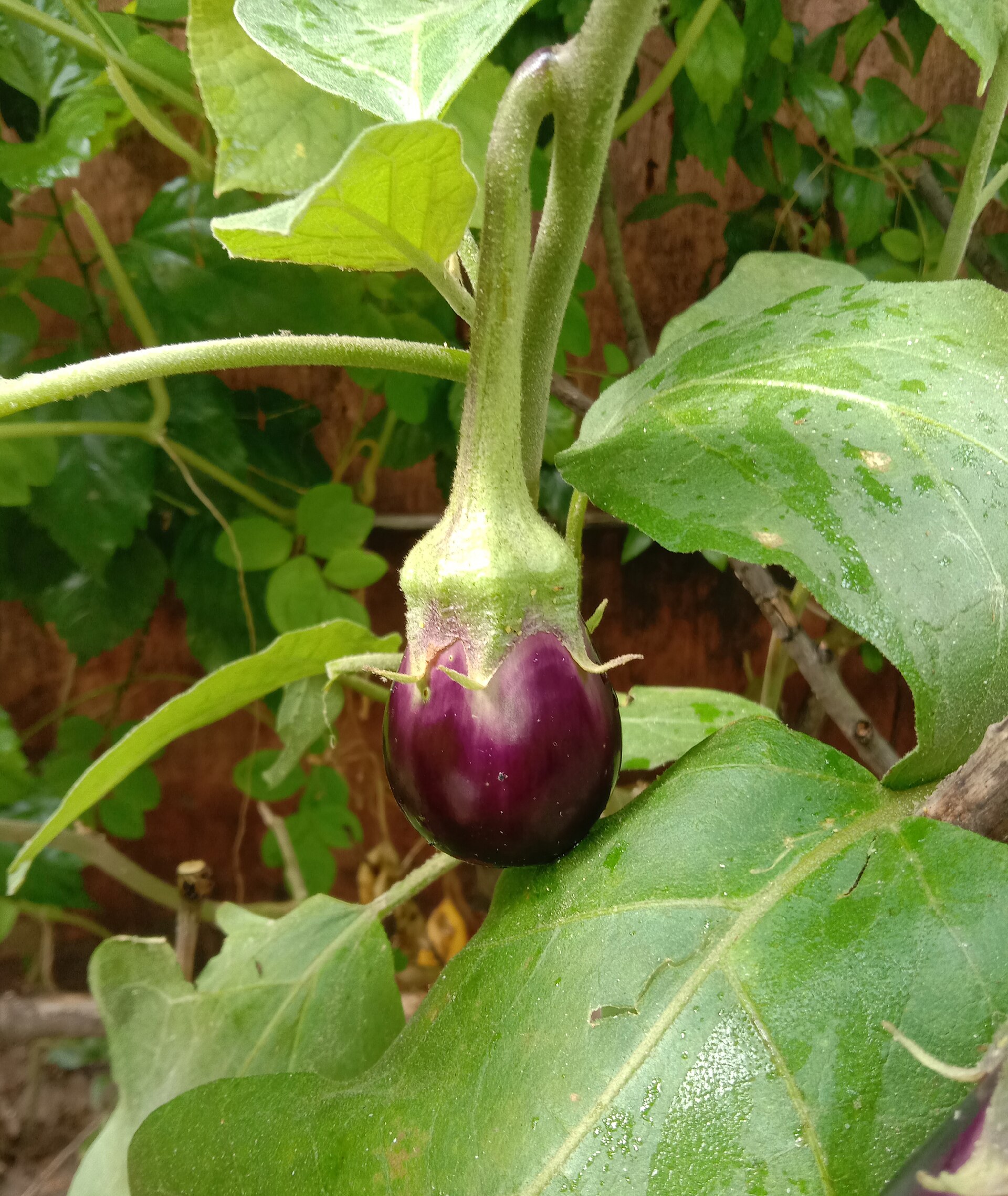
Eggplant is Florida’s summer show-off. When the tomatoes have given up, the peppers are sulking, and the garden looks like it needs a nap, eggplant is just getting started — glossy purple fruit piling up faster than you can cook it, in weather that sends lesser plants to an early grave. If your garden only grows one thing through a Florida summer, this is a strong candidate.
First, the identity surprise: eggplant is botanically a berry. A big, purple, slightly ridiculous berry — same fruit family as tomatoes and peppers, the nightshades, which is why they all love heat and all sulk in cold. The purple is not just for show, either: the skin’s pigment is nasunin, an antioxidant, which means the prettiest part is also doing quiet work for you. Leave the skin on whenever you can. And one rule before anything else: cook it thoroughly. Raw eggplant is spongy, bitter, and not good eating; heat is what turns it from packing foam into silk.
Why eggplant deserves the garden
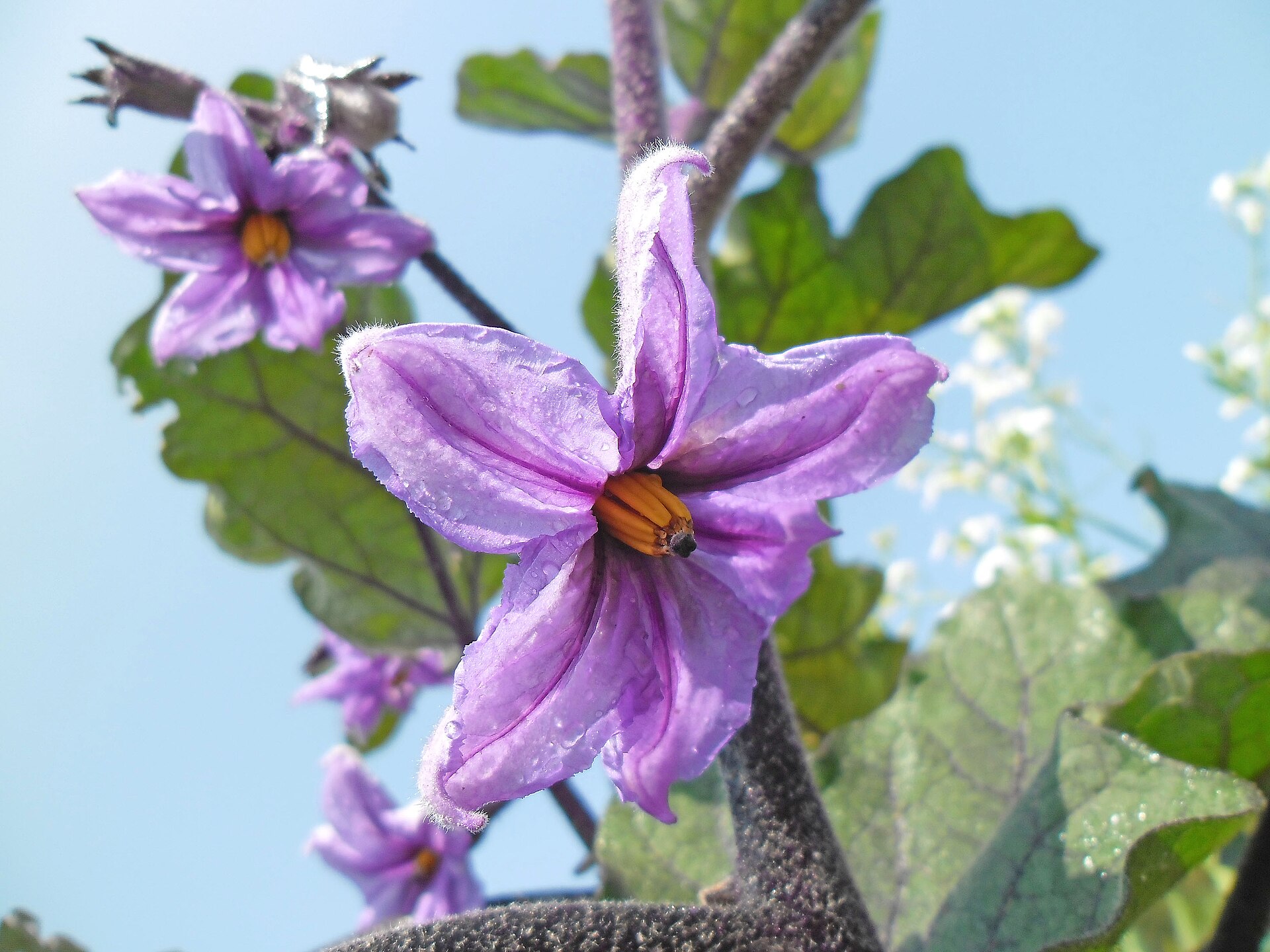
Three reasons. One: it loves heat. Eggplant is a tropical plant that treats a Florida summer as ideal conditions, not a punishment — it keeps flowering and fruiting straight through the months when tomatoes quit. Two: it is absurdly productive for the space — one healthy plant can bury you in fruit by August. Three: it is versatile in a way few garden crops are. The same harvest becomes a grilled side, a dip, a crispy main, and a stew, and none of them taste like each other.
The science that matters: eggplant flesh is a sponge. Its cells are full of tiny air pockets, which is why a raw slice floats in water and why it drinks oil like it is getting paid to do it. Every cooking method below is really a strategy for dealing with that sponge — collapse it, char it, crisp it, or melt it. Understand the sponge and eggplant stops being intimidating.
Growing tie-in (the short version)
Plant in spring after the soil warms, or again in late summer for a fall crop — eggplant does not mind a Florida fall one bit. Give it full sun and steady water. Flea beetles will likely chew small holes in the leaves; the plants usually outgrow it, so do not panic. Harvest while the skin is glossy and firm — dull, soft, or seedy fruit is past its prime. That is the whole growing story; the rest of this guide is what to do with the pile that results.
Four ways to cook them
1. Roasted or grilled (the weeknight default)
Cut into thick slices or cubes, brush with oil, and roast at 425°F until browned and collapsed, or grill over high heat until charred at the edges. Now the salt debate, honestly: old varieties were bitter and needed a salt-and-drain to tame them; modern varieties are much less bitter, so salting is optional for flavor. It still helps texture, though — salt draws water out of those spongy cells, so salted slices roast firmer and less watery. Salt if you have 30 minutes; skip it if you do not. Either way, do not crowd the pan, or the sponge steams instead of roasting.
2. Baba ganoush (the smoke show)
Char a whole eggplant directly over a flame or under the broiler, turning until the skin is blackened all over and the inside has completely collapsed. Scoop out the flesh, drain it, and mash with tahini, lemon juice, garlic, and salt. The smoke is the point: charring creates smoky flavor compounds that no amount of liquid smoke can fake. The tahini does the other job — its oil emulsifies with the lemon juice into a creamy dip that holds together instead of splitting. Serve with bread, vegetables, or a spoon.
3. Crispy cutlets (the parmesan route)
Slice, salt, and let sit 20 minutes, then pat very dry. The sponge problem shows up here as grease: dry breading on a wet, spongy slice soaks up oil and goes soggy. Fix it two ways — either give the slices a quick dry roast first to collapse the sponge, or keep the breading light (flour, egg, fine crumbs) and fry hot and fast in a shallow layer of oil, then drain on a rack, not paper towels. Top with tomato sauce and cheese for parmesan, or eat plain with lemon. Crunch outside, silk inside — that contrast is the whole dish.
4. Stewed, ratatouille-style (the silk maker)
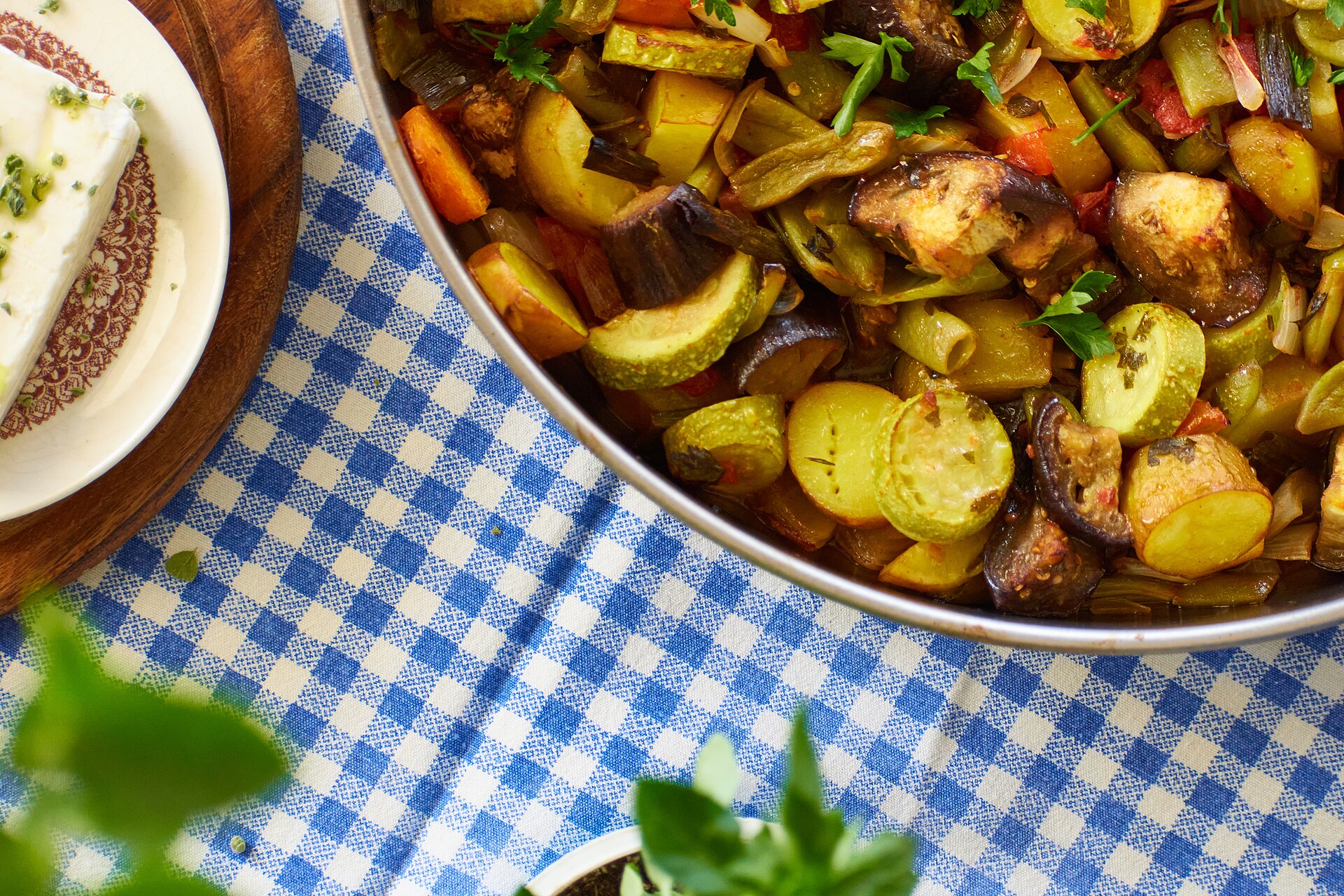
Cube eggplant and cook it low and slow with tomatoes, peppers, onion, and garlic until it collapses entirely into a thick, silky stew. This is the method that forgives everything — dull fruit, big fruit, too much fruit — because the sponge just melts. Eggplant’s nightshade cousins are all in the pot here: tomato, pepper, eggplant, one family, one pan. Serve over rice, with bread, or cold the next day, when it is somehow even better.
Storing the pile
Fresh eggplant keeps 4–5 days in the fridge in a bag, and it sulks if you keep it longer — use it promptly. Cooked eggplant freezes well: roast or stew a big batch, cool it, and freeze flat in bags for winter meals. Raw eggplant does not freeze well — the sponge turns to mush when thawed, so always cook first. Our Freezing the Harvest guide covers the method, and the Florida Preserving Calendar tells you when the harvest lands.
That is the eggplant deal: a plant that loves your worst weather, out-produces almost everything in the summer bed, and turns into dinner four different ways without a single complaint. Grow a row. You will wonder why you ever let summer beat you.
🌱 Keep learning
Three related guides worth reading next:
- Water-Bath Canning Without Fear — The safety-first guide to preserving your harvest: botulism science, the pH 4.6 rule, and water-bath canning step by step.
- Fermented Hot Sauce — Let the microbes do the cooking: lacto-fermented hot sauce from garden peppers, with the safety science built in.
- Drying Herbs the Right Way — Which herbs dry beautifully, which ones should be frozen instead, and the methods that actually preserve flavor.
🪱 Your Soil Needs This
Reading about healthy soil is great. Growing in it is better. Our small-batch, traceable worm castings are the shortcut your garden deserves.
Shop Worm Castings Subscribe & SaveEvery bag comes with a lot certificate. Know what's in your soil.