
Avocado is the garden’s rich kid, and we mean that as a compliment. Creamy, buttery, and somehow both a health food and a luxury, it turns plain toast into lunch and plain salad into something you actually want to eat. If your yard grows one, you will never look at a grocery avocado the same way again.
First, the identity check: an avocado is botanically a single-seeded berry. A berry! The same category as grapes, which tells you botany has a sense of humor. What matters in the kitchen is the fat: avocados are rich in monounsaturated fat, which is why they feel creamy instead of watery and why they carry flavor so well. And the ripeness test is touch, not color — gentle give when you press it means ready, hard means wait, mushy means you waited too long.

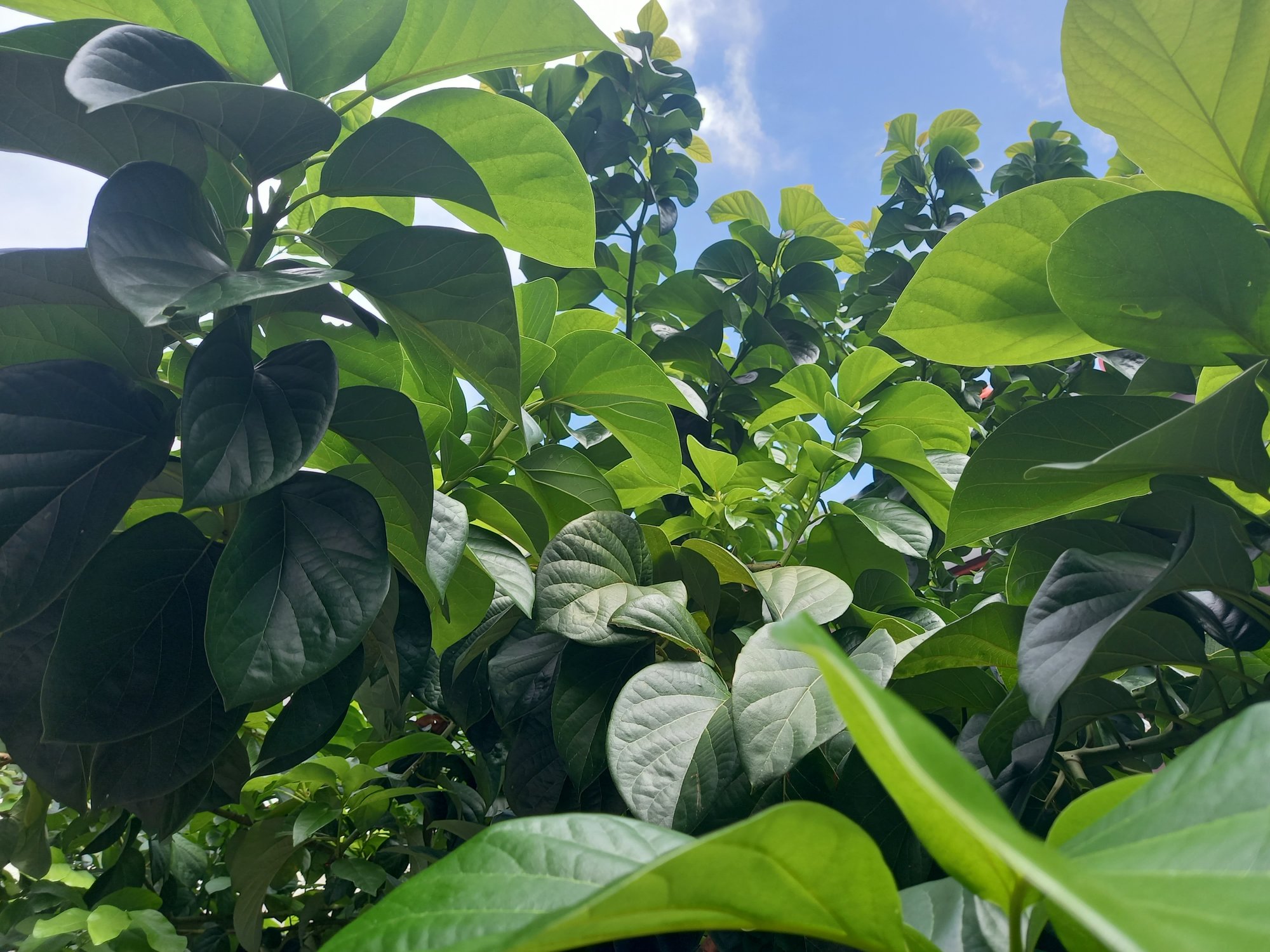
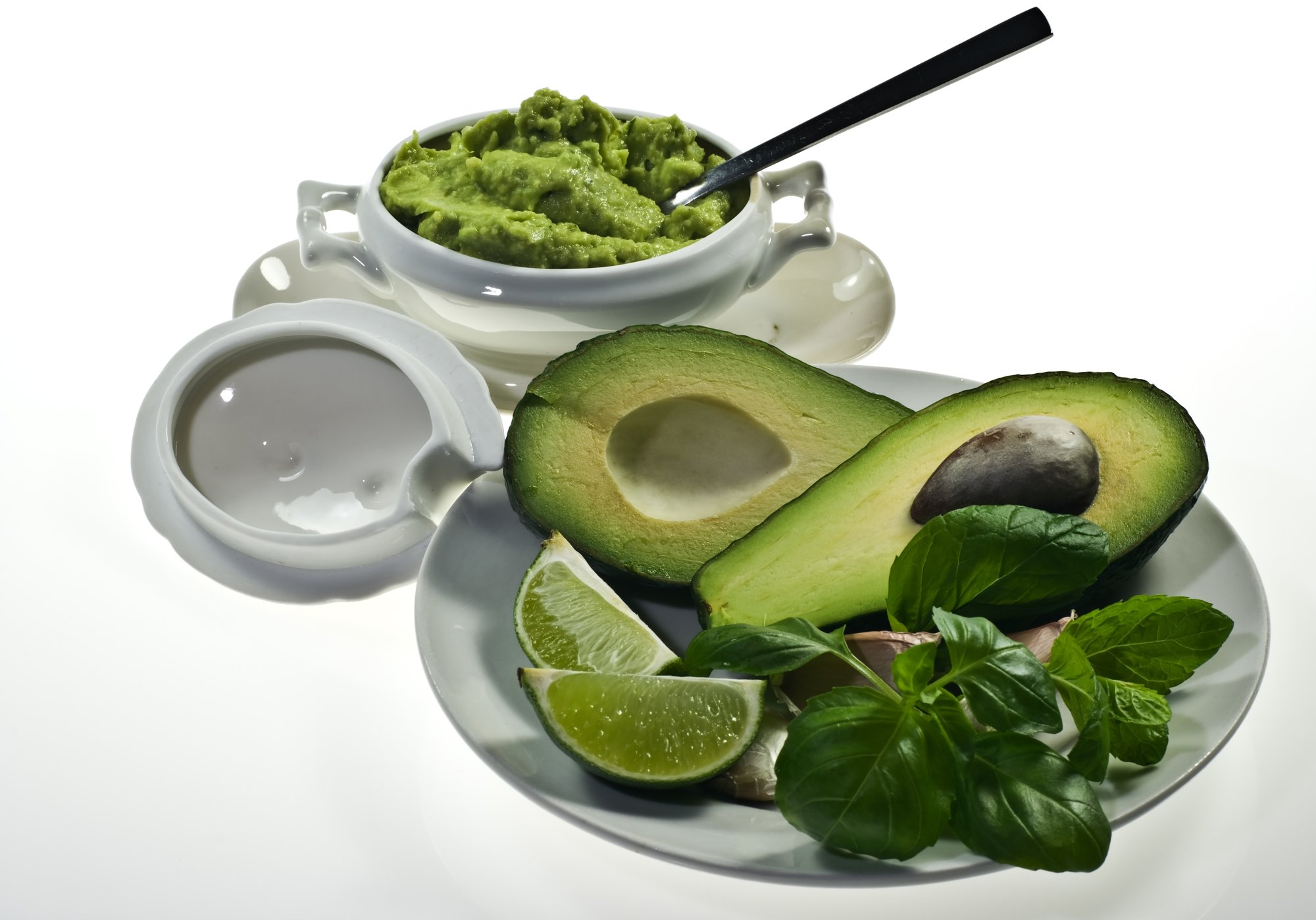
Why avocado deserves the garden
Three reasons. One: the season. Florida avocados fruit in summer and fall, when the yard is otherwise mostly about survival — fresh, rich fruit in the hot months. Two: the versatility. Guacamole is the famous one, but avocado plays breakfast, salad, dressing, and dessert without changing character. Three: the Florida difference. Florida avocados are generally larger and lighter-oiled than the Hass avocados most stores sell — a little less dense, a little more salad-friendly, and every bit as good once you stop expecting them to be Hass.
Growing tie-in (the short version)
Avocados are yard trees for South Florida, where winters stay warm enough for them. They need sun, drainage, and patience — trees take a few years to fruit. Harvest when the fruit reaches full size, then ripen it on the counter; avocados do not soften on the tree, which is why a hard-picked fruit is normal, not a failure. That is the whole growing story; the rest of this guide is what to do with the pile that results.
Four ways to cook them
1. Guacamole (the classic, done right)
Mash ripe avocado with lime juice, salt, diced onion, tomato, and cilantro. The lime does real work here, not just flavor work: its acid slows browning by taming polyphenol oxidase, the enzyme that turns cut avocado brown in air. Press plastic wrap directly onto the surface to keep air out, and it stays green far longer. Chunky beats smooth — you want to know it was an avocado.
2. Toast and toppings (the breakfast argument)
Toast good bread, spread or slice ripe avocado, salt it well, and top it: a fried egg, chili flakes, pickled onion, or a drizzle of hot sauce. The rule is salt and acid — avocado without salt tastes flat, and a squeeze of lemon or lime wakes the whole thing up. This is the fastest way to turn a yard avocado into a meal.
3. Salads and creamy dressings (no dairy required)
Blend ripe avocado with lime juice, garlic, herbs, and a little water into a creamy dressing that emulsifies without a drop of dairy — the avocado’s own fat does the thickening. Toss with greens, sliced avocado, and toasted seeds. It coats like ranch and tastes like the garden, which is the whole point.
4. Smoothies and chocolate mousse (the dessert trick)
Blend frozen or ripe avocado with cocoa, a sweetener, and a splash of milk or coconut milk, and you get chocolate mousse that sets in the fridge — rich, silky, and nobody guesses the base. In smoothies, half an avocado turns a thin fruit drink into something that actually fills you up. The flavor hides; the creaminess does not.
Storing the avocado
Counter to ripen, fridge when ripe — a ripe avocado keeps a day or two cold, and a cut half keeps about a day wrapped tight with the pit in. For the glut, freeze avocado as puree with a squeeze of lime for smoothies later; our Freezing the Harvest guide covers the method, and the Florida Preserving Calendar tells you when the harvest lands. Two safety notes, both firm: cut safely around the pit — avocado hand is a real injury, so never cut toward your hand, and use a spoon for the pit, not a knife blade. And do not eat the skin or the pit. The flesh is the prize; the rest is compost.
That is the avocado deal: a tree that fruits in the hot season, a harvest too creamy for one recipe, and a fruit that plays breakfast, salad, dressing, and dessert without breaking a sweat. Plant a tree. You will wonder why you ever let summer beat you.
🌱 Keep learning
Three related guides worth reading next:
- Water-Bath Canning Without Fear — The safety-first guide to preserving your harvest: botulism science, the pH 4.6 rule, and water-bath canning step by step.
- Fermented Hot Sauce — Let the microbes do the cooking: lacto-fermented hot sauce from garden peppers, with the safety science built in.
- Drying Herbs the Right Way — Which herbs dry beautifully, which ones should be frozen instead, and the methods that actually preserve flavor.
🪱 Your Soil Needs This
Reading about healthy soil is great. Growing in it is better. Our small-batch, traceable worm castings are the shortcut your garden deserves.
Shop Worm Castings Subscribe & SaveEvery bag comes with a lot certificate. Know what's in your soil.