
Mushrooms are the garden’s greatest plot twist. They are not plants, they do not photosynthesize, and they do not care about your sunlight chart — yet they turn a shady Florida corner, a log, or a bag of substrate into dinner. If your garden has a damp, ignored spot where nothing else thrives, mushrooms are politely raising a hand and asking to be considered.
First, the safety rule, and it is not negotiable: cook ONLY cultivated or store-bought mushrooms in this guide — never eat a wild mushroom without an in-person expert ID. No photo, no app, and no confident guess counts as identification. Our Mushroom Safety Guide covers why that line matters. Everything below assumes the mushrooms in your pan came from a grower or a grocery store, not a forest floor.
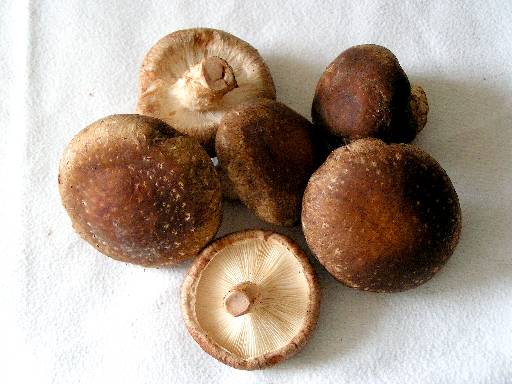
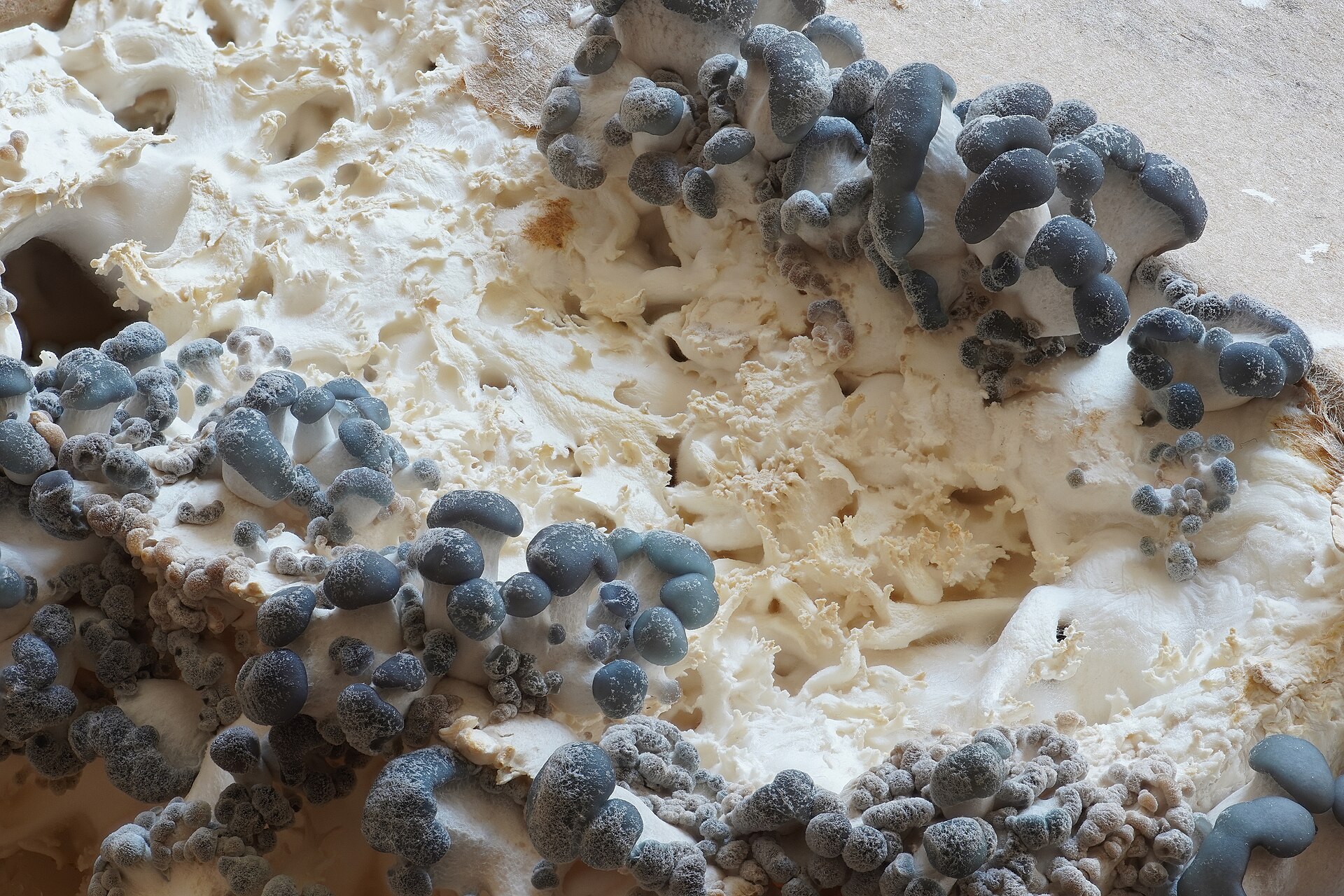
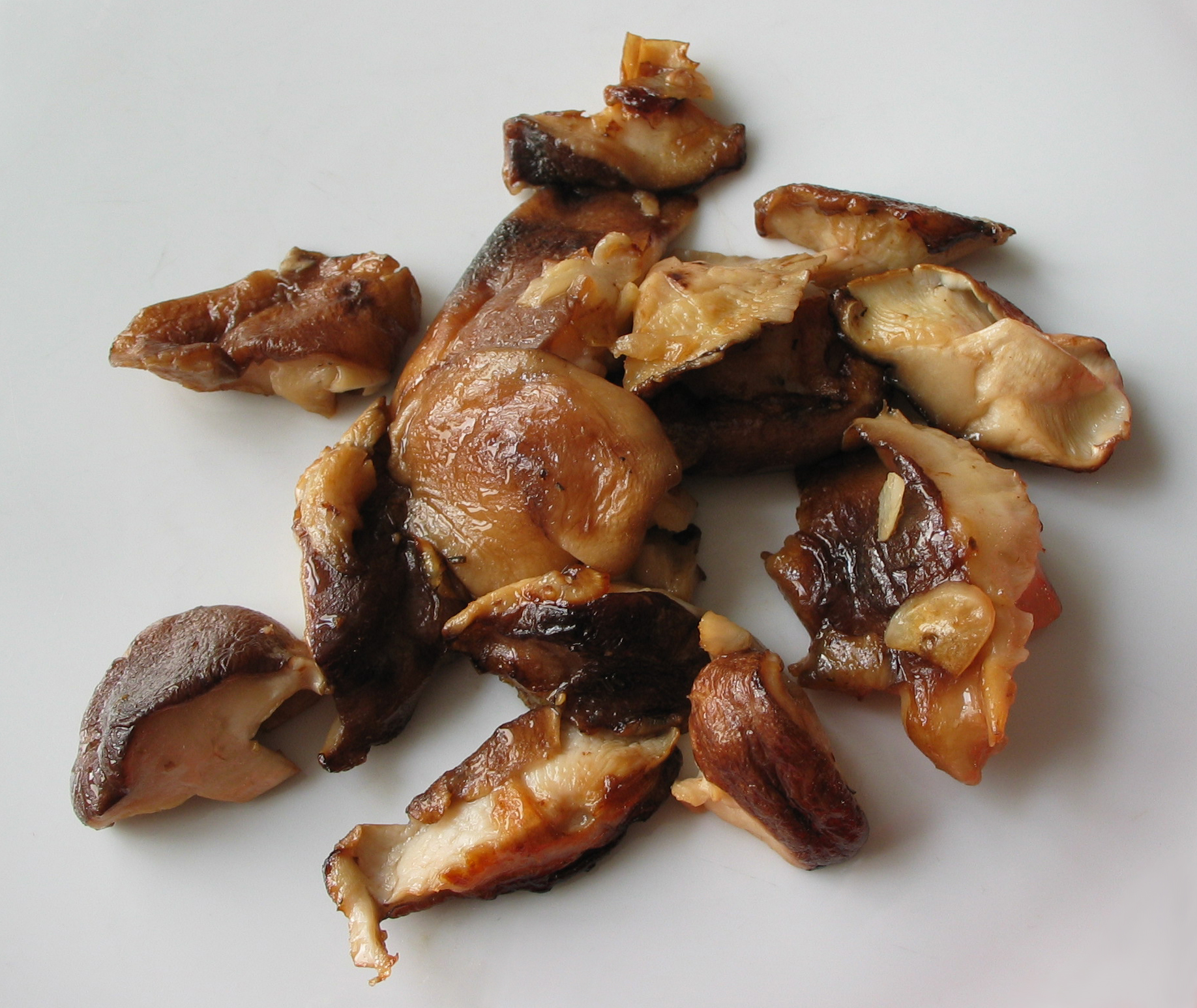
Why mushrooms deserve the garden
Three reasons. One: they fill a gap nothing else fills. The growing guides and the safety guides exist, but the kitchen side of the mushroom track has been empty — this guide is the cooking half, the part where all that careful growing actually becomes dinner. Two: they are absurdly flavorful for something with almost no fat. Three: they are fungi, their own kingdom entirely, closer in some ways to animals than to plants — a fun fact for the dinner table.
The science that matters: that deep, savory flavor is umami, and in mushrooms it comes largely from glutamates, the same savory compounds that make tomatoes, cheese, and soy sauce taste so satisfying. Mushrooms are also about 90% water, which explains almost everything that follows in the kitchen — including why a pan full of mushrooms shrinks down to a sad little pile if you treat it gently. And a general, non-medical note: mushrooms exposed to sunlight can raise their vitamin D content.
Growing tie-in (the short version)
Oyster and shiitake grow well in Florida, and they are good starting points if you want to grow your own. That is the whole growing story here; this guide is about cooking, not identification, and certainly not about foraging. Grow them, buy them, then come back to the pan — the rest of this guide is what to do once they are safely in your kitchen.
Four ways to cook them
1. Sautéed (the weeknight default)
High heat, a hot pan, oil or butter, and — this is the whole trick — no crowding. Mushrooms are about 90% water, and a crowded pan traps that water, so they steam instead of browning and turn rubbery and gray. Give them room, leave them alone until they brown on one side, then flip. They will shrink dramatically as their water leaves, which is normal, not a mistake. Salt at the end, once the water has cooked off, and you get golden, savory mushrooms instead of mushroom soup you did not ask for.
2. Roasted (the umami concentrator)
Toss whole or halved mushrooms with oil and salt, spread in a single layer on a sheet pan, and roast hot — 425°F — until browned and crisp at the edges. Roasting drives off water and concentrates everything left behind, especially those glutamates, so the flavor gets deeper and meatier.
3. Soup (the stem-saving classic)
Cream of mushroom soup is the comfort version: sautéed mushrooms, onion, garlic, stock, and cream, blended until silky. But do not throw the stems away — tough stems that would be chewy on their own make excellent stock. Simmer them with onion, carrot, and herbs, strain, and you have a mushroom stock that makes the next soup, risotto, or gravy taste like it took all day.
4. Dried and reconstituted (the umami concentrate)
Dried mushrooms are not a lesser substitute — they are an umami concentrate. Soak them in hot water until soft, then cook as usual, and save the soaking liquid: strained through a fine sieve, it is liquid savory gold for soups and sauces. Dried shiitakes in particular go from polite to profound once reconstituted.
Storing the harvest
Fresh mushrooms keep a few days in the fridge in a paper bag — paper, not plastic, because plastic traps moisture and turns them slimy. Dried mushrooms keep for months in a sealed jar in a cool, dark place. Cooked mushrooms freeze fine: cool them, pack flat in bags, and they are ready for a future soup or pasta. Our Freezing the Harvest guide covers the method, and the Florida Preserving Calendar tells you when the harvest lands.
That is the mushroom deal: a kingdom of its own, a flavor that is mostly water and glutamates, and four ways to turn it into dinner without ever touching a wild one. Grow a log, buy a bag, and let the pan do the rest.
🌱 Keep learning
Three related guides worth reading next:
- Water-Bath Canning Without Fear — The safety-first guide to preserving your harvest: botulism science, the pH 4.6 rule, and water-bath canning step by step.
- Fermented Hot Sauce — Let the microbes do the cooking: lacto-fermented hot sauce from garden peppers, with the safety science built in.
- Drying Herbs the Right Way — Which herbs dry beautifully, which ones should be frozen instead, and the methods that actually preserve flavor.
🪱 Your Soil Needs This
Reading about healthy soil is great. Growing in it is better. Our small-batch, traceable worm castings are the shortcut your garden deserves.
Shop Worm Castings Subscribe & SaveEvery bag comes with a lot certificate. Know what's in your soil.