
🫐 Thornless Boysenberry
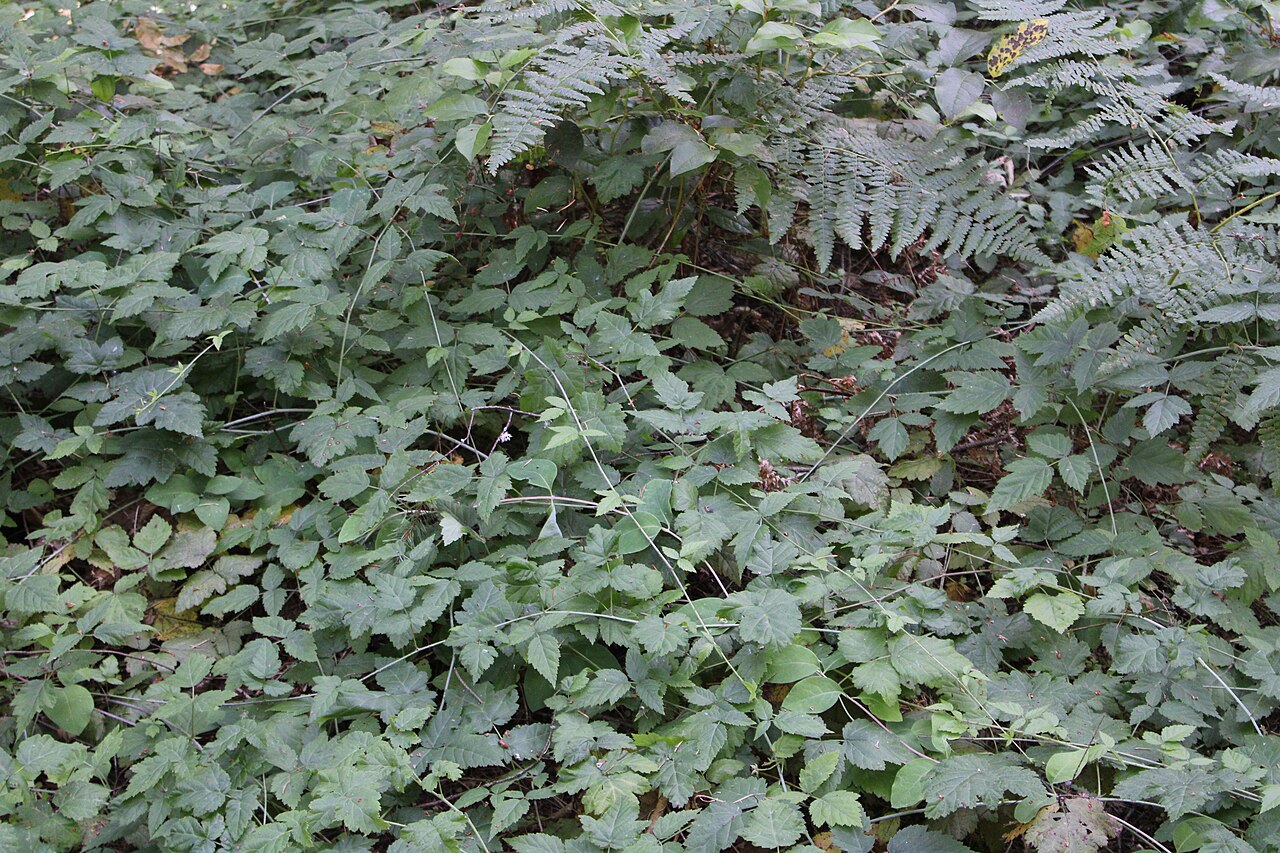
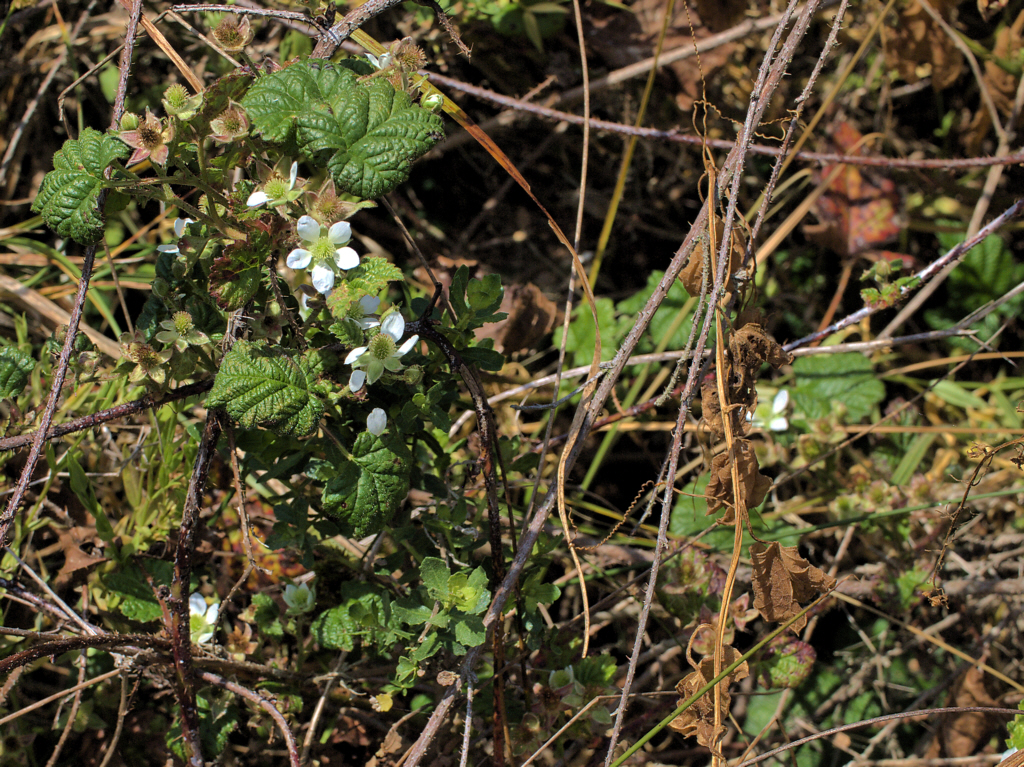
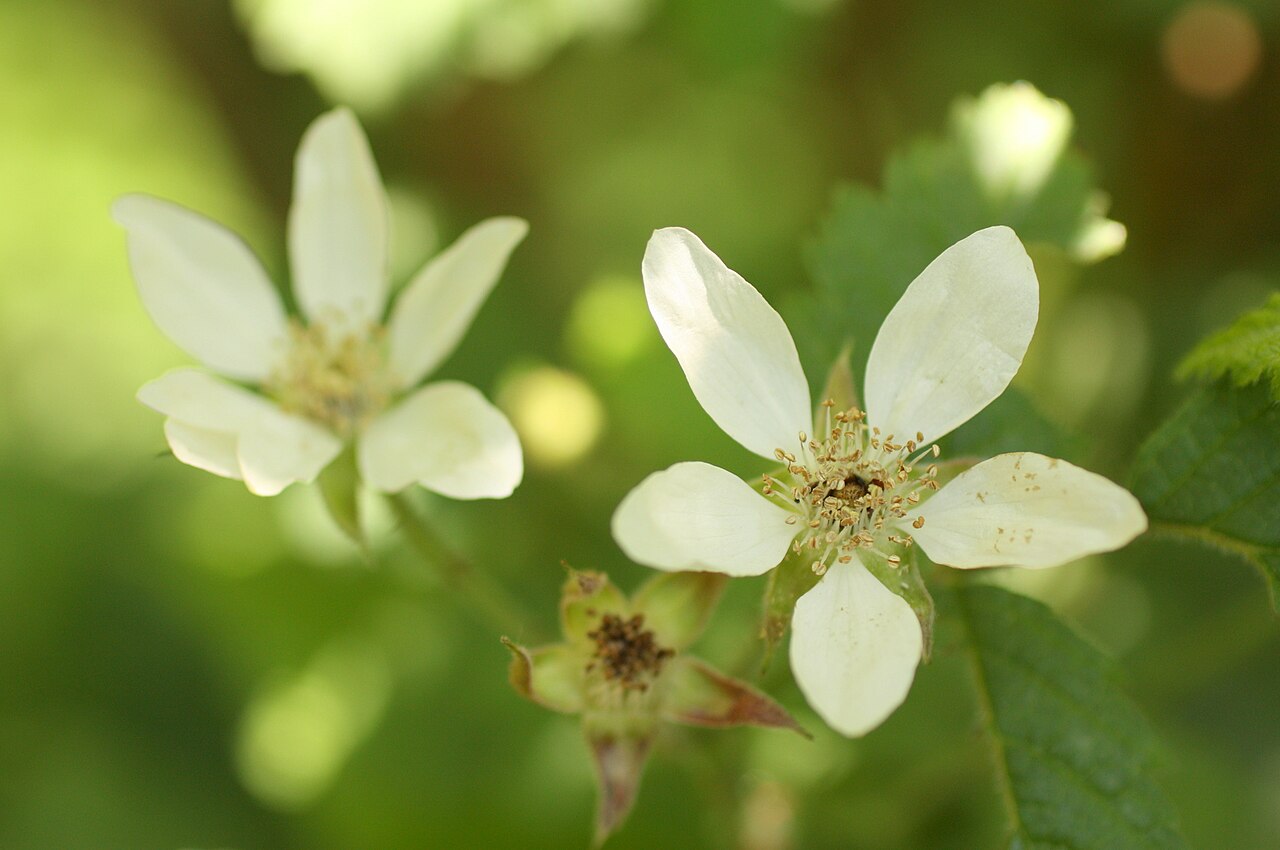
What it looks like
Why this variety
Thornless Boysenberry is the version of boysenberry that lets you pick without armor. Boysenberry itself is a celebrated accident of breeding — a cross involving blackberry, raspberry, loganberry, and dewberry, bred by Rudolph Boysen — and the thornless form keeps the fruit while dropping most of the pain. The berries are large, dark maroon-purple, soft, juicy, and nearly seedless, with a rich blackberry-raspberry flavor that is distinctive enough that people who taste a real boysenberry tend to remember it.
The fruit is the argument, and the thornless canes are what make the argument practical. Thornless boysenberry canes are trailing and vigorous, ripening mid-season, and the berries are superb fresh but famously soft — which is why they shine in jams, pies, juice, syrup, and wine, where softness is a virtue. Note the honest catalog caveat: ‘thornless’ here means far fewer and smaller thorns, not a laboratory guarantee of zero prickles, so gloves are still a good idea.
How to grow
Here is the honest Florida part first: boysenberry is a zones 5–9 trailing cane fruit, so its realistic Florida home is the northern part of the state, trellised, mulched, and given afternoon shade in summer. It is not a plant-and-forget southern berry: heat, humidity, and cane diseases all push back, and a crop in the far south should be treated as a pleasant surprise, not a plan.
Plant in fall or early spring in full sun, in rich, well-drained soil worked with compost and worm castings. Boysenberry canes are biennial — first-year canes grow, second-year canes fruit and die — so train new canes to one side of a two-wire trellis and fruiting canes to the other, and cut out the fruited canes after harvest. Space plants 3–4 feet apart, mulch thickly, and water steadily; trailing cane fruit hates drying out while berries are sizing.
Water & feeding
Water about an inch to an inch and a half a week, at soil level, and feed with castings or compost in spring and again after harvest, when next year’s canes are growing hard. In north Florida, afternoon shade and a thick mulch are the difference between a crop and a sun-scorched disappointment, and trellising for airflow matters in humidity — crowded, damp canes invite disease faster than anything else in this guide.
Common problems
- Cane diseases — anthracnose, cane blight, and spur blight — are the standing threat in humid climates: prune for airflow, remove fruited canes promptly, and never work wet canes.
- Raspberry cane borer and Japanese beetles may appear; pick beetles by hand and cut out borer-damaged cane tips below the damage.
- Birds love boysenberries, so net as fruit colors.
- Heat and a mild winter can thin fruiting in Florida, so judge this variety over two seasons before declaring victory or defeat.
Harvest
Pick when berries are fully dark, soft, and slipping easily from the core — underripe boysenberries are tart in a way nobody enjoys, and overripe ones collapse in the basket, so pick every day or two at peak season into a shallow container. Eat fresh within a day, freeze on trays for later, or cook immediately: boysenberry jam is one of the great arguments for growing cane fruit at all.
Browse all plant & pest guides
Saving seeds
Thornless Boysenberry is the version of boysenberry that lets you pick without armor. Boysenberry itself is a celebrated accident of breeding — a cross involving blackberry, raspberry, loganberry, and dewberry, bred by Rudolph Boysen — and the thornless form keeps the fruit while dropping most of the pain: large, dark maroon-purple berries, soft, juicy, and nearly seedless, with a rich blackberry-raspberry flavor. The berries are superb fresh but famously soft, which is why they shine in jams, pies, juice, syrup, and wine, where softness is a virtue. But thornlessness is a selected trait, not a seed trait: seed saved from your own berries will give you cane fruit, but not reliably thornless canes. To keep this exact plant, propagate it vegetatively — by tip layering or cuttings — instead of from seed. The propagation method is in the Propagation section of the Boysenberry guide.