
💙 Dark Knight Bluebeard
What it looks like
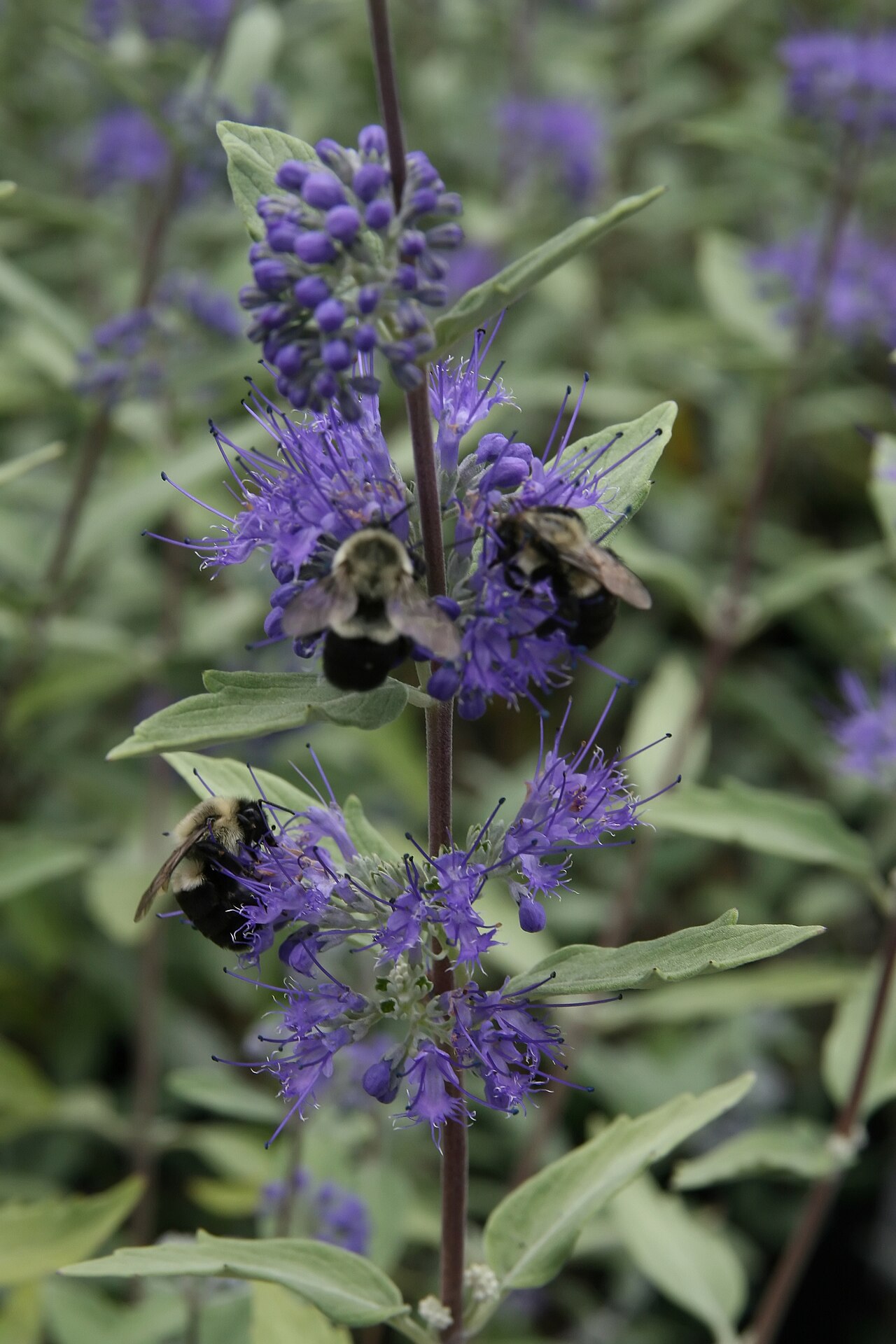
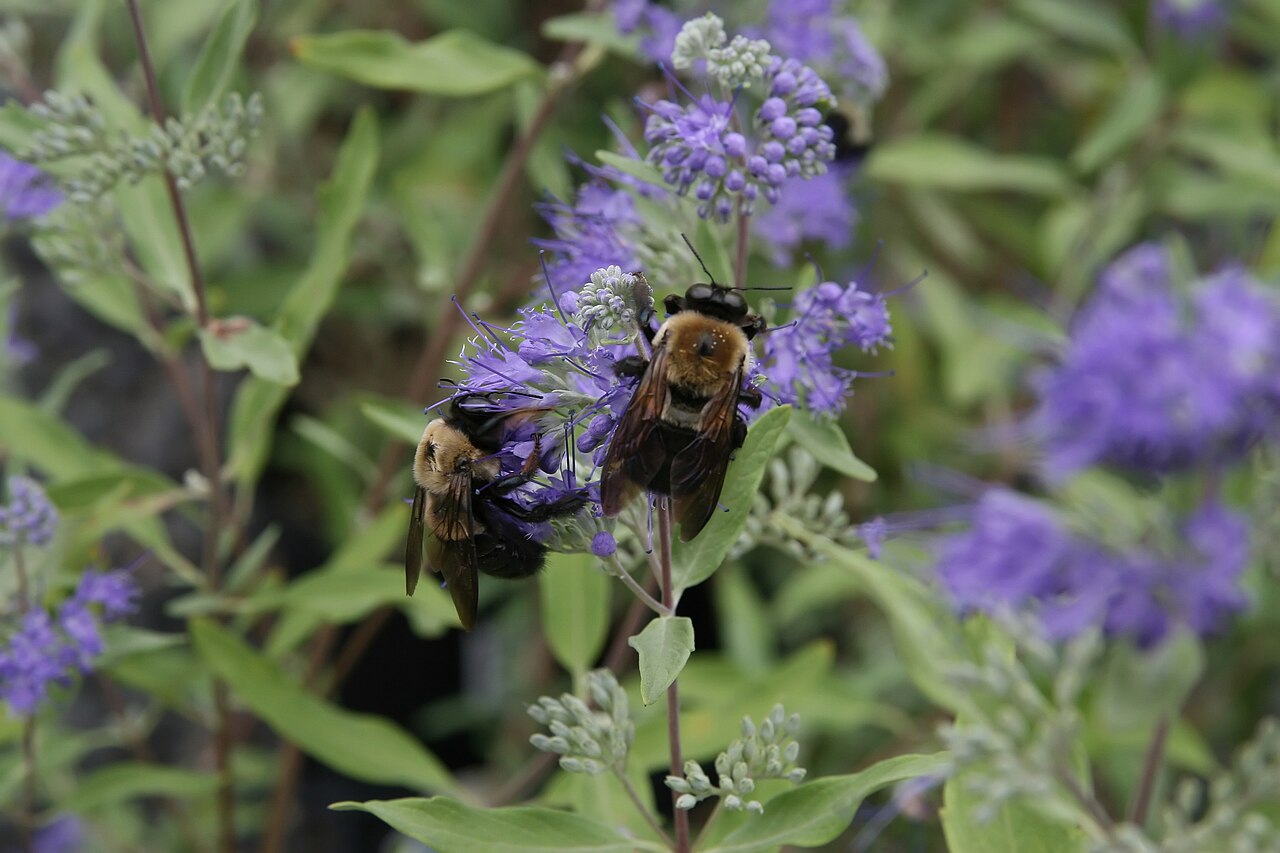
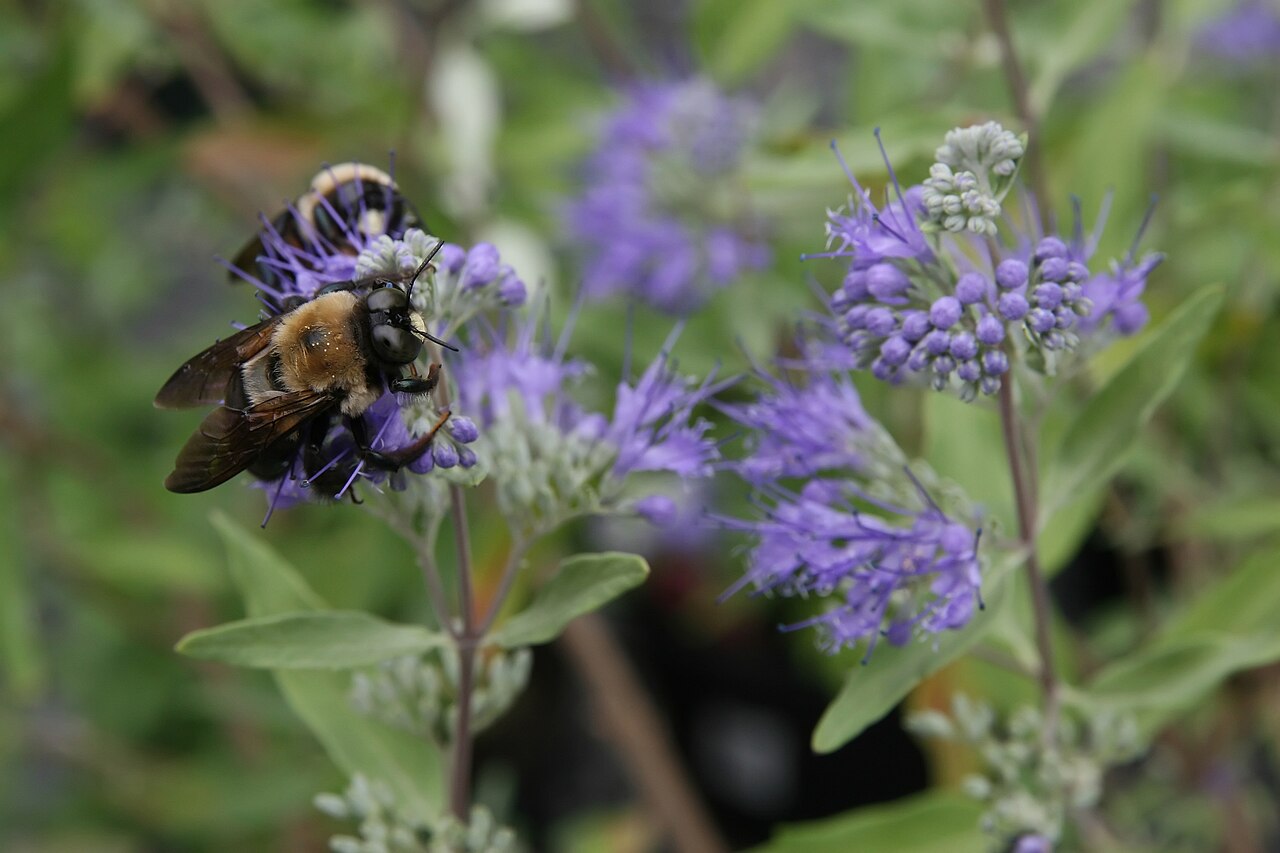
Why this variety
Dark Knight is the bluebeard to plant if you want the blue to actually read as blue from across the yard. Its flower clusters are a darker, richer violet-blue than the species, held over aromatic silvery-green foliage, and they open in late summer to fall — right when bees and butterflies are looking for late nectar and most shrubs have finished. It grows 2–3 feet tall, blooms on new wood, and asks for sun and drainage in return for a show at the tired end of the season.
In Florida, Dark Knight is a north-Florida plant: full sun, sharply drained soil, and a hard cutback in late winter or early spring. Treat central and south Florida as an experiment, not a promise — humid summers and wet soil are its enemies, and a plant that rots in a soggy bed is a drainage verdict, not a mystery.
How to grow
Plant in spring in full sun and sharply drained soil; bluebeard is a small deciduous shrub, 2–3 feet tall, whose powder-blue late-summer flowers arrive exactly when bees and butterflies are hunting for late nectar. In Florida it wants the sunniest, best-drained spot you have — raised beds or sandy ground beat heavy, wet clay — and it wants you to cut it back hard in late winter or early spring, since it blooms on new wood and may die back in cold winters anyway. Treat it like a perennial that thinks it is a shrub: cut to a low framework each spring and let it regrow.
Water & feeding
Water to establish, then sparingly; bluebeard hates wet feet far more than drought, and overwatering in humid summers is the fastest way to lose it. Feed lightly in spring only. Good air circulation matters in Florida humidity — do not crowd it behind dense shrubs where air sits still.
Common problems
Root rot in soggy soil is the main killer, followed by winter dieback, which is normal and fixed by the spring cutback. Few insect problems; the aromatic silvery foliage is not a favourite snack. If bloom is thin, the usual cause is shade or a missed spring prune, not a missing fertiliser.
Harvest
The harvest is the late-season nectar show, and the gardener’s job is the spring cutback: cut Dark Knight back hard to a low framework in late winter, since it blooms on the new growth that follows. Deadheading spent clusters may encourage a second flush, but the main event is that first late-summer wave, timed for the pollinators that need it most.
Nerdy fact: Bluebeard’s genus, Caryopteris, means ‘nut-wing’ in Greek, for the small winged fruits that follow the flowers — and its common name, blue mist shrub, comes from the way a whole plant in full bloom looks like a puff of blue smoke from a distance.
Saving seeds
Dark Knight is a named bluebeard cultivar, and cuttings win for named varieties — propagate it by cuttings, not seed. The Saving seeds section of the Bluebeard guide covers seed for the genus generally.