
🌸 Aurea Catalpa
What it looks like
Why this variety
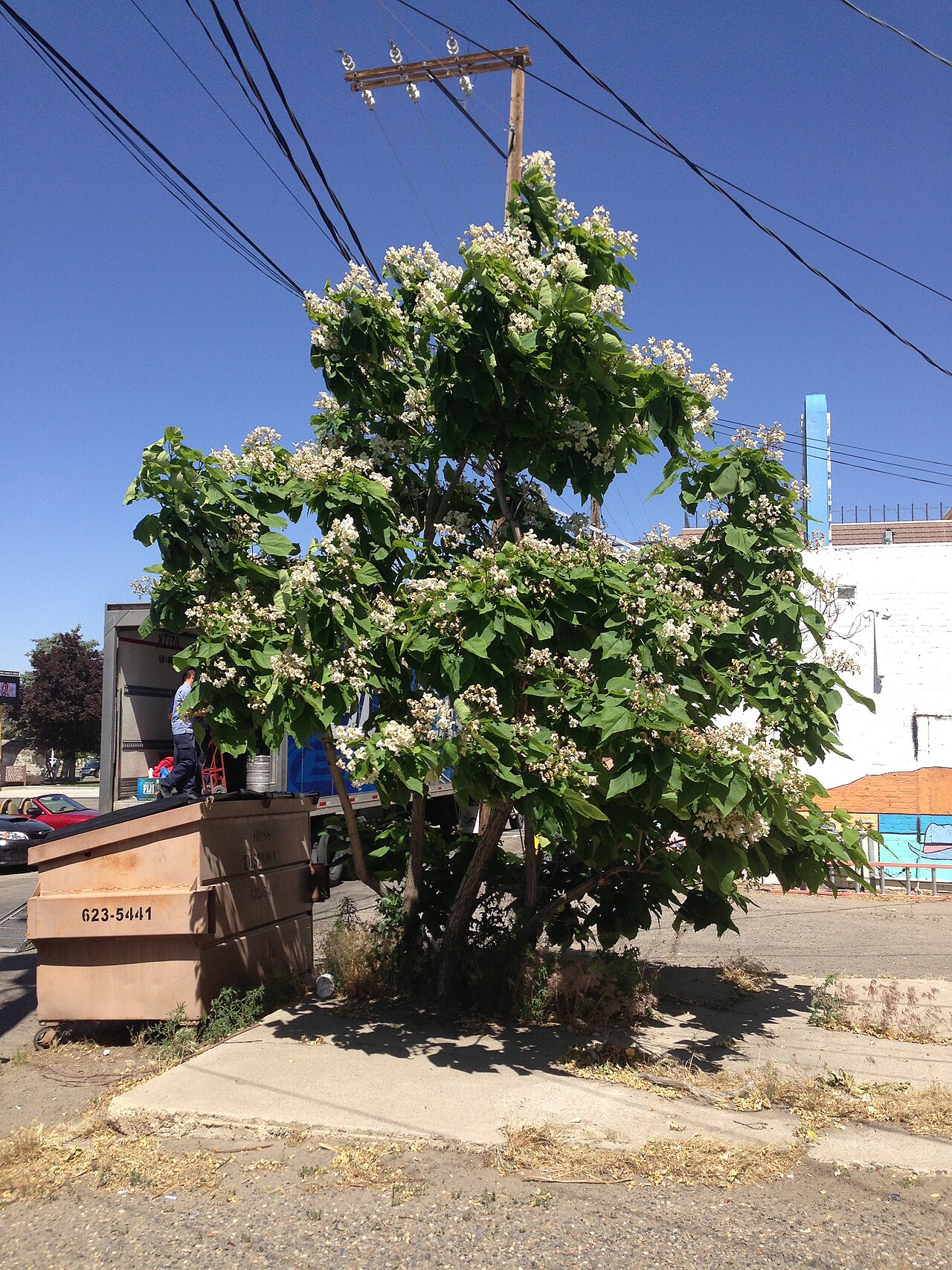
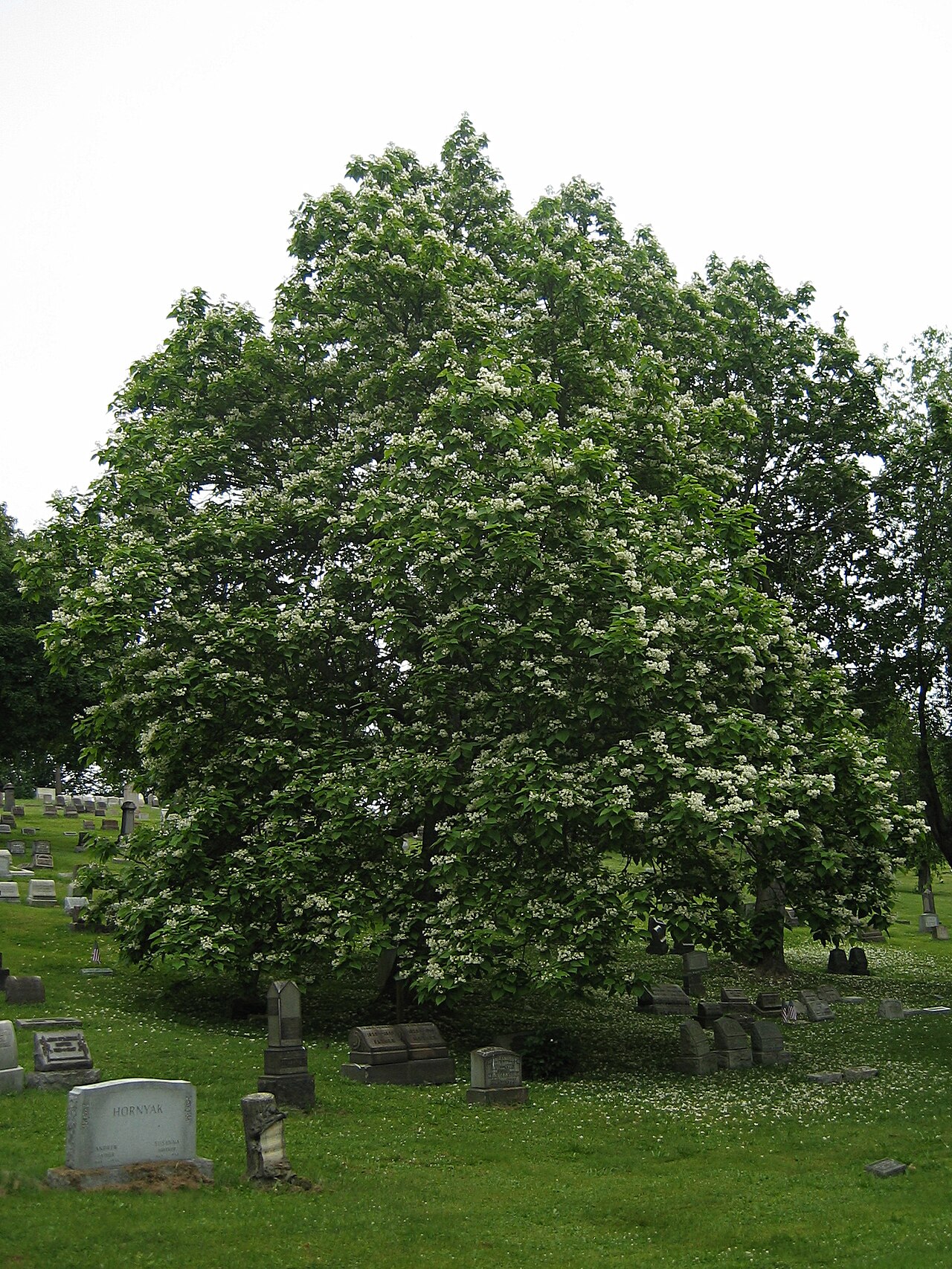
Aurea is northern catalpa with the leaves turned up to gold: huge, heart-shaped leaves in chartreuse to golden-yellow, brightest in full sun, set against the species’ showy white flower panicles splashed with yellow and purple in late spring. It is a big, fast, gloriously messy shade tree, and the gold foliage makes it visible from a street away — which is either a feature or a warning, depending on your taste in trees.
Florida honesty first: Aurea is a zone 4–8 tree, and in Florida it is a north-Florida trial only. Plant it in sun with afternoon shade if you can, in deep, moist soil, and expect the gold to bleach or scorch in a brutal summer — gold leaves are thinner-skinned than green ones, and a scorched Aurea in August is a climate and siting verdict, not a mystery. Do not promise it farther south.
How to grow
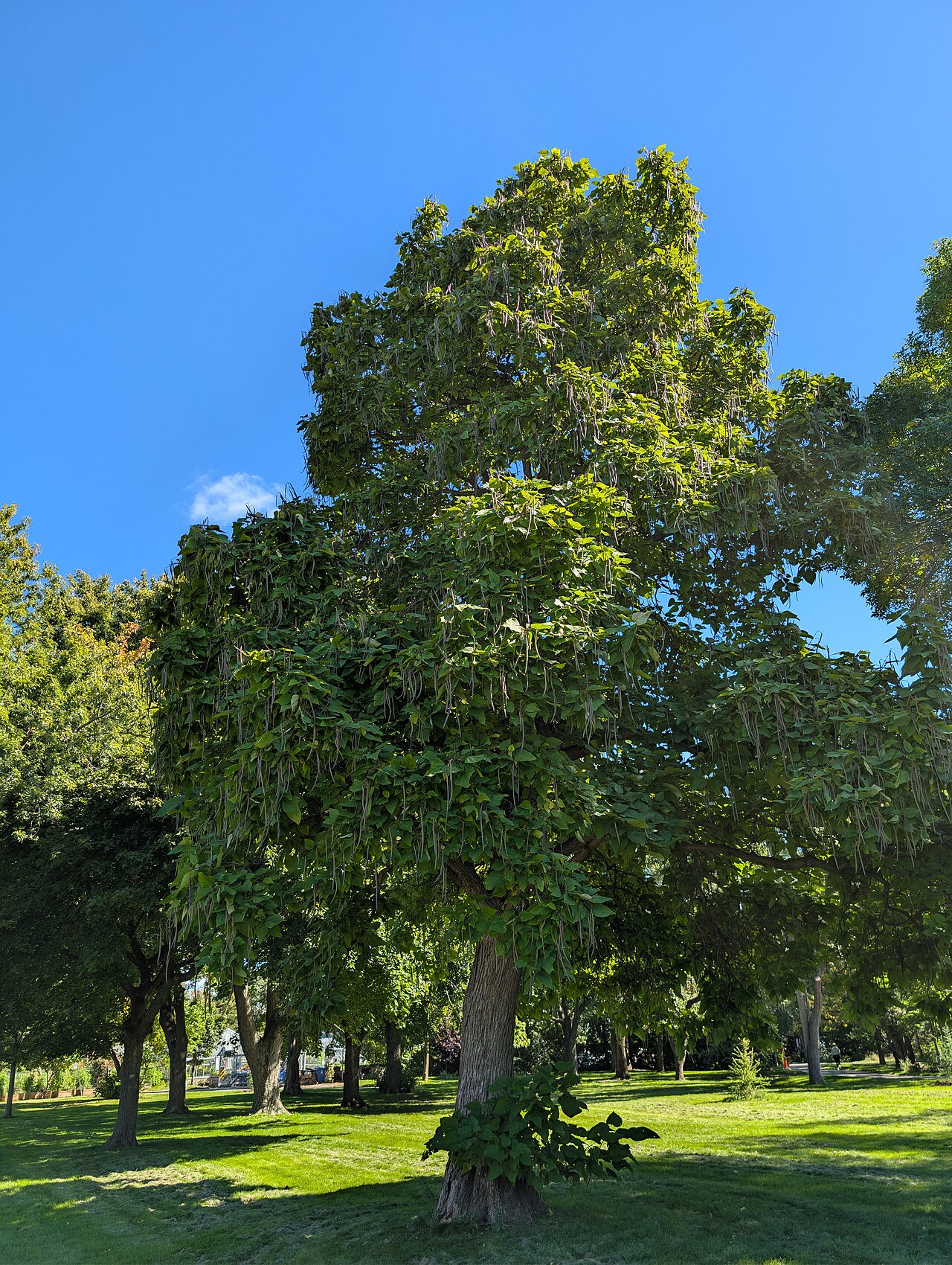
Florida honesty first: northern catalpa is a zone 4–8 tree, and Florida is the warm edge of its world. Plant it only in north Florida, in full sun with afternoon shade if you can manage it, in deep, moist, well-drained soil, and expect a big, fast, gloriously messy shade tree — huge heart-shaped leaves, orchid-like white flower panicles splashed with yellow and purple in late spring, and bean pods a foot long dangling all winter. Space it 30–50 feet from anything it could drop pods on, and accept the litter as the price of the flowers. Plant young trees in fall or spring and water deeply for the first two years.
Water & feeding
Water deeply and regularly through establishment; catalpa likes moisture and grows fastest with it, though established trees tolerate dry spells. Mulch widely and keep the root zone cool. Feed lightly in spring if growth is pale; this tree does not need pushing, it needs water and room.
Common problems
Catalpa sphinx caterpillars may defoliate a tree in summer — the tree almost always regrows, and fishermen have traditionally prized the caterpillars as bait, which is a cheerful way to look at defoliation. Verticillium wilt can strike stressed trees; avoid planting where wilt has killed other trees. In Florida the bigger risk is simply heat and humidity stress at the southern edge of its range, so a struggling south-Florida catalpa is a climate verdict, not a care failure.
Harvest
The harvest is shade and flowers, and the chore is pods: bean-like pods a foot long dangle all winter and drop in spring, so site Aurea where pod litter is mulch, not a grievance — over a bed, not a driveway. Prune in late winter to shape while young; mature trees need little beyond deadwood removal.
Nerdy fact: Catalpa’s long pods gave it the folk name ‘cigar tree’, and the catalpa sphinx caterpillar that eats its leaves is so prized as fish bait that some gardeners plant catalpas specifically to farm the caterpillars — a tree grown for its pests, which is a rare business model.
Saving seeds
Aurea is a golden-leaf cultivar, so seed saved from it won’t come true — buy a nursery tree instead. The Saving seeds section of the Catalpa guide covers seed for the straight species.