
🔴 Super Spur Mayhaw
What it looks like
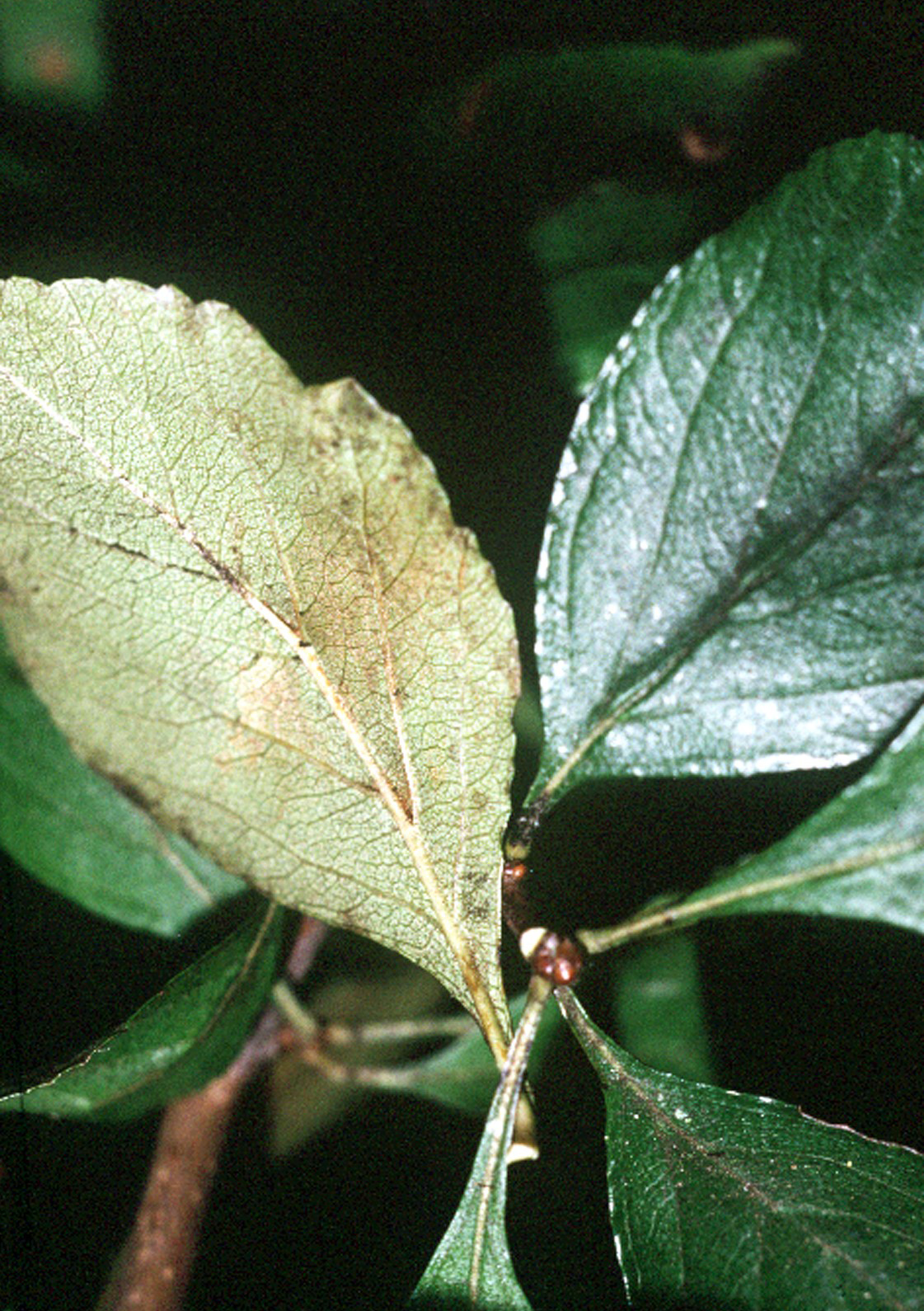
Why this variety
Super Spur is the mayhaw to plant if you want the most fruit from a well-shaped tree. Texas A&M’s mayhaw work singles out ‘Super Spur’ (along with ‘Super Berry’) as having the best yield and tree form among the varieties they observed, and nursery descriptions agree: large fruit with reddish-yellow skin and yellow flesh, ripening in late April to early May, on a tree that grows with a better shape than most seedling mayhaws. It blooms in late winter to early spring, which is early enough to be a consideration — more on that below.
Mayhaw fruit is not a fresh-snacking berry in the blueberry sense; it is a jelly berry, and Super Spur is a jelly-maker’s variety. The fruit is tart, fragrant, and pectin-rich, and mayhaw jelly is a southern delicacy precisely because the fruit is too tart and too seedy to eat by the handful but perfect cooked with sugar into something ruby-red and unforgettable. A mature Super Spur can produce bushels, which sounds excessive until you have tasted the jelly and realized a bushel is barely enough.
How to grow
Here is the honest Florida part first: mayhaw is a southern native, and the eastern mayhaw’s range reaches into the Florida Panhandle, so north Florida is its true home in this state. It wants wet feet, or at least reliably moist soil, and it wants another mayhaw nearby for cross-pollination. Central Florida is a trial; south Florida is too warm and too dry in the wrong seasons. Plant it where the ground stays damp and the spring flowers will not meet a late freeze unprotected.
Plant in fall or winter in full sun to part shade, in moist, even wet soil — mayhaw is a swamp-edge tree and tolerates ground that would drown most fruit trees, though it also grows in ordinary garden soil if watered. Space trees 15–20 feet apart and plant at least two different mayhaws for cross-pollination; a lone mayhaw fruits poorly. Water deeply through establishment and in dry springs, mulch widely, and prune only to shape and remove dead wood — mayhaw’s naturally spreading form needs little correction.
Water & feeding
Feed lightly: worm castings or compost in spring is plenty, and avoid heavy nitrogen, which pushes soft growth that fire blight loves. Water is the real fertilizer for mayhaw — a dry spring during fruit set means a light crop, so irrigate if rain fails while fruit is sizing. In north Florida, plant where the soil stays damp naturally, near a low spot or pond margin, rather than on a dry ridge you will have to water forever.
Common problems
- Fire blight is the disease that matters: it blackens shoot tips and can kill branches, and there are no rust-resistant mayhaws, so prune out blighted wood well below the damage in dry weather and disinfect tools between cuts.
- Cedar-apple rust also appears; Super Spur rates moderate for fire blight resistance in extension trials, not immune.
- Late freezes are the other risk: Super Spur blooms early, so a late freeze can strip flowers — in north Florida, site it where cold air drains away, not in a frost pocket, and note that Texas work found Super Spur can have chilling problems in very mild winters.
Harvest
Harvest when fruit is fully colored and slightly soft, usually late April to May, shaking branches over a sheet or picking by hand into buckets. Process promptly — jelly, syrup, or juice — because mayhaw fruit softens fast and does not store fresh for long. Freeze pulp if you cannot cook it the same day; frozen mayhaw pulp makes jelly later just as well.
Browse all plant & pest guides
Saving seeds
Super Spur is the mayhaw to plant if you want the most fruit from a well-shaped tree. Texas A&M’s mayhaw work singles out ‘Super Spur’ (along with ‘Super Berry’) as having the best yield and tree form among the varieties they observed, and nursery descriptions agree: large fruit with reddish-yellow skin and yellow flesh, ripening in late April to early May, on a tree that grows with a better shape than most seedling mayhaws. It blooms in late winter to early spring, which is early enough to be a consideration — more on that below. Mayhaw fruit is not a fresh-snacking berry in the blueberry sense; it is a jelly berry, and Super Spur is a jelly-maker’s variety. The fruit is tart, fragrant, and pectin-rich, and mayhaw jelly is a southern delicacy precisely because the fruit is too tart and too seedy to eat by the handful but perfect cooked with sugar into something ruby-red and unforgettable. As a named mayhaw it is kept true by grafting, not by seed — plant in fall or winter in full sun to part shade, in moist, even wet soil: mayhaw is a swamp-edge tree and tolerates ground that would drown most fruit trees, though it also grows in ordinary garden soil if watered. Here is the honest Florida part first: mayhaw is a southern native, and the eastern mayhaw’s range reaches into the Florida Panhandle, so north Florida is its true home in this state. It wants wet feet, or at least reliably moist soil, and it wants another mayhaw nearby for cross-pollination. Central Florida is a trial; south Florida is too warm and too dry in the wrong seasons. Plant it where the ground stays damp and the spring flowers will not meet a late freeze unprotected. The full method is in the Saving seeds section of the Mayhaw guide.